Overview: Laments as Sacred Speech in the Ancient Near East
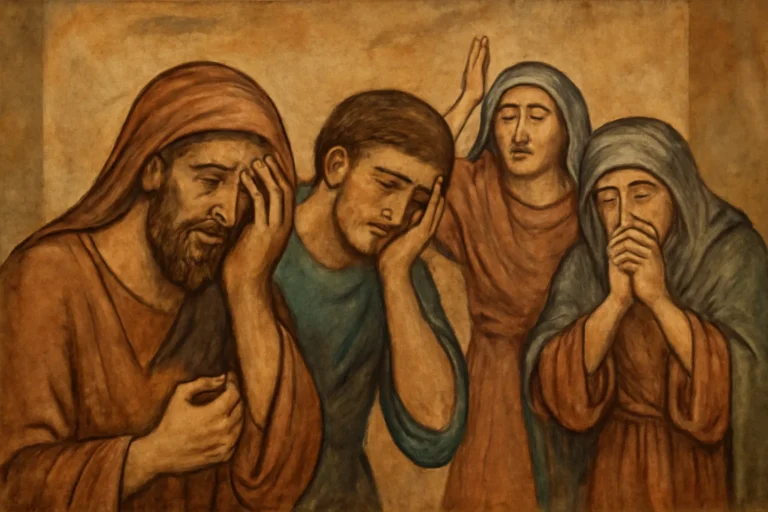
Across the Ancient Near East, communities faced cycles of crisis—plagues, invasions, famines, political collapse, and the quiet erosion of urban life. In response, a distinctive genre of public lament emerged within the religious sphere, transforming collective sorrow into ritual speech. These communal laments—variously termed lamentations, dirges, or supplicatory prayers—wove together theology, memory, and social cohesion. They were not mere expressions of grief; they functioned as memory-work that anchored communities in a shared past, interpreted catastrophe in light of divine will, and guided present and future action within the framework of divine-human covenant.
The idea of social memory in these texts goes beyond recalling dates or genealogies. It involves the repatriation of identity through ritual time, the policing of communal norms, and the legitimating of institutions that claim a sacred mandate. In the pages that follow, we will explore how communal laments operate as a religious technology for shaping memory, how they differ across Mesopotamian, Hebrew, and Canaanite/Northwest Semitic traditions, and how scholars read them as windows into the political theology of ancient societies. The focus remains the religious domain: laments as liturgy, theology, and ritual praxis, rather than purely literary artifacts.
Defining the Terrain: What Are Communal Laments?
Terminology and Genre in the Ancient Near East
In broad terms, a communal lament is a public, often liturgical, utterance in which a community, or its cultic representatives, laments a collective misfortune and appeals to the divine to reverse or repair it. These texts and performances typically include:
an invocation or address to a deity or deities who oversee the city, land, or people;
a catalog of misfortunes or a description of the city’s devastation;
confessorial or penitential elements that frame the disaster in moral or covenantal terms;
refrains or formulaic lines that invite communal participation and recitation by ritual actors or lay worshippers;
requests for divine intervention—restoration, protection, or judgment against enemies;
a ritual or liturgical frame—processions, offerings, or temple rites—that centers memory and future hope.
Across the Near East, the laments appear in habitable forms: textual compositions inscribed on clay tablets, carved inscriptions, and performance texts used by choirs, singers, or professional lamenters. Although regional flavors abound—Mesopotamian city laments, Hebrew corporate laments, and Ugaritic/Northwest Semitic lament genres share a core shape they also reveal distinctive theological emphases—lamentation itself is a universal language of memory in the ancient religious imagination.
Mesopotamian City Laments and the Cadence of Destruction
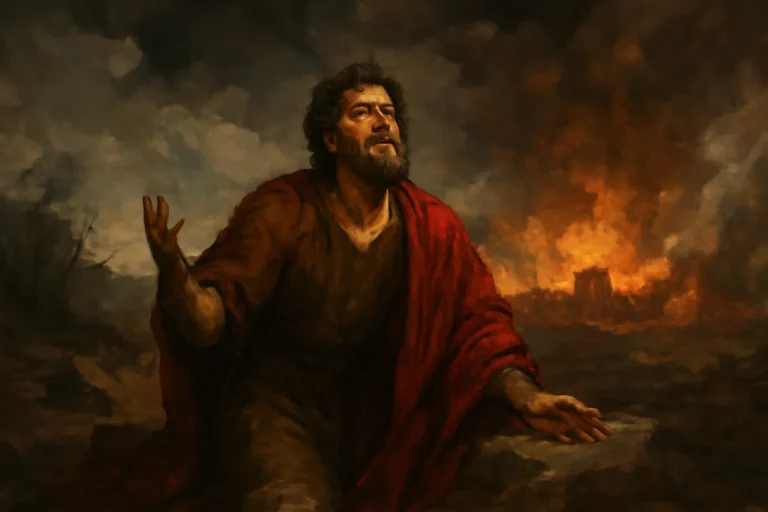
In Mesopotamia, the genre is most robustly attested as city-facing laments that mourn the destruction of urban centers and the loss of divine favor. These texts often speak in the voice of cities personified as goddesses or as the city itself, imploring the gods to restore status, worship, and ritual order. The imagery is dramatic: gates breached, walls toppled, streets emptied, and citizens displaced. Yet the logic of the lament binds this despair to a divine economy—justice and mercy are weighed, and the future is re-grounded in covenantal expectations and ritual repair.
Hebrew Bible and the Corporate Voice of Lament
In the Hebrew Bible and related traditions, the corporate lament is a central voice in religious life. The psalms of lament and the book of Lamentations articulate a theology of suffering tied to covenant faithfulness, divine jealousy, and steadfast mercy. The lament becomes a pedagogy—a way of instructing the community in how to think about national trauma, sin and repentance, and the hope of restoration. Laments in this context often pair personal or communal grievance with a call to trust in the divine plan, turning memory of catastrophe into a future-oriented fidelity.
Ugaritic and Northwest Semitic Laments
In the Ugaritic corpus and related Northwest Semitic literature, lament genres intersect with myth narratives and royal cults. The lament may accompany royal funerary rites, the downfall of kings, or the destruction of cities, and it frequently resonates with epic motifs of divine contest, cosmic order, and the rebalancing of the cosmos. These laments illuminate how contested sovereignty, divine retribution, and social memory intertwine in a polity’s religious imagination.
Common Motifs and Structural Patterns
Despite regional variation, several motifs recur in communal laments across the Near East:
Invocation of the deity or pantheon as judge, protector, and revealer of truth.
Catalog of woes that binds social suffering to divine misrule or human infidelity.
Conclusion of trust or plea for mercy that reframes catastrophe within covenantal structure.
Refrains or formulaic lines that reinforce collective participation and memory.
Ritual action—processions, temple offerings, or ritual lamentation steps that convert rhetoric into communal practice.
Memory-formation—the past catastrophe becomes a template for future behavior, ethics, and governance.
In Mesopotamian laments, the city is often personified as a living subject, capable of speaking in the first person or being personified as a goddess with agency. The text may begin with a dramatic description of ruin—gates smashed, granaries bare, canals choked—and quickly pivot toward a theologically charged appeal: the gods must intervene, restore order, and reestablish proper ritual worship. The lament’s dramatic structure creates a theology of memory in which collective identity depends on remembering the god’s past fidelity and the city’s rightful place in the cosmic order.
Ritual Practice and Performance
The performance context matters. The lament was not only a literary artifact; it functioned in ritual gatherings, in temple precincts, or during state ceremonies. The right performers—priests, singers, oracles, or specialized lamenters—delivered the lament with musical accompaniment, dirges, and chanted refrains. The ritual frame guaranteed that the lament would be accessible to the entire community, enabling the traumatic memory to become a shared ethical and theological compact. In this sense, the communal lament is a technology of social memory: it preserves the past, disciplines the present, and orients the future toward divine restoration.
Key Texts and Their Significance
Texts commonly cited in discussions of Mesopotamian city laments include:
a set of lamentations for specific cities or regions, often naming the goddess or deities who protect those spaces;
composite liturgical pieces that mix lament with petitions for restoration of cultic worship and ritual order;
descriptive invocations of cosmic and political order that situate political disruption within divine drama.
Scholars emphasize that these pieces are not merely about mourning. They are crucial memory templates showing how a society interprets disaster, assigns responsibility, and mobilizes religious authority to repair social trust.
Hebrew Bible: Laments as Covenant Memory and Theological Reflection
Corporate Lament in a Covenant Context
The corporate lament in the Hebrew tradition often begins with a bold assertion of dependence on God, even while crys of distress fill the text. The communal voice expresses distress over national disaster—often the fall of Jerusalem or exile—yet the lament remains within a framework that understands suffering as a manifestation of faithfulness or unfaithfulness within the covenant. The lament thus acts as a theology of memory and a moral sermon—exhorting the people to repent, reorient to divine commands, and hope in future mercy.
From Lament to Hope: The Shape of Psalms and Laments
The canonical Psalms of lament frequently blend personal grievance with collective confession. A recurring pattern emerges:
address to God with a direct plea for help;
recitation of enemies and danger, often framed as cosmic or social threat;
the lamenter’s oath of fidelity to the covenant;
an entreaty for mercy based on divine steadfast love and faithfulness;
praises or vows of thanksgiving as a future claim of gratitude should the divine mercy arrive.
In Lamentations, the memory of Jerusalem’s destruction is not a cynical elegy but a ritual memory that binds the community to its prophetic tradition and to its expectation of restoration. This text teaches that memory, when rightly oriented, can convert trauma into an impetus for reform—political, liturgical, and moral.
Memory, Identity, and Exilic Reflection
The exilic context of much biblical lamentation invites readers to see memory as a way to preserve continuity—despite physical displacement and political upheaval. The lament does not erase the pain; it reframes it within a theological horizon where God’s justice and mercy remain foundational. The community learns to interpret calamity as a moment of discernment—an opportunity to reconstitute identity around a shared memory of divine fidelity, even when national life is disrupted. In this way, social memory becomes a tool for enduring faith and communal resilience.
Ugaritic and Northwest Semitic Laments: Theopoetic Convergences
Mythic Contexts and Royal Laments
In Ugaritic and neighboring Northwest Semitic spheres, laments often intertwine with mythic narratives and royal cults. The lament can accompany the downfall of a king or the destruction of a city, and it frequently engages with themes of divine rivalry, cosmic order, and the fate of the people under the divine will. Here too the lament serves as a memory instrument, reminding the audience that political power rests under the sovereignty of the gods and that the fidelity of the governed is important for divine favor.
The Role of Performance and Public Memory
Like their Mesopotamian counterparts, Northwest Semitic laments functioned within performative contexts, sometimes layered with ritual song, chorus responses, and temple-centered recitation. The public dimension—shared recitation by the community or by a designated lamenting class—ensures that the memory of catastrophe is not privately experienced but assimilated into communal identity. The ritual memory affirms a certain political theology: a community’s fate is tied to its relationship with the divine, and the state must align with the divine order to regain prosperity.
Across these traditions, memory is not a passive archive. It is an active theological project. By repeatedly naming the calamity, praising divine attributes like mercy and justice, and rehearsing covenantal requirements, communities are instructed in ethical conduct and liturgical fidelity. The lament thereby becomes a way to teach several generations the proper relationship to the divine and to one another—an important function in societies that anchored legitimacy in ritual reciprocity with gods.
Memory and Social Cohesion
The public nature of lamentation supports social cohesion by providing a ritual framework for expressing shared sorrow and for articulating a common path forward. In times of crisis, these pious performances offered a standard language through which diverse segments of the community—priests, merchants, farmers, and city officials—could participate in a single act of mourning, confession, and supplication. The lament, then, is a social technology: it fosters unity, channels grief into communal action, and anchors identity in a shared narrative.
Memory, Justice, and Political Theology
A striking feature across traditions is the insistence that divine justice be recognized and invoked. Laments do not condemn the religiously innocent; they spotlight the community’s complicity in suffering, prompt repentance, and plead for renewed alignment with divine justice. The memory-work embedded in these texts often interprets disaster as a response to wrongdoing—whether moral, ritual, or political—and sets the stage for reform. This function contributes to a durable political theology in which the gods are not distant rulers but active guarantors of the proper order, and the community remains accountable to the divine will.
Structural Patterns in Compositional Laments
A concise inventory of recurring structural elements that scholars often highlight:
Proem: invocation and setting, establishing the divine audience and the crisis context;
Complaint: detailing the calamity, often with sensory and spatial imagery;
Declaration of Trust: reaffirmation of the covenant or divine loyalty;
Plea for Restoration: requests for mercy, intervention, or order reestablishment;
Posterior Hope: a forward-looking note of blessing, restoration, or a vow of worship;
Refrain: a shared line or formula that reinforces communal participation.
The Role of the Audience: Divine, Priestly, and Civic Voices
The intended audience of a lament shapes its rhetoric and function. When addressed primarily to the deity, the lament becomes a theological petition with cosmic stakes. When addressed to a royal or civic audience, it functions as a political sermon, urging rulers to enact reform and return to ritual propriety. In collective contexts, lament performance might involve a choir, a troupe of lamenters, or temple musicians, turning the ritual spectacle into a shared moral pedagogy.
Language and Formula: Repetition as Memory-Engine
The use of repeated phrases, parallelism, and refrains is not merely stylistic; it is a cognitive strategy that strengthens the transmission of memory. Repetition engages listeners in a rhythm that mirrors the cycles of ritual time—annual festivals, harvest cycles, and sacred anniversaries—thereby embedding memory within the cadence of communal life. The formulaic language anchors the emotion of grief in a stable theological vocabulary, making the memory portable across generations and social strata.
Memory as Religious Practice
Modern memory studies—drawing on theorists like Maurice Halbwachs and Jan Assmann—treat collective memory as a social practice rather than a mere repository of facts. In the context of communal laments, memory becomes a ritual act that shapes moral imagination and communal identity. The lament teaches the community what to remember, how to interpret catastrophe, and how to act in accordance with a divine pattern. Thus memory is not passive recall but an active moral and theological project.
Memory, Trauma, and Ethical Reorientation
Traumatic events in ancient societies—sieges, plagues, or political collapse—were not hidden from public memory but inscribed into the sacred repertoire. The lament offers a language to grieve, but also to reorient. The community interprets trauma through a theological lens that invites repentance, reform, or renewed fidelity to the divine order. This process embodies a transformative path from catastrophe to renewed ethical conduct and ritual practice.
Cross-Cultural Readings: Convergences and Differences
While the laments share core features, their local theologies shape distinct conclusions. Mesopotamian laments might foreground the power of the city’s tutelary goddess and the need to restore cultic worship, whereas Hebrew laments foreground covenant fidelity and divine mercy that spur political and liturgical renewal. Ugaritic laments may highlight royal legitimacy and the alignment of kingship with divine rule. By comparing these texts, scholars illuminate how religious memory functions across cultures: a practical tool for social cohesion, a theological argument about divine-human reciprocity, and a way to dramatize the moral economy of society.
Lamentation texts teach younger generations how to interpret misfortune within a religious framework. They provide a catechesis in covenant fidelity, justice, mercy, and the necessity of ritual discipline. The community learns that its history—especially times of crisis—must be understood through the lens of divine governance and communal responsibility.
The Lament as a Tool for Political Legitimation
Leaders and priestly elites often use lamentations to legitimize political decisions rooted in religious authority. By calling for restoration in the name of the gods, rulers align themselves with a sacred order that transcends mere political expediency. The lament thus doubles as a political instrument, strengthening the social contract between deity, ruler, and people.
Gender, Voice, and the Space of Lament
In many sources, women’s voices appear in lament tradition as mourners, priestesses, or chamber singers who preserve or negotiate memory within the religious community. The lament, then, becomes a site where gendered ritual labor maintains the memory-work that sustains the religious life of the community. This dimension underscores the broader social significance of lamentation as more than grief; it is a site of cultural reproduction and religious pedagogy.
Ritual Framing: How Laments Become Worship
The integration of lament into ritual practice demonstrates that memory work is not merely cognitive; it is embodied. The act of lamenting—chanting, singing, offering, processing—concretizes memory in ritual space, turning abstract loss into meaningful worship. The memory embedded in the lament thus becomes a living force that shapes daily worship, festival cycles, and the community’s sense of sacred time.
Theological Implications: Evil, Justice, Mercy
Laments foreground the moral dimensions of divine justice. Through lament, communities wrestle with questions about the problem of evil, divine punishment, and the possibility of mercy. The theological burden of faith—trust in a just and merciful god—becomes a central theme. The lament does not resolve all tension; instead, it reframes it within trust in the divine plan while urging ethical reform in the human community.
The afterlives of lamentation texts often involve periods of reconstruction—temple rebuilding, city renewal, and civil reorganization. The memory of catastrophe, reframed by the lament, becomes a catalyst for healing and restoration. Ritual calendars may incorporate special memorial days; processions may re-enact the journey from ruin to renewal; offerings may be redirected to solicit divine favor for reestablishment of public life.
Ethical Reorientation and Covenant Renewal
In many traditions, the lament is used to call a people back to ethical living within their covenantal framework. The memory of disaster serves as a constant reminder that fidelity to ritual practice and moral norms is inseparable from social flourishing. The theological claim is thus a reformed life: not simply a recitation of the past but an invitation to live in a way that honors the gods and safeguards the social order.
Across the Ancient Near East, communal laments stand at a crucial intersection of religion, memory, and social life. They are not simply expressions of grief; they are memory technologies that mobilize a community around shared theology, reinforce political legitimacy, and cultivate ethical memory for future generations. They reveal how ancient peoples interpreted disaster within a framework of divine sovereignty and moral responsibility, how they used ritual speech to sustain identity, and how fear and hope were braided into a coherent religious program. As such, the study of laments offers rich insights into the religious imagination of antiquity, the social function of ritual, and the enduring human instinct to remember—together, in order to endure and to hope.
In contemporary scholarship, these laments invite us to consider memory as a living process—one that preserves essential truths about covenant faith, the moral logic of communities under strain, and the reciprocal expectation that divine life and human life remain intertwined. When we listen to the cadence of a lament, we hear more than sorrow; we hear a culture’s deliberate attempt to shape the future by remembering the past rightly, and to keep faith with the sacred as the anchor of communal life.