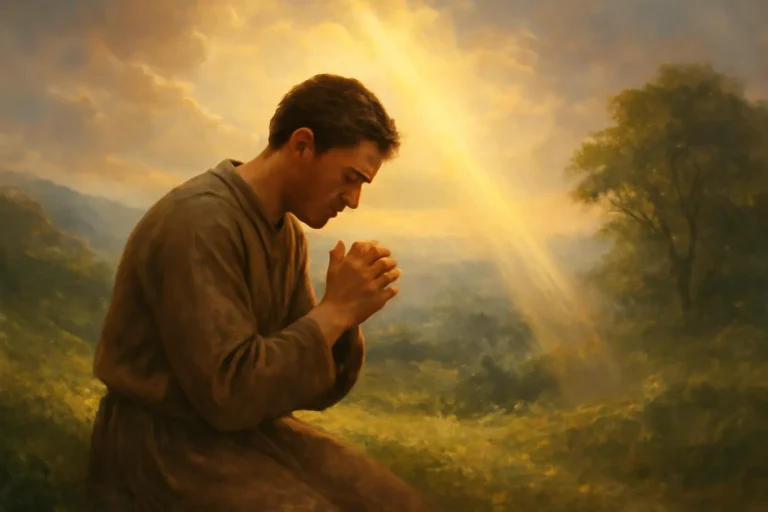

Beauty Rising from the Ashes: A Sacred Inquiry into Transformation
Across centuries and civilizations, people have looked at destruction not merely as an ending but as a doorway.
In the religious imagination, beauty rising from the ashes is more than a metaphor; it is a spiritual claim that
suffering, loss, and ruin can be transfigured by grace, memory, and faithful action.
This article surveys the theme from multiple religious perspectives, tracing the way ash, ruin, and catastrophe become occasions for
renewal, deeper faith, and a more expansive vision of the divine-human encounter.
Understanding the core idea
The recurring motif of ash as an instrument of purification or ash as a signpost of restoration invites us to distinguish between
cynicism and hope, between passive endurance and active transformation. It is not a denial of pain but a theological interpretation of pain that seeks a higher purpose.
When communities repeat the refrain of beauty rising from the ashes, they are naming a trust that God can redeem what human hands cannot repair.
The aim of this long-form examination is to present a comprehensive, multi-layered understanding of how
beauty rising from the ashes appears in sacred narratives, liturgical rituals, ethical teachings, and communal memory.
While the phrase itself can be traced to particular scriptural phrases, the broader theological arc is cross-cultural and interdisciplinary.
A biblical primer: hearing the ash as invitation to beauty
- Isaiah’s promise of clothing the afflicted with beauty for ashes (Isaiah 61:3) offers a theological blueprint: sorrow can be repurposed into dignity.
- Job’s lament and restoration illustrate a journey from ashes to a more robust vocation, where loss becomes a catalyst for deeper trust.
- Joshua and the remnant remind us that rebuilding after ruin requires both divine blessing and human agency.
- New Covenant motifs in Christian interpretation reframe ashes as a sign of mortality emptied into eternal life.
Christian perspectives: Ash, repentance, and resilient hope
In Christian theology, the imagery of ashes has both penitential and restorative dimensions. The practice of Ash Wednesday—placing ashes on the forehead with the words,
“Remember that you are dust, and to dust you shall return”—is not solely about doom; it is a rhythm that leads Christians toward renewal and new creation.
The idea of beauty rising from the ashes in Christian contexts often appears in the life of individuals, in local congregations, and in the missionary and social witness of the church.
H3: From sorrow to service: practical pathways to beauty
- Repentance as renewal: recognizing brokenness, confessing, and turning toward God often release new energy for healing others.
- Rituals that reframe loss: liturgical movements, psalms of lament, and thanksgiving offerings reweave memory into meaning.
- Community as conferrer of beauty: shared grief becomes shared grace through acts of mercy and solidarity.
Theology of suffering and resurrection
The Christian arc often presents suffering not as a negation of life but as a crucible that refines faith.
The paradox of the cross—death that yields life—provides a lens through which beauty from the ashes is seen as a divine rescue operation that redeems
personal stories and public histories alike.
Jewish perspectives: memory, exile, and the renewal of hope
In Jewish thought, the ash motif has a long ritual and interpretive history. The ceremonials of lament and the remembrance of destruction are not ends in themselves
but avenues toward restoration, fidelity, and communal healing.
The collective memory of catastrophe—whether in exile or in the wake of persecution—has often become the seedbed for ethical rebuilding and spiritual purity.
Key rabbinic insights on beauty arising from ruin
- Tikkun olam (repairing the world) reframes devastation as an invitation to social and cosmic restoration.
- Tashlich rituals and liturgical meditations enable believers to cast away guilt and begin anew.
- Memory as a constructive force: remembering loss while choosing righteous action converts ashes into future fruitfulness.
The Holocaust, a singular catastrophe in modern memory, has also been read theologically in Jewish and interfaith contexts as a crucible that tested faith, memory, and moral responsibility.
The cry for justice, remembrance, and renewal emerges from ashes—in liturgy, in poetry, and in acts of solidarity that bear witness to human dignity.
Islamic reflections: patience, ease, and beauty born of endurance
In Islam, the language of hardship and relief gives a powerful frame for interpreting tragedy and loss. The Qur’anic insistence that with every hardship comes ease (often framed as
hasb al-sabr and sabrun jamil) resonates with the idea that beauty can emerge as a product of steadfast trust in God.
Patience and beauty: theologically grounded resilience
- Sabr (patience) is not passive resignation but active trust that sustains hopeful action in the face of trials.
- Divine wisdom in trial: testing times are occasions for purification and direction toward moral reformation.
- Communal support and charity (zakat, sadaqah) turn individual ashes into public blessing, expanding beauty through solidarity.
Islamic spiritual practice often links beauty rising from the ashes to the transformation of the heart, the purification of intention, and the expansion of mercy toward those who suffer.
Hindu, Buddhist, Sikh, and other sacred paths: diverse routes to beauty from ruin
Beyond the Abrahamic family, other religious traditions offer parallel insights into how defeat can become a gateway to deeper beauty.
Though the language differs, the underlying motif is familiar: detachment from ego, compassionate action, and the transmutation of pain into wisdom.
Hindu perspectives: ash and auspiciousness
- Vibhuti (sacred ash) and ashes as a reminder of impermanence, guiding seekers toward spiritual clarity and humility.
- Renunciation and service: personal sacrifice becomes a conduit for communal benefit and moral beauty.
Buddhist insights: suffering as the path to awakening
- Todos los sufrimientos (all sufferings) as stepping stones toward enlightenment, where clinging dissolves and compassion expands.
- Fire sermon and extinction: the idea of burning away attachments to reveal the luminous nature of mind.
Sikh and other traditions: service as beauty’s vessel
- Selfless service (seva) and communal kitchens (langar) symbolize how ashes of hardship feed others and beautify life through generosity.
- Nam and divine remembrance anchor resilience in a life oriented toward God rather than transient gain.
Common theological threads: how ashes become avenues of beauty
Across these traditions, several recurring themes emerge as keys to understanding how beauty rises from ashes.
Transformation through memory
- Memory as moral weight—remembering harm prevents its recurrence and fuels ethical action.
- Memory as hope—stories of ruin reinterpreted through divine fidelity foster future-focused courage.
Purification through humility
- Humility in the face of loss opens space for grace to act, inviting divine strength into human weakness.
- Repentance and reform—a turning back toward the good can restructure communities and personal life alike.
Compassion as a visible sign of renewal
- Mercy-inspired action—care for the vulnerable, restoration through social virtue, and justice-seeking become tangible embodiments of beauty.
- The arts as testimony—poetry, liturgy, iconography, and ritual music often bear the beauty that arises from communal suffering.
Practical dimensions: disciplines that foster beauty rising from the ashes
If the claim that beauty rises from ashes is to have life beyond metaphor, it requires intentional practice. Here are concrete pathways often highlighted by sacred traditions.
Rituals and liturgies that reframe loss
- Laments and gratitude—structures that admit pain and then pivot toward gratitude help communities hold complexity without despair.
- Repentance rituals—confession as a doorway to renewal that reorients living toward divine intention.
- Remembrance rites—collective acts of memory preserve dignity and foster intergenerational wisdom.
Ethical action as a visible witness
- Charity and social justice—transforming private sorrow into public service.
- Reconstruction efforts—building homes, schools, shelters, and civic structures that outlast individual pain.
- Advocacy for the vulnerable—turning personal hurt into policy work that protects future generations.
Spiritual disciplines for inner renewal
- Prayerful resilience—a disciplined practice that aligns endurance with hope.
- Contemplation of impermanence—mindfulness that fosters detachment from destructive attachments.
- Community healing—shared rituals, mutual care, and restorative justice cycles that dignify every member.
Contemporary applications: memory, art, and social witness
In the modern world, the claim that beauty rises from ashes is tested by new kinds of catastrophes—natural disasters, wars, pandemics, and the slow burn of systemic injustice. Yet religious communities often respond with a clarifying emphasis on resilience, hope, and care.
Art as testimony
- Artistic expression—visual art, music, theater, and literature that translate pain into beauty and invite communal reflection.
- Ritual and performance—public lament, memorial services, and interfaith circles that honor memory while promoting reconciliation.
Memory and justice
- Public memorialization—ensuring that loss remains a call to ethical action rather than a source of fatalism.
- Truth-telling and reconciliation—processes to acknowledge harm, repair relationships, and restore trust within communities and across traditions.
Interfaith dialogue and shared hope
The universality of the theme invites interfaith dialogue. When communities learn to speak about ruin and renewal with humility, they discover common ground in
the aspiration to uplift the vulnerable and to care for the planet. In such dialogue, the phrase beauty rising from the ashes becomes a shared mnemonics for perseverance and grace.
Case studies: stories of beauty emerging from catastrophe
In this section, we consider representative narratives—biblical, historical, and contemporary—that illuminate how ashes can yield beauty through divine intervention, human courage, and communal solidarity.
Case study: a city rebuilt after devastation
- The reconstruction of neighborhoods after a flood became a testimony of resilience, where churches, mosques, and temples established joint relief efforts, transforming grief into communal care and new civic beauty.
- Artisans and volunteers discovered that the rebuilt streets glowed with renewed meaning as families returned and schools reopened.
Case study: liturgical renewal after loss
- A faith community that survived a violent tragedy embraced a season of lament that gradually shifted toward social action; worship became a beacon of hope, uniting diverse members around a shared commitment to healing and justice.
- New hymns and prayers reframed sorrow as hope-in-action, inviting younger generations to participate in mercy-centered witness.
Case study: interfaith solidarity in times of crisis
- Across a metropolitan region, neighbors from different faiths constructed joint relief networks, recognizing that beauty from ashes is not owned by one tradition but belongs to those who care for others.
- Shared rituals, mutual learning, and collaborative service projects enabled communities to turn ruin into a common good.
Conclusion: the ongoing sacred drama of beauty from ashes
The claim that beauty rising from the ashes is possible remains a central motive in religious imagination. It is a claim that danger invites courage, that loss can be transmuted into meaning, and that communal life is strengthened when memory and hope are braided into daily practice.
While each religious tradition has its own vocabulary and horizon, the converging vision is clear: suffering is not the final word; restoration is not a mere reunion with the past; beauty is not a fantasy but a lived transformation that invites everyone into a fuller, more compassionate humanity.
As readers and listeners, we must approach this theme with humility. The arrogance of spiritual triumphalism can diminish the very beauty we seek to honor. Instead, let us cultivate
a reverent curiosity that honors particular sacred texts and practices while remaining open to the shared human longing for healing, justice, and wholeness.
Final reflection: cultivating a culture of beauty from ashes
To foster a durable culture of beauty rising from the ashes, communities can nurture:
- Acts of service that respond to immediate needs and
lay the groundwork for long-term transformation; - Commitment to truth-telling that honors victims and acknowledges responsibility;
- Rituals of lament and gratitude that hold pain while inviting hope;
- Educational programs that teach theological interpretations of suffering and resilience;
- Interfaith collaboration that expands the circle of care beyond boundaries of belief.
In the final analysis, the spiritual assertion remains: <
strong>beauty rising from the ashes is not a denial of loss but a confirmation of the possibility that deep compassion, salvific grace, and ethical action can emerge from ruin.
Whether through the language of Isaiah’s beauty for ashes, the Christian witness to resurrection, Jewish memory and repair, Islamic patience, or the diverse paths of world spirituality, the arc is the same: ashes are not the end; they are a doorway to grace, a cue to respond with courage, and a call to shape a future where the beauty of restored life shines bright.