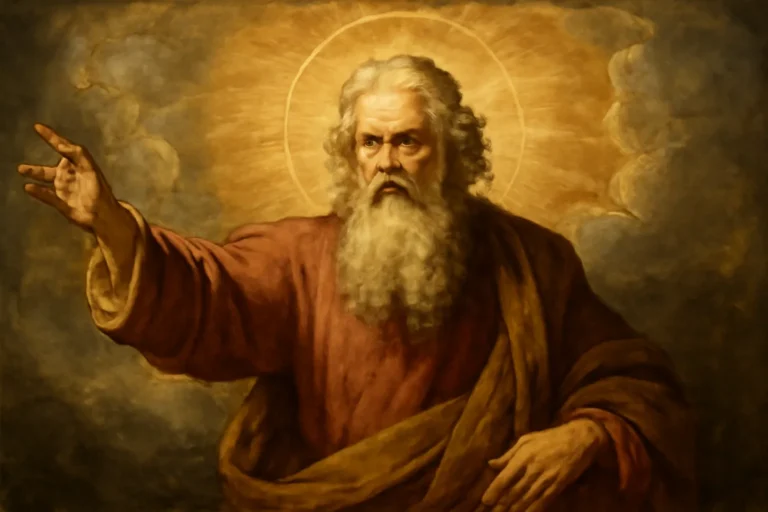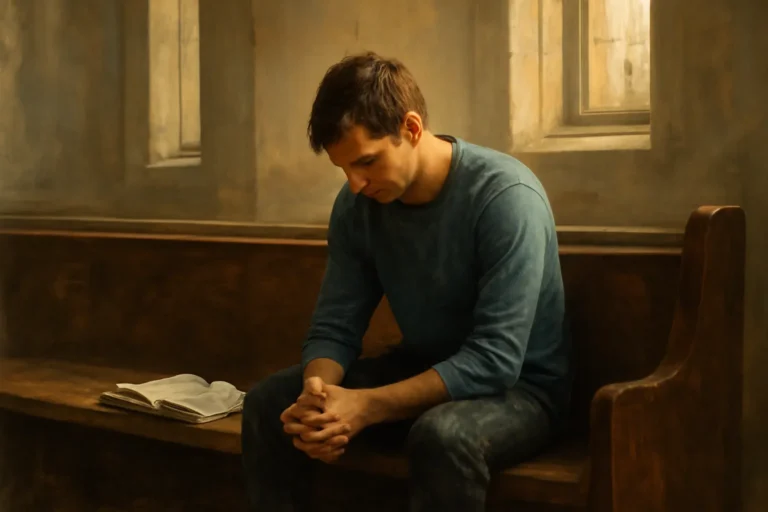

In many theological traditions, the drama of creation is described as a grand reveal of God’s design and creative intention. Among the most enduring motifs is the conviction that humans themselves are a living, breathing manifestation of that intention: a divine masterpiece formed with care, given purpose, and invited into relationship with the Creator. This article explores the concept of God’s masterpiece from multiple angles—biblical, theological, ethical, and pastoral—so that readers might gain a fuller appreciation of what it means to be created in the image of God, and how that truth informs daily life, communal responsibility, and the journey of faith. In saying that you are God’s masterpiece, we affirm not only intrinsic worth but also a call to virtue, stewardship, and hopeful transformation.
The Idea of a Masterpiece in Theology
The language of masterpieces is rich with analogy. In human culture, a masterpiece is not simply something beautiful; it is something that carries intention, tells a story, and bears witness to the craft of its maker. When we apply this metaphor to creation, we are saying that the universe itself is not a random accident but a coherent conversation between the Creator and the created order. The claim that humanity is a divine masterwork rests on several interlocking convictions: intentional design, meaningful purpose, and an ongoing invitation to relationship. In what follows, we consider the theological underpinnings of this claim and how they shape a robust understanding of human dignity.
Why a masterwork matters for identity
If people are God’s masterpieces, then identity cannot be reduced to passing traits, social roles, or cultural labels alone. Identity is rooted in a transcendent source, yet expressed in concrete life—in relationships, work, worship, and service. The masterpiece metaphor helps us resist two distortions: first, cynicism that devalues human life as inherently flawed or unredeemable; and second, elitism that elevates some persons above others by accident of birth, achievement, or status. Rather, the idea that you are God’s own work points to universal dignity and comprehensive vocation: to know God, to love neighbor, to steward creation, and to participate in a redemptive story that far exceeds any single lifespan.
Scriptural Foundations: Imago Dei and the Craft of Creation
The claim that humanity is God’s masterpiece rests most securely on scriptural data about how people are created and how God engages with the world. The central pivot is the doctrine of the Imago Dei—the divine image by which every human bears a reflection of the Creator. Across biblical testimonies, this image is associated with reason, relationality, moral agency, stewardship, and the capacity for worship. Reading the biblical record with attention to language, metaphor, and historical context helps us appreciate the depth of the assertion that you are God’s masterpiece.
The Image of God (Imago Dei)
The Genesis account initiates the conversation with an explicit claim: God created humanity in His image (Genesis 1:27). This does more than describe appearance; it articulates vocation. Humans are called to reflect certain divine qualities in the world: capacity for intimate relationship, a rational and creative mind, moral discernment, and responsibility over creation. The language used in Genesis conveys intentional design: God formed humans with care, breathed life into them, and blessed them with purpose. If you are God’s masterpiece, you carry a copy of the Creator’s own intentionality into daily existence.
The image of God is not exhausted by a single trait. Theologians have traditionally outlined multiple dimensions—spiritual, relational, dominion-oriented, and moral. The spiritual dimension points to a capacity for communion with God; the relational dimension highlights that humans are made for community; the dominion or stewardship dimension implies responsibility for creation; and the moral dimension indicates the possibility of choosing good over evil, a capacity that requires freedom. Together, these dimensions contribute to the sense that you are God’s masterwork with a purpose that traverses time and history.
Scripture also presents a narrative where this divine image becomes the ground for transformation. In Christian reading, the life, death, and resurrection of Jesus Christ inaugurate a new chapter in which believers are being remade into the likeness of Christ (sanctification), so that the image of God in human life shines with renewed clarity. In this sense, you are God’s masterpiece not only in the moment of creation but across the entire arc of salvation history.
Psalmic and Prophetic Affirmations of Worth
The Psalms contribute a lyrical facet to the doctrine: you are fearfully and wonderfully made (Psalm 139:14). The Psalmist speaks of intimate knowledge of each person’s inward being, of form and fiber crafted with divine care. The prophets likewise remind readers that God’s purposes for Israel and for all people reveal a Creator who writes stories of promise and justice into the world. This poetic portrait complements the Genesis account by inviting believers to recognize that their worth has a meaning beyond their immediate circumstances.
In theological education and pastoral practice, these texts are not abstract. They invite believers to adopt a stance of reverent gratitude and hopeful responsibility. If you are God’s masterpiece, then every life becomes a canvas on which divine grace is painted, and every moment becomes a chance to embody truth, mercy, and beauty in action.
The Human Person as God’s Masterpiece
The claim that you are God’s masterpiece translates into a robust anthropology—an understanding of what it means to be human. It integrates the dignity of every person with a compelling invitation to real transformation. This section considers several interlocking facets of what it means to inhabit such a role in creation.
- Dignity: Every person bears the inherent worth of being crafted by the Creator, not contingent upon status, achievement, or appearance.
- Identity: Identity as image-bearing shapes how communities honor the intrinsic value of each person while also shaping communal responsibilities toward others.
- Call: A vocation to honor God and serve neighbor, reflected in vocation, family life, education, and civic engagement.
- Virtue: A moral landscape in which love, justice, mercy, and integrity guide choices in personal and public life.
When we affirm that you are God’s masterpiece, we acknowledge that human life has a transcendent origin and an ethical horizon. This is not simply a metaphysical claim; it is a pastoral and social claim about how communities ought to treat one another. It means encouraging flourishing: you are God’s masterwork invited into growth, healing, and the ongoing cultivation of wisdom.
Imago Dei in the Real World
The practical implications are not abstract. They show up in how families teach, how schools educate, and how churches preach. They appear in the care of the vulnerable, in service to the poor, and in the pursuit of justice. They arise in conversations about identity, equality, and the dignity of every person, including those with disabilities, those marginalized by society, and those who live with the wounds of trauma. If you are God’s masterpiece, then your body, your voice, your story, and your capacity to forgive are all potential channels for grace, transformation, and reconciliation.
Some theologians emphasize the continuity between creation and redemption: just as God spent six days shaping the cosmos, God continues to shape lives through the process of sanctification. In this light, you are God’s masterwork not merely as a static status but as a dynamic journey toward wholeness. The journey includes learning to love rightly, to forgive generously, to pursue truth with humility, and to contribute to the common good in ways that reflect divine intention.
The Creation Narrative and the Craft of Design
The opening chapters of Genesis offer a framework for thinking about God’s masterpiece as a work of deliberate craft and gracious intention. The repeated pattern of calling, blessing, and commissioning shapes not only how humans relate to God but how they relate to each other and to creation. The narrative invites readers to see humanity as a finished yet continually developing work in progress, one that receives refinement through divine pedagogy and communal discernment.
Creation as a Series of Vocations
The six-day progression culminating in a Sabbath rest reads like a curriculum. God creates with intention, then invites creation to participate in stewardship, cultivation, and enjoyment. The humans who emerge are both recipients of God’s blessing and agents of blessing for the world. This dual role underlines the notion that you are God’s masterpiece in a relational context: you are formed to participate in God’s purposes, and your participation matters for the flourishing of others.
In this sense, the creation narrative bears a pedagogical emphasis. It teaches that gifts and capacities are not isolated achievements but entrusted means by which God’s love, justice, and beauty are made manifest. The world becomes a classroom where the masterpiece of humanity is revealed through acts of compassion, innovation, and faithful witness.
Practical Implications: Living as God’s Masterpiece
A robust theology of human dignity naturally translates into concrete practice. If you are God’s masterpiece, then daily life becomes a field of vocation, formation, and service. The following considerations outline ways in which individuals, communities, and institutions might translate theological conviction into lived reality.
Education, Formation, and Character
Education is not merely the transmission of facts but the cultivation of character. Schools, churches, families, and community centers can center the truth that students are God’s masterpieces, deserving of encouragement, challenge, and opportunities for growth. Educational practices that affirm intrinsic worth while urging moral formation create a foundation for lifelong learning, critical thinking, and compassionate action.
- Value every learner as a bearer of the divine image.
- Encourage curiosity while shaping conscience and wisdom through virtue-informed pedagogy.
- Provide inclusive environments where diversity is celebrated as a reflection of God’s creativity.
- Foster discernment through ethical discussions, community service, and mentorship.
In this framework, you are God’s masterwork precisely when you are open to growth, receptive to correction, and committed to the flourishing of others. This is not a coercive standard but a hopeful invitation toward maturity and virtue.
Pastoral Care, Healing, and Community Life
Pastoral care that anchors itself in the conviction that you are God’s masterpiece will emphasize dignity in suffering, resilience in hardship, and the possibility of restoration. Communities that center grace, hospitality, and truth-telling become places where people encounter the divine artistry at work in their lives. Healing is not merely the absence of pain; it is the restoration of the rightful place of persons within a loving order that honors God and neighbor.
Consider these practical expressions:
- Hospitality that welcomes strangers as if they were family because every person reflects the divine image.
- Care for the vulnerable as a faithful response to being God’s own work.
- Witness through acts of justice—feeding the hungry, defending the oppressed, and promoting the common good.
- Discernment and prayer that help individuals name their gifts and use them for God’s purposes.
When communities act in ways that honor the divine workmanship in every person, the effect is transformative. You become a living testament to the truth that God’s masterpiece is not a private attribute but a public invitation to love richly and to live generously.
Challenges and Distortions: Protecting the Integrity of the Masterpiece
Even as the theological claim is beautiful, it must be held in tension with harsh realities. Human life can be damaged by sin, trauma, prejudice, and systems of injustice. The language of being God’s masterpiece should never be used to minimize real suffering or to gloss over legitimate grievances. A faithful approach names the brokenness, naming the ways in which individuals and communities fail to reflect the Creator’s intent, while holding firmly to the possibility of renewal through grace.
When Worth Is Systematically Denied
Historical and contemporary injustices frequently deny the basic truth that you are God’s masterpiece. In such contexts, theology must become a lamp for liberation—a call to dismantle dehumanizing practices, to rebuild structures that undermine dignity, and to advocate for the vulnerable. The insistence on human worth becomes not only a doctrinal statement but a political and ethical stance against oppression.
This means listening to voices that have been silenced, learning from experiences of marginalized communities, and partnering across differences to repair the bonds of community. The masterpiece metaphor, rightly understood, requires humility: we must resist reducing people to stereotypes, and we must resist the temptation to equate success with worthiness. You are God’s masterpiece, and your value is not earned by achievement alone but bestowed by the Creator’s gracious design.
Cosmic Scope: Redemption, Restoration, and the Masterpiece in History
The notion that humanity is God’s masterpiece also sits within a broader cosmic narrative. Creation, fall, redemption, and the renewal of all things form a storyline in which the beauty of human life is restored, glorified, and integrated into the purpose of God. The masterwork theme helps believers interpret history not as a sequence of random events but as a drama in which divine sovereignty and human freedom interact in ways that invite trust, hope, and courageous witness.
- The Creator remains active in history, guiding communities toward justice, mercy, and truth.
- The gospel, understood as good news, proclaims that even broken lives can be remade into something beautiful.
- Creation waits for the revealing of God’s children and the fullness of what it means to be formed in the divine image.
In this light, you are God’s masterwork not only because you exist but because your life can point toward the Triune Designer who spoke existence into being and who continues to shape it toward its intended telos. The masterful work is not complete in a single moment but unfolds across generations, as communities of faith nurture virtue, cultivate wisdom, and extend grace to a world longing for renewal.
Becoming What You Are: Formation and Sanctification
If you are God’s masterpiece, then the journey of formation—toward the fullness of Christlikeness—is not an optional add-on but the heart of discipleship. Sanctification, in classical terms, is the process by which the Spirit conforms the believer more closely to the image of Christ. The theological language is dense, but the practical invitation is clear: cultivate habits, disciplines, and relationships that align life with love of God and neighbor.
Spiritual Disciplines as Tools of Craft
The disciplines function as tools in the artisan’s workshop, shaping character and disposition. Prayer, Scripture meditation, worship, fasting, acts of service, and community discernment are not mere duties; they are means by which the divine image is renewed in daily life. The aim is not self-sufficiency but dependence on grace, through which you can become a more faithful instrument of love and truth.
In practical terms, a person who is God’s masterpiece grows by:
- Engaging in regular worship that deepens awareness of God’s beauty and holiness.
- Practicing gratitude to acknowledge the gift of life and the presence of the divine in ordinary moments.
- Confessing sin honestly to experience forgiveness and restorative humility.
- Serving others as expression of love for neighbor, especially those who are marginalized or suffering.
- Seeking wisdom through mentorship, study, and reflection within a community of faith.
The formation process is not a solitary project. It flourishes within the context of a community that encourages truth-telling, accountability, and mutual support. You are God’s masterpiece most clearly when your growth empowers others, and your transformation contributes to the healing of broken relationships and institutions.
Conclusion: The Ongoing Admiration of God’s Masterpiece
The claim that you are God’s masterpiece is both a proclamation and a summons. It proclaims the inherent worth of every person as a creature formed by divine hands, and it summons the believer into a life of love, justice, and faithful witness. The masterwork metaphor is intentionally generous: it asserts that God’s creative end is good, that humanity bears a dignified responsibility, and that redemption makes that beauty more luminous, not more fragile.
Across the ages, Christians have used variations of this phrase to teach, comfort, and challenge. Some say, You are God’s own handiwork, others phrase it as you are a crafted marvel in the Creator’s workshop, and still others speak plainly of God’s masterpiece being revealed in acts of mercy, courage, and steadfast love. Regardless of wording, the message is the same: you are valued beyond measure, you bear a purpose that exceeds your private horizon, and you participate in a drama that the world most deeply longs to see—the renewal of all things in God’s wise and loving design.
In communities of faith, this perspective can guide conversations about hope, aging, disability, illness, and vocation. It invites a balanced view that neither over-spiritualizes suffering nor minimizes the impact of injustice. It invites parents to speak truth about worth to their children, teachers to recognize genius and woundedness in equal measure, and leaders to steward resources in ways that honor every person’s God-given dignity. The admonition remains vivid: you are God’s masterpiece, and the world awaits the bright grace that flows from a life lived in harmony with the Creator.
As we close, let us hold to this conviction with humility and boldness: you are God’s masterpiece, a living testament to the artistry of the Divine. May your days be shaped by gratitude for origin, perseverance in virtue, and hope in the promise of restoration. And may your life be a testimony that beauty, when rightly understood and lovingly embodied, is not merely decorative but transformative—pointing others toward the Source of all beauty, goodness, and truth.