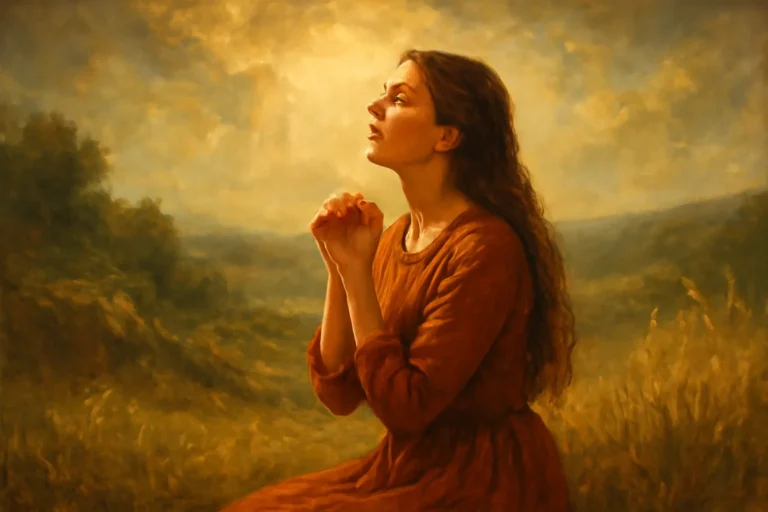

Introduction to a Psalm of David
The opening line of the Psalm commonly titled “To the chief Musician, A Psalm of David” invites readers into a liturgical and meditative encounter with the divine. This psalm, traditionally numbered as Psalm 139 in modern editions, stands among the most intimate expressions in the biblical canon. Its opening cadence—addressed to the chief Musician and framed as a psalm of David—signals a dual purpose: it is both a devotional prayer and a public song meant for communal worship. Throughout its five or six stanzas, the text moves with remarkable motion between private, inward reflection and outward, cosmic vision. The language blends lucid personal petition with awe-filled metaphors about God’s knowledge, presence, and creative power.
In this long-form exploration, we will treat Psalm 139 as a theological mirror that reflects the character of God and the vocation of humans. We will trace how the psalm uses variations and semantic echoes of its core motifs—omniscience, omnipresence, sovereign will, and the sanctity of life—to build a framework for ethical living, worship, and spiritual formation. The aim is not merely to catalog phrases but to unfold the spiritual logic of a text that has shaped Jewish and Christian devotional life across the centuries. Readers will encounter repeated motifs stated in diverse ways, encouraging a richer, more nuanced understanding of what it means to live under God’s comprehensive knowledge and presence.
Historical and Liturgical Context
Authorship, Date, and Canonical Setting
Psalm 139 is attributed to David in its superscription, which identifies the author as that shepherd-king whose life and writings loom large in Israel’s memory. While ancient Jewish tradition and Christian reception both honor the text as a product of Davidic authorship, modern readers approach the psalm with an awareness that its language embodies a later rhetorical and liturgical period as well. The psalm’s placement within Psalter collections—often within a sequence of prayers about God’s acts in history and in the innermost circle of human life—places it in a position to guide the heart before God in both private devotion and public praise.
The phrase “To the chief Musician” underscores the psalm’s intended use in temple worship and the ceremony of singing. The term “chief Musician” points to organized musical leadership, suggesting that the psalm’s power is amplified when chanted or sung within a gathered community. In oral and liturgical cultures, songs become vessels for theological truth; they encode the texture of faith in a way that can be remembered, taught, and passed down through generations.
Liturgical Function and Theological Purpose
The psalm functions as a devotional refrain that equips worshipers to approach God with honesty and reverence. Its design blends confession, petition, praise, and meditation. The opening and closing climaxes are deliberately symmetrical: God’s exhaustive knowledge and pervasive presence are not abstract metaphysical claims but foundations for trust, obedience, and ethical living. In liturgical settings, the psalm provides a template for the community to confess sin, seek divine guidance, and celebrate God’s intimate involvement in even the most private corners of life.
The Theological Core: Omniscience, Omnipresence, and Sovereignty
Divine Knowledge: Omniscience as Personal Intimacy
A central thread is the claim that God has searched me and known me, not as a distant observer but as a personal discerner who understands the directions of the heart. The psalmist declares that God knows every intention, every step, and every motive before the words leave the tongue. This is not a sterile catalog of facts; it is a summons to self-awareness in light of divine scrutiny. The language makes a leap from information to relationship: to be known by God is to be invited into a deeper, more honest self-examination.
Divine Presence: Omnipresence in Time and Space
The psalmist moves from knowledge to presence, asking, “Where can I go from your Spirit? Where can I flee from your presence?” This formulation signals a fundamental truth about life before God: no place is truly hidden, no action wholly hidden. The variations of this thought—occasionally phrased as “If I rise on the wings of the dawn” or “If I settle at the far side of the sea”—convey the breadth of God’s presence across every conceivable horizon. The psalm thus becomes a meditation on divine omnipresence, inviting the worshiper to respond with trust, humility, and awe.
Divine Sovereignty: Craft, Purpose, and Providence
The psalm’s second major axis concerns God’s sovereign craftsmanship in human life. Verses that speak of knitting together parts of the body in the womb—“you formed my inward parts; you knitted me together in my mother’s womb”—reaffirm the sanctity of life and the intentional design behind every person. This theme broadens into a broader conviction: human life is a mystery woven by God’s purpose, so human beings are called to steward their lives with care, gratitude, and ethical responsibility.
Verse-by-Verse Thematic Exegesis: The Semantics of Psalm 139
To appreciate the breadth of Psalm 139, it helps to reflect on its major clusters of thought and then to listen for the variations in language that carry similar theological freight. Below, we explore the main thematic blocks, using variations of the Psalm’s language to illuminate its enduring message.
-
Verses 1–6: Divine Knowledge as Personal Discourse
The psalm opens with a declaration that God has thoroughly searched and known the speaker. The language shifts between the accuracy of God’s knowledge and the astonishment of the speaker. In one semantic variation, we read: “You know when I sit and when I rise; you perceive my thoughts from afar.” The sense is not merely cognitive accuracy but relational intimacy: God’s knowing presence penetrates the private chambers of life.
-
Verses 7–12: The Impossibility of Escaping God’s Presence
The rhetorical questions invite readers to imagine infinite horizons of flight, only to be answered by the conviction that God’s Spirit and presence extend beyond every boundary. A semantic variant might be phrased as: “Where can I flee from your Spirit? If I could travel to the wildest corner of the earth, your presence would meet me there.” This section emphasizes the moral and spiritual implication: one cannot escape God’s scrutiny, nor should one desire to, because God’s alignment with righteousness is the true source of safety and guidance.
-
Verses 13–16: Divine Creativity and the Womb
The text then speaks of providential design and intimate care in the formation of life: “You formed my inward parts; you knitted me together in my mother’s womb.” A semantic variation emphasizes the artistry of creation: “Before I existed, your hands prepared me; every thread of my being was woven with purpose.” The verse range moves toward a confession of wonder: life as a divine masterpiece, with complex and precious design that warrants reverence and protection.
-
Verses 17–18: Precious Thoughts and the Magnitude of God’s Counsel
The psalmist exclaims the preciousness of God’s thoughts toward the petitioner, a statement that echoes human longing for meaningful companionship with the divine. A paraphrase might read: “How dear are your plans for me, O God! How vast is the sum of them beyond my counting.” This section emphasizes gratitude and humility before a cosmic mind that orders reality with wisdom and benevolence.
-
Verses 19–24: Ethical Alignment, Prayer for Reform, and Moral Judgment
The closing segment shifts from contemplation to ethical petition: the speaker prays that God would judge and reorient the speaker’s thoughts and actions toward righteousness. Variations of this move underline a longing for divine examination that yields repentance, justice, and obedience: “Search me, O God, and know my heart; try me and know my anxious thoughts.” The psalm ends with a plea for divine guidance in eliminating any wicked way and directing the heart toward the enduring way of life.
Semantic Variations Across Translations and Traditions
Across Jewish and Christian traditions, Psalm 139 has been rendered in multiple translations that preserve the core truths while shifting nuance. Some variations emphasize the intimate family language of creation; others highlight the universal scope of God’s rule. The central claims—God’s exhaustive knowledge, unbounded presence, creative sovereignty, and moral accountability—appear in diverse registers, yet with the same spiritual power. The semantic breadth of Psalm 139 invites readers to notice how different phrases capture the same reality: to live under God’s gaze is to live with responsibility, humility, and hope.
Theological Implications for Ethics, Worship, and Spiritual Formation
Ethical Living Under God’s Knowledge
If God truly knows the heart and the hidden motives of every person, then transparency before God becomes a radical virtue. The psalm’s insistence on thorough knowledge invites believers to cultivate integrity in speech, motive, and action. A practical consequence is a life oriented toward repentance and reconciliation, rather than spiritual posturing. When the Psalmist prays, “Search me, O God, and know my heart,” it is an ethical invitation to honesty: confession as a spiritual practice, not a mere ritual.
Worship as an Encounter with Divine Presence
The exhortation to worship—broadened by the text into a sense of God’s pervasive presence—transforms private devotion into communal praise. The psalm’s presence language shapes liturgical norms: songs become vehicles for equipping believers to live in light of God’s nearness. In worship, the truth of God’s omnipresence becomes not fear of surveillance but comfort in companionship, a dynamic rest in the assurance that God walks with the community through all seasons.
Life, Creation, and the Sanctity of Human Beings
The verse about forming me in the womb constitutes a foundational affirmation of the sacredness of human life. The idea that God knitted together every human being in the most intimate moment of existence challenges every impulse toward dehumanization or instrumental thinking. The psalm then invites its readers to steward life with reverence, to respect persons as outcomes of divine artistry, and to recognize that every person bears the image of God in unique ways.
Psalm 139 in Worship, Prayer, and Liturgy
The psalm’s influence on worship is broad and enduring. In many Christian traditions, Psalm 139 is used in confession and assurance liturgies, in baptismal preparation, and in personal prayer times. In Jewish liturgy, the psalm’s themes of God’s nearness and knowledge resonate with liturgical expressions of awe, gratitude, and ethical commitment. The variations in language across translations enable congregations to hear familiar phrases with fresh emphasis—some emphasizing God’s intimate knowledge of the heart, others stressing the universal reach of God’s presence.
- Personal prayer and meditation: A daily practice of letting God inspect the heart, then surrendering to guidance and transformation.
- Confessional worship: A communal act of repentance and renewal, acknowledging that nothing is hidden from God’s gaze.
- Liturgical settings: Use in psalms services, choral arrangements, and congregational singing to cultivate reverence for God’s nature and acts.
- Theological education: A text for teaching about God’s attributes—omniscience, omnipresence, sovereignty—and their bearing on ethics and identity.
Educational Applications and Seminary Reflection
In educational settings, Psalm 139 serves as a cornerstone for discussing the relationship between divine knowledge and human responsibility. Students can examine how the psalm’s claims interact with topics such as providence, free will, and moral accountability. A helpful approach is to compare Psalm 139 with other biblical passages that speak of God’s knowledge or presence, such as Jeremiah’s call and the New Testament affirmations of God’s Spirit guiding the conscience. The goal is not a prescriptive doctrine alone but a living invitation to trust in God while living openly before Him.
Contemporary Relevance: Spiritual Formation and Interfaith Discourse
Psalm 139 speaks across centuries and faith traditions due to its universal themes: the longing to be known, the desire for nearness to the sacred, and the call to live with integrity before a moral universe. In today’s pluralistic and complex world, the psalm can function as a bridge in interfaith dialogue around the sacredness of life, the dignity of the person, and the reality of a transcendent order that orders human history. While the theological conclusions may differ across communities, the psalm’s insistence on accountability to a higher standard remains a common ground for respectful dialogue and shared moral reflection.
Practical Reflections for Individuals and Communities
Below are practical avenues for applying Psalm 139 in daily life, in families, and within faith communities. They serve as concrete steps toward embodying the psalm’s core messages.
- Quiet confession: Set aside time to reflect on God’s knowledge of your heart and actions, inviting reconciliation and renewal.
- Mindful presence: Practice awareness of God’s nearness in ordinary activities—work, travel, and study—as a spiritual discipline.
- Creativity with purpose: Recognize that each person is a unique creation of God, designed for meaningful work and responsible stewardship.
- Compassionate accountability: Build communities of accountability that help individuals grow in truthfulness, humility, and love.
- Worshipful imagination: Use psalm-based liturgies as templates for songs, prayers, and meditative readings that renew faith and hope.
Interfaith and Scholarly Engagement with Psalm 139
Scholars and theologians across faith communities frequently examine Psalm 139 to explore how ancient wisdom speaks to modern questions about identity, belonging, and divine-human relationship. The text’s insistence on a God who knows intimately and who is present everywhere invites discussions about accountability, dignity, and the moral responsibilities of believers in society. In interfaith conversations, Psalm 139 can be a touchstone for highlighting shared convictions about the sanctity of life, the moral authority of God, and the importance of ethical living in the light of divine presence.
Artistic and Musical Expressions Inspired by Psalm 139
Across centuries, poets, painters, and musicians have drawn on the themes of Psalm 139 to create artworks that visualize the invisible depth of divine knowledge and presence. The psalm’s imagery—divine knitting in the womb, the reach of God’s presence to dawns and seas, the exhortation to declare God’s deeds—lends itself to symbolic representations in music, visual art, and theater. In contemporary settings, composers may set a paraphrase of verses 1–6 or 13–16 to music that underscores the tenderness of creation or the power of divine discovery.
Conclusion: The Eternal Mirror and the Call to Trust
The Psalm of David, addressed to the chief Musician, ends not with a swift doctrinal summary but with an ongoing invitation: to live under the light of God’s exhaustive knowledge and pervasive presence, to honor the God who consciously designed life, and to pursue a path of integrity, mercy, and praise. The variations of Psalm 139—whether read as a meditation on omniscience, a proclamation of omnipresence, or a declaration of creative sovereignty—reaffirm a single, glorious reality: the God who knows us fully loves us wholly. The call on readers remains urgent and hopeful: let the heart be opened to divine scrutiny, let the life be guided by divine instruction, and let worship rise as a natural expression of an intimate, real relationship with the God who is both beyond and within all things.