
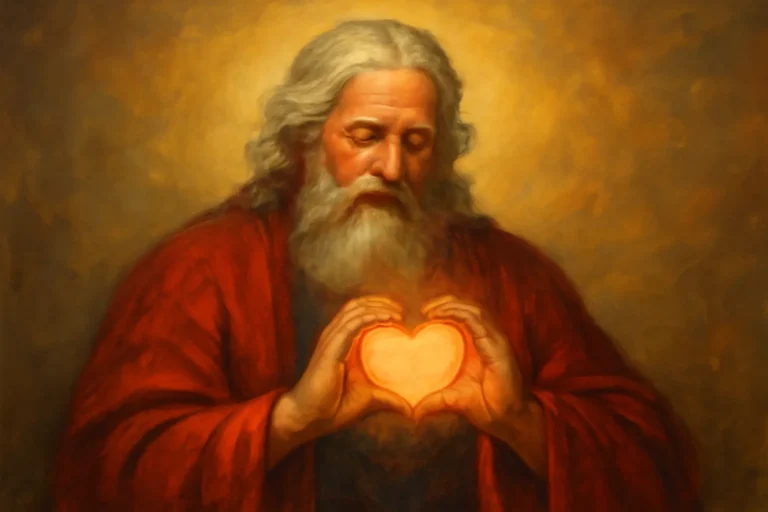
The Infinite Love of God: An Everlasting Mystery and Gift
Divine love is not a sentiment that waxes and wanes with the passing seasons of human experience. It is an eternal reality that precedes and informs every form of affection in creation. In Christian theological reflection, as in many religious traditions, the infinite love of God is both the ground and the goal of life: the ground because all beings originate in that love, and the goal because human longing for fullness of life finds its true telos in being loved by the Creator. This article seeks to unfold the many dimensions of God’s love—how it is defined, how it is experienced, how it interacts with justice and holiness, and how it shapes worship, ethics, and hope for the future. The aim is not to exhaust the mystery but to illuminate its contours for thoughtful readers who seek theological clarity joined with practical insight.
In speaking of the infinite love of God, we encounter a language that stretches beyond ordinary human experience. The Bible, philosophical theology, and lived faith traditions all strive to translate this vast reality into accessible categories. Yet even as we employ categories—agape, hesed, amor Dei, rakam, al-hubb al-lāهi—these terms point to a presence that transcends any single expression. The infinite love of God calls forth a response: trust, obedience, worship, compassion, and a renewed imagination for how human beings might reflect that love in a world scarred by conflict and pain. The journey through this subject invites humility, reverence, and a careful balance between awe and responsibility.
The Concept of Divine Love Across Traditions
While this article centers on a Christian theological framework, the idea of divine love resonates across religious traditions in ways that illuminate common longing for benevolence, mercy, and communion with the sacred. In Judaism, love is often described through covenant language—chesed (steadfast love, loving-kindness) that binds God to Israel and Israel to God. In Islam, the name of God includes expressions of mercy and compassion—Rahmān and Rahīm—which scholars read as a reminder that divine mercy permeates creation and history. Each tradition offers a vocabulary that helps believers encounter the infinite love from different angles, while the core conviction remains that God’s love is all-encompassing, trustworthy, and transformative.
Within Christian discourse, the central articulation is the conviction that God’s love is self-given and self-revealing. It is not a property confined to sentiment; it is a dynamic power that creates, redeems, sustains, and perfects. In this sense, the love of God is both pervasive and particular: it fills the cosmos and also comes near to the individual heart in moments of trial, joy, and decision. The aim of this section is to map the parallels and distinctions among traditions while maintaining a rigorous attention to what is unique and distinctive in the Christian account of the infinite love.
- Divine love as covenantal commitment: love that binds God to people and people to God.
- Divine love as mercy and grace: unearned benevolence extended toward the undeserving.
- Divine love as moral formation: love facilitates transformation toward holiness and justice.
Defining Infinite Love in Theology
The phrase infinite love signals both magnitude and transcendence. It points to a love that is without limit, never exhausted, and perfectly aligned with the good. Yet theologians insist that this infinite love is not distant; it is personal, relational, and engaged in history. The following subsections sketch key theological orientations: how infinity and immanence meet, how love is expressed as covenant and charity, and how the idea of God’s love bears on human longing and responsibility.
Infinity and Immanence
The claim that God’s love is infinite does not mean that God is absent from the world. Rather, it asserts that the reach of divine affection exceeds all measurements and criteria humans can offer. At the same time, a Biblical and doctrinal emphasis on divine immanence insists that this eternal love comes near in concrete ways: in creation, in providence, in revelation, and supremely in the person of Jesus Christ. The mystery is that the boundless love can become incarnate without losing its majesty or its sovereignty. Christian theology often speaks of this as the paradox of God’s transcendent imminence: a love that fills the cosmos and yet enters into human history in particular ways.
Love as Covenant and Charity
Many theologians distinguish between different but related expressions of God’s love. Some highlight covenant love—an ongoing pledge that binds God to a people through time. Others emphasize charity (often translated as love that gives itself for the good of others) as the practical outworking of divine benevolence in the world. Yet these expressions are not rival; they illuminate different facets of a single reality. The covenantal dimension frames how God’s love shapes communal life, while the charitable dimension shows how that love enters into the social fabric, healing wounds and inviting reconciliation.
Biblical Foundations of God’s Love
The Bible offers a rich archive of imagery and language to describe the infinite love of God. From the early books of the Hebrew Scriptures to the apostolic writings of the New Testament, the testimony reflects a love that is persistent, faithful, and transforming. We explore two broad strands: the Old Testament witnesses to God’s chesed and steadfast affection, and the New Testament revelation of God’s love in Christ, culminating in a sacrificial act that becomes the center of Christian hope.
Old Testament Imagery of Love
In the Hebrew Bible, love is often described in terms of steadfast mercy, loyal commitment, and covenant fidelity. The term chesed (loving-kindness, steadfast love) recurs as a model for how God relates to Israel, even when the people fail. The love of God is not abstract sentiment but a relational force that moves God to act in merciful ways—delivering, sustaining, guiding, and defending. The Psalms, Prophets, and Wisdom Literature frequently present divine affection as the motive power behind creation, redemption, and the moral education of the people. This love is described as patient, enduring, and inseparable from God’s holiness.
Some representative motifs include:
- God’s steadfast love that endures forever (Psalm 136 is a litany of persistent mercy).
- God’s compassion that does not crush but cultivates life (Lamentations and Hosea emphasize corrective mercy).
- God’s covenant faithfulness that binds creation to a divine plan of restoration.
New Testament Realizations of Divine Love
The New Testament presents the love of God most explicitly in the person and work of Jesus Christ. The Gospels portray God’s love as a human life offered for others, a revelation of God’s heart in action. The apostle John writes of God’s love as the defining reality of God’s nature: God is love, and those who abide in love abide in God. The cross is the supreme symbol of divine affection: a victorious, self-giving love that conquers sin and reconciles estranged humanity to the Creator. The resurrection confirms that this amor Dei is not merely ideal but efficacious—capable of transforming individuals, communities, and history.
Key New Testament emphases include:
- The expression of agape as selfless, other-centered love that seeks the good of the beloved.
- Love as the fulfillment of the Law and the prophets (Matthew 22:37-40; Romans 13:8-10).
- Love as the mark of authentic discipleship—bearing fruit in moral character and communal harmony.
Philosophical and Theological Interpretations
Across historical periods, theologians have wrestled with how to articulate the infinite love of God in light of human experience, divine justice, and mystery. The following sketch highlights some classical and contemporary insights that help readers think more carefully about the nature and scope of God’s love.
Augustine on the Trinitarian Love
Saint Augustine, building on early Christian sources, emphasized that divine love is not a solitary attribute but a triune unity in which love is the very life of God. In his framework, the Father, Son, and Spirit mutually delight in one another, and this joyful communion overflows into creation as charity that invites creatures to share in that love. For Augustine, the goodness of love is inseparable from truth and beauty; love rightly oriented toward God becomes the shape of true happiness. The Infinite Love, in this account, is not merely a sentiment but the dynamic of eternal relationship within the Godhead that becomes the source of all benevolence toward creatures.
Aquinas and the Beatific Vision
Thomas Aquinas offers a comprehensive synthesis in which God’s love is inseparable from God’s goodness and wisdom. For him, love is the appetite of the good—yet God’s goodness is infinite, so God’s love also exceeds every finite measure. The beatific vision represents the full sight of God in which love is perfectly fulfilled. In this frame, divine love is not coercive but persuasive, drawing beings toward the summit of happiness. The relationship between love and knowledge—what we understand about God shapes how we love God and neighbor—becomes central. While salvation is not earned by works, the good life is a heartfelt response to the abundant love already extended by God.
Calvinist Perspectives
Reformed theology emphasizes the sovereignty of God and the free, unmerited nature of grace. The infinite love of God is not contingent upon human merit but flows from God’s eternal will and purpose. In Lutheran and Reformed streams alike, the love of God is actively at work to redeem and sanctify a people for divine purposes. The paradox often highlighted is that God’s unconditional love may be paradoxically experienced as both comfort and call: it invites believers into intimate relationship while also inviting them to live in fidelity, justice, and mercy in a broken world.
The Relation Between Love and Holiness
A common question asks how divine love and divine holiness relate. The answer in classic Christian theology is not that love erases holiness but that love perfects it. Love without holiness risks sentimentality; holiness without love risks cruelty and judgment. The infinite love of God is holy because it seeks the good in truth and justice, not merely personal affection. In this sense, God’s love is the motive power for moral reform and communal healing, while holiness provides the standard by which love discerns what is true, good, and beautiful. The ethical life, then, is the outward form of an inward love that seeks the flourishing of all creation.
The scriptures and tradition offer several emphases to keep these commitments in balance:
- Love motivates true repentance and humility before God.
- Holiness safeguards the dignity of creation and the integrity of the moral order.
- Mercy is not a substitute for justice but a channel through which justice becomes restorative rather than punitive.
Practical Implications: Love in Worship, Ethics, and Community
The reality of God’s infinite love should shape daily life in tangible ways. This section highlights practical pathways by which believers can reflect divine love in worship, ethics, and community, thereby making the love of God visible in a broken world.
Worship and Spiritual Formation
Worship that centers on the love of God invites believers to appropriate wonder, awe, and responsiveness. Practices such as prayer, liturgy, lament, and gratitude help form a heart that delights in God and serves others. In particular, a worship life that sings of agape as the standard of all relationships fosters humility, generosity, and fidelity. The aim is not mere emotional uplift but a holistic transformation that aligns the believer’s desires with the divine will.
Ethics of Love in Personal and Public Life
The ethical implications of the infinite love of God are profound. If God’s love creates and sustains every person, then a moral life must affirm the intrinsic value of every human being, reject exploitation, and seek justice for the vulnerable. Biblical love translates into concrete actions: care for the poor, advocacy for the voiceless, forgiveness extended to others, and a commitment to peace where there is conflict. Ethical living, therefore, becomes a practical articulation of divine love in community and policy.
Community and Mission
A community formed by the belief in God’s enduring love becomes a witness to hope. Mission, in this light, is not primarily about coercive persuasion but about inviting others into the joyful fellowship of God’s life. Service, hospitality, reconciliation, and generosity become hallmarks of a people who have encountered a love that never ends. The mission of the church or faith community is thus to embody love as a force for healing—educating, feeding, comforting, and empowering those who suffer.
The Experience of Love: How Individuals Encounter the Infinite
The experience of divine love is deeply personal yet rooted in the communal life of faith. People encounter God’s love through scripture, sacraments, prayer, nature, and the stories of others who have witnessed to a transformative encounter. The following reflections explore how believers might recognize, receive, and respond to the infinite love of God in everyday life.
Recognition: Signs of God’s Gentle Presence
A variety of signs may indicate the presence of divine affection in daily life. Some experience it as a persistent inner peace amid turmoil; others as an unexpected act of mercy that breaks through a hard surface of cynicism. Still others encounter the love of God in relationships that heal wounds, in acts of charity that restore dignity, or in moments of awe that reframe one’s priorities. The common thread is a felt sense that one is being drawn toward truth, goodness, and beauty that exceed mere human achievement.
Reception: Responding to God’s Love
Response to God’s infinite love takes many forms, including repentance, gratitude, and a life of service. The growth of faith often involves a shift from self-centeredness to a broader concern for others, a reorientation toward justice, and a cultivation of virtues such as patience, mercy, and humility. The aim is not to produce mere conformity but to nurture a mature love that can persevere through doubt, pain, and trials.
Transformation: The Fruit of Love
When humans are touched by the love of God, they typically bear fruit in personal virtue and communal generosity. The imagery of harvest—joy, peace, kindness, goodness, faithfulness, gentleness, and self-control—appears in many theological traditions as marks of being deeply loved and shaped by God. The infinite love thus becomes a creative force that re-forms desires, decisions, and relations, enabling believers to embody a more authentic humanity.
Love, Suffering, and the Problem of Pain
The presence of suffering in the world challenges simplistic accounts of God’s infinite love. Theologians have offered a range of responses that seek to honor both God’s benevolent nature and human experience. One common thread is the claim that divine love does not erase suffering but walks with beings through it, offering consolation, meaning, and the possibility of healing. The crucifixion narrative is often read as God’s love entering into human pain in solidarity, transforming it through perseverance into a pathway toward reconciliation and new life. This perspective does not minimize evil; it reframes it within a larger divine purpose that invites trust and courageous faith.
In practical terms, communities respond by:
- Providing compassionate care for those in pain and distress.
- Advocating for justice that addresses structural causes of suffering.
- Offering spiritual resources—prayer, words of hope, and rituals of lament—that accompany people through hardship.
Universal Scope and Particular Realities
A nuanced doctrine of God’s love recognizes both universality and particularity. On one hand, the love of God is described in universal terms, reaching to all creation and inviting every person toward reconciliation with the divine life. On the other hand, the Christian narrative emphasizes particular revelations—historic events, persons, and communities through which the divine love has been made known with clarity and warmth. Christians often say that while God’s love is for the world, it has a specific address in Jesus Christ, whose life and ministry reveal the full contour of divine affection.
This dual emphasis nourishes a balanced attitude: openness to all who seek truth and mercy, while also honoring the particular claims of faith communities that seek to bear witness to the love they have encountered in Christ. The universal scope of divine love does not negate particularity; rather, it anchors particularity within a larger horizon of hope that includes every people and culture.
Cosmic and Eschatological Dimensions
The infinite love of God is not exhausted by human history. It also holds the cosmos in its gracious purposes and holds out an eschatological future in which love conquers death and ushers in new creation. The biblical vision of a renewed heavens and earth, where streets are paved with peace and wounds are healed, presents love as an active, restorative force that transcends time. In this sense, divine love is not a sentiment confined to the present moment but a radical promise that shapes tomorrow. The hope of the Christian imagination is a future in which God’s love fully saturates all things, renewing relationships, institutions, and environments to reflect divine intention.
The eschatological dimension invites believers to align present efforts with the coming fullness of love: pursuing justice, practicing mercy, and cultivating worship that anticipates the reign of peace. Even in the darkest chapters, the conviction remains that God’s love endures, and that history is moving toward a climactic manifestation of divine tenderness that heals all wounds.
Love in Scripture and Creed: A Summary Map
To help readers navigate this vast topic, here is a concise map of recurring motifs and their practical import:
- Agape as self-giving love that seeks the good of the other above one’s own comfort.
- Chesed as steadfast mercy and loyal faithfulness in covenant faithfulness.
- Romantic and filial imaginations of love that personify divine justice and care in human terms, without reducing God to human attributes.
- The love of neighbor as the ethical continuation of divine love in the world.
- The Christ event as the decisive revelation of love embodied, crucified, and vindicated in resurrection.
- The Holy Spirit as the energizing force that enables believers to love as God loves.
Closing Reflections on the Infinite Love of God
The infinite love of God stands as one of the most compelling and challenging realities that faith can behold. It calls for reverence, imagination, and courageous living. It invites worship that deepens gratitude, ethical choices that reflect mercy, and communal life that embodies reconciliation. It also sustains hope in a world marked by fragility, because if love is truly divine in origin, it has the power to outlast despair and to heal what is fractured. The journey toward knowing and sharing this love is lifelong, filled with moments of clarity and mystery alike. Those who undertake it may find that their lives become confluences where heaven’s generosity meets earth’s needs.
In contemplating the infinite love of God, one is reminded that every creature bears the signature of love as a divine gift. This recognition yields a double duty: to receive with gratitude and to give with generosity. When communities anchor themselves in the conviction that love is the highest law, they cultivate a culture of hospitality, courage, and hope. The Infinite Love of God is not only a doctrine to be believed but a reality to be lived—an invitation to participate in a mission larger than any one life, and a promise that endures beyond hardship, division, and time itself.
Appendix: Common Terminology and Variants in Language
For readers who wish to track semantic breadth, here is a short glossary of terms frequently used to describe God’s infinite love, along with brief notes on their usage.
- Agape (Greek): love that is selfless, unconditional, and oriented toward the good of the beloved.
- Chesed (Hebrew): steadfast love, mercy, loving-kindness shown in covenant relationship.
- Amor Dei (Latin): the love of God, often used in patristic and medieval Latin theology.
- Rahmān/Rahīm (Arabic): merciful and compassionate, used in Islamic theology, highlighting mercy as a divine attribute.
- Charity (Latin: caritas): in Christian usage, love that seeks the good of the neighbor through tangible acts of generosity.
- Love of God as a running refrain in hymnody, scripture, and creedal formulations, often intended to sustain hope and motivate virtuous living.
Final Word: A Call to Embrace and Share Divine Love
The journey toward understanding and living out the infinite love of God is ongoing. It requires humility to acknowledge what one cannot fully grasp about the divine mystery, coupled with courage to act in ways that reflect love in the world. When communities are formed or renewed by this conviction, they become beacons of hope: places where the vulnerable are cared for, where forgiveness is offered and received, where truth is pursued with a posture of mercy, and where beauty—found in acts of justice, mercy, and reconciliation—becomes a shared pursuit.
In the final analysis, the message of the infinite love of God is less a theory to be mastered than a reality to be experienced. As you engage with scripture, tradition, and prayer, may you encounter a love that does not abandon you, a love that invites you to participate in the healing of the world, and a love that promises a future in which all things are made new. May this divine love become your own motive, your own comfort, and your own mission—to love others as you have been loved by the Source of life itself.