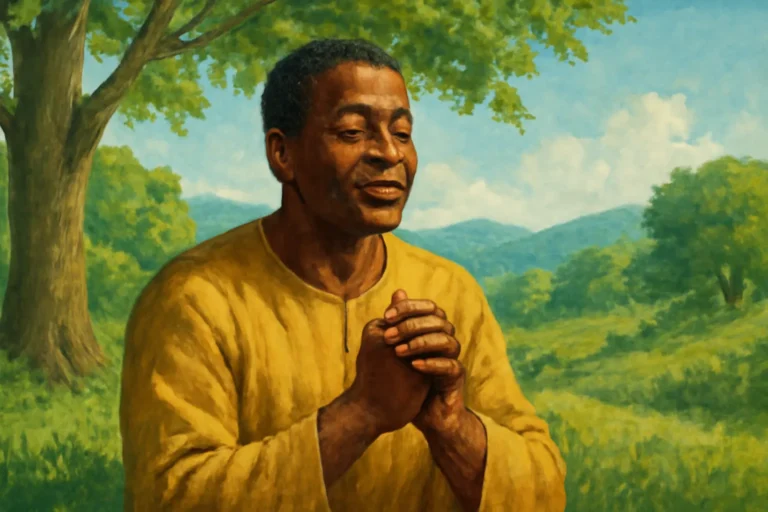

In His Presence: Experiencing God in Daily Life
In His Presence is more than a momentary feeling or a warm sentiment. It is a lived orientation toward the divine within the ordinary, a reality that believers seek and describe in myriad ways across time and tradition. This article offers a broad, theologically grounded exploration of how a person can cultivate awareness of God’s presence in everyday routines, relationships, work, and inner life. It attends to devotional practices, interpretive frameworks, and practical steps that help a person move from information about God to intimate experience of the divine nearness. The aim is not to replace faith with technique, but to widen the channels through which a heart might encounter the living God in the here and now.
Theological Foundations: What does it mean to experience the divine presence?
What does the phrase “presence of God” signify?
Across biblical and theological traditions, presence conveys more than spatial proximity. It encompasses the idea of companionship, covenantal relation, and intentional awareness of the sacred. When we speak of the divine nearness, we are describing a reality in which God is not distant but intimately engaged with creation. In this sense, feeling the presence of God is not merely an emotional sensation; it is a substantive acknowledgment that God is acting, speaking, guiding, or comforting in the moment. The goal of spiritual practice is to align the heart so that this presence becomes recognizable and responsive in daily life.
Scriptural anchors for the sense of the divine
Many traditions anchor the experience of God’s presence in sacred texts and liturgical memory. The Psalms repeatedly invite the faithful to seek God’s face, to taste and see that the Lord is good, and to walk in the light of the Lord. The New Testament presents the Spirit as a counselor and a comforter who dwells within believers, enabling intimate communion with the Father through Christ. The sense of God’s presence in daily life can thus be understood as a real, ongoing relationship rather than a one-off event. When we read narratives of companionship with God—whether through pilgrims like Abraham or through the intimate prayers of Jesus in Gethsemane—we learn that daily life is a terrain where God’s nearness can be discerned and trusted.
The relationship between presence and vocation
Encounter with the divine in the everyday has vocational implications. The sense of being in God’s presence often shapes decisions, affections, and responsibilities. It invites a posture of stewardship: stewarding time, talents, relationships, and creation in light of God’s nearness. To sense the divine is not to escape work or neighborly obligations; it is to bring a spiritual lens to ordinary tasks, so that even routine labor becomes a form of worship or service. Theologically, this is rooted in the conviction that God is active in history and that human life participates in God’s ongoing purposes when people cultivate attentiveness, discernment, and obedience.
Practices that open the heart: pathways to experiencing God in daily life
Daily quiet time and reading sacred scripture
A foundational practice for many believers is a deliberate rhythm of quiet time that centers attention on God through Scripture, reflection, and stillness. The routine itself becomes a sign of trust: you come to the quiet with an inner invitation to God to speak and to shape the day. In this context, scripture is not only information to be learned but a doorway into encounter. The confluence of word and Spirit can awaken the heart to the immediate presence of the divine. When the text resonates, the sense of God’s presence can feel tangible, as if a veil thins and a pathway opens between the eternal and the present moment.
- Select a consistent time and place — a space where distractions are minimized.
- Begin with a brief prayer asking to be open to God’s nearness.
- Read a short passage slowly, asking: What is God saying to me today? How might I respond?
- Journal a few lines about the sense of presence felt during reading or prayer.
- Close with gratitude, and carry a posture of listening into the day.
Prayer as conversation: speaking and listening
Prayer is traditionally understood as more than speaking to God; it is a two-way street of communication where listening shapes the experience of God’s presence. In daily life, prayer may take many forms — spontaneous intercession for others, gratitude for small mercies, or contemplative silence in which the heart rests in God. The dynamic of listening is essential for perceiving the divine nearness. When distractions are quieted, the voice of the Spirit can feel like a gentle assurance, a nudge, or a deep inner peace that aligns the soul with God’s purposes. In this sense, experiencing the divine presence through prayer can take on a felt sense of companionship in the most ordinary moments.
- Set intentional pauses: brief prayers at the start of tasks, transitions, and meetings.
- Practice breath prayers: short phrases you repeat with the rhythm of your breathing to center attention on God.
- Include intercession for others, which often expands your awareness beyond self toward the needs of the world.
- Journal any impressions you sense during prayer to cultivate memory and discernment.
Worship, silence, and attentive listening
Worship broadens the sense of God’s presence beyond private prayer to the gathered and the scattered life. This includes immersive experiences such as liturgical rhythms, hymns, and instrumental music, all of which can usher the heart into awe and gratitude before the divine. Silence is not empty space but a space for God to inhabit. A disciplined silence — brief, regular, and intentioned — can heighten sensitivity to the subtle movements of Spirit. In such moments, people often report a quiet assurance or a divine nearness that is less about sensation and more about a trusted knowing: God is with me and for me in this very moment.
- Include a short period of silent reflection after Scripture or prayer.
- Use worship songs or hymns as anchors that reorient the heart toward God’s presence.
- Let silence be a companion in busy days, especially during commutes or routine chores.
Mindful living and the theology of daily life
To live mindfully in the sense of the divine presence is to recognize that God’s nearness can be experienced in time-bound, ordinary acts—preparing a meal, greeting a neighbor, tending to a plant, or solving a problem at work. This awareness is not escapism but a robust belief that the sacred intersects with the mundane. It invites a shift from a divided life (sacred and secular) to a unified life in which all activities can become a form of worship or service when performed with a grateful attitude and a sense of God’s presence guiding decisions.
- Practicing gratitude daily helps discern a divine touch in ordinary events.
- Framing tasks as acts of stewardship invites God into work and leisure alike.
- Develop a simple symbol or phrase that reminds you of God’s nearness during the day.
Experiencing God in the Ordinary: how the divine presence meets daily life
In the home: family rhythms and daily encounters
The home can be a sanctuary where the sense of the divine presence becomes a daily experience. Family rituals, shared meals, and acts of service toward one another become occasions to sense God’s nearness. The daily routine — waking, feeding, cleaning, teaching, listening, comforting — can be transformed into moments of encounter when the hearts of family members are opened to God’s presence. Household prayers, blessing rituals, and scripture readings at the table can become invitations to remember that God is with you as you navigate the joys and trials of family life. In such contexts, the feeling of God’s presence often emerges as a quiet confidence that you are not alone in the craziness and sweetness of home life.
In work: vocation, ethics, and the witness of daily labor
For many, work is not a separate sphere but a primary context in which to experience the divine presence. When one brings integrity, patience, and care into professional tasks, the work becomes more than a means to earn a living; it becomes a place of encounter with God. The sense of God’s nearness can appear as a steadying influence during chaotic days, a guiding voice when decisions feel ambiguous, or a disciplined motivation to pursue excellence for the sake of others. In this sense, work becomes a vocational school where character is formed and trust in God’s guidance grows. The presence of God can illuminate ethical choices, inspire teamwork, and foster a climate of honesty and generosity within any organization.
On the move: travel, service, and mission in daily life
Travel and service require a portable spirituality. When a person travels or serves others, opportunities arise to practice hospitality, generosity, and patient listening. The presence of God in these moments often manifests as attentiveness to the needs of strangers, an openness to learning, and a sense that a larger Story is at work beyond personal preferences. The development of a flexible, humble, and compassionate posture helps a traveler recognize the divine footprint in unexpected encounters, which sustains the sense that God’s presence travels with you wherever you go.
Obstacles, discernment, and the honest pace of spiritual growth
Common obstacles to sensing God’s presence
Several obstacles can impede the perception of the divine nearness. Busyness, cynicism, fear, guilt, and spiritual fatigue can dull the interior senses. A cluttered schedule often leaves little room for receptivity. Discernment becomes essential to distinguish genuine divine prompting from mere wishful thinking or emotional longing. Recognizing these challenges is not a failure but a necessary step in cultivating a more reliable and mature life of faith. The inner life requires patient practice, honest confession, and regular reliance on trusted communities that encourage spiritual growth rather than merely praising personal experience.
Discernment and testing the felt sense of God’s presence
Discernment involves testing the felt sense of God’s presence against Scripture, communal wisdom, and the fruits of life and love. If a perceived prompt leads to harm, deception, or injustice, it should be weighed with caution. Conversely, if a sense of peace, mercy, and alignment with God’s character emerges, it may be a sign of authentic divine activity. The practice of discernment is relational: it grows in conversation with mentors, peers, and a robust theological framework that keeps one tethered to the core commitments of faith, hope, and love.
Stories of encounter: testimonies of the divine presence in daily life
Testimony 1: A morning rhythm that became a lifelong practice
A mother in a busy household began each day with a short Scripture reading and a whispered prayer for strength. Over time, she described a recurring sense of God’s nearness as the house woke up around her. It was not a loud thunderclap but a steady assurance that helped her parent with gentleness and patience. This daily practice grew into a family habit, then into a personal witness she shared with others, illustrating how feeling the presence of God can become contagious, shaping a whole family’s culture of faith.
Testimony 2: A worker’s quiet conviction in the midst of a tough assignment
In a high-pressure role, a colleague found that brief, focused prayers before meetings created a calm anchor. As deadlines approached and tensions rose, the sense of divine presence provided steadiness, clarity, and ethical firmness. Colleagues noticed the difference: decisions reflected integrity, and collaboration improved. The experience suggested that sensing God’s nearness is not about escaping pressure but about responding to it with a worldview shaped by grace and truth.
Testimony 3: Hospitality as a doorway to encounter
One family opened their table to neighbors who felt lonely and unseen. The shared meals and sincere listening became a tangible sign of God’s love in action. In this setting, many participants reported a felt sense of the divine presence, especially when forgiveness and reconciliation entered conflicts. The story demonstrates how presence experiences can be relationally transformative, turning private devotion into communal ministry.
A practical framework for growing in His presence: steps you can take
A 14-day accelerator for daily awareness of God
The following sequence is designed to cultivate a sustainable pace for noticing the divine nearness without overwhelming the schedule. Each day adds a small, meaningful practice that builds toward a habit of sensing God’s presence in all areas of life.
- Start with a intentional peace prayer in the morning to invite God into the day.
- Read a short passage of Scripture and write one word that resonates with you about God’s presence.
- Practice a two-minute breath prayer during a commute or waiting moment.
- Offer one deliberate act of kindness to someone who needs it.
- Pause at noon for a brief gratitude reflection about God’s ongoing presence.
- Include a one-sentence journal entry about what you sensed God doing in the day so far.
- Ask for guidance before making a decision and wait in stillness for a moment.
- Sing or hum a simple chorus that centers your heart on God’s nearness.
- Invite a family member or colleague to share a moment of prayer or reflection.
- Engage a quiet moment at the end of the day to thank God for protection and provision.
- Notice one ordinary object as a sign of God’s care and record it in your journal.
- Practice mindful listening in at least one conversation, seeking to hear what the other person needs from God’s perspective.
- Read an inspirational passage about God’s presence and reflect on how it applies to today’s events.
- End the two-week period with a short worshipful moment that acknowledges God’s nearness in all you have learned.
Building a sustainable rhythm: weekly and monthly anchors
To extend the gains from the two-week plan, you can adopt these longer rhythms:
- Weekly anchors: a day of rest or Sabbath-like rhythm that emphasizes worship, gratitude, and relationship with God.
- Monthly anchors: a longer time of reflection and discernment about direction, work, and relationships, seeking a clear sense of God’s leading.
- Community anchors: regular participation in a community of faith where shared experience and accountability sustain the sense of God’s presence.
These anchors help transform the presence experience from a private moment into a lived reality that shapes choices, attitudes, and actions. The quotes of old and the insights of contemporary practice converge on a simple truth: God is near, and life becomes meaningful when you bring that reality into everyday decisions.
Cross-tradition reflections: how different Christian traditions speak of presence
In Catholic, Orthodox, and Protestant streams, the language for God’s presence may vary, but the underlying conviction remains: God desires to be known and to dwell with people. The Catholic tradition emphasizes sacramental presence—visible signs that convey grace—and invites believers to meet God in the liturgy, the Eucharist, and the sacramental life as a way of sensing the divine nearness. The Orthodox tradition emphasizes theosis, or union with God, through continual prayer, hesychia (inner stillness), and liturgical beauty, underscoring that God’s presence is experienced through a life of prayerful worship and passable beauty. Protestant traditions often stress the personal Holy Spirit’s work in the heart, with a focus on Scripture, prayer, and personal conscience as channels for encountering the living God. Across these streams, the recurring invitation is to trust that God’s presence is accessible in ordinary moments, if the heart remains open and the life ordered toward God’s purposes.
Guided steps for a life oriented toward presence
Inner formation: cultivating the “eyes of the heart”
To truly sense God’s presence, interior formation matters as much as external practice. This means cultivating humility, hope, and love as dispositions that make one receptive to divine activity. It also involves the honest admission of need, vulnerability, and dependence on God’s grace. The more a person grows in these interior virtues, the more the felt sense of divine nearness can flourish, even in challenging circumstances.
Social formation: how your communities refresh perception
One’s social circle can either dull or sharpen awareness of God’s nearness. Community that embodies grace, accountability, and truth-telling can accelerate the perception of the divine presence. When friends, mentors, and church members live transparently in their longing for God, they encourage others to pursue humility, patience, and generosity—qualities that often accompany authentic encounter with God. In such environments, people learn to read life through a Scriptural lens, to interpret events in light of God’s character, and to act in ways that reflect the presence of God in daily life.
What to do when presence feels distant: sustaining faith during dryness
Strategies for perseverance
Seasonal dryness or spiritual dryness is a reality for many believers. It does not denote failure; rather, it invites renewed trust and disciplined practice. In these times, remember:
- Return to small acts of obedience and trust, even when emotions lag.
- Revisit Scripture passages that have historically connected you to God’s nearness.
- Seek guidance from spiritual mentors or communities that can offer encouragement without pressuring miraculous outcomes.
- Practice journaling to observe slow shifts in perception and sensitivity over time.
Dry seasons can become opportunities to learn how to lean more deeply into God’s faithfulness, recognizing that the sense of presence is not solely dependent on feelings but on the truth of God’s steadfast love and promise.
Conclusion: living in the ongoing reality of His presence
Experiencing God in daily life—feeling the presence of God in the ordinary, being aware of the divine nearness in work and home, and embodying faith through practical love—constitutes a shapeable, nourishing path for a life of faith. It is a pathway that invites a person to trust more deeply, to love more generously, and to act with greater integrity in all settings. The journey toward a consistent sense of the divine presence is not a hurried ascent but a patient, persevering cultivation of habits that awaken the heart to God’s nearness. Through Scripture, prayer, worship, and community, believers may learn to discern the Spirit’s leading, test and refine their understanding, and embrace the ongoing invitation to walk in God’s presence each day. In this sense, the life of faith becomes a continuous experience of being with God, rather than a distant aspiration awaiting perfect circumstances. The invitation remains open: to cultivate a life wherein every ordinary moment is touched by the extraordinary reality that God is with us, guiding, sustaining, and loving us as we live in daily presence with Him.