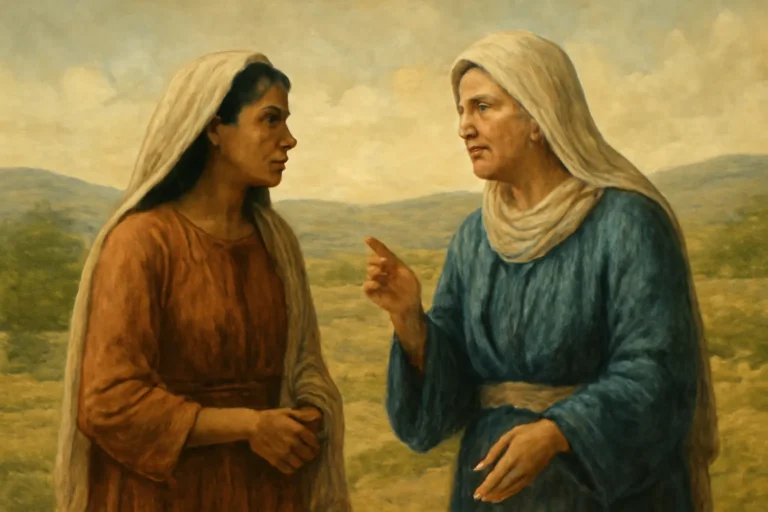

Genesis: Origin, Purpose, and the Shape of a Sacred Narrative
Genesis stands at the cradle of the Bible’s grand story. It is not merely a collection of ancient tales but a carefully braided narrative that introduces the creator, the purpose of humanity, and the first expressions of divine covenants that will echo throughout Scripture. In Jewish and Christian traditions alike, Genesis functions as a foundational text whose themes—cosmic beginnings, human vocation, moral responsibility, and divine faithfulness—recur as refrains across the biblical canon. The book does not simply tell us where we come from; it asks where we belong, how we relate to God, and what the terms of blessing and fidelity look like when tested across generations.
The scope of Genesis is comprehensive. It moves from the cosmic scale—creation and ordering of the world—to intimate, family-centered accounts—the ancestors Abrahams’ line, Sarah, Isaac, Jacob, and Joseph. Within that arc lie questions about sin, grace, covenant, and the presence of the living God in the everyday details of life: hospitality to strangers, the ethics of kinship, the management of resources, and the burdens and blessings that accompany divine promises. Reading Genesis well requires attention to both the narrative craft—the storytelling, chronology, and character development—and the theological intentions—the ways in which the text frames authority, blessing, and divine-human relation.
Genesis as Literary Structure: An Overview of the Narrative Segments
The book is commonly divided into two broad halves, though in many traditions these divisions are felt as more fluid than rigid chapter breaks. The first half emphasizes primeval history and the origins of the human condition, whereas the second half shifts toward the patriarchal narratives that set the stage for the people of Israel. A helpful way to map the book is through three concentric movements that reinforce one another:
- Creation and Fall (Genesis 1–11) — the cosmic origins and the spread of human cultures, culminating in the diverse languages of Babel.
- The Patriarchs (Genesis 12–50) — the calling of Abraham, the promises that flow through Isaac and Jacob, and the descent into Egypt through Joseph.
- Interwoven themes — themes of blessing and stewardship, risk and faith, the testing of loyalty, and the shaping of a people through covenantal speech and practice.
Within this architecture, Genesis functions both as a narrative and as a theological primer. It teaches that God is present at the origins of creation and in the daily lives of people who respond to that presence with trust, doubt, rebellion, repentance, and new beginnings. The ethics of Genesis emerge not from abstract rules but from relationships—between God and humanity, within households, and across generations. This focus on relationship, rather than mere law, marks a distinctive feature of Genesis and informs how later biblical writers read and reinterpret its episodes.
Genesis and the Canon: The Book’s Place in Different Orders
One of the most fruitful avenues for understanding Genesis is to consider how it sits within the broader shape of the Bible, which varies across traditions and canons. The ordering of the books does not alter the content of Genesis itself, but it does influence how readers encounter Genesis in relation to the rest of Scripture and how the book is framed in the mind of faith communities.
In the Hebrew Bible (Tanakh) Order
In the Hebrew Bible, also known as the Tanakh, the canonical order places Genesis as the initial book of the Torah, the Law. The sequence runs: Genesis, Exodus, Leviticus, Numbers, Deuteronomy, followed by the Prophets and the Writings. Within this arrangement, Genesis inaugurates the law that codifies the covenantal relationship between God and Israel, and it functions as the prologue to the legal and ritual material that follows in the Pentateuch. In this sense, Genesis is the theological and narrative doorkeeper to the Israelite law and liturgy that come in the pages of the next four books.
In the Septuagint and Early Christian Traditions
In the LXX, which is the ancient Greek translation of the Hebrew Bible widely used in early Christian communities, the Pentateuch remains the foundational block, with Genesis as the first book of the Law. However, the surrounding order and the arrangement of subsequent books can differ from modern Protestant Bibles. Theologically, Genesis is often read in light of the abundant intertestamental and early Christian interpretive traditions, and its placement interacts with the way the Law, the Prophets, and the Writings are understood in liturgical and catechetical contexts.
In Protestant Old Testaments
For many Protestant traditions, the Old Testament begins with Genesis and flows into Exodus, Leviticus, Numbers, and Deuteronomy, then continues with Joshua, Judges, Ruth, Samuel, Kings, Chronicles, and so on. This ordering aligns closely with the traditional Jewish arrangement of the narrative arc through the historical books, but the sequence of the non-historical writings (Poetry and Prophecy) is otherwise arranged according to later church debates about canon and pedagogy. In all these Protestant canons, Genesis remains the opening act, the book that introduces the biblical story’s center of gravity: God’s intent to bless all nations through one chosen line.
In Catholic and Eastern Orthodox Canons
The Catholic and Orthodox canons retain the core content of Genesis, but their ordering and inclusion of certain deuterocanonical or apocryphal books alters the surrounding context. In Catholic Bibles, Genesis still starts the Pentateuch, but the surrounding order of the Old Testament includes books like Tobit, Judith, Wisdom, Sirach, Baruch, and 1–2 Maccabees. While Genesis itself is not altered, the way its narrative is read alongside the broader theological discourse of the Church’s tradition—especially in patristic exegesis and liturgical usage—differs from the Protestant reading. In Orthodox canons, there can be even broader archival and liturgical differences, but Genesis remains the foundational origin narrative for the whole biblical storyline.
Across these variations, a common thread remains: Genesis is the book that inaugurates the biblical storyline of creation, fall, promise, and family-based vocation, and its place at the start of the Pentateuch or the Old Testament highlights its foundational status for biblical theology, worship, and moral reflection.
Major Theological Themes in Genesis
Any serious study of Genesis must engage with its central theological motifs. The book intertwines metaphysical questions about God’s nature with practical concerns about human life. Here are some of the major themes that scholars, clergy, and lay readers have identified across generations:
- Creation and Imago Dei — Genesis presents God as the Creator who brings order out of chaos. Human beings are made in the image of God, which bestows dignity, responsibility, and vocation. This anthropology grounds later moral teaching: humans are entrusted with stewardship of the earth and accountability before the divine standard.
- Providence and God’s Presence — The narratives insist that God is not distant; God engages with people in everyday moments—through dreams, visions, the voices of prophets, and the silent movement of events. God’s presence is a thread that binds the chapters together, even when the human response is flawed.
- Sin, Judgment, and Grace — The Fall, the Flood, and the scattering at Babel present a recurring pattern: human disobedience invites judgment, yet even in judgment, grace abounds. The Genesis record emphasizes mercy, intercession, and new beginnings rather than an endless cycle of doom.
- Covenant and Blessing — The concept of covenant emerges early with the creation of human beings, but it matures through the Abrahamic promises: land, descendants, and a universal blessing. This covenantal logic recurs and expands in later books as the people of Israel navigate faithfulness and failure.
- Faith, Righteousness, and Law in the Making — Abraham’s faith is counted as righteousness; righteousness in Genesis is not merely adherence to law but trust in God’s promises. The book tests obedience and trust, preparing readers for the later covenantal obligations that will define Israel’s life.
- Hospitality, Ethics, and Community — Several episodes center on hospitality to strangers, conflict over kinship, and the ethics of family life. These elements reveal how a community of faith lives out trust in God in concrete circumstances.
Throughout these themes, the book’s cadence—where testing and blessing are inseparable—encourages readers to see divine sovereignty and human responsibility as intertwined. The narrative arc invites contemplation of how divine promises fare in the presence of human agency, especially across generations and cultural shifts.
Chronology and Narrative Arc: From Creation to Joseph
Genesis unfolds in two major arcs that illuminate the continuity of divine purpose. The primeval history establishes the framework for human existence and divine-human interaction. The patriarchal saga then grounds the divine promises in particular families, revealing how blessing travels through these lineages despite climate, famine, exile, and repeated human faltering.
Creation, Fall, and the Spread of Nations (Genesis 1–11)
In the opening chapters, the text describes a good creation corrupted by human rebellion, leading to judgments that recalibrate humanity’s mission. The story of Adam and Eve introduces the moral tension between human freedom and divine command. The flood narrative reframes the problem of human violence and moral inertia, while the Tower of Babel episode explains the proliferation of language and cultural diversity as part of divine pedagogy for the human vocation. These chapters set the stage for how the rest of Genesis, and indeed the rest of the Bible, will understand sin, redemption, and the possibility of grace.
The Abrahamic Covenant and the Promise of Blessing (Genesis 12–25)
The central hinge of Genesis comes with Abram’s call and the covenant that reshapes his identity and destiny. The promise of land, descendants, and blessing to all nations recasts the fortunes of his household and anticipates the broader vocation of Israel and, in Christian interpretation, the mission of the Messiah. The binding of Isaac (the Akedah) in Genesis 22 is a pivotal moment where trust, obedience, and divine testing intersect in a way that has resonances in Jewish and Christian exegesis alike.
The Joseph Narrative: From Family to Nation (Genesis 37–50)
The decline and ascent of Joseph dramatize how God can work through human miscommunication, betrayal, and suffering to accomplish a larger good. The story moves from familial strife to national salvation as Joseph rises to power in Egypt and reconciles with his brothers. This section explains how the tribes of Israel eventually settle in Egypt and how the family’s survival becomes the seedbed for the exodus that the subsequent biblical books recount. The Joseph narrative also foregrounds themes of forgiveness, reconciliation, and the sovereignty of God over historical contingencies.
Ethical and Theological Questions in Genesis
Genesis raises perennial questions that continue to shape exegetical and pastoral discussions. How should a community of faith interpret prophetic calls and divine commands? What is the nature of trust and testing when the path forward is unclear? Here are several interpretive questions that scholars and spiritual readers often wrestle with:
- How does Genesis reconcile human freedom with divine sovereignty? The text presents humans who act with agency, yet the narrative repeatedly emphasizes God’s overarching plan and purposes. The tension invites readers to reflect on how grace can be at work even when human choices lead to brokenness.
- What counts as righteous faith? Abraham’s faith is celebrated, yet the text also shows moments of fear, deception, and imperfect obedience. This raises questions about the nature of righteousness and the role of trust in the formation of a faithful life.
- How is blessing shaped by lineage and geography? The promises to Abraham seem bound to land and kin, but the text also makes space for blessing to become a broader good for nations. The genealogy and migration motifs invite readers to connect personal faith with communal and global impact.
- What is the ethics of hospitality and kinship? Several episodes—Abraham’s hospitality to travelers, Lot’s decisions in Sodom, Jacob’s marriages and children—probe ethical boundaries within a fragile, developing moral order.
These questions do not merely belong to ancient scholarship; they inform contemporary preaching, teaching, and personal devotion. The way Genesis handles these issues can shape how communities interpret social ethics, family life, and our responsibilities toward the vulnerable and the foreigner.
Intertextual Echoes: Genesis in Dialogue with Other Biblical Books
Genesis does not exist in isolation. Its stories become lenses through which later biblical writers read contemporary events, understand the nature of God, and articulate the meaning of salvation. Here are a few key modes of intertextual dialogue:
- Gospel genealogies — The New Testament genealogies that trace Jesus’ lineage to Abraham and David echo Genesis’ opening promise: blessing to all nations through a faithful line.
- Prophetic reinterpretations — Prophets such as Isaiah and Hosea reinterpret Israel’s early origins to press calls for justice, mercy, and fidelity, often appealing back to Genesis as the starting point for covenant memory.
- Wisdom literature and poetry — The Psalms, Proverbs, and other Wisdom writings engage Genesis themes about wisdom, creation, and the order of the world, offering interpretations that harmonize with moral reasoning and liturgical life.
The interplay between Genesis and other biblical books demonstrates how a single canonical text can be a living source for theological reflection across time. The book’s place at the origin means it serves as a reference point, an anchor for identity, and a source of vocabulary for discussing the nature of God, humanity, and history.
Interpretive Approaches: Reading Genesis Across Traditions
Scholars, clergy, and lay readers approach Genesis from multiple angles. Each approach gives shape to how a community understands the text’s authority, meaning, and application. Here are common interpretive angles that scholars and churches employ:
- Literal-historical reading — This approach emphasizes the historical setting of Genesis and seeks to understand the narrative as a record of events in ancient Near Eastern context. It often engages archaeological data, textual criticism, and ancient linguistic studies to illuminate the text’s original meaning.
- Literary analysis — Treating Genesis as a work of literature, scholars examine its narratives, character development, motifs, and structure. This approach foregrounds storytelling devices, symmetry, and the way repetition and variation communicate theological messages.
- Theological and devotional reading — Aimed at producing spiritual insight and moral formation, this approach emphasizes how Genesis reveals the character of God, the vocation of humanity, and the nature of faith. It often includes meditative and liturgical applications.
- Midrashic and rabbinic interpretation — In Jewish tradition, Genesis is a focal point of midrash and talmudic conversation, where narratives are read for ethical instruction, legal inference, and spiritual meaning. Allegory, homily, and exegetical debates enrich the text’s contemporary significance.
- Christological reading — In Christian tradition, Genesis is read in light of the life, death, and resurrection of Jesus Christ. The promises to Abraham and the landscapes of faith are interpreted as types and foreshadowings of the gospel, with Genesis serving as the groundwork for Christian soteriology.
These approaches are not mutually exclusive; communities often blend them in catechesis, preaching, and study. The richness of Genesis lies precisely in its ability to yield multiple layers of meaning that speak to past generations and ongoing faith formation.
Genesis in Liturgy, Education, and Daily Faith
Genesis does more than tell stories; it shapes worship, education, and the rhythms of daily life in faith communities. Various practices around the book reflect its enduring influence:
- Liturgy and worship — In many religious communities, readings from Genesis are integrated into seasonal cycles, creation-centered prayers, and penitential liturgies. Creation songs, covenant celebrations, and stories of hospitality appear in sermons and hymnody.
- Torah readings and parashot — In Jewish life, the weekly Torah portion (parashah) frequently includes sections from Genesis, such as Bereshit (Genesis) and Noach (Noah). These portions guide communal memory, law, and education across the liturgical year.
- Religious education — Sunday schools, catechetical programs, and Jewish day schools often present Genesis through a combination of narrative reading, art, drama, and discussion. The aim is to help learners see the Bible as a coherent, living story that informs ethics and identity.
- Ethical formation — The book’s episodes about hospitality, charity, and justice are frequently turned into case studies for moral instruction, community service, and dialog about contemporary social issues.
In sum, Genesis remains a practical resource for preaching, catechesis, and devotion because it speaks about origins that matter to modern life: where we come from, who we are called to be, and how God acts when human plans falter.
Genesis Parallels with Contemporary Debates
Readers today often connect Genesis to contemporary questions about science, ethics, and social life. While the book is ancient, its questions remain urgent. Some of the key points of contact include:
- Creation and stewardship — Genesis invites reflection on humanity’s responsibility for Earth, ecological care, and sustainable living. The mandate to steward the creation resonates with modern environmental ethics and debates about climate justice.
- Human dignity and kinship — The claim that all humans bear God’s image informs ongoing discussions about equality, rights, and the dignity of every person, including vulnerable communities and minorities.
- Faith under pressure — The pattern of trust under pressure—Abraham’s journey, Jacob’s experiences, Joseph’s endurance—offers models for perseverance in times of uncertainty, displacement, or conflict.
- Ethics of family life — Gen 1–50 presents a complex tapestry of family dynamics, loyalty, deception, forgiveness, and reconciliation. These narratives can be read in dialogue with debates about marriage, parenting, and intergenerational bonds in modern societies.
Thus, interpreting Genesis in a contemporary frame does not require abandoning tradition but rather engaging the text with humility, asking what it meant in its original setting and what it might mean for current communities seeking moral clarity, spiritual depth, and hope in uncertain times.
Genesis as a Living Text: How It Informs Faithful Practice
Ultimately, Genesis invites readers to a form of engagement that is both intellectual and devotional. Its stories are not static relics; they are dynamic resources that shape worship, ethics, mission, and community life. Here are a few ways readers might practice with Genesis today:
- Study with reverence and imagination — Read the narratives closely, attend to the voices of the characters, and consider how the text’s imagery—light and darkness, land and sea, famine and plenty—speaks to human longing and divine provision.
- Practice hospitality and generosity — Echoing the Genesis motif of welcoming strangers, communities today can foster generous hospitality, social inclusion, and mutual aid that reflect the book’s ethical horizons.
- Engage with covenantal memory — Remembering the promises, the oaths, and the faithfulness of God helps believers anchor their own life in a tradition that emphasizes continuity, hope, and communal responsibility.
- Read with a view to mission — The blessing to all nations embedded in Abrahamic promise invites readers to consider how faith communities bear witness to God’s mercy and justice in a diverse world.
These practices show how Genesis remains a living text that continues to shape identity, ethics, and worship across communities and generations.
Conclusion: Genesis as the Seedbed of Biblical Faith
In its chapters—beginning with the creation of light, culminating in a tomb in Egypt, and weaving through a family’s saga—the book of Genesis offers a profound starting point for biblical faith. It introduces the covenant as a form of steadfast relationship between God and humanity, a relationship that grows with each generation and becomes the seed from which the rest of Scripture expands. Across the variations of national canons and liturgical traditions, the core message remains consistent: God initiates, shepherds, corrects, blesses, and invites a human partner to participate in the divine plan for creation. Whether read as literature, theology, or sacred history, Genesis remains indispensable for understanding who God is, who humanity is, and what God intends for the world.
As readers travel through the order of biblical books, whether one encounters Genesis as the first book in the Pentateuch, or as the initial piece of the Tanakh, or as the opening act in the Christian Old Testament, the text’s enduring power is evident. Its narratives form a compact history of faithfulness and failure, of promise proclaimed and promise tested, of exile and homecoming in the broader arc of Scripture. That is why the book continues to be studied, preached, memorized, and sung about in communities around the world—because the origins it portrays are not merely ancient history but a living invitation to relationship with the God who creates, blesses, and sustains all things.