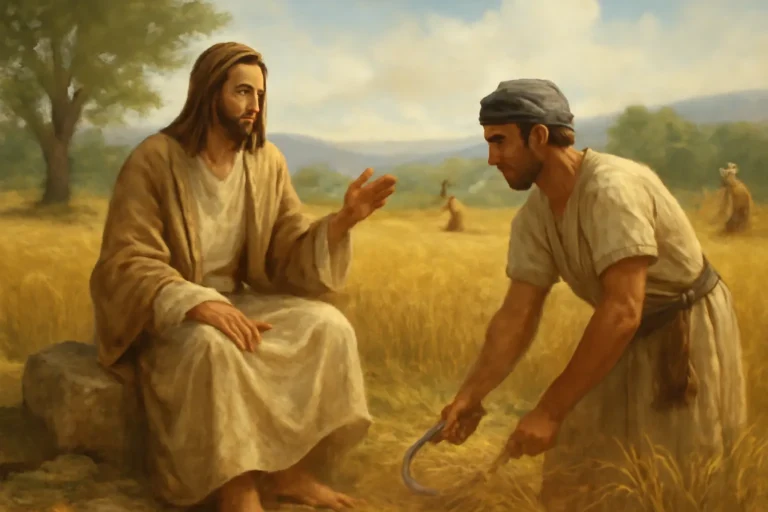

Foundations of Sabbath Living
Sabbath living begins with recognizing time as a divine gift rather than a human resource to be exploited. Across traditions, the idea remains remarkably consistent: a cadence of work and rest that reveals what matters most. The Sabbath is not merely a pause from activity; it is a deliberate
orientation toward the sacred. It invites us into a space where rest becomes a way of worship, and worship becomes a way of life. In that sense, the Sabbath serves as both a theological declaration and a practical discipline. It says, in effect: our lives are not only about production, but about belonging to the holy.
Theologically, the Sabbath is grounded in ancient texts that describe God resting on the seventh day and blessing that day as holy. The rhythm of creation, sanctified time, and communal memory converge in this one day or one sacred season. The Sabbath invites us to see our ordinary routines—meals, chores, travel, caregiving—as potential avenues for grace and attention. In practice, this means that Sabbath living is not a program of avoidance or withdrawal alone, but a deliberate reordering of priorities, so that relationships, nourishment, learning, and service can flourish in the light of rest.
Theological Foundations
Across the Jewish, Christian, and broader Abrahamic traditions, the Sabbath is framed as a gift and a calling. In Judaism, the Shabbat is instituted at creation and codified as a weekly form of holiness that encompasses covenant, justice, and delight. In Christianity, the Lord’s Day or Sabbath rest shifts in emphasis to the risen Christ and the gathered community, while maintaining the essentials of ceasing from labor and offering earnestly to God. In many faith communities, Sabbath is a practice that anchors belonging—bringing together worship, family, neighbors, and the creation in a single, well-timed rhythm.
Beyond dogma, the Sabbath remains a discipline of perception: a way to notice what is truly life-giving and what distracts. When we approach time with reverence, even ordinary tasks—like preparing a meal, reading scripture, or walking in a park—can be transfigured into acts of love, gratitude, and witness. The Sabbath, rightly understood, is less about rules and more about an orientation: a stance of trust, hope, and quiet reverence in the presence of the holy.
Designing Your Sabbath Practice
A practical Sabbath plan answers two questions: When will the sacred time occur, and how will the time be used? The best schedules are adaptable, culturally informed, and spiritually wired. They protect rest, nurture worship, and foster renewal. In the sections that follow, you’ll find a range of models—from a strict 24-hour Sabbath to a more fluid, intention-based rhythm—so you can adapt the practice to your context.
Choosing a Time Frame
The common frame is a 24-hour period reserved for rest, worship, and renewal. Some communities observe a day beginning at sundown on Friday and ending at nightfall on Saturday (the traditional Jewish Shabbat). Others mark a Sunday Sabbath in line with church calendars. Still others adopt a Friday-to-Saturday window, a Saturday-only rhythm, or a Sunday-to-Monday shift in workplaces with nontraditional hours. What matters most is consistency and intentionality.
Practical options include:
- 24-hour model: A full day of ceasing from ordinary work, with spaces carved for worship, family, rest, and hospitality.
- Partial Sabbath: A 12-hour or 6-hour portion carved out weekly for rest and reflection, repeated over the month as a sustainable rhythm.
- Seasonal Sabbath: A monthly or quarterly extended pause—an intentional mini-sabbath that accompanies slower seasons or retreats.
- Contextual Sabbath: A Sabbath adapted to household duties, caregiving responsibilities, and work cycles, preserving the core aims even when exact hours shift.
Setting Boundaries and Boundaries as Blessings
Healthy Sabbath practice often requires boundaries—clear distinctions that help the heart and hands disengage from ordinary labor. Boundaries may include turning off work notifications, delaying nonessential errands, or avoiding paid labor. They can also be relational: inviting family or friends to join in the rest, fasting from certain forms of entertainment, or reclaiming the kitchen for Sabbath-friendly meals.
A practical boundary statement might look like this: “During Sabbath hours, I cease all work-related communication, limit digital distractions, and adopt a posture of listening—to God, to others, and to creation.” This statement becomes a living covenant, not a legalistic rule. It preserves joy, invites accountability, and creates space for renewal.
Rituals of Rest: Practical Practices for Every Week
Restful practice does not have to be passive. A vibrant Sabbath includes intentional rituals that signal holiness, cultivate gratitude, and open space for delight. These rituals can be drawn from tradition or freshly imagined, but they should always serve a purpose: to orient the day toward worship, rest, and renewal.
In the Home
Home-centered rituals create a sanctuary in daily life. The following practices can be adapted to any household:
- Preparation meal before the Sabbath begins to slow the pace and set a table of blessing.
- Candle lighting and a short blessing or prayer to mark the transition into sacred time.
- Scripture or poetry reading aloud, paired with a time of reflection or a quiet walk.
- Music and song that lift the heart toward God, including hymns, psalms, or nature-inspired melodies.
- Hospitality: inviting others to share the table, a small gift exchange, or a note of encouragement to neighbors.
The home becomes a living sanctuary when ordinary chores—doing dishes, folding laundry, cooking—are reframed as acts of service and generosity. Delight in creation, gratitude for provision, and humility before the divine presence shape the atmosphere of the day.
In the Community
Sabbath life also thrives when it spills beyond the home into shared worship and service. Consider these communal expressions:
- Worship gatherings: corporate prayer, psalms, or liturgical readings that unite participants in a common posture of praise.
- Creativity and arts: printing a Sabbath-friendly bulletin for church or synagogue, sharing art, poetry, or music that reflects renewal.
- Service projects: acts of mercy or hospitality that serve the vulnerable, aligning rest with solidarity.
- Outdoor Sabbath: time in nature with a guided reflection or gratitude walk that connects the Creator with creation.
In both home and community contexts, the practice should resist the idea of Sabbath as “one more thing to do.” Instead, think of these rituals as gateways into a larger habitat of peace—habits that, once formed, reorient your days toward rest, worship, and renewal.
Worship as a Way of Life
Worship on the Sabbath is not only a weekly obligation but a way of aligning heart and mind with the divine reality that sustains all things. The aim is to devote the day to celebration and adoration, but also to examine one’s life in light of truth, love, and justice.
Corporate Worship
In many communities, corporate worship on the Sabbath gathers believers for prayer, scripture, and song. The exact form can vary widely—ancient prayers recited in a liturgical rhythm, contemporary worship with live music, or a quiet contemplative service. What remains essential is a sense of shared presence and a clarifying message: the Sabbath is a gift, and a responsibility to love God and neighbor.
To enrich corporate worship, consider these elements:
- Scripture readings that illuminate rest, justice, and mercy.
- Sacramental moments such as a shared meal, a blessing, or a minor ritual that marks the day.
- Public prayers that confess dependence on God and intercede for those in need.
- Reflection time after worship to name what the week has demanded and what renewal looks like for the coming days.
Private Devotion
Sabbath rest also invites private devotion that nourishes the soul. Personal practices can include quiet sitting, journaling, devotional reading, or imaginative prayer. The goal is not to manufacture piety but to cultivate a deeper awareness of God’s presence and a more generous imagination toward others.
Suggested private practices:
- Lectio divina: slow reading of a short passage, followed by reflection and a response in prayer or art.
- Gratitude journaling: listing without-ceiling gratitude for people, places, and provisions.
- Nature contemplation: a slow walk or garden sit, noticing signs of wonder and stewardship needs.
- Silent listening: a period of quiet listening for God’s voice or for the needs of others in the community.
Rest, Renewal, and Creation
The Sabbath engages three interwoven commitments: rest, renewal, and creation care. Rest is not mere inactivity; it is a deliberate surrender of labor in order to be replenished. Renewal involves spiritual, emotional, and relational healing. Creation care recognizes that to care for the earth is inseparable from how we honor the Creator and the abundance entrusted to us.
Rest as a Theological Practice
Rest on the Sabbath is a theologically charged act. It is a declaration that human beings do not live by productivity alone; we live by the grace of God, who provides, sustains, and invites us into restorative peace. Rest forms the soil in which longing, repentance, and joy can grow. It softens judgment, cultivates patience, and reframes the pace of life so that restoration becomes a shared enterprise rather than a private luxury.
Renewal Through Worship and Word
Renewal is awakened when the heart encounters the living God through Scripture, prayer, and communal witness. The Sabbath can be a weekly retreat from the friction of a busy world, a space where healing memories are released and new visions are planted. This renewal is holistic, touching body, mind, and spirit, so that individuals, couples, and families emerge with greater clarity and compassion.
Creation Care on the Sabbath
A distinctive aspect of Sabbath living is the care for creation itself. The rest day becomes a sanctuary for reflecting on our relationship with the natural world. Simple choices—reduced energy use, sustainable meals, protecting habitats, or walking instead of driving—can become prayers in action. By honoring the created order, we acknowledge the God who spoke worlds into being and entrusted us with stewardship.
Challenges and Practical Solutions
Sabbath living is beautiful in theory but can be difficult in practice. Modern life presses on us with work demands, technology, and the constant pull of availability. Below are common obstacles and practical responses that may help you stay faithful to the aims of rest, worship, and renewal.
Digital Boundaries
The digital realm often blurs the line between work and rest. A robust boundary strategy can include turning off nonessential notifications, scheduling a “digital sabbath” where devices are set aside for a defined period, or designating a technology-free zone in the home. If possible, create a Sabbath device rule—one that protects rest by limiting emails, news, or social media to prearranged times outside the sacred hours.
Digital boundaries are not a denial of connection but a discipline that restores focus. They free space for face-to-face conversation, deep listening, and contemplative prayer, all of which enrich worship and rest.
Family Dynamics and Caregiving
Families with young children, aging relatives, or demanding jobs may find Sabbath observance challenging. Creative solutions include rotating responsibilities across family members, sharing leadership of Sabbath meals, and Sabbath-friendly routines that preserve dignity for all involved. In caregiving contexts, Sabbath can still be observed through intentional pauses, respite, and shared rituals that acknowledge both need and grace.
The key is inclusion and flexibility. Sabbath is not a rigid cage but a flexible framework that honors the sacredness of time while acknowledging the inevitabilities of life.
Cultural and Communal Variations
Across cultures, the Sabbath has acquired distinctive flavors. Some communities emphasize quiet contemplation, others celebrate feasting and laughter; some observe strict prohibitions, while others embrace more inclusive forms of rest that accommodate modern work patterns. The important thing is to maintain the core purpose: to honor time as a gift, to delight in God, and to extend mercy to neighbors.
Sabbath Across Traditions: A Comparative Lens
The language and practices of the Sabbath vary, yet the central thesis remains similar: sacred time is set apart for God and for the flourishing of human beings. Here is a concise look at some broad emphases while keeping an eye on universal aims of rest, worship, and renewal.
Judaism
In Jewish practice, the Shabbat is a weekly covenantal moment that begins with lighting candles, blessing the day, and ceasing from ordinary work. Sabbath meals, songs, Torah study, and family time foreground holiness. Distinctive elements include a sense of delight in creation, a break from commerce, and a lot of hospitality. The rhythm culminates in the Havdalah ceremony that marks the end of the Sabbath and the return to ordinary time.
Christian Traditions
In Christian communities, the Sabbath or Lord’s Day has historically been associated with worship, Eucharist or communion, and communal prayer. Over time, it has also become a day for rest, family, and service—an invitation to see the entire week through the lens of Christ’s resurrection. Different denominations emphasize different aspects, but the underlying aim is the same: to reorient life toward God, rest the weary parts of the soul, and empower mercy toward others.
Other Faith Perspectives
Various faiths and spiritual movements celebrate sacred time in diverse ways. Some traditions emphasize inner stillness, others emphasize communal singing and communal meals, and others highlight acts of service as a form of worship. What unites these approaches is the conviction that sacred time becomes a conduit for transformation, shaping how individuals treat others and how communities bear witness to the divine.
Sabbath in Everyday Life: A 24-Hour and 12-Hour Models
For many people, a fully separate 24 hours of Sabbath is an aspirational goal. A more practical approach can be built around 12-hour or weekend-based models that preserve the core aims while fitting into busy schedules. A 12-hour model might include a focused window of rest from Friday evening to Saturday noon, with worship and family meals, then a lighter but still intentional Sunday afternoon rest. A weekend model could center on Friday evening through Saturday evening with the family and neighbors sharing meals, stories, and quiet time. The key is consistency and intentionality.
A sample 24-hour Sabbath plan might look like this:
- Evening transition: lighting candles, blessing the day, and a family meal that signals the shift from ordinary time to sacred time.
- Rest period: minimal work tasks, limited screens, and a focus on nourishment, sleep, and peaceful activities.
- Worship and study: a time of reading scripture, listening to music, or sharing devotional reflections with family or friends.
- Communal or neighborly connection: hospitality, a walk with a neighbor, or a brief service opportunity.
- Closing reflection: a short prayer for renewal and a blessing for the week ahead, followed by a quiet wind-down to reclaim ordinary time with gratitude.
A 12-hour Sabbath might map to: Friday sunset to Saturday noon, Saturday afternoon rest, and a brief, meaningful Sunday gathering that roots the week in Sabbath memory. An adaptable approach makes Sabbath practice accessible without diminishing its dignity.
Practical Tools and Resources for Sabbath Living
Building a sustainable Sabbath practice benefits from intentional tools and community support. Below are ideas to help you design, implement, and maintain a restful, worshipful, renewing rhythm.
- Schedule templates: a reusable calendar template with dedicated Sabbath hours, meal times, and worship windows.
- Prep lists: a weekly checklist for meals, chores, and clean-up to reduce Friday/Saturday stress and preserve Sabbath peace.
- Guest and hospitality plans: simple menu ideas and welcome rhythms to sustain generosity without overwhelming hosts.
- Music and liturgy playlists: curated songs, psalms, and prayers that frame the day without becoming distractions.
- Rest-promoting environment: a home space designed for quiet, with low lighting, comfortable seating, and minimal noise.
These tools are not coercive constraints but supportive scaffolding that helps the day “arrive” with grace rather than billing itself as a burden. The aim is to simplify so that rest becomes naturally appealing rather than externally imposed.
Conclusion: Living a Sabbath-Integrated Life
Sabbath living is a transformative practice that changes how one experiences time, relationships, and purpose. It is not a retreat from life but a sanctuary within life. By cultivating rest, worship, and renewal, individuals discover greater clarity about priorities, a more generous spirit, and a steadier hope for the days ahead.
Whether you come from a Jewish, Christian, or broader spiritual background, or identify with a non-denominational sense of sacred time, the invitation remains: to carve out a rhythm that makes space for God, for others, and for the good creation we inhabit. Through the daily discipline of Sabbath living, a person can learn to bear witness to the truth that rest is not passive passivity but a courageous declaration that life is not only about speed, output, or fear, but about trust, love, and joy.
May your Sabbath be a taste of heaven on earth, a place where your body rests, your mind calms, your heart expands in gratitude, and your hands are ready to serve when the sacred day ends. And may the weeks to come be marked by the same rhythm—rest that refreshes, worship that centers, and renewal that radiates into every corner of life.