The Resurrection: God’s Plan to Restore a Broken World
In the vast tapestry of Christian faith, the Resurrection stands as a defining hinge—an event that redirects the history of humanity from despair to hope. When Christians speak of Jesus’ resurrection, they point to more than a miracle in isolation. They point to a divine strategy, a divine plan that seeks to renew all creation. This article surveys the theological, historical, and pastoral implications of the resurrection, articulating how the risen Lord embodies God’s plan to restore a broken world, and how individuals and communities participate in that restoration today.
The Resurrection as the Hinge of Christian Faith
Foundations in Scripture and Tradition
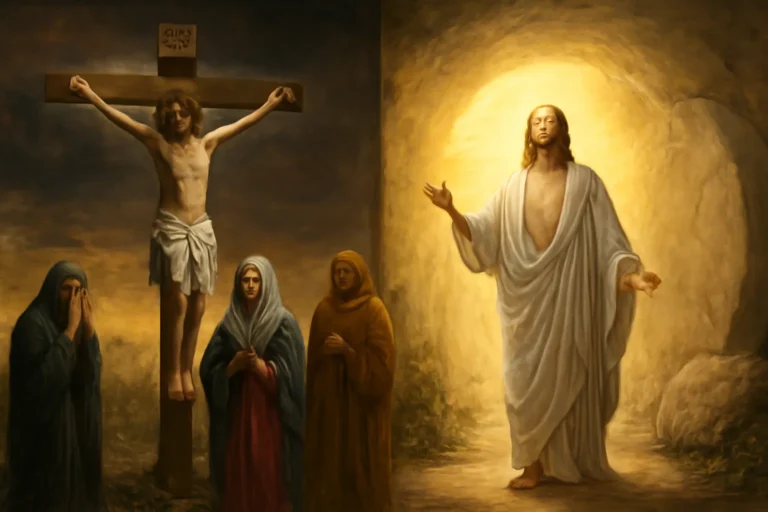
The claim that Jesus rose from the dead is not a novel invention but a cluster of witness accounts shared across the early churches. In the canonical scriptures, the proclamation of the resurrection of Jesus inaugurates a new age. The empty tomb is presented not simply as a fact, but as a sign that defeats death, inaugurates new life, and validates the proclamation that the Risen One forgives sins and reconciles estranged humanity to God.
Across Christian traditions, the phrase Jesus’ resurrection is repeated with variations of emphasis: some foreground the historical implications, others illuminate the experiential encounter of the risen Christ, and still others highlight cosmic renewal through the Spirit. In every rendition, the core claim remains: the risen Christ stands at the center of faith as the One who conquers death and reorients all creation toward the kingdom of God.
Key Theological Motifs
- Redemption and personal liberation from sin through union with the risen Lord.
- Righteousness and new life that breaks the power of death and fear.
- Hope for a future that is not defined by loss, but by restoration.
- Transformation of communities through the Spirit who was poured out on the Day of Pentecost following the Resurrection.
- Cosmic renewal—the conviction that creation itself looks toward a future restoration as part of the drama set in motion by the resurrection.
The multi-faceted teaching about the Resurrection weaves together historical memory, soteriological rescue, and eschatological anticipation. It is both intensely personal and profoundly cosmic. The claim is not merely that a man rose from the dead two millennia ago; it is that the event initiated a transformation that continues to unfold in individual hearts, local congregations, and the world at large.
Jesus’ Resurrection in Scripture and Tradition
Gospel Portraits of a Risen Savior
The canonical gospels offer complementary portraits that illuminate different facets of the same reality: the resurrection is a real historical claim, yet it is also a mystery that invites awe and trust. Each gospel writer situates the Resurrection within a broader narrative of God’s salvific work in history.
- Matthew emphasizes the empty tomb and the encounter with the risen Jesus in Galilee, linking the event to an explicit commission to make disciples of all nations.
- Mark provides a succinct, urgent account that invites readers to witness and spread the good news, highlighting fear transformed into witness.
- Luke foregrounds appearances, journeys, and meals shared with the risen Jesus, underscoring the continuity between Old Testament expectations and the new reality opened by the Resurrection.
- John deepens the experiential dimension—Thomas’s doubt dissolved by encounter with the risen Christ, the Spirit’s breath, and a theme of abundant life.
Beyond the four gospels, the apostolic letters articulate the ongoing significance of the Resurrection. The Apostle Paul, writing to communities burdened by conflict, argues that the Resurrected Christ is the firstfruits of a future renewal, anchoring Christian hope and ethics in a certainty that transcends present circumstance.
Tradition, Creed, and Doctrinal Development
From early creedal affirmations to contemporary theological reflections, the core creed is consistent: Jesus is risen, and that resurrection verifies the reality of God’s victory over death. In tradition, this claim has been interpreted in several ways that remain consonant with one another:
- The resurrected Christ as the living Lord who continues to guide, bless, and empower the church.
- The identification of the Resurrection with meaningful transformation—conscience, moral action, and community life take on a renewed purpose.
- The hope of a future state in which creation is reconciled, restored, and perfected.
Throughout these perspectives, it is clear that the resurrection is not a solitary event but a dynamic, ongoing reality that shapes faith, worship, and service.
God’s Plan to Restore a Broken World
From Creation to Fall to Redemption
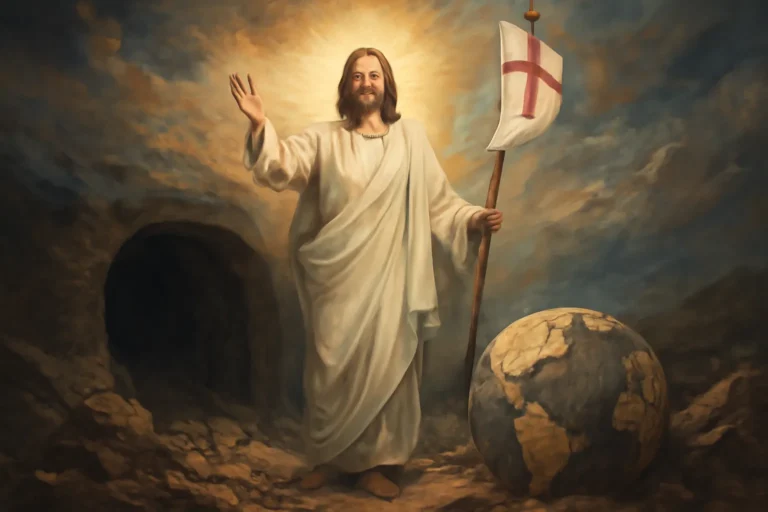
The narrative arc that frames God’s plan to restore a broken world begins with creation, proceeds through fall, and culminates in redemption—most definitively through the resurrection. In Christian thought, the brokenness of the world is not a mere accident but a rupture that affects individuals, communities, and even the cosmos. The Resurrection, therefore, is not a side note; it is God’s intervention that initiates a process of restoration—personally in rescue, communally in reconciliation, and cosmically in renewal.
Theological reflection often traces these motifs:
- Creation and covenant—God’s original intention is harmony and flourishing for all creation, sustained by obedience and trust.
- Fall and longing—human beings and the world learn the hard lessons of brokenness, suffering, and isolation, which heighten the need for divine rescue.
- Redemption and reconciliation—through the death and resurrection of Jesus, sin is confronted, guilt is removed, and estrangement is overcome.
- New creation and hope—the Resurrection opens the possibility of a future of universal renewal, where God dwells with humanity and peace reigns.
Key Implications of the Resurrection for Restoration
- Peace and justice—the risen Lord embodies a justice that reconciles enemies and binds up the broken places where violence and oppression have thrived.
- Healing and wholeness—through encounters with the risen Christ, lives are made whole, sins are forgiven, and communities are reoriented toward compassion.
- Hope beyond despair—even in the face of death, the promise of new life sustains perseverance and courage.
- Cosmic renewal—the Resurrection points forward to a reconciled creation where harmony among human beings, creatures, and the Creator is renewed.
The phrase gods plan to restore broken world, when articulated with proper grammar, captures the sense that the Resurrection is not merely a personal uplift but a transformative program for all creation. In many theological voices, this is described as participation in the divine life, with the church as the agent through which restoration flows into daily life, public institutions, culture, and ecosystems.
Cosmic and Personal Restoration through the Resurrection
Personal Renewal: The Transformation of the Inner Life
At the level of the individual, Jesus’ resurrection is understood as a source of inward renewal. The risen Christ meets believers in moments of doubt and fear, offering peace, empowerment, and a new sense of identity. The transformation is not merely behavioral; it is ontological—a new creation within the believer, by the power of the Spirit, enabling a life that loves and serves.
Phrases like the risen Jesus become shorthand for a relationship: a relationship that changes how a person sees God, neighbor, and self. The Spiritual life anchored in the resurrection embraces virtues such as hope, perseverance, forgiveness, and hospitality. The personal dimension of the resurrection thus becomes a school of character formation, shaping decisions, friendships, and routines.
Communal Renewal: The Church as a Sign and Instrument
If the Resurrection vindicates Jesus as Lord, then the church—gathered in worship and sent in mission—becomes a visible sign of the restored order God intends. The community bears witness to hope, models reconciliation, and extends mercy to those who suffer. The early church’s life—fellowship, shared meals, generosity, and bold proclamation—offers a paradigm for how local congregations participate in God’s plan to restore a broken world.
In contemporary settings, communities of faith carry forward this mission by addressing:
- Social inequity and poverty, seeking just distribution of resources.
- Healing services for the traumatized and marginalized, including care for the sick and the grieving.
- Education and advocacy for truth, human dignity, and freedom of conscience.
- Environmental stewardship—honoring creation as God’s good world and protecting it for future generations.
The language of God’s plan to restore a broken world is not a distant theological abstraction; it translates into practical care, civic engagement, and personal disciplines that reflect the values of the resurrected life.
Practical Implications for Worship, Ethics, and Eschatology
Worship as Participation in Resurrection Life
Worship that centers on the Resurrection affirms God’s victory over death and invites believers to join in that victory through praise, gratitude, and service. When songs, prayers, and sacraments are oriented toward the risen Christ, worship becomes a rehearsal for the coming age, a foretaste of the new creation in which death and sorrow will be no more.
- Communal rituals (baptism, the Eucharist) anchor believers in the story of God’s redemptive action and confirm their participation in its ongoing effects.
- Liturgical seasons highlight the arc from passion to resurrection to new creation, guiding communities through memory, awakening, and anticipation.
- Silence and proclamation cultivate spaces where the risen Christ may encounter each person, inviting response and obedience.
Ethical Life: Imitation of the Risen Christ
Ethical reflection following the Resurrection invites believers to imitate Christ in imitation and imitation by the Spirit. The life of the risen Lord becomes the standard by which actions—justice, mercy, integrity, and compassion—are measured. This ethical horizon helps communities address contemporary issues with wisdom that is grounded in a hopeful, resurrection-centered worldview.
- Forbearance and forgiveness in the face of wrongdoing, echoing the forgiveness extended by the risen Savior.
- Mercy ministries that serve people in need without stigma or judgment, reflecting the inclusive mercy of Jesus.
- Witness in society—testifying to truth, defending human dignity, and working for systems that honor the vulnerable.
Eschatology: The Future Reality Initiated in the Present
The Resurrection is often paired with a forward-looking eschatology: a future time when God will renew all things, create a new heaven and a new earth, and dwell with humanity in a restored cosmos. Yet this future has a present tense: the church participates in the dawning of that future today. By living in light of the Resurrection, communities become agents of reconciliation, harbingers of resurrection in the midst of decay, and stewards of hope for the waiting world.
Historical Perspectives and Contemporary Interpretations
Historicity, Faith, and Humility
Across centuries, theologians have wrestled with the question of what the Resurrection implies for history and belief. Some emphasize the historical reality of the event, insisting on tangible evidence and eyewitness testimony. Others stress the theological significance—the Resurrection as God’s definitive act of salvation that redefines reality, regardless of historical debate.
- Historical-critical conversations examine the methods by which the Resurrection narratives were transmitted and interpreted in different contexts.
- Theological interpretation emphasizes the meaning of the Resurrection for human identity, ecclesial life, and cosmic renewal.
- Pastoral applications focus on how the Resurrection sustains faith in times of trial and loss.
Regardless of the approach, the claim remains that God’s plan to restore a broken world finds its decisive moment in the triumph of life over death. The Resurrection demonstrates that God’s promises are trustworthy and that suffering is not the final word. In this sense, the resurrection becomes a lens through which to read history, personal experience, and public life.
Interfaith and Intercultural Reflections
In a plural world, conversations about the Resurrection interact with other religious traditions in ways that honor difference while preserving the core conviction of resurrection life. While some beliefs diverge on the nature of resurrection, many share a common intuition about the longing for renewal, justice, and peace. Dialogues around Jesus’ resurrection and the broader Christian claim of divine restoration can foster mutual respect, learning, and ethical cooperation for the sake of the common good.
Historical Worship and Modern Practice: How Communities Live the Resurrection
Rituals and Practices that Ground Restoration
Across churches, the practice of remembering and celebrating the Resurrection shapes concrete habits that sustain the sense of being part of a larger divine project. The annual commemoration of Easter remains a focal point, but weekly and daily rhythms also sustain the conviction that Jesus rose from the dead and that this event makes a difference in ordinary life.
- Communal meals and shared fellowship emphasize reconciliation and inclusion.
- Charitable outreach as a witness to the compassion of the risen Christ.
- Educational programs that teach the biblical narrative, the church’s history, and practical discipleship.
Discipleship in the Light of the Resurrection
Discipleship is the ongoing response to the risen Christ. It is not merely belief but a way of living that reflects faith in a God who has acted decisively to heal and renew. The path of discipleship involves prayer, service, learning, and community, all oriented toward the goal of participating in God’s restoration project.
In this light, the phrase gods plan to restore broken world becomes not a distant doctrine but a lived reality: every act of mercy, every effort toward justice, each act of forgiveness, and every moment of worship contributes to the unfolding of a new creation. This is the heart of the Resurrection’s power: it calls believers into a narrative larger than themselves and invites them to become instruments of God’s peace.
Conclusion: The Resurrection as a Living Hope
The Resurrection—the historical Easter event and the ongoing experience of life in the Spirit—offers a comprehensive vision for both private faith and public life. It is a cosmic drama with intimate implications: the Gospel is not only information about a doctrine but a person to be encountered, the Risen Christ who draws near in trust, and a mission that invites followers to join God in restoring a broken world.
Whether one speaks of Jesus’ resurrection as a historical claim, a theological reality, or a spiritual invitation, the impact remains consistent: life is reinterpreted, hope is renewed, and the future is oriented toward restoration. In the language of the church, this is the good news that transforms individuals, heals communities, and invites the whole creation into a dignified, flourishing future. The definitive claim—the Resurrection—is therefore not a conclusion to a debate but a call to participate in the divine renewal of all things.
In summary, the Resurrection: God’s Plan to Restore a Broken World is not a single doctrine but a dynamic, historical, and spiritual reality. It calls us to remember, to respond, and to renew—personally through faith in the risen Lord, communally through love and justice, and cosmically through hope for the day when all things will be made new. The message endures in communities that bear witness to life after death, peace after violence, and harmony after division. The risen Lord remains with us, guiding, transforming, and sustaining until the day when pain ceases and all creation rejoices in the fullness of restoration.