
Christ is a name that carries layered meanings across history, culture, and faith. This article seeks to present a thorough, academically informed, and theologically sensitive overview of who this Jesus is understood to be within diverse Christian traditions, as well as how scholars, theologians, and communities have interpreted the figure at the center of Christian faith. The phrase “Who is this Jesus the Messiah?” appears repeatedly in different forms across centuries of reflection, inviting readers to consider not only biographical details but also the meanings assigned to Christ in worship, doctrine, ethics, and everyday life. The discussion here uses variations of that question to illuminate a broad and nuanced portrait of the person and the role traditionally called the Messiah, the Anointed One, the Lord, and the Savior.
Origins and Historical Context
To understand the Christ, one must begin with the historical landscape in which the figure emerged. The Jewish milieu of Second Temple Judaism—a dynamic and diverse setting spanning roughly from the late 6th century BCE to the end of the 1st century CE—shaped expectations of a forthcoming Messiah, a divinely chosen instrument who would renew the covenant, judge oppression, and restore the people. In this context, the question of “who is this Jesus the Messiah?” becomes both a historical inquiry and a theological invitation. The life and teachings associated with Jesus of Nazareth were interpreted by early believers as the fulfillment of certain messianic hopes, while others read his significance through different lenses, including critiques of political messianism and reinterpretations of scriptural categories.
Historically, the figure of Jesus is attested in sources ranging from the canonical Gospels to non-Christian writings of the period. The Gospel narratives portray him within a priestly and prophetic framework, while also presenting him as transforming traditional expectations through revelation, compassion, and a distinctive way of relating to the Kingdom of God. The question of “who is Jesus, the Messiah, in his own historical moment?” yields a multifaceted portrait: a Jewish preacher, healer, and moral teacher for his followers; a figure whose life and death elicited a movement that would become what we now call Christianity.
Within the broader tapestry of religious history, one important thread concerns how different communities came to recognize Christ in divergent ways. In some strands, the Messiah remains primarily a political liberator; in others, a cosmic Savior whose work encompasses sin, death, and reconciliation. Still other streams emphasize the divine sonship and the role of Jesus as the Logos made flesh, a motif with deep philosophical resonance in later Christian thought. These differences are not merely academic; they have shaped liturgy, art, music, and public ethics for centuries. The inquiry into “Who is this Jesus the Messiah?” thus spans biography, doctrine, ritual, and culture, inviting readers to consider how historical memory and theological interpretation interact.
Messianic Expectation in Second Temple Judaism
Before turning to the figure of Jesus, it is essential to appreciate the robust and diverse messianic expectations circulating in the era. The term Messiah derives from a Hebrew word meaning “anointed one.” In various strands of Judaism, the anticipated figure could be envisioned as a king, a priest, a prophet, or a combination of these roles who would deliver God’s people, restore the Temple, and inaugurate a period of peace and justice. The question “Who is this Jesus the Messiah?” then becomes a how-does-Jesus-fit-in question within ongoing traditions of interpretation: does he fulfill the messianic pattern in a political, spiritual, or cosmic sense? Or does he inaugurate a new kind of messiahship altogether, reframing what it means to be the Anointed One?
In this section, we explore several key strands that shaped early thought about the Messiah and how those strands interact with the Jesus tradition:
- Royal expectations—the hope of a descendant of David who would reclaim the throne and restore national sovereignty.
- Priestly and prophetic motifs—the idea that the Messiah would uphold the holiness of the covenant and proclaim God’s word with authority.
- Cosmic and universal dimensions—visions in some streams that the Messiah’s reign would extend to all nations and enduring creation-wide justice.
- Apocalyptic language—the expectation of dramatic divine intervention leading to a new age and judgment.
Given this multiplicity, the question “Who is this Jesus the Messiah?” invites readers to notice that early Christian claims did not emerge in a vacuum but in dialogue with these expectations, pressing a distinctive interpretation that emphasized the person and work of Jesus in relation to Israel’s hope and the world’s need.
The Life of Jesus: Narratives Across Traditions
To consider who is Jesus in terms of his life is to engage with the four canonical Gospels and the broader scriptural record. Across Matthew, Mark, Luke, and John, a portrait emerges of a Jewish teacher and healer whose message centers on the Kingdom of God, repentance, mercy, and the invitation to a new way of life. The question “Who is this Jesus the Messiah?” is answered in different ways in these narratives, yet with striking harmonies that point to a central claim about his identity and mission.
Birth Narratives
The infancy and birth narratives offer a window into how early Christians framed Jesus’s identity from the outset. In the accounts of Matthew and Luke, the coming of Jesus is linked to prophecies and the hope of restoration, but with a distinctive emphasis on God’s initiative, humility, and accessibility. The title “Son of David” surfaces in some passages as a key messianic marker, while the language of Immanuel (God with us) highlights a divine dimension to his presence. The question “Who is this Jesus the Messiah” in the infancy stage points to a paradox: a child born in humble circumstances bearing a profound vocation that would unfold in ways neither purely political nor purely spiritual, but a fusion of divine purpose and human life.
Public Ministry
In the main body of the Gospels, Jesus’s teaching, miracles, and interactions reveal facets of his mission. The Sermon on the Mount (Matthew) or the Plain Sermon (Luke) showcases a radical ethical vision anchored in love, mercy, and integrity. Parables illustrate how the kingdom operates in surprising, invitational ways. The question “Who is this Jesus the Messiah?” becomes practical as readers consider his authority over creation, his compassion for the marginalized, and his reinterpretation of ritual purity, Sabbath, and fellowship. In Mark, the emphasis on action and secrecy (the so-called Messianic Secret) invites readers to see that the true revelation of Jesus’s identity unfolds through his deeds—especially in the cross. In John, the Logos language frames Jesus as the pre-existent divine presence who becomes tangible in human form, a claim that pushes theologians toward high Christology while also addressing human need and spiritual hunger.
Crucifixion and Resurrection
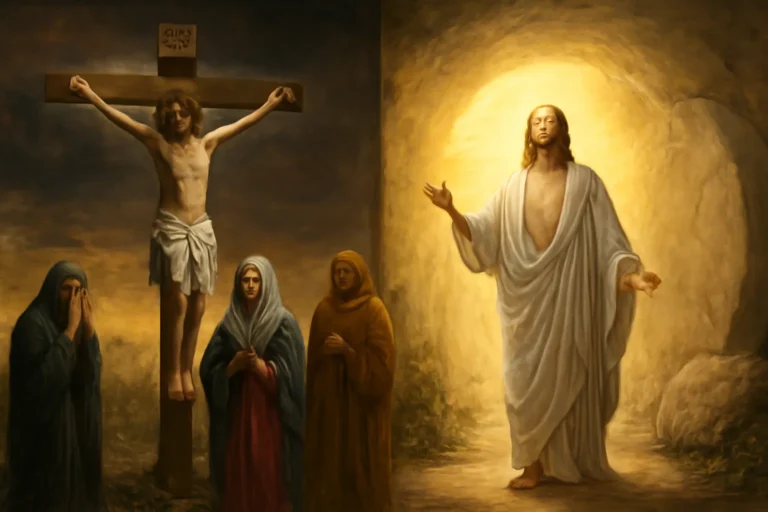
The climactic events of crucifixion and resurrection have shaped the central question of who Jesus is for centuries. For Christians, the crucifixion is not merely a tragic event but a salvific act, associated with atonement, reconciliation, and the conquering of sin and death. The resurrection is interpreted as divine vindication of Jesus’s claims, the breaking-in of new creation, and the guarantee of eternal life for believers. The question “Who is this Jesus the Messiah?” is resolved—not exhausted—by the cross alone but complemented by the empty tomb, the appearances to disciples, and the commissioning of the church to bear witness to the good news. Within academic and devotional readings alike, the crucifixion and resurrection invite readers to consider the nature of sacrifice, the meaning of forgiveness, and the transformation of human communities by divine love.
Christ as the Messiah: Theological Interpretations
Throughout Christian history, the figure of Christ has been read through a spectrum of interpretive frameworks. These frameworks are not merely doctrinal footnotes; they shape worship, ethics, and everyday practice. The central claim, however, remains consistent: Jesus is presented as the fulfillment of God’s salvific program in a way that redefines what it means to be the Messiah or the Anointed One.
In Jewish and Christian Perspectives
Within Jewish thought, expectations of a Messiah as a political liberator and ethnic heir to David’s line have long been part of the religious imagination. From a Christian perspective, Jesus’s life is understood to fulfill Israel’s scriptures in a way that expands the horizon to include all nations and all people. This shift is often described as a transition from a national Messiah to a universal Savior. Yet in both traditions, the question “Who is this Jesus the Messiah?” remains a catalyst for ongoing dialogue about scriptural interpretation, covenantal faithfulness, and the meaning of God’s promises.
Christian theologians have offered a variety of ways to articulate Christ’s identity in relation to God, the world, and humanity:
- Christ as the incarnate Logos—the divine Word made flesh, who reveals God’s character and purpose in a tangible form.
- Christ as the divine Savior—the one who saves humanity from sin and reconciles creation to its designer.
- Christ as the Lord—the authoritative ruler over creation and history, whose reign begins in the present and is fulfilled in the eschaton.
- Christ as the crucified and risen one—a paradoxical combination of vulnerability and victory, suffering love and resurrection power.
Kerygma and Creedal Developments
The earliest Christian communities proclaimed the kerygma—the core proclamation of salvation in Jesus. Over time, this proclamation was shaped into creeds and confessions that articulated essential beliefs about the Messiah, the Son of God, and the work of the Spirit. These doctrinal developments were not merely abstract; they were meant to guard the faith against misinterpretations, provide a shared vocabulary for worship, and guide ethical formation. The question “Who is this Jesus the Messiah?” thus becomes a doorway into understanding how communities articulate trust, hope, and responsibility in light of the gospel.
Christology: Who is This Jesus the Messiah?
Christology is the branch of theology that studies the person and work of Christ. It asks not only who Jesus is in his own time but how later generations interpreted and expressed his identity in relation to God and humanity. A robust Christology engages both the humanity and the divinity of Jesus, and it seeks to balance reverence for the mystery with careful doctrinal articulation.
Divine and Human Natures
One of the central questions is how the divine and human natures coexist in the figure of Jesus. The classic formulation in many Christian traditions is that Jesus is fully divine and fully human, a union sometimes described in terms of the hypostatic union in contrast to other attempts to reconcile divine and human categories. This theological posture emphasizes that Jesus participates in human vulnerability, temptation, and growth, while also bearing the fullness of divine authority and presence. The result is a Christ who is approachable as a teacher and healer, yet transcendent in power and glory. The question “Who is this Jesus the Messiah?” thus yields a doctrine that is both intimate and transcendent, inviting believers into trust and worship.
Titles and Roles
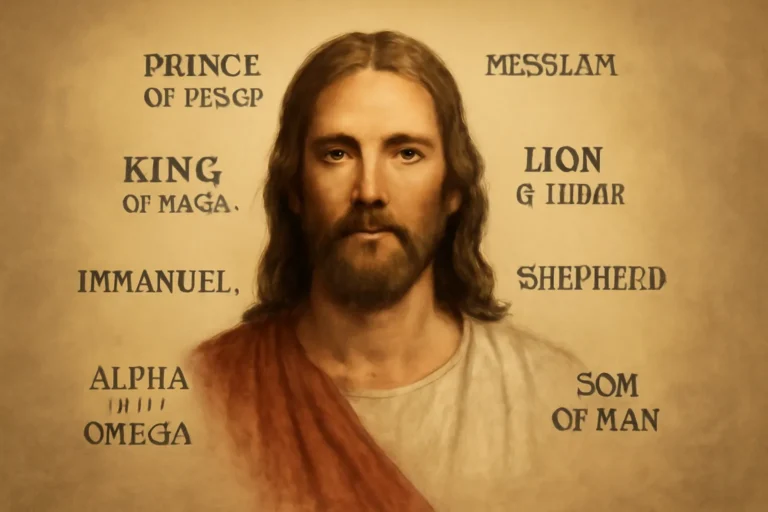
Throughout Christian history, different titles have highlighted various dimensions of Jesus’s identity and mission. Some of the most prominent include:
- Christ (Greek: Christos) — the Anointed One, the central title by which Jesus is known in Christian usage.
- Messiah (Hebrew: Mashiach) — the Jewish background of the term, reframed within Christian faith as the one who fulfills God’s saving plan.
- Son of God — a designation that signals unique, intimate relation to God the Father and a claim to divine authority in Jewish and Christian contexts.
- Lord — a title of reverence and authority, signaling sovereignty over creation and history.
- Logos/Word — a philosophical and theological term for God’s self-revealing presence that becomes human in Jesus.
These titles illuminate different facets of the same person, allowing Christians to speak with a rich and layered vocabulary about who Jesus is and why his life matters for faith, worship, and ethics.
The Impact of Jesus the Messiah on History and Faith
The figure of Christ has had a profound and lasting impact on world history, art, culture, and personal faith. The claim that “the Messiah has come” has influenced political movements, philosophical debates, and social ethics across continents. Beyond institutional religion, the message of Jesus has inspired countless people to seek justice, mercy, and peace, shaping movements for human rights, education, and medical care. The question “Who is Jesus the Messiah?” thus resonates not only in churches and seminaries but in hospitals, universities, courtyards, and homes around the world.
Global Christian Traditions
Different Christian traditions emphasize diverse aspects of Christ’s person and work, yet all begin with the conviction that Jesus is the central figure through whom God manifests saving benevolence. In Roman Catholic, Orthodox, and Protestant contexts, there are shared convictions about the significance of the Incarnation, the Atonement, and the Eucharist as expression of union with Christ. In addition, many Protestant and evangelical communities stress the authority of Scripture, the necessity of personal faith in Christ, and the hope of eternal life. In the global south and east, Christology often intersects with concerns about social transformation and community resilience, reflecting how the announcement of the Messiah takes form in diverse cultural settings. The question “Who is this Jesus the Messiah?” thus invites ongoing reflection and dialogue that respects both tradition and local context.
Ethical Teachings and Social Ethics
A key element of the Christ story is its ethical core. The teaching of Jesus—whether presented as radical reinterpretations of the law, summons to compassion for the poor and marginalized, or a call to love enemies—continues to influence moral reflection. The phrase “love your neighbor as yourself” has become a boundary-shaping principle across many societies, while the parables offer compelling frameworks for addressing injustice, mercy, forgiveness, and reconciliation. The question “Who is Jesus the Messiah?” grows into an invitation to align life with these values, to build communities where dignity is affirmed and care for the vulnerable is prioritized.
Interpretive Approaches and Contemporary Debates
In modern scholarship and faith communities alike, questions about Christ engage historical-critical methods, theological reflection, and practical discipleship. Debates about historicity, textual reliability, and the interpretation of miracle narratives coexist with discussions about contemporary implications for faith, worship, and public life. The question “Who is this Jesus the Messiah?” becomes a platform for dialogue about how to live in light of the gospel in a pluralistic world, how to interpret sacred texts responsibly, and how to maintain reverence for mystery while seeking coherent conviction.
Historicity vs Faith
One major axis of debate concerns the balance between historical analysis and theological conviction. Historians examine the life and times of Jesus using sources from various perspectives, seeking to reconstruct the historical Jesus as closely as possible. Theologians, meanwhile, weigh the interpretive claims about the divine and salvific significance of Jesus, often tracing how those claims shape worship, sacraments, and spiritual formation. The question “Who is this Jesus the Messiah?” is navigated differently depending on whether the aim is historical understanding, faith commitment, or both. In constructive dialogue, it is possible to acknowledge the value of historical study while also recognizing the transformative claims that believers affirm about Jesus the Christ.
Interfaith Perspectives
In conversations with Judaism, Islam, and other religious traditions, the figure of Christ is treated with respect and scrutiny. Some traditions honor have a perspective on Jesus as a significant spiritual teacher, others reject the notion of divine incarnation, and still others engage in dialogue about prophecy, righteousness, and ethical teaching. The question “Who is Jesus the Messiah?” in interfaith contexts becomes a way to explore common ground—such as the call to love, justice, and humility—while also acknowledging differences in doctrinal beliefs about God, salvation, and revelation. Respectful engagement with these perspectives helps illuminate the diversity of religious experience while maintaining clarity about the Christian understanding of Christ as the central object of faith and worship for adherents around the world.
Literary and Canonical Context
The story of Christ is not told in a vacuum but within a canon of texts, liturgies, and traditions that give shape to belief and practice. The Gospels, Acts, Epistles, and the Revelation to John compose a scriptural environment in which the figure of Jesus communicates meaning to readers and worshipers across time. The way communities read these texts—historically, theologically, and devotionally—profoundly affects the understanding of “Who is this Jesus the Messiah?”
Gospels as Witness, Letters as Reflection
Scholars often distinguish between the Gospels as narrative and theological witness and the letters as reflections, sermons, and pastoral guidance shaped by early Christian communities. The Gospels present Jesus’s life and ministry in story form, inviting readers to participate in his proclamation and to discern the implications for identity, allegiance, and mission. The letters, by contrast, address concrete issues faced by early churches—conflict, division, kinship, and ethical questions—while continuing to illuminate the meaning of Jesus’s death and resurrection for Christian life. The question “Who is this Jesus the Messiah?” thus spans both narrative memory and practical formation, guiding believers toward faithfulness, hope, and love.
Conclusion: The Ongoing Conversation about Christ
In sum, the figure commonly known as Christ stands at the crossroads of history, theology, and lived faith. The question “Who is this Jesus the Messiah?” remains a living inquiry, because the answer is not merely a statement about a historical person but a call to interpret the meaning of that person for present life. For adherents across diverse Christian traditions, Jesus represents both a historical figure and a living presence who continues to inspire worship, shape ethics, and nourish hope. The breadth of interpretations—ranging from doctrinal formulations about the incarnation and the atonement to practical commitments to justice and mercy—demonstrates how central the subject is to the religious imagination.
As readers engage with this topic, a few guiding considerations can help maintain a balanced and respectful approach:
- Historical awareness—recognize the historical context in which Jesus is portrayed and the sources that inform our understanding.
- Theological depth—acknowledge the diverse ways Christians have articulated the mystery of Christ across centuries, while keeping fidelity to core convictions about the divine and human natures, salvation, and vocation.
- Ethical seriousness—contemplate how the message of Christ translates into acts of mercy, justice, and solidarity in contemporary life.
- Respectful pluralism—engage with other faith traditions with patience and curiosity, while staying true to one’s own convictions about who Jesus is and what that means for faith and practice.
Ultimately, the question who is this, Jesus the Messiah, invites ongoing reflection. It invites readers to consider how the figure at the heart of the Christian story can speak into modern questions about meaning, purpose, and mercy. Whether approached as a historical inquiry, a theological inquiry, or a devotional practice, the figure of Christ remains a central, transformative presence for countless people around the world. The journey through the life, teaching, death, and claimed resurrection of Jesus invites not only knowledge but faith; not only doctrine but discipleship; not only inquiry but invitation—to participate in a story that many consider to be the most consequential in human history.
Selected Glossary of Terms
To assist readers who may be exploring this topic anew, here is a brief glossary of some frequently used terms associated with the figure commonly called Christ:
- Incarnation — the belief that the Word became flesh in Jesus, taking on human nature while remaining divine.
- Atonement — the accomplishment through which humanity is reconciled to God, often associated with Jesus’s crucifixion and resurrection.
- Resurrection — the event by which Jesus is believed to have risen from the dead, signifying victory over death and the inauguration of new creation.
- Kingdom of God — the central theme of Jesus’s preaching, describing God’s gracious rule that breaks into history and redefines power, love, and justice.
- Son of God — a title indicating unique relationship to God, with implications for identity and mission.
- Messiah — the Anointed One anticipated in Jewish expectation, reinterpreted in Christian faith as Jesus’s vocation and vocation-bearing mission.
In closing, the question, “Who is this Jesus the Messiah?” continues to be answered in countless ways across cultures, languages, and communities. It is a question that invites not only doctrinal agreement but also lived witness—acts of compassion, justice, forgiveness, and mercy that reflect the transformative power of the gospel. Whether one approaches from a historical, theological, or devotional angle, the figure of Christ remains a dynamic and living presence in the religious landscape, inviting ongoing study, worship, and engagement with the world.