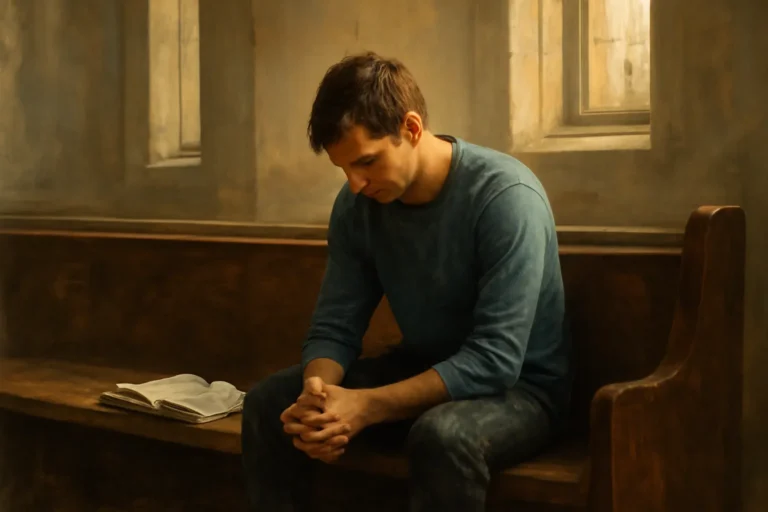
For many believers, the question is not whether a year-long Bible reading plan is valuable, but whether it is feasible within the rhythms of modern life. The answer, in practical terms, is yes. With intentional planning, balanced expectations, and a community of support, the goal of reading through Scripture in 365 days becomes achievable rather than aspirational. This article examines the theological, practical, and experiential dimensions of why reading the Bible in one year is doable, offering guidance, strategies, and illustrative examples to help readers move from intention to completion.
A year-long Bible reading plan is not merely a calendar; it is a framework that guides daily engagement with the biblical narrative across genres, periods, and purposes. In its best form, a yearly plan respects the integrity of the text while accommodating the life context of the reader. The goal is not to rush through the Bible but to encounter Scripture in a way that nourishes faith, formation, and understanding. When we talk about why reading the Bible in one year is doable, we are really talking about structuring time, prioritizing consistency, and cultivating habits that endure beyond the calendar date.
What makes a yearly plan meaningful
Continuity with the biblical narrative, moving from creation to new creation.
Contextual grounding through cross-references, notes, or commentary that illuminate genre, audience, and purpose.
Disciplined routine that creates predictable moments of devotion rather than sporadic bursts of reading.
Accountability through a group, mentor, or partner who can encourage and challenge.
Flexibility to adjust for travel, illness, or other life events without abandoning the overall trajectory.
In practice, a yearly plan is doable because it translates a daunting bulk of text into manageable daily portions while preserving the integrity of the canonical order. The structure helps readers recognize arcs in the Bible—the covenants, the prophetic voices, the gospel narratives, and the apostolic letters—so that daily readings accumulate into a coherent, spiritually formative journey.
Why It Is Doable: Practical Reasons and Theological Grounding
There are several converging lines of reasoning that support the feasibility of finishing the Bible in a year. The following points outline practical strategies and theological assurances that together explain why reading the Bible in one year is doable.
1) Manageable daily portions
A classic yearly plan often divides the Bible into roughly 15–20 minutes per day of reading, or even shorter for those who use audio formats. When the daily assignment averages around a familiar amount, it becomes livable rather than burdensome. The daily cadence creates a rhythm that fits into common routines—morning quiet time, commute listening, or evening reflection.
2) Genre-aware pacing
One challenge in Bible reading is the abrupt shifts in genre—from narrative to poetry to prophecy to epistles. A well-designed plan respects those shifts by assigning readings that align with their literary characteristics. The result is not only feasibility but also comprehension: readers encounter poetry with Psalms and wisdom literature alongside historical narrative and gospel proclamation, which enriches interpretation and retention.
3) The temptation to rush is tempered by accountability
When groups commit to a plan, the social dimension shifts the task from solitary obligation to shared practice. Accountability—whether through a study group, church class, or online forum—helps sustain motivation, reduces the risk of falling behind, and creates opportunities for discussion and application. In this sense, the feasibility is strengthened by communal reinforcement.
4) The Bible’s own integrity supports completion
Scripture is not just a collection of isolated chapters; it is a unified witness that invites readers into a long arc of revelation. This theological coherence helps readers see where a particular passage fits into the wider redemptive story, providing motivation to continue. The sense of progress—the feeling that one is moving forward in a grand narrative—makes the year-long journey compelling rather than monotonous.
5) Multimodal engagement enhances accessibility
Modern readers have access to audio Bibles, dramatized readings, apps, and printable plans. This diversification means alternative formats can be used to fit different learning styles and time constraints. For instance, listening to a track while cooking or commuting can be as fruitful as sitting with a traditional text. The availability of these tools makes why reading the Bible in one year is doable more universally accessible.
Beyond simply finishing a text, a yearly plan cultivates theological literacy—the ability to interpret Scripture in light of its original context and in light of the church’s understanding. The sense that you are growing in discernment, faith, and wisdom can be a powerful incentive to persist. In theological terms, the practice supports the aims of discipleship and moral formation, which are central to Christian life.
7) Personal and communal rhythms align with liturgical life
For many believers, a year-long plan mirrors the rhythm of liturgical calendars and annual church cycles. It can become a natural extension of regular worship, evangelism, and service, rather than a stand-alone project. The alignment with church life can reinforce commitments and create synergistic benefits that make the endeavor more doable.
Methods and Plans That Work: Practical Formats
There is no single path to finishing the Bible in a year, but several proven formats support variations of why reading the Bible in one year is doable through different methodologies. The selection of a method should consider temperament, schedule, and spiritual aims.
Daily-Reading Plans
In this approach, readers tackle a small portion each day. Typical daily readings range from 2–4 chapters or 10–15 minutes of listening. The advantage is consistency and predictability. A simple example structure might be:
Old Testament readings for five days of the week, alternating with New Testament passages.
A weekly Psalm or Proverb accompaniment for devotional depth.
One optional day for review, reflection, or catch-up.
This schedule ensures that the entire Bible is completed within 12 months while allowing space for life’s interruptions. It is a practical implementation of discipline coupled with grace.
Chronological vs. Canonical Progression
Some readers prefer a chronological plan that arranges texts in roughly the order in which events occurred. Others prefer to follow the canonical order, moving through the Bible as it appears in most English translations. Each approach has advantages:
Chronological plans emphasize the unfolding drama of salvation history, particularly helpful for readers who long to see the storyline as a coherent, time-ordered narrative.
Canonical plans preserve the literary and theological architecture of Scripture, highlighting the distinct voices of law, history, wisdom, prophecy, gospel, and letters.
Whichever progression you choose, the key is consistency and a rhythm that fits your life. That is a practical demonstration of feasible spiritual discipline.
Thematic and Reading-by-Theme Plans
Another proven format aligns readings with themes—covenants, kingdom, grace, justice, mercy, or the person and work of Christ. This approach helps readers connect different books around a central idea, making it easier to remember and apply Scripture. Thematic plans support theological integration and practical application, which can motivate continued engagement across the year.
One-Year Plans with Multiform Access
In today’s digital ecosystem, a one-year Bible plan can be experienced through multiple media—print, audio, video, and community prompts. A robust plan might offer:
Printable daily readings with space for journaling.
Audio versions that can be listened to during commutes or chores.
Mobile apps that track progress, offer reminders, and provide discussion prompts.
Weekly gatherings for discussion, prayer, and mutual encouragement.
Such a multi-format approach makes the journey accessible to diverse audiences, thereby supporting a broad range of people who ask, how can I read through the Bible in a year and still remain faithful to other obligations?
Relational and Spiritual Dimensions: Theological and Educational Benefits
Reading the Bible in one year is not only about finishing a book; it is a transformative spiritual and educational practice. The doable nature of the process allows believers to experience significant benefits, including increased biblical literacy, deeper spiritual disciplines, and stronger communal bonds.
Formational outcomes
Discipleship growth: Daily encounter with Scripture shapes character, fosters virtue, and tunes the heart toward worship.
Biblical literacy: Readers become more confident in recognizing themes, genres, and key terms, enabling better interpretation and preaching or teaching.
Prayer and worship: Engaging regularly with Scripture informs prayer life and enhances meaningful worship experiences.
Missional clarity: A broad reading of the Bible helps believers discern their place in God’s purposes for the world.
Educational advantages
Contextual understanding: Reading across genres reveals the Bible’s literary architecture and historical backdrop.
Hermeneutical growth: Regular exposure to different voices and perspectives fosters fair interpretation and humility.
Cross-cultural literacy: As readers encounter diverse voices and settings, they gain sensitivity to historical and cultural particularities.
Spiritual discipline and rhythm
Consistency in daily reading builds spiritual discipline, while grace for inevitable interruptions preserves the overall trajectory. The practice itself becomes a form of devotion that disciplines the mind, informs the heart, and shapes the will toward faithfulness in daily life.
Common Misconceptions and How to Address Them
Several common concerns arise when people consider undertaking a year-long Bible reading plan. Addressing these misgivings helps illuminate why reading the Bible in one year is doable and how to navigate potential obstacles without compromising the experience’s depth or integrity.
Reality: Most readers discover that short daily blocks add up. Even 10–15 minutes per day, coupled with listening options, can cover significant ground over a year. The key is consistency, not perfection. If interruptions occur, a plan with built-in catch-up days or flexible word counts makes the journey manageable rather than overwhelming.
Misconception: It will be doctrinally shallow or skimpy
Reality: A well-designed plan emphasizes contextual reading, balanced genres, and reflection. It invites readers to ask questions about authorial intention, audience, and purpose, thereby fostering depth rather than superficiality. The goal is not simply to accumulate chapters but to encounter God’s message in Scripture with discernment and reverence.
Misconception: Reading through the Bible in a year is only for pastors or scholars
Reality: While scholars benefit from rigorous study, the plan is accessible to lay readers, students, families, and individuals at different levels of prior biblical knowledge. The work of spiritual formation and theological growth belongs to the whole community of faith, not only to trained professionals.
Misconception: It’s prescriptive and rigid
Reality: The best yearly plans are flexible and adaptable. They emphasize grace for life’s interruptions, while maintaining a steady trajectory. A plan that permits adjustments—catch-up days, alternate readings, or audio substitutions—remains faithful to the goal while staying humane and realistic.
Variations of Plan: Diverse Pathways to the Same Destination
To honor diverse learning styles, spiritual temperaments, and community contexts, here are several variations of plan that can make the objective of why reading the Bible in one year is doable more accessible to more people. Each variation maintains the core aim—completing the Bible in a year—while offering different emphases and rhythms.
Chronological Plan
This variant arranges readings in roughly the order events occurred, which can illuminate the continuity of God’s redemptive plan and the development of biblical themes across the canon. It is especially helpful for readers who want to see the historical flow of salvation history.
Canonical Plan
In this approach, readers move through the Bible in the order in which the books appear in most English Bibles. This emphasizes literary structure, genre boundaries, and the way the Bible presents law, history, poetry, prophecy, gospel, and epistles as a unified testimony.
Thematic Plans
Thematic plans organize readings around central themes such as faith, grace, justice, mercy, Christological motifs, or the Kingdom of God. This approach fosters deeper synthesis across books and fosters theological integration across the Old and New Testaments.
Some readers enjoy comparing translations for nuance and clarity. A hybrid plan might pair a primary translation with optional readings from a second version, offering translation awareness and enhanced comprehension.
Family and Group Plans
For households and church communities, family-friendly or group-oriented plans with shared devotion times, discussion prompts, and nightly or weekly reflections can create a vibrant culture of reading. The relational dimension of these plans often makes the process more joyful and sustainable.
Tools, Resources, and Practical Aids
A robust set of tools can dramatically improve the likelihood of finishing the Bible in a year. Below are categories of resources that have proven helpful for many readers. The aim is not to overwhelm but to equip people with practical options that respect different contexts.
Printed Plans and Journals
One-page daily reading sheets with space for notes and prayer requests.
Glossaries for key terms and timelines to aid understanding of names, places, and events.
Journaling prompts that encourage reflection on themes, questions, and applications.
Audio and Digital Aids
Audio Bibles for listening during commutes or chores, enabling listening-based engagement.
Mobile apps that track progress, offer reminders, and provide discussion threads or questions.
Case Studies and Personal Narratives: Real-Life Perspectives
Across congregations, families, and individuals, many have discovered that finishing the Bible in a year is more than a goal you tick off a list; it becomes a catalyst for transformation. Here are representative narratives that illustrate how the plan can unfold in real life.
A parent with a full-time job and young children found a plan that offered short daily readings and an audio option for commutes. The family adopted a weekly family devotion that reflected on the weekend’s Scripture. Over the year, the parent’s confidence in Scripture grew, and the family began to see how biblical themes informed daily decisions, such as generosity and justice for the vulnerable, in practical ways.
Case Study B: A College Student’s Academic and Spiritual Balance
In a campus environment, a student used a chronological plan paired with thematic study. The structure provided a steady discipline that complemented coursework, while small group discussions deepened understanding of biblical ethics, history, and theology. The student reported not only completion but a shift in how they approached time management, study habits, and spiritual life.
Case Study C: A Church Planter and Community Builder
A church planter used a canonical plan to cultivate shared language around Scripture. The weekly readings, paired with communal discussions and service projects, helped the congregation articulate a common frame for preaching, teaching, and mission. The year’s arc reinforced a culture of biblical literacy and relational accountability that extended beyond the year itself.
Even with thoughtful planning, a year-long Bible reading plan presents challenges. Here are common hurdles and practical responses that can help keep the journey doable.
Challenge: Competing life demands
Response: Build a plan with built-in flexibility. Use audio, catch-up days, or alternate readings when necessary. The objective is sustained engagement over perfection in any single day.
Challenge: Struggling with difficult passages
Response: Pair readings with commentary or questions that guide interpretation. Don’t hesitate to pause on a passage for deeper reflection or group discussion. The aim is faithful hearing and thoughtful response, not merely rapid reading.
Challenge: Maintaining motivation mid-year
Response: Reconnect with the original motivation—growth in faith, knowledge of Scripture, and ability to apply it to life. Encourage accountability partners or small groups to share testimonies, insights, and prayers that renew enthusiasm.
How to Begin: A Brief Starter Guide
If you are considering starting a year-long Bible reading plan, here is a concise starter guide to help launch the journey with clarity and confidence.
Choose a plan that fits your temperament—chronological, canonical, thematic, or hybrid. Ensure it includes daily or near-daily readings and, if possible, an audio option.
Set realistic daily goals—even 10–15 minutes can work if paired with audio and a consistent routine.
Identify a support network—a church group, a friend, or a family partner who will encourage, pray, and reflect with you.
Prepare the space and tools—mark a daily reading corner, have a journal, and decide how you will track progress (app, notebook, or calendar).
Start with grace—begin with a plan that invites growth rather than perfection, and be prepared to adjust as needed.
Theological Perspective: Why This Is a Faithful Practice
From a theological standpoint, why reading the Bible in one year is doable aligns with several core convictions about Scripture, discipleship, and the Christian life. First, the Bible is understood as a canonical witness that shapes faith and practice. Reading it yearly, in community if possible, supports steadfast faith and biblical literacy that nourishes doctrinal accuracy and ethical clarity. Second, Scripture invites readers into a relationship with God that is sustained over time, not merely through episodic study. A year-long plan cultivates a posture of dependence on God and a rhythm of engagement that deepens trust and obedience. Finally, the plan is consistent with the church’s long history of reading and interpreting Scripture as a people called to holiness, love, and mission. The journey itself becomes a lived confession of faith: God’s Word shapes our lives when we continually return to it with humility, curiosity, and worship.
Conclusion: The Feasibility and Fruitfulness of a Year-Long Bible Journey
In the end, the question why reading the Bible in one year is doable is answered not merely by arithmetic—“we can read this much in this many days”—but by a holistic understanding of spiritual formation, pastoral care, and practical pedagogy. A well-chosen plan offers a reliable structure, a flexible spirit, and a community of encouragement. It invites readers into a journey that is at once challenging and deeply rewarding. It invites us to welcome the text as living Word, to let it interrogate our assumptions, to let it refine our desires, and to let it anchor our daily lives in the story of God’s redemption. When done well, a year-long Bible reading plan becomes more than a checklist; it becomes a cultivated appetite for Scripture, a growing capacity for discernment, and a renewed sense of purpose in the Christian walk. This is why reading the Bible in one year is not only doable but transformative for individuals, families, and faith communities who commit to the journey with sincerity and perseverance.