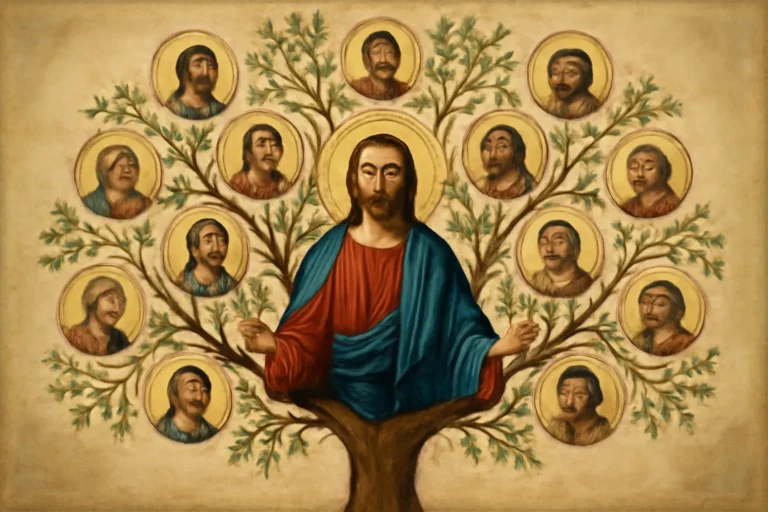

Introduction: The Riches of Wisdom and Wealth in a Sacred Narrative
The biblical chapter commonly known as 1 Kings 10 presents one of the most striking
contrasts in the books of Kings: a monarch whose reign is defined both by wisdom and
extravagant wealth. This combination—Solomon’s enlightened governance alongside royal opulence—
has invited countless theological reflections, ethical debates, and devotional meditations across Jewish,
Christian, and Islamic traditions. The phrase Solomon’s wealth and wisdom is often used to refer to
the distinctive way in which this chapter frames the king’s remarkable gifts as a visible sign of divine
favor and covenantal responsibility.
In exploring the material and spiritual dimensions of Solomon’s wealth—including gold,
spices, precious stones, and ships, as well as the wisdom that made him famous—the text invites
readers to consider how divine gifts are meant to serve the people and uphold true worship. This long-form
reflection surveys king solomon wealth 1 kings 10 from multiple angles: historical context,
literary texture, theological significance, and practical applications for religious communities today.
Historical and Theological Context: The Covenant, the Crown, and the Call to Wisdom
The reign of Solomon sits within a broader biblical storyline about the relationship between God and Israel.
Solomon’s appointment as king follows David’s leadership, and the ascent of the throne is intertwined with
a divine invitation: to govern according to the law and to shepherd the people in the fear of the Lord.
In this sense, the wealth described in 1 Kings 10 is not merely a catalog of riches but a
theological marker—evidence that obedience to God’s statutes can yield material abundance while inviting
humility before God’s sovereignty.
Theology of Wisdom and the Covenant
A central theological motif in this narrative is that wisdom is a gift from God. The earlier
chapters recount Solomon’s request for discernment rather than long life or wealth (see 1 Kings 3), and
the divine response frames wisdom as a divinely sanctioned instrument for just governance and deep
understanding of human nature. In 1 Kings 10, this same wisdom manifests as practical governance, complex
diplomacy, and an administrative genius that can coordinate a vast economy.
Economic Realities and Religious Significance
The prosperity described in Solomon’s wealth narrative is inseparable from the religious
task Solomon undertook: to enhance the temple precinct, to sustain temple worship, and to foster a
center from which the worship of the God of Israel could extend beyond the borders of the kingdom. The
biblical account does not portray wealth in isolation; it links material abundance with a spiritual
vocation: to glorify God, to assure justice for the vulnerable, and to sustain ritual life that honors
the covenant.
The Wealth of Solomon: A Panorama of Riches in 1 Kings 10
The heart of 1 Kings 10 is the description of lavish wealth and the public recognition of a king
whose resources are enormous. The text emphasizes several streams of abundance—gold, silver, spices,
stones, and maritime wealth—that together depict an integrated economic system. This section surveys the main
components, offering both the biblical data and its interpretive echo in later traditions.
Gold and Treasures
The chapter states that king Solomon received an immense annual import of gold, alongside other
precious metals. The quantities, while read with precision in the ancient text, function theologically as
signs of divine blessing and political stability. For readers and worship communities, the wealth of the
royal treasury becomes a model for the responsible stewardship of national wealth—using strategic riches
to uphold worship, public justice, and the welfare of the people.
Spices and Precious Stones
In addition to gold, the report highlights spices and precious stones, which
symbolize both luxury and the international reach of Solomon’s economy. The spice trade and gem markets
are not mere background; they stand in for cultural exchange, diplomacy, and the exchange of ideas that
accompany a cosmopolitan court. Theologically, spices can be read as fragrant offerings that accompany
worship and serve as tangible signs of a nourished and hospitable society.
Maritime Trade and Tarshish Ships
The wealth narrative also emphasizes the maritime dimension of the empire: ships that bring wealth from distant
lands. The reference to Tarshish and other seaborne trade networks highlights a globalized economy in which
Solomon’s wealth is not confined to landbound resources but is distributed through shipborne
commerce. For religious readers, the sea becomes a stage where human enterprise intersects with divine
providence, and where commercial success can be oriented toward temple service and righteous governance.
The Royal Household and the Temple Context
The wealth of the king is also measured by its relationship to religious institutions. The account implies
that a portion of royal abundance goes toward construction, maintenance, and the splendor of sacred space.
The temple economy—the funding of priestly service, festival offerings, and the sacred
calendar—reflects a polity in which wealth serves the worship of the one God. Solomon’s wealth, in this
sense, becomes a ritual instrument that sustains covenant life.
The Queen of Sheba: Testimony, Wisdom, and the Theological Implications
A pivotal moment in Solomon’s wealth and wisdom narrative is the visit of the Queen of Sheba.
This international encounter functions as a litmus test for the king’s reputation and the integrity of his
divine blessing. The Queen’s questions probe depth and breadth, and her departure in awe signals an
exemplary response: genuine wisdom yields public praise and religious reverence.
Her Visit and Tests
The Queen travels from a distant land to observe with her own eyes the report of Solomon’s
discernment and administrative skill. The story emphasizes the breadth of her inquiry, the impressiveness of
Solomon’s answers, and the way wealth is juxtaposed with wisdom: a sovereign whose wealth
blazes as a backdrop to a truthful and discerning mind.
Response and Theological Framing
The Queen’s verdict—that the reports of Solomon’s wisdom spread far and wide and that the God of Israel
is to be praised—places Solomon’s wealth and wisdom within a theocentric
framework. It is not merely the accumulation of gold or the display of splendor that matters, but the
way such abundance invites the nations to acknowledge the LORD. The queen’s words are thus a devotional
verdict upon the king and his policy: wealth rightly ordered becomes a sign of divine purposes fulfilled.
Legacy in the Faithful Imagination
Across later Jewish and Christian exegesis, the Queen of Sheba’s visit becomes a model of
intertextual recognition: the nations come to learn from Israel’s God through the wise leadership of the
king. In one sense, the story affirms that Solomon’s wealth functions as a bridge to a
universal revelation, inviting Gentiles to explore the riches of wisdom that God grants.
Solomon’s Wisdom: The Divine Gift and Human Responsibility
The portrait of Solomon’s wisdom in 1 Kings 10 is inseparable from the Edenic and Sinai-like
expectations that wisdom governs rightly. The text implies that the king’s discernment and practical
insight are the fruits of a divine endowment, yet it also places moral obligations on leadership: wisdom
must be exercised for justice, humility, and fidelity to the covenant.
Wisdom as a Practical and Moral Gift
The appeal of Solomon’s wisdom lies in its reach: policy, administration, judicature, diplomacy, and
the management of complex resources. Theologically, wisdom is not an abstract virtue but a way of living
that aligns the king with God’s purposes for the people. In this sense, Solomon’s wealth and wisdom
in 1 Kings 10 are not separate categories but facets of a single divine gift intended to bless the
community and sustain a life of covenant worship.
The Limits and Warnings
While the chapter celebrates wisdom and wealth, the broader biblical context offers cautions: prosperity
can lead to pride, misjudgment, or turning away from covenant loyalty. The wisdom that originates in the fear
of the Lord is contrasted with other forms of knowledge that may appear impressive but lack moral depth.
The careful reader notes that later narratives warn of the dangers of wealth without spiritual integrity; yet
in the immediate context of 1 Kings 10, the emphasis remains on the legitimate purpose of wisdom in guiding
the people toward worship and justice.
Literary and Theological Features: How the Text Builds Its Case
The text of king solomon wealth 1 kings 10 uses a deliberate literary architecture to connect wealth,
wisdom, and worship. The structure invites readers to see财富 not as an end in itself but as a means to
a larger theological aim: to honor God, enrich communal life, and display divine fidelity to the nations.
Interplay of Speech and Silence
The dialogue around wealth and wisdom features both declarative statements and silent signals: moments where
the text invites the reader to infer the depth of Solomon’s discernment and the gravity of his task.
Ornament and Means: The Temple, the Court, and the Cities
The wealth narrative is not isolated in a palace chamber; it has a spatial logic that links the royal
court to the sacred space and to urban development. The abundance described serves not merely as a display
of splendor but as a framework for governance that sustains the temple and its calendar of worship.
Intercultural Dialogue
The Queen of Sheba represents a dynamic exchange with other cultures. Theologically, this invites readers to
recognize that true wisdom has a universal horizon and that divine wisdom can draw even distant peoples into
conversation about justice, beauty, and righteousness.
Theological Reflections on Wealth, Wisdom, and Worship
The nexus of wealth and wisdom in 1 Kings 10 offers a rich field for
contemporary reflection. For religious communities, several themes emerge as enduring lessons.
Wealth as Stewardship
The biblical pattern presents wealth as a trust from God, not as an autonomous measure of success. In the
Solomon narrative, how wealth is managed—its allocation to temple projects, to civic institutions, and to
care for the vulnerable—becomes a test of fidelity to the divine summons.
Wisdom as a Moral Guideline
Solomonic wisdom functions as a practical guide for leadership and governance. It is not only about clever
answers but about discernment that upholds justice, equity, and mercy. The moral dimension is essential:
wisdom without righteousness can become a tool of domination, whereas wisdom animated by reverence for God
sustains a community in true worship.
Worship and Intercultural Encounter
The Queen of Sheba episode suggests that worship is not narrow but invitational. The nations are drawn
toward Israel’s God through the king’s wisdom and the public display of wealth that serves worship. The
theological point is not merely about cultural exchange but about the recognition of the one true God who
furnishes wisdom and resources for the good of all creation.
Ethical and Pastoral Implications for Modern Faith Communities
Today’s readers, whether in synagogue, church, or mosque, can draw practical guidance from the Solomon
narrative about wealth and wisdom as a holistic spiritual reality. The following
points are offered for communal reflection and pastoral discernment.
- Wisdom as a communal virtue: Leadership is measured by its capacity to discern complex situations, mediate conflicts, and cultivate a just society.
- Wealth with purpose: Financial resources should be directed toward worship, education, care for the poor, and sustainable public goods.
- Hospitality and intercultural dialogue: The encounter with the Queen of Sheba invites communities to receive wisdom from others while bearing witness to God’s sovereignty.
- Humility before God’s sovereignty: Acknowledging divine source of wisdom helps guard against pride and self-sufficiency.
- Ethical memory: Remembering the covenant and the vulnerable in times of wealth prevents exploitation and neglect.
Pastoral Questions for Reflection
– How does a faith community translate the biblical ideal of wealth into concrete acts of justice and mercy?
– In what ways can wisdom be fostered in contemporary leadership without compromising humility and accountability?
– How can intercultural engagement honor the dignity of all peoples while remaining rooted in the worship of God?
Variations on a Theme: Semantic Bridges Across the Narrative
To enhance scholarly and devotional engagement with the text, readers often explore semantic variants that
illuminate different facets of the same core narrative. The following notes illustrate how
Solomon’s wealth 1 Kings 10 can be approached from multiple angles without losing sight of the
central theological message.
- Solomon’s riches as covenant sign: The wealth becomes a visible sign of God’s blessing and a catalyst for covenant fidelity.
- Solomon’s opulence and moral responsibility: Wealth invites responsible governance that protects the vulnerable.
- Solomon’s fame and the global horizon: The wealth narrative connects with intercultural exchange and the universal reach of divine wisdom.
- Wealth, wisdom, and worship as integrated goods: The text presents wealth not as an isolated good but as a support for true worship.
- 1 Kings 10 as a theological case study: A compact, rich text for preaching, teaching, and spiritual reflection on leadership and devotion.
Throughout, readers may notice that the phrase king solomon wealth 1 kings 10 appears in varied
forms and contexts. This is not merely a stylistic flourish; it signals the text’s layered
meanings: wealth is real, wisdom is finite without divine aid, and both must be oriented toward the God
who invites nations to praise his name.
Conclusion: The Enduring Message of Solomon’s Wealth and Wisdom
The biblical account of Solomon’s wealth and wisdom in 1 Kings 10 offers a powerful synthesis:
wealth, when understood through the lens of divine stewardship, can facilitate majestic worship and just
governance. The wisdom granted by God is not merely cleverness; it is a sanctified discernment that harmonizes
political power with spiritual fidelity. The Queen of Sheba’s visit crystallizes the international dimension of
the narrative: wisdom and wealth, rightly ordered, reveal the supremacy of the God of Israel and invite all
peoples into a shared life of reverence and pursuit of truth.
For contemporary readers, the key takeaway remains: genuine leadership blends wisdom with
compassion; wealth serves the common good; and true glory is found not in accumulation alone but in
faithful service to God and neighbor. As such, the legacy of Solomon’s wealth and wisdom from
the ancient pages of 1 Kings 10 continues to shape religious reflection, ethical discernment, and
devotional practice across generations.