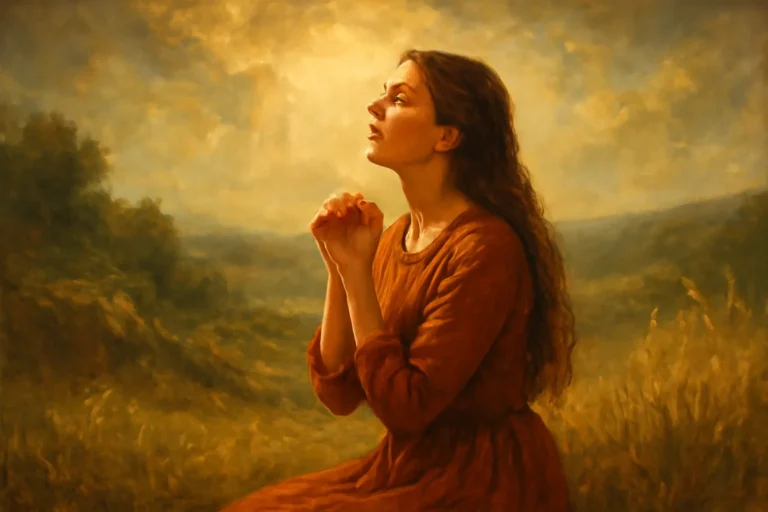
The book known as the Psalms stands at the crossroads of worship, theology, poetry, and liturgy. It is a collection of songs, prayers, and reflections that have shaped the spiritual practice of communities for millennia. Worship in the Psalms is not a single mode of expression; it is a tapestry of praise, petition, lament, thanksgiving, intercession, and confession, all offered to the God who reveals himself in history and in covenant fidelity. This article surveys the terrain of Psalms as a repository for both praise and prayer, exploring how these themes function in ancient contexts and how they continue to illuminate contemporary worship.
Overview: Worship, Praise, and Prayer in the Psalms
The Psalter is, in many respects, a handbook for worship. Its poets and singers articulate a worldview in which God’s holiness, mercy, justice, and faithfulness are the center of all existence. The book’s structure—five scrolls that culminate in a doxological arc—reflects a rhythmic ascent from personal supplication to communal exuberance. In this sense, worship in the Psalms is both intimate and cosmically oriented: it invites the individual listener to approach God in truth while inviting the whole assembly to declare God’s kingship over the created order.
Several features recur across the Psalter as signs of authentic worship: parallelism, which sharpens meaning through balanced lines; imagery drawn from nature and daily life; that situates human experience within God’s covenant; and a liturgical memory that binds past events to present praise. Whether a Psalm is a jubilant hymn of praise or a piercing lament, it is never solitary: it is voiced within a community of faith that remembers and responds to God’s actions in history.
Historical and Literary Context
Origins, canonical placement, and authorship
The Psalms emerged from Israel’s worshiping communities, rooted in temple life and synagogue practice. While traditional attributions suggest authors like David and others, modern scholarship recognizes a broad authorship with diverse historical layers. The collection gathers materials from different periods: pre-exilic laments, exilic responses, post-exilic reflections, and echoes of royal praise. The Psalter’s canonical order itself—five distinct books—suggests a designed arc: from personal lament and petition (Book I) to universal praise and covenant faithfulness (Book V). This arrangement highlights how worship evolves from intimate plea to communal doxology.
Language, poetry, and form
The Psalms are primarily poetic, employing parallelism, imagery, and rhythm that carry meaning beyond simple syntax. Parallelism—where clauses reinforce, contrast, or expand one another—allows a single idea to unfold in multiple facets. Imagery in the Psalms draws on agriculture, shepherding, warfare, weather, and temple symbolism; these images anchor spiritual truths in tangible experience. The use of vowels, cadence, and refrains contributes to memorability and liturgical usability. Even when the exact authorship is debated, the universal themes of trust, dependence, lament, and praise reveal a human heart in conversation with the divine.
Praise in the Psalms
Praise stands as a central category in the Psalter. It is not merely empty words of joy; it is a theologically charged response to God’s character and deeds. The communal dimension of praise is strong: the Psalms invite audiences to join in a chorus that transcends individual circumstance. Praise in the Psalms often proclaims God’s creative power, covenantal faithfulness, steadfast love, and royal authority. The structure of praise can be explicitly liturgical or organically spontaneous, yet it always orients the worshiper toward God as the source of life and blessing.
Characteristics of psalms of praise
Explicit declarations of praise to God for who he is and what he has done.
An emphasis on the beauty and worth of God, often expressed through majestic imagery.
Corporate dimension: many of these psalms are suitable for public worship and congregational singing.
Persistent focus on God’s glory rather than human achievement.
Psalms of praise frequently culminate in a doxology, a brief hymn not merely describing God’s deeds but attributing glory to him. In liturgical settings, these moments become anchors for communal memory: they rehearse who God is and what the community has learned to expect from divine faithfulness. For worship leaders, such psalms provide clear entry points for congregational singing, especially when a service aims to celebrate God’s character or to reaffirm trust in the midst of uncertainty.
Prayer in the Psalter is not a monologue of human need but a dialogue in which God’s justice, mercy, and wisdom shape the supplicant’s posture. The Psalms model a range of prayer forms, from the frankness of lament to the restrained serenity of thanksgiving. In many Psalms, prayer is an act of memory—recalling God’s past acts as a basis for present petition. The characteristic interplay of asking and trusting reveals a theology in which human weakness invokes divine strength, and human longing meets divine providence.
Lament and petition
Lament is the emotional center of much of the Psalter. It dares to name pain, fear, and accusation while maintaining reverence for God. Laments typically move from complaint to petition and then to trust, showing that honest speech before God is not unsafe or impious but appropriate worship. Petition often concerns deliverance, justice, mercy, or guidance, and it is exercised not as a transactional demand but as a plea rooted in relationship with a faithful God.
Communal laments express the sorrow of the people in the face of oppression or national crisis.
Individual laments voice personal distress while remaining anchored in covenant faithfulness.
Petitions commonly request deliverance, mercy, and guidance.
Intercession and covenant faithfulness
A distinctive feature in many psalms is intercession—prayer on behalf of others, including rulers, the nation, or the poor and afflicted. Intercessory prayer in the Psalms often grounds itself in God’s covenant faithfulness and justice. The worshiper prays not merely for relief but for a transformation that aligns the community with God’s purposes. The fidelity of God—his steadfast love and faithfulness—becomes the assurance that intercession will endure, even when the here-and-now appears threatening.
Types of Psalms and Their Uses
The Psalter encompasses several genres that shape how worship is practiced and taught. Each genre provides a different posture toward God—some invite exaltation, others healing, some correction, and others thanksgiving. Understanding these types helps worship leaders craft appropriate liturgies and helps individual readers discover a rhythm of prayer that matches their life circumstances.
Psalms of praise (Hallelujah Psalms)
Invitation to praise the Creator and ruler of the universe.
Often begin with commands to praise and culminate in a vision of God’s sovereignty over all creation.
Useful in times of triumph, celebration, or when the community wants to reaffirm faithfulness to God’s kingly rule.
Laments and petitions
Public laments reflect communal distress; private laments reveal intimate dependence on God.
Petitions request deliverance, justice, and protection, always placed within the framework of God’s justice and mercy.
Laments typically weave in a covenantal argument: God’s past faithfulness grounds present trust.
Thanksgiving psalms
Focus on gratitude for answered prayer, health, safety, provision, and deliverance.
Often recount divine deeds in a memory-based narrative that invites the hearer to trust and celebrate.
Encourage the community to respond in kind—giving, worship, and ethical renewal.
Imprecatory psalms and psalms of justice
Not all readers encounter these easily; they call for divine justice against oppression and violence.
Interpretive approaches emphasize conscience, accountability, and the overarching sovereignty of God over history.
Theological Themes and Imagery
Across the Psalms, several theological themes recur with striking potency. The Psalter communicates a robust vision of God as Creator, King, Deliverer, and shepherd. It also explores human longing, suffering, repentance, and hope. The most enduring images—God as shepherd, rock, fortress, judge, and sanctuary—offer a lexicon for worship that remains vibrant across cultures and ages.
God as creator and sustainer
Creation language in the Psalms presents God as the source of life, order, and beauty. The natural world becomes a theater in which God’s glory is displayed. Worship that begins with creation often expands into praise for God’s ongoing providence: how he sustains the world, governs history, and brings order out of chaos. This lens fosters a humility before God’s vastness and a gratitude for daily provision.
The Psalter foregrounds God’s kingship, yet this kingship is not merely political power. It is a covenantal kingship grounded in mercy and justice. The kingly imagery is often linked to God’s protection of the weak, his defense of the righteous, and his rule that corrects human arrogance. Worship in this frame is a submission of life to the cosmic sovereignty of a just ruler who desires relationship with his people.
Angel of deliverance, refuge, and help in need
Many psalms portray God as a reliable refuge in danger, a fortress in crisis, and a protector whose presence dispels fear. The imagery of shelter, rock, and fortress invites believers to seek safety in God’s presence. This is not a denial of danger but a confident trust that God can transform danger through mercy and power.
Repentance, confession, and renewal
The Psalter acknowledges personal and communal failure while pointing toward renewal. Confession in the Psalms is not a mere admission of guilt but an orientation toward divine mercy. The dynamic of confession and forgiveness strengthens the worshiping community, fosters accountability, and renews mission.
Liturgical and Worship Practice Across Traditions
The Psalms function differently in Jewish and Christian worship, yet in both traditions they have served as the lifeblood of prayer and song. They were designed for use in the life of worship—daily rhythm, festival, and ceremonial rites—yet they also carry the intimate grammar of private devotion. Across centuries and cultures, communities have adapted the Psalms to fit language, music, and surrounding liturgical forms, while preserving core theological and spiritual aims.
Judaism: weekly and seasonal use
The Psalms appear in daily prayers, the liturgy of Sabbath and festivals, and in special rites such as the chanting of Tehillim in various contexts.
They are often sung or recited with melismatic or antiphonal patterns, creating a musical memory that binds generations.
Echoes of lament and thanksgiving shape the posture of the community in times of distress and relief alike.
Christianity: liturgical and musical diversity
In many Christian traditions, the Psalms form part of the lectionary, the Divine Office, or the liturgical calendar, shaping daily prayer and preaching themes.
They have inspired countless hymns, spiritual songs, and modern worship arrangements, translating ancient words into contemporary praise and petition.
The Psalms also offer a matrix for spiritual formation: learning to trust, wait, and respond to God in sound and silence.
Historical shifts and ecumenical engagement
Throughout history, the interpretation and use of the Psalms have been shaped by theological currents, musical innovation, and pastoral needs. Reform movements, monastic traditions, and charismatic renewal have each found in the Psalms resources for revival, discipline, or contemplation. The central aim remains: to ground worship in a living encounter with God as revealed in scripture and experienced in community.
Spiritual Practice: Reading, Singing, and Meditating on the Psalms
Engaging with the Psalms in daily life involves more than reading; it invites a discipline of hearing God’s voice, forming the heart, and aligning the will with divine purposes. The following practices help cultivate a rhythm of worship that is both rooted in tradition and responsive to present circumstances.
Reading slowly and reflectively. Allow the psalm to speak into your situation, noting the tone, image, and any covenantal assurances.
Singing or chanting. Use melodies that preserve the sense of sacred poetry while enabling personal or communal participation.
Prayerful conversation with the text. After a reading, articulate a response—praise, confession, petition, or gratitude—within the framework of the psalm’s language.
Memorization and meditation. Memorize key verses or refrains to anchor daily prayer and to recall God’s character in difficult moments.
Corporate liturgy. In a church or temple setting, integrate responsive readings, psalmody, and confession to form a comprehensive worship experience.
For individuals, the Psalms offer a map for handling emotions with honesty while remaining tethered to God’s promises. A practical approach might include selecting a Psalm according to mood, praying through its lines, and ending with a brief act of gratitude or surrender. This discipline can cultivate resilience and spiritual clarity, especially in seasons of trial.
Guided approaches for corporate worship
Corporate worship can leverage the Psalms to embody communal emotion and shared faith. Worship leaders may curate psalms that echo the service’s themes—lament in times of crisis, praise in times of joy, thanksgiving after mercy, or intercession for the world. Musical arrangements, responsive readings, and instrumental textures can heighten the psalm’s impact, helping the congregation experience the theological imagination at work.
Interpreting the Psalms: Theological and Ethical Implications
Interpreters over centuries have asked how to read the Psalms responsibly in light of Christology, ecclesiology, and social ethics. Several guiding principles help avoid misreading while drawing out transformative power:
Contextual reading: Recognize historical setting, literary genre, and covenantal framework.
Christ-centered interpretation: In Christian exegesis, many psalms are read in the light of Jesus as the fulfillment of God’s messianic promises, while preserving their original devotional intent.
Ethical application: Allow the psalms’ calls for justice, mercy, and integrity to shape personal conduct and communal life.
Pastoral sensitivity: Acknowledge how lament and anger may reflect a particular stage of spiritual growth, while pointing toward hopeful trust in God.
Practical Examples: Sample Readings and Reflections
The Psalms can be approached through a range of practices that illuminate their worshipful purpose. Below are representative examples that illustrate how a psalm can function in both personal devotion and public liturgy. Note the emphasis on praise, petition, and trust as a dynamic triad that sustains worship.
Sample Reading: Psalm 23 (The Lord is my shepherd)
This psalm offers intimate trust in God’s guidance and care, using shepherd imagery to portray God as protector and guide. A modern reader might reflect on:
God’s provision and restoration in the face of fear.
The invitation to walk in righteousness and to trust even in the presence of danger.
Return to worship through a renewed sense of God’s steadfast love and a desire to serve in thankfulness.
Sample Reading: Psalm 103 (Bless the LORD, O my soul)
This psalm centers on the personal and corporate call to bless God’s name, recounting forgiveness, mercy, and compassion. A reflective approach might involve:
Recounting God’s benefits—forgiveness, healing, and redemption.
Offering a personal vow to extend kindness to others as God has shown kindness to the speaker.
Ending with a public blessing, expressing communal gratitude and praise.
Structure and Theological Harmony: How the Psalms Speak Together
Even though each psalm is distinct, the collection as a whole testifies to a coherent theological vision: God is sovereign, righteous, and merciful; humanity is invited into relationship through covenant; prayer is a lived response to divine revelation. The Psalter’s architecture—its five books—suggests a pedagogical aim: to educate the worshiper in the language of faith, to train memory, and to cultivate a durable posture of praise and petition in every season of life.
Challenges and Opportunities for Modern Worship
In contemporary worship, the Psalms face the challenge of translation across cultures, ages, and musical idioms. Yet they also present an extraordinary opportunity: to recover a language of worship that is ancient in its roots and modern in its application. Some opportunities include:
Reclaiming lament as a legitimate form of worship in times of pain and uncertainty.
Integrating intercession for social justice, humanitarian need, and global concerns into regular prayer life.
Expanding musical expression by adapting psalms to diverse musical styles while preserving their theological core.
Educational engagement with the Psalms as a resource for catechesis, spiritual formation, and pastoral care.
Conclusion: The Perennial Liturgy of the Psalms
Worship in the Psalms is not a relic of the past but a living invitation to participate in a continual conversation with God. The Psalter models how human beings, in all their ranges of emotion, can approach the divine with honesty, reverence, and wonder. It teaches that prayer is not a reaction to circumstance alone but a formation of the heart—one that learns to bless God in joy, cry out in pain, hope through fear, and finally rest in God’s steadfast love. As such, the Psalms remain a teacher, a companion, and a chorus for communities that seek to live under the authority of a gracious and faithful God.
Whether used in private devotion or public liturgy, the Psalms offer a comprehensive anthropology of prayer and worship: they recognize the full spectrum of human life, invite honest speech before God, and cultivate a communal memory that points toward God’s ultimate acts of redemption. In this sense, to study or sing the Psalms is to participate in a spiritual practice that transcends time and culture, inviting every generation to join the ever-renewing chorus of praise and petition.