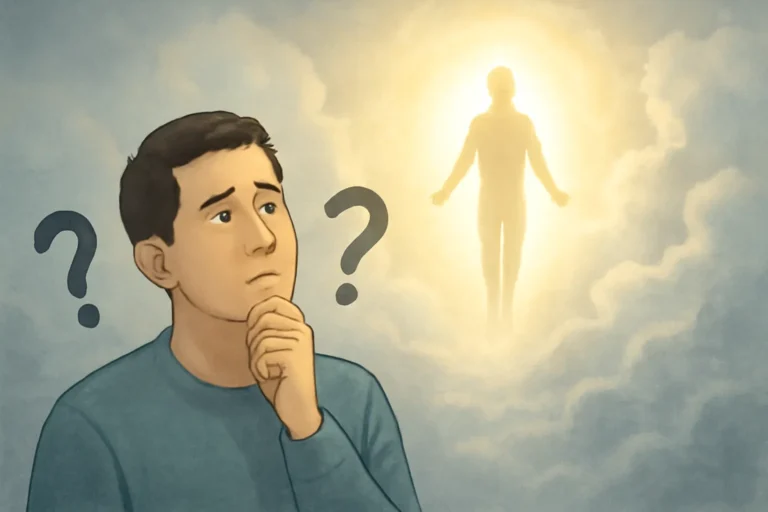
Introduction: A Question Across Traditions
The question what happens after death has echoed through the halls of temples, churches, mosques, monasteries, and many other sacred spaces for millennia. It is not simply a metaphysical curiosity; it shapes how communities understand life, moral responsibility, and communal memory. Across diverse religious landscapes, the search for answers about the moment when breath leaves the body is tied to broader concerns: the meaning of existence, the justice of the world, the fate of the soul, and the possibility of reunion with loved ones.
In this article, we survey a broad spectrum of religious traditions to illuminate what happens after death from theological, ritual, and experiential perspectives. We also explore variations of a second central question, is there an afterlife, and how different cultures interpret the continuity or conclusion of personal identity after death. The aim is not to decree a single truth but to present the rich tapestry of beliefs that shape moral life, communal identity, and personal hope.
Two Central Questions in Focus
In discussing death and postdeath possibility, two questions recur with their own semantic lifelike strands:
- What happens after death? This question invites descriptions of processes—judgment, passage through borders, the journey of the soul, or the cessation of consciousness—according to different faiths.
- Is there an afterlife? This inquiry asks whether existence continues in some form, and if so, what that form looks like—eternal reward or punishment, ongoing reincarnation, or a final extinction of personal identity.
Throughout this article, you will encounter semantic variations of these questions, such as what occurs following death, what follows life, what becomes of the soul after death, or does life persist beyond the tomb. These variants help illuminate how different traditions encode meaning into the moment of passing and into the imagined future beyond it.
It is helpful to approach the topic with humility, recognizing that religious frameworks employ distinct terms, cosmologies, and ethical priorities. Some traditions emphasize a final judgment and a clear division of outcomes, while others emphasize ongoing cycles, spiritual realization, or a collapse of conventional distinctions between life and the beyond. Regardless of the particular doctrine, the questions about death ultimately point to what a community regards as worthy living and how it remembers those who have left this world.
Christian Perspectives on What Happens After Death
Christianity offers a wide range of eschatological outlooks, yet many features recur across denominations: a personal judgment, the hope of eternal life, and the transformation of creation. The vocabulary includes terms such as heaven, hell, purgatory (not universally accepted, but influential in certain traditions), and the resurrection of the body.
Heaven, Hell, and the Resurrection
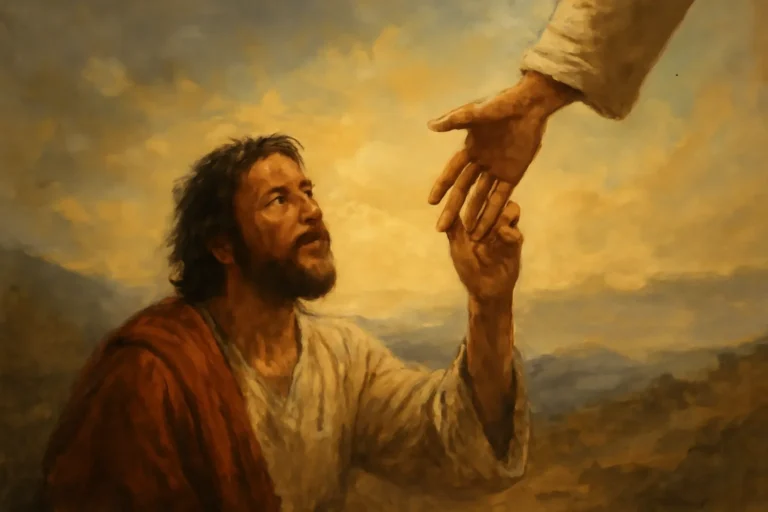
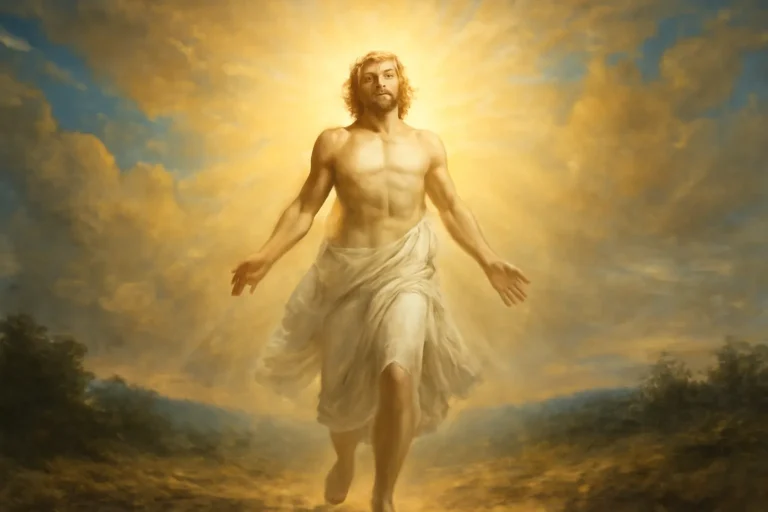
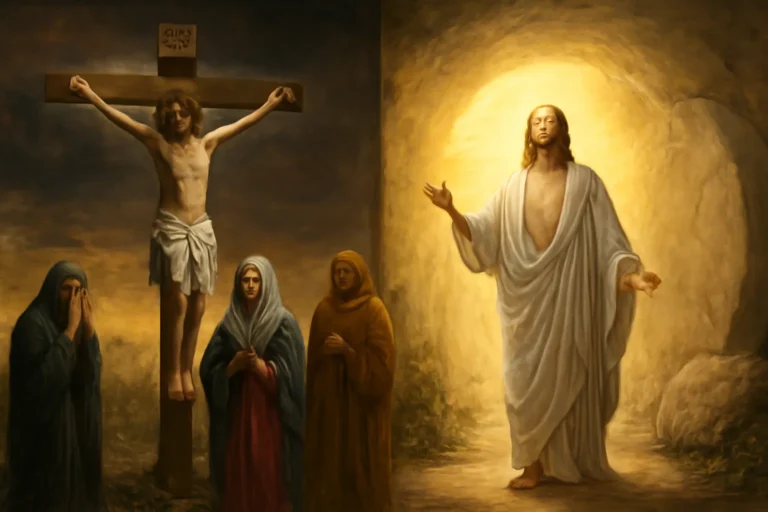
In classic Christian teaching, the moment of death is followed by a judgment that reveals the allegiance of the heart. The righteous enter heaven or dwell in the presence of God, while the unrighteous may face hell, a state or place of separation from the divine presence. A parallel thread across many traditions is the Christian expectation of a future resurrection of the dead, wherein the physical body is renewed and integrated with the soul in a restored creation.
Variations Across Denominations
- Roman Catholicism emphasizes purgatory as a purification process for some souls before entering heaven, though this concept is debated and not accepted in all branches of Christianity.
- Eastern Orthodoxy foregrounds the mystery of theosis and a transformative communion with God, often framed in terms of participating in God’s glory rather than a simple binary of reward and punishment.
- Many Protestant traditions stress justification by faith, a personal relationship with Jesus, and a future bodily resurrection, while sometimes avoiding a fully defined doctrine of potently tangible afterlife spaces.
Ritual and Memory
Across Christian cultures, funeral rites, prayers for the departed, and the commemoration of the dead serve both pastoral and doctrinal functions. They affirm the value of the deceased in the community’s memory, provide consolation for the living, and, in many cases, express the hope that life continues in union with God beyond the grave.
Islam and the Day of Judgment
In Islam, belief about what happens after death (tumultuous and evocative drama for some) is rooted in the Qur’an and the sayings of the Prophet (hadith). The afterlife is conceived as a concrete, moral order in which humans are held accountable for their deeds, and the unseen realms of Barzakh, the intermediate state, and the Day of Judgment are described with vivid imagery.
Barzakh: The Intermediate State
After death, souls are believed to enter Barzakh, a kind of barrier or intermediate realm where they await the final resurrection. The experience is understood differently by scholars, but a common thread is that this period is not the same as earthly life and is influenced by how one lived in this world.
Jannah and Jahannam: Heaven and Hell
On the Day of Judgment, individuals stand before God, and their deeds are weighed. Those who have lived righteously and with mercy may enter Jannah (paradise)—a place of enduring peace, beauty, and closeness to the divine. The fate of those who rejected righteousness is described as Jahannam (hell), a state of hardship and separation. The mercy of God, as well as his justice, is emphasized in Islamic eschatology.
Mercy, Intercession, and Hope
Islam traditionally holds that God’s mercy is fundamental and that intercession by prophets and saints can be meaningful for some believers. Yet the ultimate judgment remains with the Creator. Believers often find comfort in the assurance that existence does not abruptly end at death but continues toward a new divine evaluation and a reordering of reality.
Rites of Departure
Funeral practices in Islam emphasize the quick burial, the dignity of the body, communal prayers, and prayers for mercy for the deceased. These practices reflect a theology of life after death that shapes how the community grieves, supports the bereaved, and remembers the one who has passed away.
Hindu Concepts of Samsara and Moksha
Hinduism presents one of the most expansive and nuanced models of life after death, grounded in the ideas of samsara (the cycle of birth, death, and rebirth) and moksha (liberation from that cycle). The soul, or atman, is seen as eternal, gradually realizing its unity with the ultimate divine reality, often described as Brahman.
Samsara, Karma, and Rebirth
The moral law of cause and effect, karma, shapes each reincarnation. Actions in one life influence the conditions of future lives, in a drama that spans countless ages. Some schools emphasize a gradual ascent toward spiritual understanding, while other paths allow for sudden transformation through grace or revelation.
Moksha: Liberation and the End of the Wheel
Moksha is the ultimate goal: the soul’s release from the cycles of birth and death, resulting in a state of pure consciousness, joy, and unity with the divine. Different schools describe how moksha is achieved—through knowledge (jnana), devotion (bhakti), disciplined action (karma), or a combination of paths—yet all share the conviction that life after death is not a permanent ending, but a transition toward ultimate peace.
Rituals and Belief in Ancestors
Hindu death rites are deeply ritualized and vary by region and tradition. The departed are honored through acts that aid the journey of the soul, including lighting lamps, offering food, recitations of mantras, and rites such as shraddha. These practices reflect a sense that the dead remain a part of the cosmic family and can influence the living through memory and ongoing spiritual connection.
Buddhist Views on Rebirth and Nirvana
Buddhism presents a nuanced approach to life after death, often avoiding the language of a permanent, unchanging self. Instead, it teaches anatta (no-self) and a continuous process of dependent origination that leads from birth to death to new life, driven by ignorance and craving. The ultimate aim is the cessation of suffering through attaining nirvana.
Rebirth Without a Permanent Self
In many Buddhist traditions, what continues after death is not a persistent soul but a stream of consciousness conditioned by karma and mental factors. The result is a new existence, which could be human, divine, or in some realms of desire or form. The precise form of rebirth is said to depend on one’s actions and intentions.
Nirvana: The End of the Cycle
Nirvana represents the extinction of craving and the cessation of the cycles of birth and death. It is often described as the highest happiness, a state beyond ordinary perception, and not exactly “a place.” For many traditions, nirvana is the ultimate goal of spiritual practice that grants freedom from the fear of death.
Ritual and Memorial Practices
Buddhist funerary practices emphasize compassion, mindful presence, and the belief that the deceased may benefit from prayers, sutras, and dedicated merit. While some forms of Buddhism outline specific funeral rites, the overarching aim is to help the deceased move toward a favorable rebirth and to comfort the living with the Dharma’s perspective on impermanence.
Judaism and the World to Come
Jewish interpretations of the afterlife have varied across eras and communities, often balancing a focus on life in this world with hope for a future existence. The language includes concepts such as Olam HaBa (the world to come), Gan Eden (the Garden of Eden), and Gehinnom (a purgatorial or corrective process rather than eternal punishment in many traditions).
Olam HaBa and Resurrection
Some strands of rabbinic literature envision a future era of restoration and justice, where the righteous experience a transformed order. Resurrection of the dead is a theme in certain historical periods, though not universal in modern Judaism. The emphasis often lies in ethical living now and the memory of the dead within the community.
Gehinnom: A Place of Correction or Punishment
Gehinnom is frequently presented as a temporary, purifying process rather than a forever dwelling place. The length and nature of this purgation vary in different texts, reflecting a concern for divine justice tempered by mercy and pedagogical intention.
Ritual Practice and Mourning
Jewish burial customs—prompt burial, simple preparation of the body, mourning periods (shivah, shloshim), and memorial prayers—express a dignity for the dead and a commitment to support the grieving. Prayer for mercy and for the soul to find rest is a core component of communal life.
Sikhism: Union with the Divine and the Cycle of Life
Sikhism teaches that the soul travels through cycles of birth and death until it meets union with Waheguru, the divine presence. The path to liberation involves living in accordance with the divine Name (Naam), ethical conduct, and service (seva). The afterlife is framed within the context of ongoing spiritual progression toward unity with the divine.
Rebirth and Liberation
In Sikh thought, the soul passes through multiple lives, driven by karmic impressions. The ultimate aim is mukti, freedom from the cycle of reincarnation, attained through devotion, remembrance of God, truthful living, and compassionate action toward all beings.
Rites for the Departed
Sikh rituals for the dead emphasize the recitation of the divine name, the maintenance of communal support for the bereaved, and the continuing memory of the deceased as part of the ethical life of the community.
Zoroastrianism and the Chinvat Bridge
In Zoroastrian eschatology, the soul faces judgment after death and crosses the Chinvat Bridge, which measures the soul’s righteousness. The bridge’s width is said to reflect moral choices made in life; eventually, the soul reaches a reward in the fourty-two heavens or falls into the house of punishment, depending on divine judgment and the balance of good deeds.
Afterlife and Ethical Life
The Zoroastrian framework links ethical living with the destiny of the soul. Righteous actions lead to a favorable afterlife, while corruption and dishonesty jeopardize one’s future. The ritual life emphasizes purity, truth-telling, and care for the community as preparations for the journey beyond death.
Indigenous and Other Religious Conceptions of the Afterlife
Many indigenous and regional belief systems conceive death as a transition into the company of ancestors, spirit realms, or the cycles of nature. These views often encode a reverence for continuity—between the living and the dead—and emphasize relational ethics, memory, and place.
Ancestor Spirits and Cosmologies
In many cultures, deceased relatives are remembered as ongoing presence and guidance. Rituals honor ancestors, sustain social bonds, and align the living with stories of origin. The afterlife, in these traditions, may be less about reward or punishment and more about harmony, responsibility, and reciprocity with the kin and the land.
Nature-Centered Eschatologies
Some belief systems view the afterlife as harmonizing with cycles of nature—renewal, metamorphosis, and seasonal renewal. The boundary between life and death can be permeable, allowing for a continual relation with the land, weather, and animal kin.
Rites, Prayers, and Ethical Living: How Communities Engage with Death and the Afterlife
Across traditions, rites around death aim to comfort the bereaved, guide the deceased, and interpret death to living members. These practices often carry a triple function: to honor the dead, to strengthen communal identity, and to cultivate a moral orientation in the living.
Funeral Rites and Mourning Practices
- Prompt and respectful handling of the body as a sign of dignity for the deceased.
- Prayers, readings, or recitations drawn from sacred texts to petition mercy or mercy-seeking for the departed.
- Communal gatherings that provide shelter to the bereaved, often including shared meals, storytelling, and the commemoration of the deceased’s life.
- Rituals that reframe death as a meaningful transition rather than a mere end.
Diet, Purity, and Ethical Conduct as Preparation for Death
Several traditions link ethical living to the prospects after death. Practitioners may seek to align daily actions with moral and spiritual ideals—love for neighbor, truth-telling, generosity, humility—so that the next life, if it exists, is shaped by fidelity to those ideals.
Prayer and Remembrance
Remembrance is a powerful practice in many faiths. The living call to mind the deceased through prayers, recitations, and acts that generate merit or peace. The memory of the loved one becomes a spiritual resource that sustains family and community.
Near-Death Experiences and Interpretive Meaning
Some people report near-death experiences (NDEs) that they interpret through religious or spiritual lenses. Accounts vary widely but commonly include sensations of moving through a tunnel, encountering light, or encountering beings of guidance. Whether these experiences are interpreted as glimpses of a beyond, or as neurologically induced phenomena, they have undeniably influenced religious imagination and personal belief about life after death.
Interpretive Perspectives
From within a religious frame, NDEs can be seen as temporary journeys that illuminate moral and spiritual priorities: a call to compassion, gratitude, and ethical living. Some communities view NDEs as validation of doctrinal expectations—such as movement toward a divine presence, or the reinforcement of a particular moral outcome after death—while others regard them as psychologically meaningful but not doctrinally decisive.
Critical Reflections
Skeptics may caution that NDEs are shaped by culture, memory, and brain activity under stress. Yet even as explanations vary, the capacity of NDE narratives to comfort the living and reframe fear of dying is a notable feature across many religious communities.
Conclusion: The Living Horizon
Across the religious spectrum, the question what happens after death invites a duet of existential inquiry and moral orientation. Some traditions speak with concrete vocabularies of judgment, reward, and cosmic order, while others emphasize ongoing cycles, spiritual realization, and the ultimate mystery that surpasses human comprehension. The related question is there an afterlife often emerges alongside questions about memory, justice, and the meaning of life here and now.
In practical terms, religious communities respond to death by offering meaning-making frameworks, communal care, and rituals that help people live with loss while preserving hope. These frameworks shape how communities interpret the meaning of suffering, how they forgive, how they honor the dead, and how they imagine the future—whether in a realm of reward, in cycles of renewal, or in a liberated existence beyond description.
Two Essential Ways to Engage with the Question
- Theological engagement: Explore doctrinal claims about the afterlife, the nature of the soul, and the ultimate destiny of humanity within a particular tradition.
- Practical spirituality: Examine how beliefs about death shape daily life, end-of-life care, ethical decisions, and how communities remember and honor the dead.
Whether one adheres to a narrative of eternal life, a cycle of rebirth, a transformative awakening, or a quiet mystery beyond language, the religious discussion of death ultimately reframes how people choose to live now. The ethical call, to love mercy, to seek justice, and to act with compassion, often remains central across traditions, even when the specifics of the afterlife differ.
If you are exploring the afterlife in a scholarly, devotional, or pastoral context, consider engaging with primary sacred texts, pastoral letters, liturgical poetry, and the lived practices of communities. By attending to ritual, doctrine, and memory together, you gain a fuller sense of how people reckon with the moment of death and what they hope lies beyond it.
In closing, the question what happens after death is inseparable from the question is there an afterlife. The answer is not a single, universal dogma but a constellation of beliefs that reflect human longing for continuity, justice, and mercy. The conversation continues to evolve as new voices enter the dialogue, as communities interpret texts in changing historical circumstances, and as individuals bear witness to their own experiences of loss and transcendence.