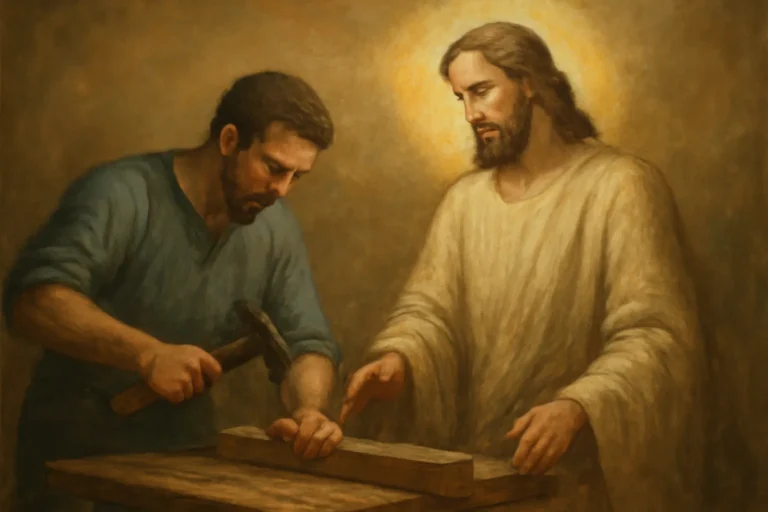
Working Alongside a Miracle-Working God is a dynamic vision that invites believers to blend faithful action
with divine enablement. It is not a mere metaphor, but a lived reality in which human effort and God’s miraculous intervention cooperate for
the flourishing of people, communities, and creation. This article explores the meaning, foundations, disciplines, and practical implications of partnering with the God who performs wonders, with the aim of guiding readers toward a robust and biblically informed practice of faith in action.
The Concept: What It Means to Work Alongside a Miracle-Working God
To work alongside a miracle-working God is to enter a space where human responsibility is affirmed, yet it is deliberately placed under divine sovereignty.
It involves both faith that God can intervene and humble readiness to join in God’s purposes, even when outcomes transcend ordinary means.
In practical terms, this partnership can be described as a spectrum ranging from:
- Awaiting divine timing and listening for the Spirit’s prompts, to
- Acting in obedience to seek justice, mercy, and restoration, knowing that God’s power accompanies faithful steps.
- It is not passive mysticism nor crude formula for control; it is a solemn trust that the living God works through a faithful human vessel.
When people say they are partnering with a miracle-working God, they often mean a posture of alignment: their decisions are shaped by Scripture, guided by the Spirit, and saturated with a pervasive sense that God invites ordinary people to participate in extraordinary outcomes.
Historical and Theological Foundations
Old Testament Roots: God as the Source of Power
The miracle-working God is not a novelty of Christian experience; it has deep roots in the narratives and theology of the Bible. In the Old Testament, God’s people learn to trust Him for provision, protection, and power in moments of crisis. Elijah and Elisha model a pattern of partnership that begins with petition, proceeds through obedience, and culminates in demonstrations of divine intervention. The widow’s oil, the multiplication of flour, and the return of a son illustrate how human need meets heavenly supply when faith and obedience intersect.
The underlying principle is that God’s covenantal faithfulness creates a space in which human agents participate in the revelation of divine goodness. To work alongside a miracle-working God is to acknowledge that human beings are not the ultimate source of power, but faithful stewards of the grace God supplies.
New Covenant: The Gospel of Power in the Person of Christ
In the New Testament, the ministry of Jesus embodies a radical convergence of continuity and novelty—the same God who acted in the prophets is revealed in Jesus as the one who brings the kingdom near, heals the sick, raises the dead, and forgives sin. The apostolic church is portrayed as a community that continues in that power by the Spirit. The call to partner with God in miracles remains a call to humble service, not spectacle; to align with God’s purposes, not to glorify human capacity.
The apostle Paul speaks of believers as fellow workers with God (1 Corinthians 3:9). That language captures a partnership shaped by mission and an openness to God’s sovereign interventions. Theological reflection on these texts has produced a long tradition that affirms divine enablement while insisting on responsible stewardship, ethical discernment, and a commitment to love for neighbor.
Personal Disposition: Faith, Obedience, and Expectation
A genuine partnership with a miracle-working God begins in the heart. The spiritual biography of a person who works with God often includes three interwoven strands: faith, obedience, and expectation grounded in love.
Faith as Trustful Readiness
Faith is not a passive belief that everything will be solved by human effort alone; it is a confident reliance on the character and promises of God. It is the conviction that God is able and willing to act, and that humans are invited to participate in that action. This faith should be courageous yet careful, hopeful yet humble.
Obedience as a Responsive Alignment
Obedience means seeking God’s will in prayer, Scripture, and community discernment. It means submitting personal plans to God’s purposes and choosing steps that reflect love, justice, and mercy. Obedience does not guarantee control over outcomes, but it does ensure alignment with divine intention.
Expectation in Love: Theological Realism
Expectation must be anchored in love and in fidelity to God’s moral direction. The rise and fall of expectations can lead to disappointment or manipulation if not checked by a canonical moral framework. The true expectation is that God’s good will is advanced through acts of mercy, restoration, and healing for the vulnerable.
- Humility before God’s sovereignty—recognizing that miracles belong to God, not to human autonomy.
- Prayerful patience—holding onto hope while waiting for God’s timing.
- Accountability—sharing experiences with trusted mentors to maintain integrity.
- Compassion—ensuring that miraculous outcomes benefit others and honor God.
Practices and Disciplines for Partnership with Divine Power
Engaging with a miracle-working God requires disciplines that cultivate receptivity to divine initiative and readiness to respond in faith. The following practices form a practical framework for living as a co-laborer in the miraculous.
Prayer as a Lifestyle
Prayer is not merely a ritual before acts of ministry; it is the atmosphere in which discernment, courage, and reliance on God are formed. A sustained practice of intercession, praise, confession, and listening helps a believer recognize the Spirit’s invitations.
- Daily intercession for neighbors, communities, and needier places.
- Corporate worship that invites the Holy Spirit to empower mission.
- Listening prayer that seeks God’s perspective before decisions.
Scripture as Anchor and Lens
The Bible provides a grid for interpreting signs and wonders. It also calibrates expectations so that experience does not drift into sensationalism. Reading Scripture with humility helps believers distinguish between genuine divine action and human impulse.
Fellowship and Accountability
Community life protects against spiritual arrogance and helps in testing prophetic impressions. Trusted mentors, elders, or spiritual directors can provide counsel, correction, and encouragement.
Acts of Mercy as the Ground of Miracles
The most credible miracles are those that reveal God’s heart for the poor, the marginalized, and the vulnerable. Compassionate action—feeding the hungry, comforting the broken, advocating for justice—often becomes the setting in which God’s power is displayed.
Stories of Collaboration: Biblical Examples
Throughout Scripture, ordinary people become participants in extraordinary demonstrations of God’s power. These stories offer encouragement and parameters for contemporary practice.
Elijah and the Widow: Dependence and Provision
In a season of drought, the prophet Elijah collaborates with a widow in a small act of hospitality. What begins as an act of trust becomes a revelation of God’s multiplier power—the flour and oil do not run dry, illustrating how partnership with the divine leads to sustained provision in unlikely places.
Jesus and the Feeding of the Multitude: Weaving Compassion and Miracle
Jesus models co-laboring with heaven by demonstrating that compassionate action (feeding the crowd) is integrated with divine intervention (miracle of bread). The disciples participate by distributing what they have, while Jesus opens a way for abundance to emerge from scarcity.
Paul and the Macedonian Call: Courageous Initiative
The apostle Paul embodies collaborative ministry as he moves in response to a dream and the Spirit’s urging. His team acts with boldness while trusting God for results, showing how people walk with a miracle-working God in cross-cultural mission.
The Role of Prayer and Action
A robust partnership with a God who does wonders requires both contemplative prayer and concrete action. Prayer softens the heart to hear God and strengthens courage; action demonstrates faith in God’s power and love.
- Intercede for justice and mercy in concrete contexts, not only for personal comfort.
- Act with discernment—do not rush into risky steps without seeking wisdom from Scripture and community.
- Test and account for outcomes—praise God for what is good, examine what did not align with love, and adjust accordingly.
The balance between prayer and action preserves integrity while opening space for God to intervene. This balance is essential to prevent both passivity and manipulation, ensuring that the relationship with the miracle-working God remains rooted in love.
Community and Corporate Work in the Miraculous
While individual faith is vital, the most durable expressions of working alongside a miracle-working God occur within communities that worship, serve, and witness together. Churches, missions organizations, and informal networks can become laboratories for learning how to cooperate with heavenly intervention.
- Worshipful communities cultivate reverence for God’s power while safeguarding against sensationalism.
- Equipped teams practice discernment and accountability in the use of spiritual gifts.
- Integrated ministries couple proclamation with deeds of mercy, revealing the relevance of God’s miracles to daily life.
In corporate settings, miracles are not simply personal breakthroughs; they often serve communal goods—restoration of broken relationships, reconciliation across cultural divides, or healing of systemic wounds. This broader horizon redefines what it means to work alongside a divine miracle worker as a shared enterprise of grace.
Ethical Considerations and Theological Boundaries
Any robust theology of partnering with God’s power must wrestle with ethical considerations and boundaries. The possibility of manipulation, manipulation, or coercive displays of power is a serious concern. A faithful community will insist on: transparency, humility, consent, and an unwavering commitment to dignity and justice.
- Guard against sensationalism: signs and wonders must point beyond themselves to the gospel’s transformative goals.
- Respect human agency: God’s power never overrides the moral agency of others or the dignity of the vulnerable.
- Maintain doctrinal integrity: miracles must be interpreted in light of Scripture’s overarching narrative about God’s character and purposes.
Theological boundaries also encourage healthy skepticism where claimed miracles would undermine the gospel or foster dependency on people rather than God. The aim is a mature faith that trusts God while cultivating wisdom, accountability, and pastoral care.
Challenges and Misconceptions
The path of partnership with a miracle-working God is not free from difficulties. Common misconceptions can derail faith or distort experience.
- Miracles as trophies: Treating miraculous events as personal trophies rather than opportunities to bless others.
- Manipulative expectations: Assuming God must intervene in a particular way or timing because of our prayers.
- Patterns of exclusivity: Believing power is reserved for a privileged few rather than shared by all who belong to Christ.
- Anesthesia to suffering: Failing to hold together divine sovereignty with the reality of suffering in a broken world.
A healthier approach invites ongoing reflection, repentance when necessary, and renewed commitment to love as the bottom-line criterion for any demonstration of divine power.
Moving Forward: Living as Co-laborers in the Miraculous
To live as someone who works alongside a miracle-working God is to adopt a life marked by intentionality, invitation, and service. It is a daily apprenticeship to discern and participate in God’s work through ordinary and extraordinary means.
- Remain rooted in Scripture as the trustworthy guide for discerning God’s will.
- Seek the Spirit’s leading in every major decision, especially when outcomes involve others’ lives.
- Practise patience yet act decisively when there is clear divine invitation.
- Carry responsibility with humility, acknowledging that God’s power is for the sake of love, not personal glory.
- Celebrate the ordinary in tandem with the extraordinary, recognizing that miracles often unfold in the course of everyday faithfulness.
The call to partnership with God’s miraculous power invites every believer to contribute their gifts in service of others. Whether in preaching, teaching, caregiving, advocacy, or creative expression, the invitation remains the same: cooperate with God’s purposes, trust His sovereignty, and rejoice in the possibility that the divine may work through you today.
Practical Exercises and Reflection
The following exercises are designed to help individuals and groups cultivate a lived practice of working alongside a miracle-working God. They are adaptable for personal devotion, family routines, or church cohorts.
Exercise 1: Discernment Journal
Over a two-week period, record occasions when you sense a prompt toward action. For each entry, note:
- The perceived prompt and the context
- Your initial response and subsequent actions
- Outcomes observed and how they aligned with love and justice
- Any discernment from Scripture or community feedback
Exercise 2: Partner Prayer Circles
In a small group, rotate leadership in prayer for specific needs in your local community. After praying, invite volunteers to offer practical steps they could take that align with those needs. The goal is to see whether God’s power manifests through coordinated action rooted in love.
Exercise 3: Scripture-First Miracle Mapping
Create a map of several gospel miracle events. For each case, write down:
- What actions the human participants took (co-laboring steps)
- What prayers or supplications preceded the event
- What followed as a result for the community
- Lessons applicable to current ministry contexts
Exercise 4: Testimony and Accountability
Establish a rhythm of sharing testimonies of anomalies or notable outcomes attributed to divine intervention, followed by constructive critique and guidance from trusted mentors. This practice fosters accountability and guards against sensationalism.
Glossary of Key Terms
The following terms recur in discussions about working with a miracle-working God. They are defined briefly to aid clarity and consistency across conversations, sermons, and study groups.
- Miracle: A divine intervention that surpasses ordinary natural processes to reveal God’s power and love.
- Partnership: A cooperative relationship in which human beings and God join forces toward a common good.
- Discernment: The process of distinguishing God’s voice, will, and timing from other influences.
- Prophetic witness: Utterances or impressions believed to reflect God’s perspective for a moment in time, tested by Scripture and community.
- Kingdom formation: The broader work of God in restoring justice, mercy, and peace in creation, often seen as the context in which miracles occur.
Closing Reflections: A Vision for Everyday Miracles
The invitation to work with a miracle-working God is not a private promise but a public calling. It invites churches, families, ministries, and individuals to live with open hands—ready to receive from God and ready to give away in love. It challenges believers to cultivate the disciplines that honor God’s power while protecting the dignity of every person involved. When people partner with the divine in this way, miracles are not merely events; they become signs of a new creation breaking into the ordinary, a compelling testimony to the goodness of God, and a transformative force in the world.
In a world that often pursues quick fixes and self-glorification, the path of co-laboring with the God of wonders remains a countercultural vocation: a vocation that esteems character over spectacle, mercy over triumphalism, and love as the ultimate measure of power. May every believer who seeks this partnership find in God the source of courage, the posture of humility, and the joy of partnership that endures beyond the moment of miracle.