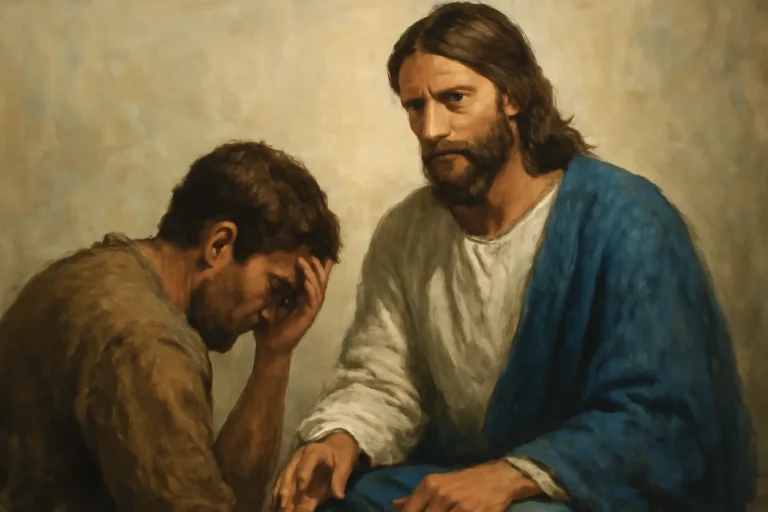
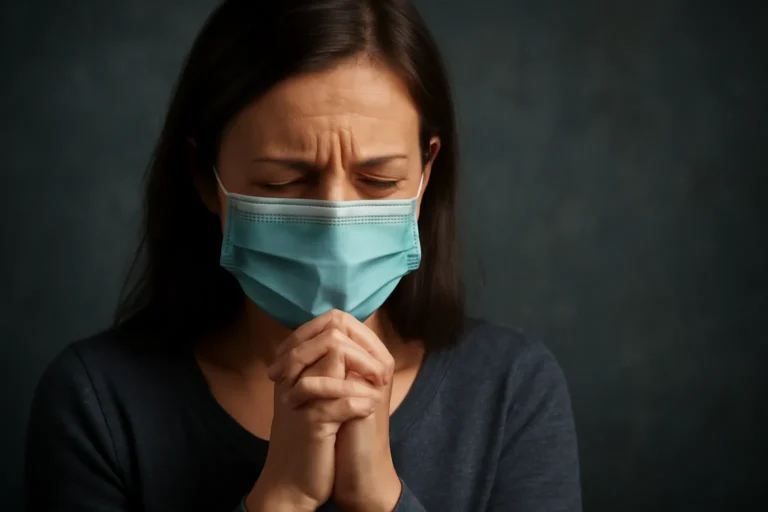
A Prayer in the Face of a Pandemic is more than a whispered plea or a communal rite; it is a spiritual stance that we adopt in the presence of fear, uncertainty, and loss. In every faith tradition, the act of turning toward the sacred in moments of crisis serves both as a source of consolation and as a catalyst for compassionate action. This article offers a comprehensive, multi-faith exploration of prayer in the time of contagion—how it is understood, practiced, taught, and lived. It seeks to illuminate how prayer in the face of a pandemic can be theological, pastoral, educational, and deeply personal, while also acknowledging the social responsibilities that accompany prayerful life.
The Question and the Context
When a viral outbreak spreads, communities ask difficult questions: Where is God in suffering? What does faithful responsibility look like in the face of risk? And perhaps most urgently, how can prayer become a real force for healing, justice, and solidarity? Across times and traditions, the response to these questions has been varied, yet one thread is common: prayer is not a substitute for action but a call to courage, humility, and interdependence.
Historical memory: plagues and prayers
Throughout history, pandemics have provoked deep spiritual reflection. In the medieval period, communities gathered in chapels and churches to petition for relief from plague and pestilence, while some drew strength from rituals of lament. The modern era has seen diverse expressions: intercession led by religious communities, liturgical reform to address new fears, and a shift toward public health-informed spiritual practice. In many traditions, outbreaks have also catalyzed social renewal—care for the ill, the vulnerable, and the marginalized becomes a way of expressing faith in action. In this sense, prayer in the face of a pandemic often becomes a conduit for ethical behavior and communal resilience.
The Concept of Prayer in the Pandemic Era
To speak of prayer in the face of a pandemic is to recognize multiple modalities: personal devotion, family rituals, liturgical intercession, and collective worship. Each mode carries its own power and limitations, and together they form a tapestry in which the sacred can address both the inner life and outward reality.
Definitions and varieties
- Intercessory prayer (petitions on behalf of others) as a compassionate focus for communal concern.
- Supplication (humble request) when fear is acute and needs are clear.
- Lament (honest sorrow before God) that names pain and injustice without collapsing faith.
- Thanksgiving for healing, resilience, and the quiet mercies that sustain life.
- Confession and repentance as a path to moral renewal and social healing.
- Thankful wonder—a reverent astonishment at life’s fragile beauty amid crisis.
A Theological Framework for Prayer in Crisis
Different religious traditions articulate a robust and nuanced understanding of prayer in the face of a pandemic. While the language and practices vary, the underlying questions—what is prayed to, what is asked for, and how the community responds—show remarkable resonance across faith lines.
In Christian theologies, prayer often embodies a conversation with a gracious and just God who invites trust amid uncertainty. Intercessory prayer is seen as standing in solidarity with the suffering, joining others in their distress, and seeking divine accompaniment for doctors, caregivers, and patients. Theologies of healing emphasize both spiritual restoration and moral responsibility, recognizing that the prayerful life includes acts of mercy, advocacy, and service.
In Jewish practice, the tradition of lament—yet also of lament with hope—provides language for naming sickness and fear while anchoring faith in the covenantal hope of repair and justice. The practice of communal prayer, remembrance, and healing rituals affirms that when prayer in the face of a pandemic is offered, it is also a summons to protect the vulnerable, to follow medical guidance, and to pursue systemic improvements that reduce risk.
Islamic spirituality frames prayer as a direct and intimate encounter with the One God, where du’a (supplication) expresses longing, gratitude, and trust. The Qur’anic call to seek protection from harm, to care for the sick, and to pursue just stewardship of the earth offers a moral vocabulary that guides both personal devotion and communal response.
In Hinduism and Buddhism, the problem of suffering is approached through practices that cultivate inner resilience, compassion, and ethical living. Prayer in the face of a pandemic can take the form of meditative concentration, reframing suffering as a teacher, and dedicating merit to healing and relief. The languages of karuna (compassion) and maitri (loving-kindness) illuminate how spiritual practice translates into care for others.
Practical Forms of Prayer in Crisis
In a pandemic, practical prayer is inseparable from practical action. The following forms help communities enact faith responsibly while offering comfort to those in distress.
- Daily prayerful reflection that acknowledges fear while naming gifts and blessings.
- Family rituals that include shared blessings, readings, and moments of silent listening.
- Journaling of prayers and hopes to trace the spiritual journey through illness and recovery.
- Periodically revised liturgy to address contemporary anxieties, grief, and care needs.
- Public prayers or streamed services that enable remote participation for the vulnerable.
- Rituals of healing and protection that center both divine mercy and practical care (hand hygiene, safety protocols) as expressions of reverence for life.
- Volunteering to assist neighbors, the elderly, and the medically fragile.
- Donating resources to hospitals, clinics, and community health initiatives.
- Advocacy for equitable access to vaccines, testing, and essential care—an extension of prayer into social justice.
Texts and Prayers: Examples and Variations
- Periodically revised liturgy to address contemporary anxieties, grief, and care needs.
- Public prayers or streamed services that enable remote participation for the vulnerable.
- Rituals of healing and protection that center both divine mercy and practical care (hand hygiene, safety protocols) as expressions of reverence for life.
- Volunteering to assist neighbors, the elderly, and the medically fragile.
- Donating resources to hospitals, clinics, and community health initiatives.
- Advocacy for equitable access to vaccines, testing, and essential care—an extension of prayer into social justice.
Texts and Prayers: Examples and Variations
Prayer in the face of a pandemic often takes the form of carefully crafted texts, but it also thrives in improvisation and shared voice. The following sample prayers are original and designed to be adaptable across traditions. They can be used in private devotion, family settings, or communal gatherings, with appropriate language adjustments to fit context and faith tradition.
O Source of life, in this hour of fear we turn toward You with honesty and trust. We name our pains, we name our WIs: weakness, isolation, and longing for healing. Grant us courage to face each day, wisdom to act with care, and compassion to bind up the wounded. May Your mercy surround the vulnerable, and may Your wisdom guide all who serve in medicine, science, and governance. Amen.
Beloved Healer, You know every heart that labors unseen—the nurse’s tired hands, the doctor’s sleepless nights, the caregiver’s patient endurance, and the patient’s quiet longing for relief. Sustain the bodies that falter, steady the minds that tire, and soften the fears that darken the days. Bless the medicines that restore health, the tests that illuminate truth, and the laboratories that pursue truth with integrity. May our communities embody Your mercy by standing with the vulnerable, speaking truth with gentleness, and acting with justice. May we learn from every trial and emerge wiser, more compassionate, and more committed to healing the world. Amen.
We believe in a God who gathers the broken and breaths courage into the weary. We believe that prayer is a doorway through which courage, care, and honesty pass. We believe that science is a neighbor to faith, inviting us to protect life with knowledge and resolve. We believe that love requires action beyond words, and that solidarity is a form of worship when needs are great. May our prayers in time of plague become deeds of mercy, and may our deeds become prayers that uplift the world.
In demanding times, the faith community often serves as a compass for ethical conduct and a shelter for psychological resilience. Prayer in the face of a pandemic is not a solitary project; it is a communal discipline that calls leaders to embody virtue and communities to practice solidarity.
Religious leaders are called to model humility, transparency, and accountability. By naming uncertainties openly, they build trust and create space for medical guidance, public health measures, and compassionate care. Leadership that merges spiritual counsel with practical aid—such as coordinating food distribution, care for the isolated, and support for healthcare workers—transforms prayer from a private ritual into a public good.
The pandemic brings a landscape of grief: bereavement, separation, missed rites of passage, and financial strain. Communities can respond with ritualized lament that honors loss while weaving a path toward healing. This may include controlled vigils, memorials, and communal prayers that acknowledge pain and affirm ongoing life and meaning.
Care for those most at risk—older adults, immunocompromised individuals, and frontline workers—becomes a concrete expression of faith. When prayer in crisis is paired with acts of protection, vaccination, and resource sharing, it becomes a powerful integration of devotion and duty.
There are ethical considerations in shaping how prayer engages with a pandemic. The following principles help maintain integrity between spiritual reflection and public well-being.
- Honesty about limits: acknowledge what is unknown and resist pious prescriptions that deny scientific guidance.
- Solidarity over spectacle: prioritize care for the vulnerable over performative displays of religiosity.
- Privacy and dignity: honor the privacy of the sick and grieving while offering communal prayers with consent and sensitivity.
- Non-coercion: ensure that prayer remains respectful of diverse beliefs within a plural community.
- Hope grounded in action: couple hopeful language with concrete steps for healing and justice.
Healthy conversations between science and spirituality allow both realms to illuminate human flourishing. Prayer can be understood as a form of meaning-making, emotional regulation, and communal bonding that complements empirical care. The aim is not to replace vaccination, ventilation, or medical treatment, but to enrich the human experience during illness with meaning, courage, and solidarity. Therefore, in many communities, prayer in the face of a pandemic is performed in tandem with public health measures, testing, and clinical care.
Even when physical spaces are restricted, communities have found innovative ways to maintain sacred presence. The arts—music, poetry, iconography, sacred art—tend to deepen the sense of connection and hope. Online liturgies, streamed meditations, and home altars become sanctuaries in exile, where people can offer prayers, light candles, recite scriptures, and practice acts of mercy from their living rooms. In such settings, prayer remains a transformative practice: it shapes conscience, steadies the heart, and strengthens resolve to care for others.
For individuals seeking to sustain a life of prayer in the midst of ongoing contagion, here is a practical guide that centers both reverence and responsibility.
- Begin with grounded breath: calm the body, still the mind, and invite presence in the space where you pray or reflect.
- Name the pain and the praise: openly acknowledge what hurts and what still remains good in life.
- Ask for strength for others: prayers that bless caregivers, scientists, and patients multiply moral energy for action.
- Participate in acts of mercy: combine prayer with concrete steps—support clinics, donate, volunteer, or advocate for fair policies.
- Safeguard community life: maintain safe practices while fostering connection through shared rituals, even at a distance.
- Reflect on meaning: use journaling or discussion to explore how suffering can refine values, deepen gratitude, and renew commitments to justice.
Throughout this article we have used many phrases that describe prayer in the face of a pandemic in varied ways. Here are some additional semantic variants that readers may encounter or employ in their own practice:
- “Pandemic prayer” as a concise shorthand for a range of devotional acts.
- “Prayerful solidarity” that emphasizes communal empathy and action.
- “Supplication during the crisis” focusing on urgent needs and petitions for relief.
- “Liturgical intercession” as a formalized set of prayers within worship.
- “Prayers of lament” that allow honest naming of fear and loss while preserving hope.
- “Petitions for healing and justice” that pair physical well-being with moral reform.
In the ethical life of faith communities, prayer in the face of a pandemic invites a disciplined attention to the dignity of every person. This means advocating for the medically vulnerable, supporting families grieving losses, and recognizing that healing may include social and structural reforms. A robust spiritual ethic refuses to romanticize suffering or to mistake prayer for a magical guarantee of safety. Instead, it affirms that prayer, rightly understood, invites courage, generosity, and perseverance in the pursuit of wholeness for all.
As societies navigate the uncertainties of a pandemic, we witness how prayer in the face of a pandemic can be both a private refuge and a public pledge. It can comfort the afflicted, empower care for the vulnerable, inform ethical choices, and nurture resilience in the heart. The journey of faith in crisis is not a single act but a sustained practice—one in which contemplation and action walk hand in hand. By honoring the sacred within the ordinary, and by naming both fear and hope with candor, communities—regardless of tradition—can cultivate a virtue of steadfastness. In this convergence of devotion and duty, prayer becomes a source of solidarity, a beacon in darkness, and a living invitation to heal a world that aches.
The spiritual landscape around prayer in the face of a pandemic is richly diverse. While the rituals and doctrinal contours differ, many paths converge on a core aim: to sustain life with dignity, to console sorrow, to protect the vulnerable, and to work toward healing through both mercy and justice. This article has offered a cross-cultural lens—one in which the sacred speaks in many tongues but stands for a common call to care for one another. The continuity of prayer through pandemic, plague, and global health crises remains a testament to the enduring power of faith to lighten the heavy days, to temper fear with hope, and to convert prayers into acts that heal the world.