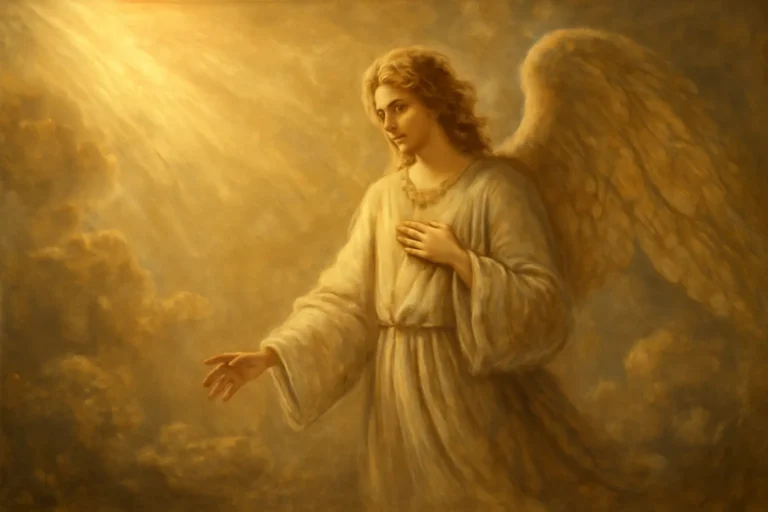

The Power and the Glory: A Theological Exploration
The phrase “The Power and the Glory” evokes a tension that lies at the heart of many religious traditions. It speaks of omnipotent sovereignty and radiant holiness, yet it also confronts human beings with vulnerability, doubt, and mortal frailty. This article seeks to examine how these two threads—divine power and human weakness—intertwine within religious thought, practice, and history. We will explore biblical motifs, theological interpretations, liturgical expressions, and ethical implications, always keeping in view the dynamic relationship between power that creates, sustains, and judges, and glory that reveals, draws near, and invites response.
Foundations of Theological Power
The concept of divine power is not a single, monolithic claim. Across the biblical texts, it appears as active creation, faithful deliverance, transformative grace, and judging authority. Theologies of power insist that power is not merely coercive force but a trustworthy moral energy oriented toward goodness, justice, and the flourishing of life. In many traditions, glory is the shining presence of God disclosed to the world—whether through the majesty of mountains, the tenderness of mercy, or the disruptive intervention that calls people to repentance.
The interplay between power and glory often centers on two convictions:
- Divine sovereignty as the ultimate source and end of all power; and
- Human beings as creatures who live within that sovereignty, capable of response, rebellion, obedience, and transformation.
The moral seriousness of this topic becomes clearer when we attend to the distinction between power in God and power from God. Power in God denotes God’s essential, self-authenticating might—the capacity to bring forth being, to sustain order, and to enact justice. Power from God refers to the real effects seen in history: liberation from oppression, healing of the broken, resounding proclamation of good news. Theological reflection often asks: How does God exercise power without exploiting the freedom of creatures? How can glory be witnessed in the fragility of human life?
The Dynamics of Divine Power in Scripture
Power as Creation and Sustenance
In the opening pages of the monotheistic scriptures, power is inseparable from creation. God’s word brings order from chaos, light from darkness, and life from void. The psalms celebrate this as a profound mystery that invites humanity to respond with reverence and trust. The narrative arc shows a God who is not distant but intimately involved in the ongoing maintenance of existence.
- The act of creation as a declaration of sovereign intent.
- Provision and sustenance as expressions of careful governance.
- Justice as a dimension of divine power exercised for righteousness.
Power in Deliverance and Transformation
The biblical record repeatedly frames power as deliverance—from bondage in Egypt, from exile in Babylon, and from sin in the New Testament narrative. In these stories, divine power is not abstract force but a personal action undertaken for the sake of vulnerable communities. The power that frees also calls for a response: worship, gratitude, obedience, and mercy toward others.
- Power that rescues from oppression
- Power that reforms corrupted structures
- Power that renews the inner life and external relationships
The Paradox of Manifest Glory
In biblical theology, glory is not merely external splendor but the revelation of God’s character—holiness, justice, mercy, steadfast love. The most powerful moments of glory are often paradoxical: they reveal strength through weakness, and triumph through apparent defeat. The cross, a central emblem of Christian faith, presents a compelling example: the crucifixion displays power through vulnerability, the glory of God shining most brightly in the midst of suffering.
Human Frailty: The Anatomy of Weakness
No theological discussion of power and glory can overlook the persistent reality of human frailty. The Bible models a range of responses to weakness—from fear and denial to repentance and ascent. The experience of frailty invites humility before the divine, and it also prompts a redefinition of what counts as true strength.
Vulnerability as a Theological Category
Vulnerability is not merely a lack of strength; it is a moral and spiritual condition that invites dependence on God. In many traditions, acknowledging limitation is the first step toward receiving divine assistance. The language of need becomes a doorway to grace, and the admission of frailty can lead to enriched faith.
Sin, Confession, and the Human Condition
Sin reveals the misuse of power within human life. When people wield power without accountability, or when they seek glory apart from righteousness, they reveal a gulf between human intention and divine purpose. The path of confession—honest accounting of errors, repentance, and renewed commitment—reencounters the grace of God who forgives and restores.
Fear and Faith in the Face of Danger
Fear is a natural response to dangerous circumstances, and it becomes a spiritual signal when it prompts trust in God’s protective presence rather than self-reliant schemes. The arc from fear to faith often involves learning to interpret events through the lens of divine wisdom and sovereignty.
The Cross and the Mystery of Power Revealed
The cross occupies a central place in Christian theology as the ultimate revelation of power and glory in a manner that transcends conventional expectations. The suffering of Christ is not the negation of power but its most subversive demonstration: love that conquers death. This mystery can be approached from several angles:
- The cross exhibits power through weakness—a paradox that redefines strength as self-giving love.
- Glory is refracted through humility, mercy, and grace, not through domination or coercion.
- Redemption emerges as a communal act where grace flows outward to heal a broken world.
Theological reflection often asks whether power can remain truly good if it is exercised in ways that lift up the vulnerable rather than the privileged. The Christian understanding typically affirms that God’s power is most fully revealed where justice and mercy meet in action.
Resurrection as the Pivot Point
The resurrection inaugurates a new regime of power: life after death, hope amid despair, and a community empowered to testify to marvelous things. In this light, glory is not merely a display of triumph but the invitation to participate in God’s ongoing creative work in the world.
The Church as Vessel of Power and Glory
Ecclesial communities have historically understood themselves as carriers of a double reality: divine power bestowed in the Spirit and glory reflected in ethical living, mission, and worship. The church’s life provides a vivid case study of how humans, in frailty and fidelity, enact a power that is not their own.
Liturgy and the Manifest Presence
Worship acts as a sort of meeting place where God’s power and human response converge. In liturgical settings, the divine presence is made accessible through prayer, sacrament, and praise. The ritual acts as a channel for grace to enter communal life, shaping character and empowering service.
Service, Justice, and the Manifest Glory
The Christian tradition has long linked divine power with acts of mercy and social transformation. When communities feed the hungry, advocate for the oppressed, heal the wounded, and welcome the stranger, they enact a visible glory that draws others toward the living God.
Practical expressions include:
- Conscience-led advocacy that challenges systems of injustice with integrity
- Care ministries that embody compassion as a form of power
- Global mission that proclaims a gospel of hope across cultures
Spiritual Practices for Experiencing Power and Glory
Individuals and communities seeking to deepen their experience of divine power and glory often turn to disciplines that cultivate awareness, discernment, and faithful action. The following practices are common across traditions and can be adapted to different contexts.
Prayer as Access to Power
Prayer is a conduit through which believers engage the transcendent reality of God. It is not a manipulation of power but a posture of dependence, trust, and alignment with divine purposes. In prayer, the life of the inner person is shaped by encounters with God’s wisdom and mercy.
Scripture as a School of Glory
Sacred texts teach readers to recognize when power is exercised in alignment with the divine will and when it is misused. Studying Scripture cultivates discernment, moral imagination, and a sense of historical gratitude for generations who have witnessed God’s dependable faithfulness.
Fasting and Contemplation
Practices that involve restraint can reveal the limits of human strength and open space for divine grace to enter. Fasting, contemplation, and silence invite the soul to listen for the gentle wind of God’s presence and to discern how to respond with humility and courage.
Communal Witness and Moral Courage
Collective acts of witness—testimony, worship, and service—assert the reality of power and glory in a shared life. When communities face fear or opposition, they rely on a common memory of grace to move forward with bold humility.
Ethical Implications and Theological Debates
The pairing of power and glory raises ongoing questions about ethics, justice, and human flourishing. Debates often focus on how a transcendent power should relate to political authority, economic systems, and social structures. Three core concerns recur across traditions.
Power with Accountability
A central ethical principle is that divine power seeks accountability in human institutions. Power without accountability becomes coercion; glory without humility becomes vanity. Theologically mature communities seek checks and balances, prophetic critique, and a governance ethos shaped by justice and mercy.
Glory as Moral Inspiration
Glorious reality is not a private treasure chest but a public summons. When believers articulate the beauty of God’s character—justice, mercy, purity, steadfast love—they invite others to participate in a transformative vision of life. The ethical implication is clear: glory should mobilize generosity, reconciliation, and care for the vulnerable.
The Problem of Theodicy and Suffering
The paradox of a powerful, glorious God who allows suffering has long provoked theological reflection. The dominant trend in many traditions is that suffering is not a denial of power but a stage on which power is made discernible in redemptive ways. Suffering can lead to deeper dependence on God, greater solidarity with others, and a more refined moral discernment.
Historical Perspectives: From Prophets to Apostles
Across history, thinkers and spiritual leaders have offered varied readings of power and glory. The prophetic tradition emphasizes God’s justice and the call to repentance; the apostolic writings highlight the empowerment of the Spirit for mission; later theologians reflect on the synthesis of natural and supra-natural power in the Christian life.
Prophetic Cries for Ethical Power
The prophets often challenged rulers who wielded political power without regard for the weak. They insisted that power must be exercised in ways that protect the innocent, feed the hungry, and uphold righteousness. The glory of God, seen as moral beauty, requires a society that reflects justice at its core.
Apostolic Empowerment: The Spirit and Witness
The New Testament presents a church empowered by the Holy Spirit to proclaim good news to all nations. This empowerment is not for self-aggrandizement but for service, healing, and the expansion of divine life into broken places. The glory of the gospel shines brightest when it changes lives and communities.
Theological Synthesis in the Patristic and Medieval Periods
In late antiquity and the medieval era, theologians sought to harmonize the power of God with created freedom and the glory of God with human virtue. They often used contemplative and doctrinal language to articulate how God’s sovereignty coexists with the moral agency of beings made in the divine image.
Contemporary Reflections: Power, Glory, and Justice
In the modern era, questions about power, glory, and justice continue to shape religious discourse. Many communities wrestle with how to interpret political power, how to respond to social harm, and how to embody the gospel in a pluralistic world. The interplay of divine power and human frailty remains a core lens through which contemporary faith communities interpret signs of the times.
Power and Ecumenical Dialogue
In ecumenical contexts, churches explore common commitments to human dignity, peace, and care for creation. The shared experience of frailty—whether in war zones, refugee situations, or poverty—often becomes a catalyst for collaborative action that reflects a common glory visible in neighbor-love.
Global Justice and the Gospel
The gospel’s power to reconcile is often tested in the theater of global injustice. Some theologians argue that genuine power must break systems of exploitation and rewrite structures in ways that enable flourishing for all. In such discussions, the divine glory is not an ornament of doctrine but a transformative force that calls communities to embodied mercy.
Concluding Reflections: Reframing Power and Glory
The dynamic tension between power and glory invites believers to a robust, hopeful, and sober faith. The biblical witness presents power not as domination but as service, not as coercion but as redeeming love. Glory is not a spectacle to be spectacle but a call to participate in God’s kingdom through righteous action, compassionate presence, and faithful stewardship.
In contemplating the spectrum from human frailty to divine power, several principles emerge:
- Humility before the mystery of God’s ways keeps the heart teachable and receptive to grace.
- Trust in God’s sovereignty steadies the person amid life’s turbulences.
- Compassion for the vulnerable reframes power as service and witness as testimony.
- Hope grounded in resurrection and renewal sustains perseverance in the face of suffering.
- Community provides accountability, shared discernment, and the mutual experience of divine presence.
As we navigate the present age, the question remains: how can communities cultivate a bold humility that honors both the mystery of divine power and the reality of human insufficiency? The answer lies in a life of worship that translates into just and merciful action, a faith that engages with the world without compromising truth, and a hope that gazes toward the future where glory—in all its fullness—shall be revealed.
Appendix: Thematic Glossary
The following glossary offers quick references to key terms used throughout this article. The aim is to keep discussions precise while preserving the breadth of meaning that the terms can carry across traditions.
- Power
- In theology, the capacity to bring about what is good, just, and life-giving; often understood as power rooted in God and manifested through creation, salvation, and justice.
- Glory
- The radiant presence or manifestation of the divine in which God’s character is disclosed and beings are invited into a closer encounter with the holy.
- Frailty
- The vulnerable, finite condition of humans that invites reliance on divine grace and dependence on God’s mercy.
- Grace
- Undeserved divine assistance given to beings, often transforming moral character and improving relationships with God and neighbor.
- Salvation
- The deliverance of persons and communities from bondage to sin and death, often understood as a movement toward fullness of life in God.
- Redemption
- The act of restoring what has been broken or lost, accomplished by God’s saving initiative in history and applied through faith and action.
- Incarnation
- The belief that the divine took on human form in Jesus, revealing the depth of God’s solidarity with human beings.