
The Power of the Resurrection: Triumph Over Death
The claim at the heart of Christian faith—that the risen Christ defeated death and opened a doorway to new life—has shaped human history in ways that are both intimate and expansive. This article explores the power of the resurrection from multiple angles: doctrinal, experiential, ethical, and cosmic. We will travel from the ancient foundations of belief to contemporary reflections on how the event of Easter continues to shape identity, hope, and moral imagination. The phrase power of the resurrection will be treated not merely as a theological category, but as a dynamic force that can energize personal transformation and communal renewal.
Theological Foundations: What Is the Resurrection?
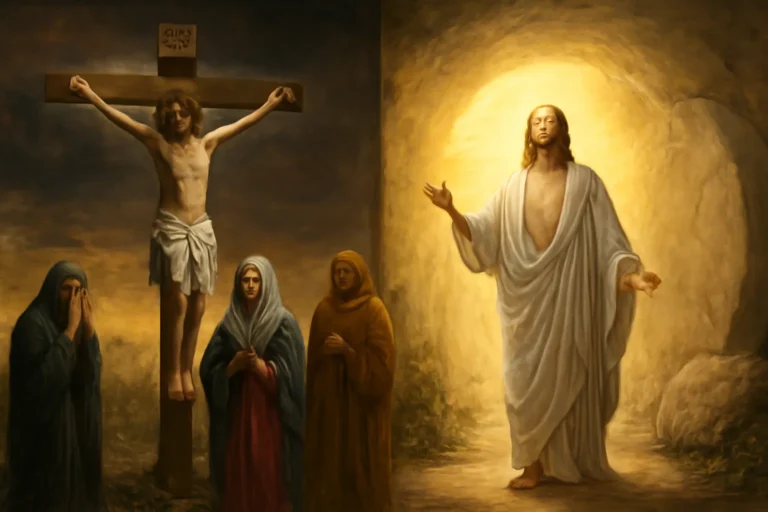
At its core, the resurrection refers to the event by which Jesus of Nazareth was raised from the dead after crucifixion. Across the Christian tradition, this event is interpreted as both a historical occurrence and a transcendent unveiling of divine victory over the grave. The language used to describe this reality is varied—yet converges on a single, transformative claim: death is not the final word. The power of the resurrection is frequently described as a demonstration of God’s faithfulness, a vindication of Jesus’ identity as the Son, and a doorway into a new order of life that is both present and future.
In the broad spectrum of Christian thought, several markers help to articulate the significance of this event:
- Historicity: The empty tomb, post-resurrection appearances, and the early church’s proclamation are seen by many scholars as foundational evidences that point to a real event in history.
- Redemption: The resurrection is inseparable from the church’s teaching about salvation—that God reconciles, heals, and restores broken relationships, beginning with humanity’s estrangement from God.
- New Creation: The power unleashed in the resurrection is understood as the firstfruits of a broader renewal—creation itself is being reordered toward glory.
- Ethical Transformation: The risen life calls believers into a distinctive way of living—marked by courage, mercy, and justice in the face of suffering.
Empty Tomb and the Theological Significance
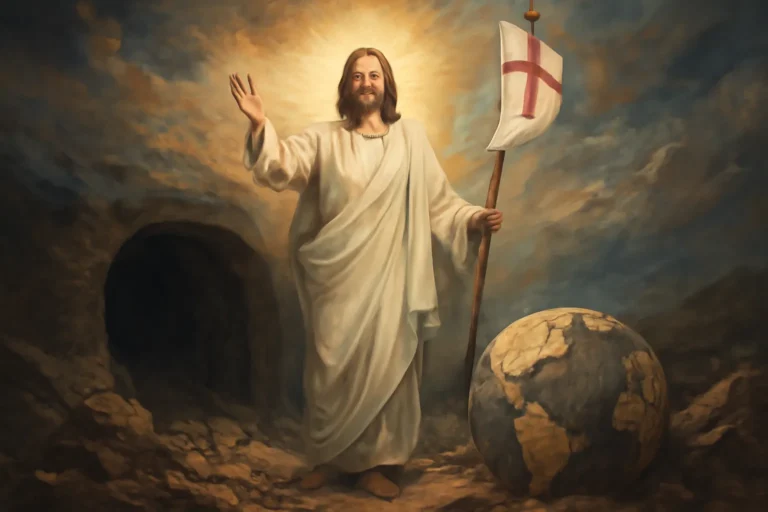
The centerpiece of Easter proclamations is the empty tomb. The absence of Jesus’ body is not merely a sensational clue; it is interpreted as a symbolic and real sign of victory. In the Christian imagination, the empty tomb communicates that the power of the resurrection transcends mere relief from pain. It signals the advent of a new order in which death loses its ultimate power and life breaks forth with a new vitality.
Theological interpreters have explored several layers of meaning connected to this sign:
- Vindication: Jesus is proven to be who he claimed to be, and his teachings acquire final authority beyond the grave.
- Consequence for Sorrow: The empty tomb reframes human grief by pointing to a future release from death’s domination.
- Invitation: The risen Christ invites faith, repentance, and a participation in his life as a community that embodies mercy.
Experiential Realities: The Power of Resurrection in Personal Life
The claim of an alive and present Lord, if accepted, has concrete implications. The power of the resurrection is not an abstract principle; it is a call to live differently. People report experiences of renewal that include a deeper sense of purpose, a reorientation away from despair, and a confidence that hope can survive even in situations that seem hopeless. Theologically, this experiential dimension is often described as the reception of new life through faith, the indwelling of the Holy Spirit, and the transformation of the heart toward love, courage, and compassion.
Consider the following facets of how resurrection power manifests in individuals and communities:
- Hope amid illness: The risen life can sustain believers through illness by anchoring them in a larger narrative that transcends physical vulnerability.
- Forgiveness and reconciliation: The power of the resurrection fosters reconciliation that might otherwise be impossible, enabling fresh starts in relationships.
- Call to mission: The resurrected Christ sends his followers into the world with a purpose that often involves service, justice, and proclaiming good news to the marginalized.
- Resilience in suffering: The energy of new life provides a reservoir of strength that allows people to endure trials without denying pain or denying hope.
Transformed Identity: Becoming a Person Who Lives in Light
One of the most profound effects of the resurrection is the reconfiguration of identity. A person who centers life on the risen Lord increasingly names themselves as someone who belongs to a community of faith, hope, and love. This new identity reorients priorities: allegiance to God’s will above worldly status, generosity over accumulation, and mercy over reactivity. The enduring influence of this shift radiates into families, workplaces, schools, and neighborhoods.
Biblical Witness: Scriptural Narratives of Resurrection Power
The Bible offers a mosaic of testimonies that present the power of the resurrection as both a historical claim and a living reality. Across the Gospels, Paul’s letters, and other New Testament writings, the risen Christ is portrayed as the one who breaks through fear, offers peace, and calls for faithfulness. The transformation described in these texts is not limited to individual believers; it extends to communities that practice hospitality, justice, and communal care.
Some key biblical motifs associated with resurrection power include:
- Peace that passes human comprehension and dispels fear.
- Authority over hostile powers, illness, and despair.
- Glorification of the body in a transformed reality that transcends decay.
Ethical and Cosmic Implications
The power of the resurrection has implications beyond personal piety. It invites a rethinking of ethics, social structures, and even cosmology. If death has been conquered, then systems built on fear, domination, or exclusion must be confronted and transformed in light of the resurrection’s promise. The energy released by this event is described in Scripture as a force that creates and sustains a people whose life embodies justice, mercy, and peace.
Some of the ethical questions arising from resurrection theology include:
- How should communities respond to systemic injustice? The resurrection calls for solidarity with the marginalized and a commitment to practical steps toward equity.
- What is the nature of justice in light of new creation? Justice is not only punishment of wrongdoing but the flourishing of all beings through reconciliation and healing.
- What is the meaning of sacred time? The resurrection redefines time, inviting believers to live in the tension between the already present resurrection and the not-yet fullness of its consummation.
Historical Traditions: Variations in Emphasis Across Denominations
Across Christian traditions, the emphasis on the resurrection and its power has taken different forms—without denying core shared beliefs. In Catholic, Orthodox, and Protestant contexts, the doctrine is affirmed, yet the language and focus can differ. Some streams emphasize the sacramental life that channels the risen life through baptism, communion, and prayer; others highlight a more personal, faith-based experience of grace that empowers daily living.
Regardless of tradition, several shared convictions recur:
- The resurrection as victory over the grave, not merely as a metaphor for moral improvement.
- The risen Lord as living presence who sustains, guides, and commissions believers.
- Hope for creation that extends beyond individual salvation to the renewal of the cosmos.
Within this broad spectrum, theologians and pastors often teach that the power of the resurrection is best discerned in communal worship, Scripture study, and acts of service that reflect the life of Jesus. The church’s liturgical calendar—especially the season of Easter—serves as a yearly reminder that life has triumphed over death and that the community is invited to participate in that victory through praise, proclamation, and compassionate action.
Practical Spiritual Disciplines to Live in Resurrection Power
If the resurrection is more than a doctrine and becomes a lived reality, then daily disciplines can nurture a life shaped by the energy of new creation. Below are practical pathways that believers often find fruitful.
- Scripture engagement: Regular reading of Gospel narratives and Pauline letters to internalize the risen life and its implications for conduct.
- Prayer and contemplation: Dialogues with God about fears, hopes, and the transformation one seeks through faith in the risen Christ.
- Worship and liturgy: Participating in communal rites that celebrate the resurrection and reorient the heart toward God’s reign.
- Fellowship and accountability: Building supportive communities that encourage virtue, repentance, and perseverance.
- Acts of mercy: Demonstrating resurrection power through service to the poor, the sick, the marginalized, and the broken-hearted.
- Stewardship and creation care: Responding to God’s reign with wise living and sustainable practices that honor the Creator and sustain future generations.
Concrete Practices for Individual and Communal Renewal
The following practices are designed to translate belief into action, to translate the language of triumph into tangible change.
- Practicing forgiveness as a daily discipline that mirrors the mercy God offers through the risen life.
- Acting for justice as a concrete expression of hope in the not-yet fullness of the kingdom.
- Cultivating gratitude for small mercies and for the presence of God in ordinary moments.
- Building resilient communities that support one another through trial and celebrate victories together.
Christian Hope: The Resurrection as Worldview
The power of the resurrection extends beyond individual salvation and shapes a worldview. If death does not have the last word, then the entire arc of human history can be understood through the lens of eternal hope, glory anticipated, and divine generosity realized in the world. This perspective changes how people interpret suffering, work, relationships, and even death’s inevitability.
In biblical terms, the resurrection is often connected to the idea of a new creation. Paul speaks of believers as people who live in light of the not-yet reality, who are being transformed “from glory to glory.” In this sense, the power of the resurrection is not merely about a future event but about a current, ongoing transformation that infuses ordinary life with divine significance.
Philosophical and Theological Reflections
Beyond doctrinal affirmations, the resurrection prompts deep philosophical questions about life, death, identity, and time. Philosophers and theologians have asked: How does a historical event impact present experience? What does it mean to live as if death is not the final word? How does the resurrected life alter our understanding of freedom, responsibility, and the meaning of suffering?
Responses to these questions often emphasize:
- Transcendent reality: The risen Lord connects the material world with the divine, inviting admiration of mystery and concrete trust in God’s providence.
- Presence and absence: The paradox of a physically absent Savior who remains a present reality through the Spirit and through the community of believers.
- Material redemption: The rescue of bodies, relationships, and created order from the distortions caused by sin and death.
Ecumenical and Interfaith Contexts
In interfaith dialogue and ecumenical circles, the celebration of resurrection power invites respectful engagement across traditions. While Muslim, Jewish, Hindu, Buddhist, and other religious communities do not share the same doctrinal claims about Jesus’ resurrection, many of these traditions resonate with the themes of renewal, justice, mercy, and the victory of life over despair. The power of the resurrection for Christians can become a source of ethical energy that inspires dialogue, humanitarian action, and collaborative efforts to alleviate suffering in the world.
At the same time, within Christian communities, there is ongoing conversation about how resurrection faith translates into concrete action in a pluralistic society. This involves engaging with science, public policy, education, and culture in ways that honor human dignity and protect the vulnerable. The resurrected life, in this sense, compels believers to partner with others for the common good, recognizing that the not-yet-completed work of healing creation requires communal effort.
Contemporary Challenges and the Resurrection’s Relevance
In modern times, believers face challenges such as spiritual weariness, secular skepticism, and the rapid changes of technology and social norms. The power of the resurrection offers a counter-narrative to cynicism by insisting that hope persists, love prevails, and life can be reimagined. It also invites careful discernment about how to proclaim the gospel in ways that are credible, compassionate, and contextualized for diverse audiences.
Some contemporary questions include:
- How can churches embody the risen life in crowded, noisy urban contexts?
- What role does resurrection power play in healing fragmentation within families and communities?
- How can theological education nurture resilient faith in the face of doubt and ambiguity?
Conclusion: Living in Triumph and Trust
The power of the resurrection is a multifaceted reality that invites praise, contemplation, and courageous action. It signals that death is not the end of the story, and it invites believers to participate in the renewal of life that God is bringing about in Jesus Christ. The resurrection is not merely a doctrine to be assented to; it is a living invitation to a transformed existence. When communities center their life on the risen Lord, they become signs of hope in a world that often experiences pain, fear, and fragmentation.
In a world longing for renewal, the truth proclaimed by Easter remains a compelling and challenging horizon: the risen one is with us, and that presence is a source of strength to endure, a motive for justice, and a beacon redeeming even the deepest darkness. The triumph over death that Christians profess becomes a daily invitation to align one’s heart with the values of the kingdom, to embrace forgiveness, to pursue reconciliation, and to work for the flourishing of life in every corner of creation.
May this exploration of the power of the resurrection inspire readers to reflect on their own lives, to seek a deeper encounter with the risen Christ, and to participate more fully in the work of God’s not-yet-complete, but already-present, reign. The journey of Easter continues year after year, inviting all who hear the call to walk in newness of life—now and in the age to come.