
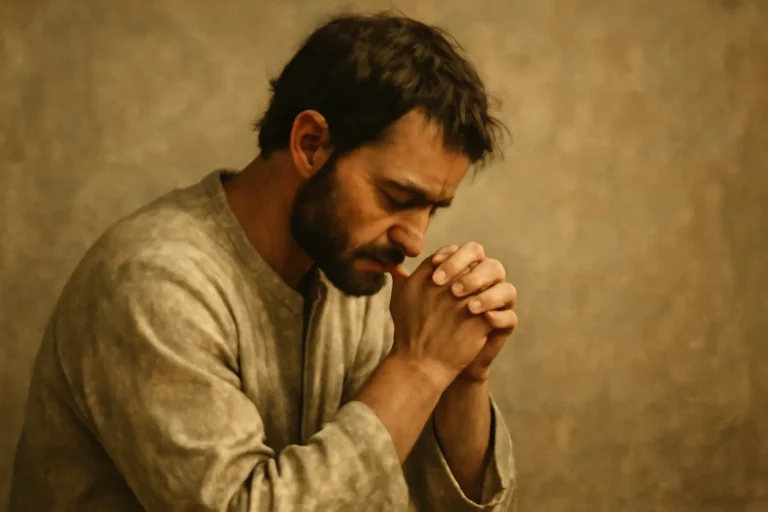
Repentance is a word that resounds across centuries and stands at the crossroads of theology, spirituality, and daily living. It is not a single momentary decision, but a sustained, transforming process that touches the mind, the heart, and the life. In many religious traditions, repentance is understood as a divinely enabled turning—away from what harms the soul and toward what heals it. This article explores repentance as a change of mind, a change of heart, and a change of life, tracing its definitions, meanings, and practical outworkings across biblical, historical, and contemporary contexts. It is intended to be informational, interpretive, educational, and theological, inviting readers to reflect on how repentance functions within faith, conscience, and community.
Defining Repentance: What Does It Mean to Repent?
To repent is to embark on a journey that begins in the heart and flows into action. Across languages and traditions, the term carries a core sense of turning, which can be expressed in several closely related ways: change of mind, conversion, renunciation, and reformation. In many Christian contexts, repentance is linked to a decisive reorientation toward God and toward a life that aligns with divine intent. Yet the concept also encompasses a broader moral and existential renewal: one that considers the consequences of choices and seeks healing for personal and communal brokenness.
The Centerpiece: Metanoia and Its Variants
The Greek term often translated as repentance in the New Testament is metanoia. This word combines elements that imply beyond and thinking—a change in the way one thinks that leads to a further change in the way one lives. While “change of mind” is a helpful shorthand, metanoia signals a profound cognitive shift that reorganizes values, priorities, and loyalties. Related terms include conversion, which points to a turning toward something new, and repentance in the sense of a sincere sorrow for past actions acknowledged before God and neighbor.
Several semantic variants help illuminate the nuance of repentance in religious discourse:
- Change of mind over the long arc of a life—an ongoing re-learning how to perceive reality.
- Turning away from sin—renunciation of harmful patterns and loyalties that deform the person and harm others.
- Turning toward God—the affirmative movement of trust, devotion, and worship in response to divine love.
- Transformation of life—evidenced by new choices, habits, and commitments that reflect inner renewal.
Historical and Scriptural Context
The language of repentance appears throughout sacred literature, from prophetic admonitions in the Hebrew Bible to preaching and exhortation in the Christian New Testament. Its presence signals a shared conviction that the human condition can be redirected toward wholeness through grace, discipline, and response. In the biblical narrative, repentance often begins with a diagnosis of illness—moral and spiritual—and moves toward a prescription of healing through alignment with God’s purposes.
Key scriptural touchpoints illuminate how repentance has been understood and practiced within faith communities:
- Old Testament foundations: The prophets call people to return to the Lord with all their hearts, not merely with ritual compliance. The language emphasizes a renewed mind and a reoriented life (for example, in Hosea, Joel, and Isaiah, where true worship is inseparable from righteous living).
- John the Baptist and the dawn of Jesus’ ministry: A clarion call to repent as preparation for the coming kingdom, underscoring that repentance is not a one-off mood but a posture that opens the way for grace to enter person and society.
- Jesus Christ and the proclamation of the kingdom: The repeated invitation to repent—to rethink, revalue, and reorient life—frames the heart of the gospel. The command presupposes that God’s rule disrupts the status quo and invites a radical realignment of loyalties.
- The Apostolic witness: Early Christian preaching links repentance with baptism, forgiveness, and new life, showing how turning from sin and turning to Christ produce communal transformation as well as personal change.
Across traditions, repentance has been understood as both a gift and a task: God provides the means by which people can turn, and individuals cooperate with that grace by choosing to realign their hearts and actions. This dual dynamic—divine initiative and human response—offers a balanced view of repentance as both receiving mercy and exercising responsibility.
The Personal Dimension: Mind, Heart, and Life
Repentance is deeply personal, yet it cannot be truly separated from communal and ethical dimensions. A robust account addresses three interrelated spheres: the mind (what one thinks), the heart (what one loves, desires, and values), and the life (how one lives, acts, and relates). When these three are harmonized, a person experiences a holistic renewal that enables sustained discipleship and service.
1) Change of mind: A turning away from former assumptions and cognitive patterns that distorted reality. This can involve revising beliefs that justify harm, embracing a more accurate understanding of God, self, and neighbor, and cultivating a disposition of lifelong learning. The mind—often the first arena of repentance—becomes a workshop where false conclusions are replaced with truth that dignifies life.
2) Change of heart: The affections and loyalties of a person are reoriented. Heart-work includes cultivating humility, compassion, gratitude, and reverence, while uprooting fear, pride, self-righteousness, and bitterness. In many traditions, heart-change is attributed to the work of grace within the soul, even as individuals actively cooperate through prayer, contemplation, and repentance of misdirected loves.
3) Change of life: The outward expression of interior renewal. Repentance becomes visible in decisions that reflect integrity, justice, mercy, and service. This includes practices like restitution where appropriate, ethical changes at home and work, and a more generous, self-giving way of living that mirrors the values of the divine calling.
In practical terms, genuine repentance often involves a sequence: awareness, remorse (or contrition), confession, decision, and ongoing perseverance. While remorse can be a meaningful emotional response, it is the conscious decision to realign life that marks true repentance. A common expression of this is a voluntary alignment with moral and religious commitments that are easier to honor with accountability, community, and ongoing formation.
Repentance and Faith: An Inseparable Pairing
In many faith cultures, true repentance is inseparable from faith—trust in God’s mercy, reliance on divine guidance, and a posture of dependence on grace. A mind reoriented toward truth about God naturally trusts in that truth, and a heart reformatted by divine love flows into acts of fidelity and service. Hence, the relationship between repentance and faith can be described as a dynamic feedback loop: repentance shapes faith, and faith sustains and deepens repentance.
Aspects of Repentance: Turning, Sorrow, and Resolution
Repentance is multi-faceted, with several essential dimensions that illuminate how it operates in real life. Understanding these facets helps distinguish superficial guilt from substantive transformation and clarifies expectations for those who seek to turn toward God and neighbor.
- Renunciation (turning away from what harms you and others): This aspect involves a deliberate decision to abandon harmful habits, attitudes, or commitments. It is not a one-time exhale but a commitment to refrain from what leads to spiritual, moral, or relational damage.
- Reorientation (turning toward what is good and true): Repentance is complemented by an affirmative turn toward God, righteous living, and virtuous values. It is not merely the negation of sin but the affirmation of a new direction centered on love and justice.
- Repair (seeking healing and restoration): Where harm has occurred—whether personal, familial, or communal—repentance includes repentance that seeks to repair or restore relationships where possible. This may involve confession, restitution, and making amends.
- Resolution (a lifelong commitment to growth): Repentance is often described as a path, not a barrier. It requires ongoing decisions that reinforce learning, mercy, humility, and resilience in the face of temptation.
In each of these dimensions, the language emphasizes not only the act of turning but the ongoing discipline of living in alignment with a higher calling. The practice of repentance thus becomes a spiritual discipline—a recurring choice that, over time, reshapes character and relationships.
Repentance in Living Tradition: Rituals, Sacraments, and Practices
Religious communities have developed a variety of rites and practices to mark repentance, provide accountability, and nurture ongoing transformation. These expressions are not merely ceremonial; they are formative moments that orient the life of faith toward grace and justice. Some traditions emphasize interior conversion, while others place emphasis on communal reconciliation and public declaration of turning. Still others integrate both inner and outer dimensions of repentance through a combination of personal devotion, confession, and corporate worship.
- Confession and forgiveness: Many faith communities offer structured opportunities to confess, receive absolution, and experience assurance of pardon. Confession can be private, corporate, or sacramental, depending on tradition.
- Baptism or immersion: In several Christian streams, repentance and faith are publicly commemorated in baptism, symbolizing the death of the old self and the rise to new life. This covenantal act often accompanies the call to live in a new manner.
- Penitential practices: Lent, Ramadān, or other seasonal disciplines invite believers to engage in fasting, self-examination, and acts of mercy as concrete expressions of turning away from wrongdoing and toward divine priorities.
- Pastoral guidance: Mentorship, spiritual direction, and accountability groups can support sustained repentance by providing encouragement, correction, and a safe space to confess struggle and receive counsel.
Although ritual forms vary, the underlying aim remains consistent: to cultivate a habitable heart and a just life that bear witness to transformation. Throughout history, pilgrims and saints alike have insisted that rituals are meaningful only insofar as they catalyze genuine change in thinking, feeling, and acting.
Practical Pathways: How to Repent
For individuals seeking to cultivate repentance as a living practice, several practical pathways can be pursued. These are not merely abstract steps; they are concrete habits that help anchor change in daily life and nurture resilience in the face of temptation and failure alike.
- Acknowledge wrongdoing: Name the thoughts, actions, or attitudes that diverge from the ethical and spiritual standards you seek to follow. Honesty about fault is the first step toward change.
- Confess and seek forgiveness: Speak openly with God, self, and, where appropriate, others who were harmed. Seek reconciliation and healing, and be willing to listen to what others have to say with humility.
- Renounce harmful patterns: Develop a plan to disengage from habitual triggers and environments that reinforce harmful patterns. Replace those patterns with healthier alternatives and virtues that reinforce the desired change.
- Practice repentance as ongoing discipline: Treat repentance as a sustained practice—daily humility, regular self-examination, and steadfast reliance on grace. See setbacks as opportunities to learn and grow stronger in resolve.
- Engage in accountability: Build relationships with mentors, peers, or spiritual communities that can offer accountability, encouragement, and constructive correction when needed.
- Engage in acts of mercy and repair: When harm has been done, seek to repair damage where possible, offer restitution, and participate in acts of justice and mercy that restore dignity to those affected.
- Center prayer and contemplation: Cultivate practices that open the heart to truth, such as contemplative prayer, gratitude, and repeated reverence. These practices nourish a mind susceptible to truth and a heart receptive to change.
Different traditions may emphasize distinct facets of this process. Some highlight confession and forgiveness as the primary entry point, while others stress ethical reform and social righteousness as the test of true repentance. Regardless of emphasis, the core aim is consistent: to align life with love, truth, and justice in a manner that honors God and dignifies neighbor.
Common Misunderstandings and Clarifications
Repentance is often misunderstood or caricatured in popular culture. Clarifying misconceptions helps prevent a shallow view of a deeply transformative spiritual practice.
- Misconception: Repentance is primarily about guilt and punishment. Clarification: While remorse can accompany repentance, the essential dynamic is turning toward truth and healing—toward a life reform that expands love and justice, not merely expiation of guilt.
- Misconception: Repentance is a one-time event. Clarification: In many traditions, repentance is best understood as an ongoing trajectory of mind, heart, and life that continues throughout a person’s journey of faith.
- Misconception: Repentance means hating oneself. Clarification: Healthy repentance aims at honest self-examination, not self-destruction. It is grounded in God’s love and the belief that the person is still beloved even as one changes.
- Misconception: Repentance requires perfection. Clarification: Repentance accepts the reality of human imperfection and emphasizes perseverance, mercy, and grace as the wind in the sails of reform.
These clarifications, while simple, help keep repentance in the realm of hopeful transformation rather than an abstract guilt trip. The goal is to cultivate a living faith that is honest about fault and bold about change—so that the mind, heart, and life can be renewed in concert with divine purpose.
Repentance Across Traditions: A Comparative Brief
Across Christian denominations, as well as in Judaism and Islam, repentance is understood to involve a turn—though the theological weight and the means of grace vary. A brief, respectful overview highlights some common themes and notable differences.
- In Judaism, the process of teshuvah (return or repentance) emphasizes self-examination, remorse, confession, and repair. The emphasis is often on communal and ethical restoration, with particular attention to social justice and the duties of love toward neighbor.
- In Christianity, repentance often centers on recognition of sin before God, faith in Christ, and transformation of life through grace. Sacramental dimensions (such as baptism and confession) are seen by many traditions as means of grace that support repentance.
- In Islam, repentance (taubah) involves sincere remorse, turning back to God, and correcting one’s actions. It is framed as an intimate, personal recommitment to God’s guidance and merited by divine mercy.
Despite these differences, all three traditions share a conviction that genuine repentance reorients the whole person—mind, heart, and behavior—so that life is aligned with a divine standard of righteousness and compassion. This alignment is not merely private piety; it has social and ethical implications, shaping how one treats others, how one uses resources, and how one contributes to the common good.
Contemporary Reflections: Why Repentance Still Matters
In a world marked by rapid change, plural beliefs, and ethical complexity, repentance remains a relevant and challenging discipline. Its relevance emerges in several spheres:
- Personal integrity: When individuals critically appraise their judgments, motives, and actions, repentance becomes a pathway to greater integrity and authentic living.
- Interpersonal healing: Many relational harms demand more than forgiveness; they require a tangible turn toward reparative action and ongoing accountability.
- Social justice: Repentance has political and ethical dimensions, inviting communities to repudiate oppression, injustice, and corruption, and to work toward repentance in structures and systems that perpetuate harm.
- Spiritual resilience: In times of doubt, failure, or disillusionment, repentance offers a pathway to renewal, inviting believers to anchor themselves again in grace and truth.
Thus, repentance is not merely an inward mood but a holistic practice that transforms how people think, love, and act within a broader social and cosmic frame. It invites a hopeful realism: the possibility that a life can be reshaped by truth, mercy, and the courage to begin anew each day.
Conclusion: The Transforming Power of Repentance
To summarize, repentance is not merely a reaction to wrongdoing; it is a robust, ongoing process of change that touches the mind, the heart, and the life. It involves a turn away from what harms and a turn toward what heals. It is grounded in grace, sustained by faith, and evidenced by acts of mercy, justice, and renewed affection for truth and beauty. In its best expression, repentance leads not to self-flagellation or shame, but to freedom—freedom from the obligations of guilt without apology, and freedom for the responsibilities of love, truth-telling, and costly sacrifice.
For readers seeking a practical path, the invitation remains open: to begin or renew a journey of repentance that engages the mind with honest inquiry, the heart with compassionate longing, and the life with deliberate, ongoing action. May the process be marked by grace that softens stubborn patterns, courage that faces the truth without flinching, and a community that walks alongside one another as we strive to become more faithful, more fully human, and more fully alive in the light of divine love.