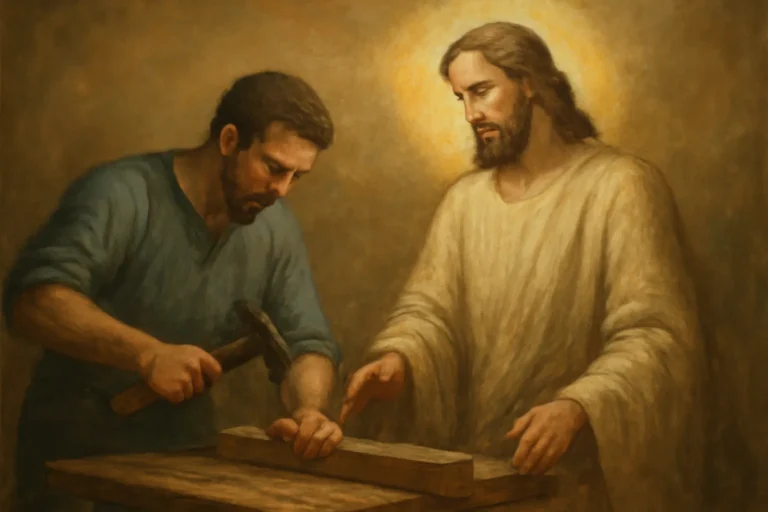

Miracles in the Bible: Signs and Wonders
Throughout the pages of Scripture, miracles appear as dramatic demonstrations of divine power, as signs that point beyond themselves to a deeper truth, and as wonders that evoke awe and reverence. The biblical record presents miracles not merely as spectacular events but as intentional acts that reveal the character of God, advance redemptive purposes, and invite people into faith. In this long-form exploration, we will survey what the Bible says about miracles from Genesis to Acts, examine their purposes, categorize their forms, engage with theological interpretations, and consider how these scriptural accounts inform contemporary faith and practice. The aim is to offer a comprehensive, theologically informed, and pastorally useful overview that remains faithful to biblical witness while engaging with longstanding debates within Christian thought.
What is a Miracle? Defining the Concept
A miracle is generally understood as an extraordinary event that transcends ordinary natural processes and cannot be explained by ordinary means. But the Bible uses a more nuanced vocabulary, often distinguishing between miracles, signs, and wonders. A sign is something that points to a person, a truth, or a divine purpose; a wonder is an event that elicits astonishment and invites interpretive reflection. In biblical language, a miracle frequently serves a revelatory function: it discloses something about God’s nature, kingdom purposes, or moral expectations.
When readers ask what does the Bible say about miracles, they encounter a spectrum of manifestations tied to the identity and will of God. Some miracles demonstrate God’s sovereignty over nature, others illustrate compassion for the suffering, and still others authorize prophetic messages or apostolic testimony. Across genres—narrative history, prophetic storytelling, and apostolic preaching—the biblical concept of miracles remains tethered to divine initiative rather than human ingenuity.
Old Testament Miracles: The God Who Speaks and Delivers
The Old Testament presents the foundational conviction that the living God is active in history, engaging with creation to accomplish purposes that are greater than human capacity. In this section, we survey key strands of miracle within the Old Testament, emphasizing how these acts reveal God’s faithfulness, justice, and glory.
Nature and Creation Miracles
Several Old Testament miracles involve control over nature. These events demonstrate God’s authority over the physical order and often serve as signs that God is intimately involved with his people.
- Parting of the Red Sea and the crossing of the Jordan River: The deliverance of Israel from bondage and its traversal into the land of promise are accompanied by miraculous crossings that symbolize divine protection and leadership.
- Sun and moon in the service of victory: In Joshua 10, the sun stands still and the moon delays their setting so that Israel can complete a military victory—an extraordinary temporal miracle tied to covenant faithfulness.
- Water from rocks and miraculous provision in the wilderness: In the wilderness trek, God provides water from rock as a sign of providential care and dependency on divine initiative (e.g., Exodus 17).
Provision and Deliverance Miracles
God’s miraculous actions often accompany moments of need, where human resources seem exhausted. These stories teach trust, obedience, and the reliability of God’s promises.
- Manna and quail in the wilderness: Daily bread supplied by God becomes a lived sign of God’s faithfulness to his covenant people (Exodus 16).
- The widow’s oil and meal through the prophet Elisha: A financial and material provision that multiplies resources for a family in crisis (2 Kings 4:1-7).
- Provision through miraculous food and scarcity relief points to a God who sustains life and orders life-systems according to divine wisdom.
Prophetic and Power Demonstrations
The prophetic office in the Old Testament often carries a manifest display of divine power, validating the messenger and the message.
- Elijah and the contest on Mount Carmel (1 Kings 18): Fire from heaven consumes the sacrifice, signaling the supremacy of the God of Israel over competing idols and calling people to repentance.
- Elisha’s miracles” include multiplying the widow’s oil (2 Kings 4:1-7), cleansing Naaman’s leprosy through washing in the Jordan (2 Kings 5), and raising the Shunammite woman’s son (2 Kings 4:18-37), illustrating God’s power through a faithful prophet for the restoration of life and social welfare.
- Other signs include miracles of deliverance from adversaries, the reversal of medical conditions, and demonstrations of divine sovereignty in pivotal moments of Israel’s history.
New Testament Miracles: The Life of Jesus and the Early Church
The New Testament presents miracles most explicitly through the ministry of Jesus and the acts of the apostles in the book of Acts. In this section we explore how what the Bible says about miracles reaches a peak in the person of Christ and expands through the early Christian community as signs of the gospel’s power to redeem individuals and reshape communities.
Jesus as Miracle Worker
The four Gospels narrate a robust repertoire of Jesus’ miracles. These acts reveal his authority over nature, disease, demons, and even death. They are not isolated wonders but integrated into his public teaching about the Kingdom of God and his identity as the Son of God.
- Nature miracles such as turning water into wine at Cana, calming the storm, and walking on water signal Jesus’ divine capacity over creation and foreshadow the restoration of all things.
- Healing miracles address physical, social, and spiritual brokenness—blindness, paralysis, leprosy, withered hands—and demonstrate the compassionate reach of God into human suffering.
- Exorcisms reveal the authority of Jesus over the spiritual realm and his mandate to liberate persons from bondage to demonic powers.
- Raising the dead such as Jairus’ daughter and, most famously, Lazarus, point to the ultimate reversal of life’s consequences and the promise of future resurrection.
Miracles in the Gospels: Key Episodes
Several episodes function as focal points for understanding the purpose of miracles in Jesus’ ministry. While the details vary, the theological integrity remains consistent: miracles confirm Jesus’ identity, reveal the in-breaking of the Kingdom, and invite faith.
- Water into wine at the wedding in Cana signals messianic abundance and the inauguration of the Kingdom’s presence in ordinary life.
- Healing of the paralytic (presented through friends lowering the man through the roof) demonstrates both forgiveness and physical restoration, illustrating the comprehensive scope of Jesus’ mission.
- Healing of the blind and the deaf in various gospel narratives reveals Jesus as the one who opens eyes to God’s light and opens ears to truth.
- Feeding the multitude (the miracle of loaves and fishes) embodies the compassion of God and the sufficiency of the Messiah to meet spiritual and physical hunger.
- Walking on water and the calming of the storm display mastery over chaotic forces and represent the trust required of the disciples in the face of fear.
- Raising the dead episodes testify to Jesus’ authority over life and death and function as signs pointing to the ultimate faith-claim of the gospel: life beyond brokenness through the resurrection.
Miracles in Acts: Signs and Wonders in the Early Church
The Book of Acts presents a pattern in which the early church is empowered by the Spirit to perform miracles that accompany gospel proclamation. These acts function as signs that validate the apostolic authority and authenticate the message about Jesus Christ.
- Apostolic healings at the gates of the temple and in various towns demonstrate the power of the risen Jesus at work through the believers (e.g., Peter and John at the Beautiful Gate).
- Deliverance from demonic oppression reveals the gospel’s power to liberate individuals from oppressive forces in society and in the spiritual realm.
- Resurrections through Apostolic ministry further reinforce the reality of new creation and the triumph of Christ over death.
- Miraculous provisions and signs accompany missionary movements, reinforcing the credibility of the message as the gospel spreads across the Mediterranean world.
Theological Themes and Interpretive Lenses
Readers encounter several enduring theological themes when engaging with what the Bible says about miracles. These themes help readers interpret miracle narratives in a way that honors the text’s integrity while applying its truths to contemporary faith.
The Purpose of Miracles
Biblical miracles occur for purposes beyond novelty. They reveal God’s character, validate a message, catalyze faith, and advance redemptive history. In Jesus’ ministry, miracles authenticate his identity as the Messiah; in Acts, they corroborate the gospel proclamation; in the Old Testament, they reinforce covenant faithfulness and divine justice.
Faith, Trust, and Human Responsibility
A consistent biblical motif is that miracles invite response. Faith is not a guarantee of miracle-working power; rather, it is the means by which human beings receive and respond to God’s acts. The biblical authors often stress that divine action works in harmony with human obedience, repentance, and trust.
Continuity and Cessation: Do Miracles Continue Today?
A central debate in contemporary theology concerns whether miracles continue beyond biblical times. Proponents of continuationism argue that gifts of healing, prophecy, and other miracles persist through the church age, though they emphasize discernment, humility, and alignment with Scripture. Those who hold to cessationism maintain that miracles were especially prominent to authenticate the apostolic witness and that, with the completion of the biblical canon, such signs became less common or normative. Both positions seek to be faithful to Scripture, focusing on the gospel’s sufficiency, the sovereignty of God, and the primacy of love, even as they diverge on the current distribution of miraculous activity.
Hermeneutical Considerations: Reading Miracles in Scripture
Interpreting miracle narratives requires careful attention to literary genre, historical context, and theological aims. The Bible sometimes presents miracles as literal events with historical consequences, while at other times it uses symbol-rich language to communicate truth about God’s reign. A careful reader asks, what does the Bible say about miracles in its particular genre, and how does that shape ethical and liturgical application?
Genre and Context
Miracle stories occur in diverse biblical genres: narrative history, prophetic drama, wisdom literature, and apostolic exhortation. The historical context matters: political climate, cultural expectations, and theological aims guide how a miracle functions within the text. When studying miracles, readers should note whether a passage is describing a direct act of God, a prophetic sign, or a narrative focal point designed to teach about faith, obedience, or divine sovereignty.
Literary Purpose and Theological Message
Beyond their surface drama, miracle accounts convey theological messages about God’s steadfast love, holiness, and kingdom victory. They also invite readers to consider human response—trust, repentance, and worship. The aim is not merely to marvel at power but to encounter God in a way that shapes life and community.
Practical Reflections for Believers and Communities
How should a modern reader engage with biblical miracles? The following reflections offer practical paths for individuals, churches, and academic communities seeking to honor Scripture, cultivate healthy faith, and respond to claims of miraculous events today.
- Center the gospel: Let miracles point to God’s redemptive work in Jesus Christ, whose life, death, and resurrection constitute the central miracle of the Christian faith. In all reflections, the life-giving invitation remains the same: trust in Christ, receive grace, participate in the Spirit’s work.
- Practice discernment: In light of contemporary reports of miracles, exercise careful discernment grounded in Scripture, community accountability, and pastoral wisdom. Distinguish between genuine acts of God and misinterpretations or sensationalism.
- Embrace pastoral aim: Miracle talk should nurture compassion, justice, and mercy. When God acts in power, the ethical implication is often a call to love neighbor, pursue healing justice, and extend mercy to the vulnerable.
- Balance expectancy with humility: While expectancy is a biblical virtue, humility guards against presumption. Trust God’s sovereignty even when personal prayers for miraculous change are not answered in the ways we hoped.
- Celebrate God’s faithfulness: Miracles remind communities of the ongoing work of God in salvation history. Regular patterns of prayer, worship, and shared testimony anchor belief that God continues to act in the world, even if such acts are not always dramatic or public.
Missional Living and Signs
The biblical goal of miracles often intersects with mission. When the church acts with compassion, justice, and proclamation, signs can accompany gospel witness. The flow from miracle to message, from event to invitation, forms a pattern in which people are drawn to trust in God’s gracious reign.
Case Studies: Narrative Bearings and Doctrinal Bearings
To illustrate how the biblical text treats miracles across genres, consider how narratives and doctrinal statements interweave in ways that enrich faith and guide practice.
Narrative Bearings: The Story Behind the Sign
Miracle narratives in Scripture are not isolated skirmishes with nature but shaped by the story’s trajectory. For example, in the Gospels, miracles support Jesus’ proclamation about the Kingdom. The miracles confirm the message and invite a response—belief, repentance, and discipleship. The reader sees not merely a magical event but a theological disclosure of who Jesus is and what the Kingdom looks like when God draws near.
The Doctrinal Bearings: Foundations and Debates
Theologically, miracles anchor several doctrinal themes: the reality of God’s sovereignty over creation, the authenticity of divine revelation, and the hope of ultimate restoration. Debates about contemporary miracles engage questions of method, authority, and order within the church, but the biblical witness consistently centers miracles within the redemptive arc of God’s plan through Christ and the Spirit.
Where Do We Go from Here? Encouragements for Study, Worship, and Practice
Readers are invited to integrate the breadth of biblical teaching on miracles into personal devotion, catechesis, and church life. Below are practical encouragements that reflect the biblical witness and aim to cultivate mature faith.
- Study with humility: Approach miracle accounts with reverence for divine mystery while seeking clear understanding of their theological significance.
- Teach with clarity: In classrooms, sermons, and small groups, explain how miracles reveal God’s character, how they fit within redemption history, and what they imply for present faith and ethics.
- Pray with discernment: Earnestly petition God for grace, healing, and deliverance, while discerning how to align requests with God’s revealed will and the common good of the church.
- Worship in response to wonders: Use miracle narratives as occasions for praise, confession, and renewed trust in God’s promises, recognizing the ultimate “sign” is the risen Christ.
- Engage responsibly with testimony: When miracles are claimed, assess them within the wider witness of Scripture, the fruit of the Spirit, and the community’s discernment.
Conclusion: Miracles as Signs of the Kingdom
The biblical record of miracles—whether in the fiery contest on Mount Carmel, the walking on the waves, or the resurrection of Jesus—points to a God who is active, gracious, and sovereign over history. In what the Bible says about miracles, we encounter not only dramatic events but invitations: to trust in God’s promises, to align our lives with his purposes, and to participate in the renewal of all things. The language of signs and wonders invites readers to interpret ordinary life through the lens of the Kingdom, to recognize God’s intent behind extraordinary acts, and to remember that the central miracle of the Christian story is the life, death, and resurrection of Jesus Christ. In this sense, miracles function not as ends in themselves but as pointers to the greater work of God—the salvation of sinners, the transformation of communities, and the ultimate restoration of all creation. May readers, teachers, and worshiping communities approach these stories with reverent awe, scholarly integrity, and hopeful expectation for all that God will continue to do in history and in the lives of his people.