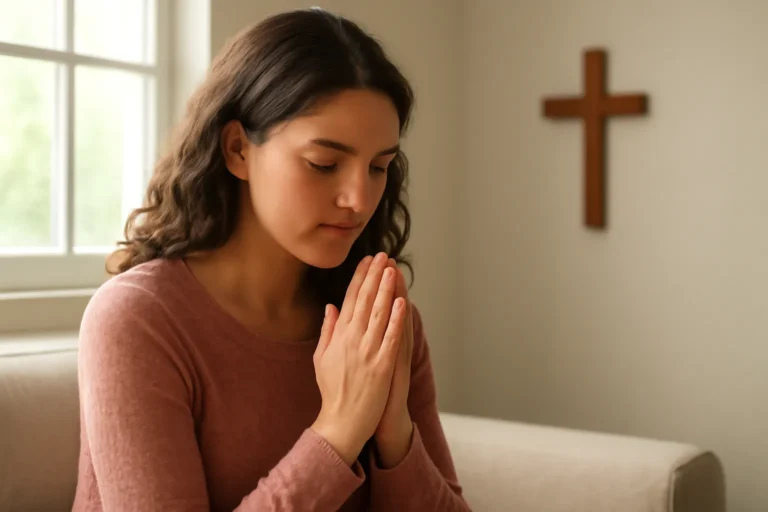

The Art of Solitude is not a retreat from life, but a disciplined architecture of the heart. In many religious traditions, time spent alone is construed as a sacred loan from God, the divine, or ultimate reality, returned with renewed clarity, compassion, and purpose. This guide examines solitude as a theological and practical habit—one that can be learned, practiced, and integrated into daily life. It surveys traditions, methods, and exercises that enable a person to encounter the transcendent while remaining grounded in responsibility, community, and ethical living.
Introduction: The Value of Time Alone in Sacred Traditions
Across centuries and continents, religious seekers have turned toward quietude as a path to encounter the sacred. Solitude is not merely an absence of noise; it is a deliberate cultivation of inner attentiveness. When a believer withdraws from the noise of work, social media, and hurried routines, they create space for discernment, repentance, gratitude, and bold faith. In this long-form exploration, we will consider how solitude is practiced, understood, and transmitted within a broad spectrum of religious life—from monastic cells to personal prayer corners, from desert hermitages to mosque courtyards, from temple sanctuaries to family prayer spaces.
Note the distinction between isolation and intentional solitude. Intentional solitude is a spiritual discipline chosen for its transformative potential; isolation can be an involuntary condition that requires different pastoral responses. The art we discuss here aims to harmonize inward quiet with outward action, so that the time alone strengthens relationship—with the divine, with conscience, and with others.
In shaping this guide, the aim is to present practicable, faithful approaches that can be adapted to diverse contexts, ages, and theological commitments. Whether you are a student of theology, a layperson seeking deeper prayer, or a pastor guiding a community, the following chapters offer both theory and concrete steps for cultivating meaningful solitude.
Historical and Theological Foundations
Desert Traditions and Monastic Silence
From the early centuries of Christianity, solitary prayer and contemplation were valued as essential means of intimacy with God. The Desert Fathers and Mothers—notably those who inhabited Egyptian deserts—sought to strip away distractions to hear the divine voice more clearly. Their practice of solitary asceticism was not mere withdrawal; it was an interior battle against vanity, a training ground for charity, and a school of discernment. The discipline of silence, fasting, and contemplative reading formed a framework within which solitary life could be fruitful for both the hermit and the larger church community.
Later, the Benedictine and Carthusian traditions offered complementary visions. Benedictine life emphasizes balance: ora et labora (prayer and work) within the rhythm of community. Yet even within communal monasteries, periods of interior solitude were embedded in daily cycles, serving as moments when the soul could rest in God and prepare for service to others. The Carthusians, with their rigorously quiet monasteries, demonstrated how sustained silence could become a sacramental language—an embodied form of worship that trains perception, patience, and steadfastness.
Scriptural Perspectives Across Faiths
In sacred scriptures across traditions, time spent alone is often linked to encounter, revelation, or purification. In Christian Scripture, solitary prayer appears in scenes such as Jesus withdrawing to solitary places to pray, especially before crucial decisions or public ministry. In Jewish tradition, solitude intersects with introspection and the study of Torah, particularly at moments of repentance or spiritual crisis. Islamic spirituality embraces the practice of khalwa (isolation) in certain Sufi circles as a space for divine remembrance (dhikr) and heart purification. Hindu and Buddhist paths also acknowledge the transformative potential of solitary retreat, whether through practices like tapas (austerity), japa (mantra repetition), or meditative absorption (samadhi). While terminology differs, the shared thread is that solitude can become a conduit for discernment, humility, and surrender to a greater good.
These strands converge on a single insight: solitude is not a mere withdrawal; it is a way of listening deeply—to scripture, to conscience, to the voice believed to be divine, and to the needs of others. When solitude is rightly tempered, it becomes a form of worship that shapes character and enhances stewardship of gifts and relationships.
Core Principles of Religious Solitude
- Solitude as encounter: Time alone is designed to open a space where the sacred can be heard beyond ordinary chatter.
- Discernment: Quiet reveals preferences, temptations, vocations, and ethical choices more clearly.
- Humility: In solitude, the ego is checked; one learns to depend on grace rather than personal achievement.
- Healing: Silence can repair fragmented attention, restore memory, and reconcile inner wounds.
- Solidarity in solitude: Time alone should enable greater compassion for others, not estrangement from them.
- Stewardship: Solitude is a commitment to use time wisely, for prayer, study, service, or creative work in ways that honor the divine and bless the world.
In practice, these principles translate into a flexible framework rather than a rigid rulebook. Each tradition may foreground certain aspects—silence, prayer, or study—while still upholding the integrity of solitude as a spiritual discipline. The following sections offer practical pathways that honor these aims while allowing for diverse expressions of faith and practice.
Practical Practices: How to Practice Solitude in the Religious Life
Daily Rhythms: Small Moments of Silence
Solitude begins with the ordinary day. Short, intentional pauses—even five minutes at a time—can accumulate into a meaningful trajectory of spiritual listening. Try a routine such as:
- Begin the day with a brief breath prayer or reading that grounds you in the divine presence.
- During work breaks, close your eyes and notice sensations, thoughts, and feelings without judgment.
- End the day with a quiet reflection on what mattered, what challenged you, and what you sense the divine is inviting you to do tomorrow.
These micro-practices build a habit of mindful listening that can be scaled up to longer periods when time and circumstance permit. In many religious communities, the discipline of the morning and evening prayers anchors the soul and trains attention for the day ahead.
Extended Solitude: Silent Retreats and Retreat Centers
For many, a more extended period of solitude is transformative. If possible, consider a silent retreat—anywhere from 24 to 72 hours or longer—at a reputable retreat center aligned with your tradition. Guidelines for a meaningful retreat include:
- Set a clear purpose: discernment, healing, or a specific prayer focus.
- Communicate boundaries: know how to rest, eat, walk, and keep silence as needed.
- Schedule structure: steady times of reflection, liturgical prayer, walking meditation, and journaling.
- Prepare emotionally: acknowledge that silence can surface anxiety or grief; bring supportive resources or a plan for aftercare.
Extended solitude should be undertaken with pastoral or spiritual supervision when possible, especially for individuals working through trauma, mental health concerns, or significant life transitions. The aim is not to escape life but to enter it with a clearer, more compassionate center.
Prayerful Practices: Lectio Divina, Dhikr, Japa, Contemplative Prayer
Across traditions, contemplative methods provide structured avenues for engaging God or the ultimate reality in solitude. Some representative practices include:
- Lectio Divina (divine reading) in Christian practice: reading Scripture slowly, meditating on a phrase, contemplating its meaning, and praying in response.
- Dhikr (remembrance) in Islamic mysticism: repetitive invocation of the divine names, often using a rhythmic breath pattern or mantra.
- Japa (repetition) in Hindu and Buddhist traditions: repeating a sacred syllable or mantra to calm the mind and foster a single-pointed awareness.
- Contemplative prayer in Christian traditions: resting in the presence of God beyond words, often with eyes closed or a fixed gaze toward a symbolic focal point.
- Silent or guided meditation in Buddhist convert communities: observing breath, sensations, and thoughts with compassionate awareness.
These practices, though rooted in different theologies, share a goal: to quiet the noise of the mind so that one can hear the deeper counsel of the heart and align actions with higher values.
Creative and Reflective Practices: Journaling, Art, and Nature
Solitude need not be passive. Creative disciplines can function as conversations with the sacred.
- Journaling: record encounters with the divine, questions that arise, insights from readings, and memories of grace moments.
- Icon or icon-like art for those in Christian traditions: writing, painting, or sketching symbols of faith as a form of contemplative expression.
- Nature-based reflection: spending time in creation—forest, desert, or coastline—while noticing signs of the divine in beauty, order, and mercy.
- Music and chant: listening to or composing simple tunes that carry prayer or gratitude.
In these modes, solitude becomes a dialogue with the inner life, translating inward experiences into outward fidelity—how one lives, loves, and serves when solitary time ends.
Ethical and Social Considerations: Solitude and Community Responsibilities
Solitude should not become withdrawal from ethical obligation or from community care. Healthy practice maintains a balance between inward attention and outward responsibility. Guidelines include:
- Maintain commitments to family, church or mosque, synagogue, temple, or community groups.
- Schedule solitude with transparency and mutual consent when living with others (housemates, partners, or family).
- Offer to share the fruit of solitude through service, teaching, or support for those in need.
- Avoid using solitude as a pretext for self-centeredness; return to community with renewed generosity.
In this way, solitary practice is not a solitary act but a discipline of integrity that strengthens communal life and social virtue.
Solitude Across Religious Traditions: Traditions, Practices, and Nuances
Christian Traditions: From Desert Silence to Contemplative Prayer
Christian spirituality offers a spectrum from solitary fasting in the desert to the contemplative silence of cloistered life. Key themes include:
- The value of contemplative prayer as a means to live more fully in God’s love.
- The balance between solitude and community—solitude as formation for mission and service.
- The use of scripture, liturgy, and sacramental life to orient the heart toward divine realities.
Judaism: Silent Reflection and Scriptural Meditation
Judaism emphasizes intentional stillness in moments of ditto, repentance, and study. Practices include:
- Contemplative study (hitpaqqud) that invites the mind to dwell on a single biblical image or ethical principle.
- Quiet prayer and meditation on the Names of God or sacred attributes, often in a private prayer corner.
- Solitude as preparation for ethical decision-making in communities and family life.
Islam: Khalwa, Dhikr, and Beginner’s Silence
Islamic contemplative practices can be expressed in khalwa (periods of intentional isolation) and dhikr (remembrance). Across Sufi traditions, solitude is not mere withdrawal but a training in love of God and compassionate action. Practices include:
- Dhikr with breath synchronization to cultivate ongoing mindfulness of the divine presence.
- Scriptural reflection and quiet contemplation on verses of the Qur’an.
- Private prayer or sohbet (spiritual companionship) to interpret solitude within a communal faith journey.
Buddhism: Insight Through Stillness
Buddhist philosophy treats solitude as a doorway to insight (vipassana) and liberation (nirvana). Although not theistic in the same way, it shares the intention of transforming suffering through awareness. Practices include:
- Mindfulness meditation (anapanasati) and concentration practices to settle the mind.
- Solitary retreat as a vehicle for recognizing impermanence, interdependence, and compassion.
- Walking meditation and nature-based reflection that reconnects inner states with ethical action.
Hinduism: Renunciation, Rupa, and Inner Dialogue
Hindu traditions offer a variety of paths to solitude, from renunciant life to domestic devotional practices. Common strands include:
- Japa and mantra meditation for alignment of mind and heart with the divine name.
- Advaita and other non-dual philosophies that teach discernment between illusion and truth through steady contemplation.
- Yoga practices that integrate breath, postures, and inward focus to cultivate peace and ethical clarity.
Across these traditions, solitude is not the denial of life but a refined way to perceive responsibility more clearly and to love more fully.
Common Challenges and Misconceptions
Solitude can be a source of growth or a source of fear, depending on how it is approached. Some common misconceptions include:
- Solitude equals loneliness: True solitude is chosen and structured; loneliness is a distress signal that may require companionship or professional support.
- Solitude isolates faith: Properly practiced solitude anchors faith, clarifies belief, and strengthens communal worship.
- Solitude is only for the perfect: Solitude is a discipline accessible to all who wish to grow; it can be gentle and gradual, not punitive.
- Solitude is escapism: When misused, it can become avoidance; when rightly ordered, it is courageous confrontation with the self and with grace.
Practical cautions include guarding against perfectionism, avoiding withdrawal during crises that demand community support, and seeking pastoral guidance when solitude triggers distress or harm.
Measuring Growth: Indicators of a Healthy Solitude Practice
Solitude’s fruit is not a badge but a transformation evidenced in daily life. Consider these indicators of healthy solitude:
- Clarity of purpose: You can name what you are seeking—discernment, healing, or a more intimate relationship with the divine.
- Increased compassion: Solitude leads to greater capacity to love and serve others, not disengagement from them.
- Consistency: The practice fits into a durable rhythm rather than a sporadic, guilt-driven effort.
- Humility before mystery: Solitude opens space for doubt and wonder without capitulation to cynicism or despair.
- Balanced joy and sorrow: Solitude helps you hold both gratitude and grief with grace, which deepens spiritual resilience.
Developing a personal practice journal or partnering with a spiritual director or guide can help you assess progress and recalibrate goals over time.
Guided Exercises: A Console of Practices for Individuals and Small Groups
Exercise A: A 7-Day Gentle Solitude Challenge
This challenge invites you to a week of progressively longer quiet moments, culminating in a one-hour reflective session. Each day, select one format from the options below and record your experience in a journal.
- Day 1: 5 minutes of mindful breathing with a short spoken blessing.
- Day 2: 10 minutes of lectio divina on a short passage, followed by silent contemplation.
- Day 3: 15 minutes of silent sitting with an awareness of bodily sensations.
- Day 4: 20 minutes of walking meditation in a safe, quiet space.
- Day 5: 25 minutes of prayerful reading of a sacred text, reflecting on one line.
- Day 6: 30 minutes of journaling about insights, followed by a brief prayer for guidance.
- Day 7: 60 minutes of quiet retreat or solitary worship time in a room or garden.
Throughout this week, prioritize gentleness, self-compassion, and clarity about purpose. If distress arises, pause and seek supportive guidance.
Exercise B: Solitude with a Purposeful Theme
Choose a theme—gratitude, forgiveness, discernment of vocation, or healing—and spend structured solitude time centered on that theme. Use a simple template:
- Read a short meditation or text related to the theme.
- Silently reflect on personal situations where the theme is living or lacking.
- Write a one-paragraph synthesis of what you sense God or ultimate reality is inviting you toward.
- Close with a brief prayer or blessing for yourself and others affected by the theme.
Exercise C: Community-Supported Solitude
Solitude can be practiced within a group when the ground rules emphasize mutual respect and sacred space. Consider these steps for a small group:
- Agree on a shared time window and a code of silence or low-noise expectations.
- Offer individual private spaces, with a communal spot for optional reflection afterward.
- Each member commits to a personal intention and shares one non-sensitive takeaway from their solitude at the end of the session.
Group solitude can deepen accountability, provide mutual encouragement, and model humility in communal life.
Resources and Further Reading
Exploring solitude across religious traditions is enriched by reading, listening, and participating in guided practice. Here is a curated list of directions to deepen practice:
- Classical and contemporary monastic literature: The Wisdom of the Desert Fathers; The Cloud of Unknowing; Thomas Merton’s writings on contemplation; Richard Foster’s Celebration of Discipline.
- Scriptural commentaries and devotional guides: Commentaries on Psalms and prophetic books; theological reflections on prayer and contemplation across faiths.
- Guided retreats and centers: Reputable retreat houses, monasteries, and spiritual direction networks that offer structured solitude experiences.
- Digital contemplative resources: Online lectures, guided meditations, prayer apps with caution about screen time; prioritize resources that honor reverence and prepare for discernment rather than distraction.
When selecting resources, consider how solitude and spiritual growth are framed, and seek those that emphasize ethical living, compassion, and service to others alongside inner transformation.
Closing Reflections: The Ongoing Practice of Sacred Solitude
Time alone, when cultivated as a religious discipline, becomes a practice of attention—a way to hear the voice of conscience and the divine whisper in the ordinary. Solitude is not a solitary escape but a formation of character that equips a person to bear witness to faith in everyday life. It invites a paradox: the more one withdraws into quiet, the more one can engage the world with tenderness, courage, and integrity.
As you continue this journey, remember the balance between solitude and solidarity. The goal is not to retreat from the world but to return to it with clearer vision, a more generous love, and a deeper sense of responsibility toward creation, neighbors, and future generations. By integrating contemplative practice with compassionate action, one learns to live faithfully in a world that often demands speed, noise, and distraction. The Art of Solitude is, at its heart, the art of listening—with courage, humility, and hopeful faith—to the divine call that invites us to become more fully human.