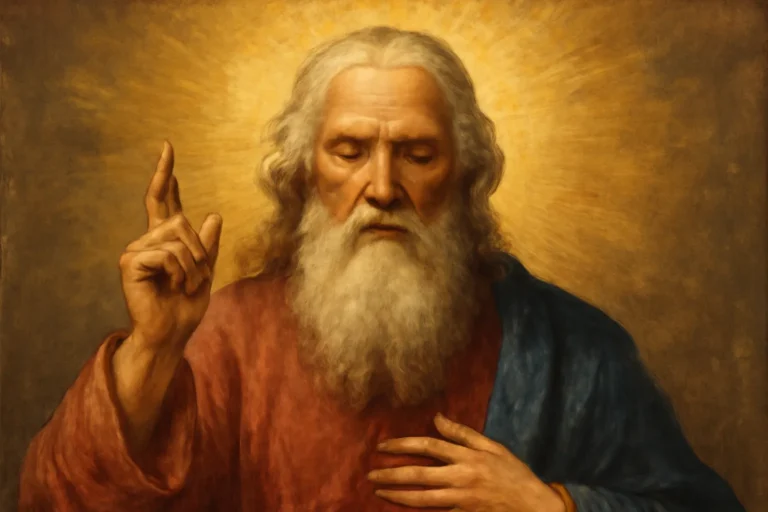

The God Within: An Exploratory Look at Divine Immanence
God lives in you is a phrase that has echoed through prayer halls, meditation rooms, monasteries, and classrooms across history. It has also sparked debate, wonder, and a steady invitation to turn inward. The purpose of this long-form exploration is not to convert or to argue a single doctrinal line, but to illuminate how the idea of an inner divinity—often framed as the divine indwelling or the inner God—appears in diverse religious memories, teachings, and practices. This article considers the topic from informational, interpretative, educational, and theological perspectives, tracing its roots, varieties, and contemporary implications. By centering on the assertion that God resides in your heart or that the God within is accessible through cultivation, we can appreciate both the breadth of tradition and the personal depth available to seekers today.
Historical and Theological Foundations
The idea that the divine dwells within human beings has ancient roots that cut across civilizations. In many traditions, immanence coexists with transcendence; the sacred is not merely a distant ruler but an intimate presence, accessible in consciousness, ethics, and everyday life.
Ancient precursors and biblical motifs
Across ancient Near Eastern and Mediterranean contexts, questions about the relationship between the sacred and the human emerged in poetry, ritual, and law. In biblical literature, the concept of the divine presence entering the human life world often takes the form of covenants, anointings, and prophetic experiences. The phrase “God lives in you” in its direct modern articulation is a synthesis of later interpretive layers, but the impulse is evident in the insistence that the Spirit of God rests upon the faithful or that the heart is a seat of divine influence.
Christian mystical traditions
Within Christianity, there is a long and influential lineage that emphasizes the indwelling Spirit as a reality in the believer. The idea is not merely theological abstraction; it is described as a transformative relationship in which God lives within you as a companion and guide. Romans 8 and 1 Corinthians speak of the Spirit bearing witness with the soul, and mystics—from Patristic thinkers to medieval mystics and modern spiritual writers—describe an experiential knowledge of the divine presence that is intimate and immediate. In some Christian streams, this indwelling is tied to baptism, Eucharist, and the sacraments, while in others it is pursued through contemplative prayer and ascetic disciplines that quiet the self to hear the divine whisper within.
Eastern religious perspectives
In Hinduism, Advaita Vedanta, and certain Buddhist streams, a similar vision emerges: the transcendent principle is also present in the innermost self, and the seeker can realize the divine within through knowledge, devotion, or ethical practice. The Hindu concept of atman, often understood as the inner self, is sometimes described in terms that imply union with Brahman—the ultimate reality that lives within and beyond. Similarly, in Sufi Islamic traditions, the idea of the God residing in your heart becomes a path of inner purification and love, where the divine presence is discovered through remembrance (dhikr), poetry, and experiential knowledge of God’s nearness. In Judaism, interpretations of the Shekhinah—often experienced as the divine presence within the community and the individual—provide a framework in which sacred presence informs daily life, ritual, and ethical decision-making.
The Language of Immanence: How God Lives in You
Across traditions, a common semantic thread exists: God is not a distant spectator but a living presence that can inhabit and guide a person. The wording varies, yet the underlying claim is consistent: the sacred lives in you, guiding choices, shaping conscience, and sustaining meaning. Here are several ways people articulate this divine immanence:
- The divine indwelling speaks of a resident spirit—God as a companion within the soul.
- The inner God or the inner divinity emphasizes the core of being where grace or presence abides.
- God resides in your heart conveys a relational center that informs compassion, courage, and integrity.
- The Spirit within is a shorthand that captures the experiential aspect of divine presence in Christian, Jewish, and some Muslim mystical traditions.
- The sacred indwelling foregrounds ritual and practice that awaken awareness of the divine presence in daily life.
In more secular language, one might speak of a conscience, moral intuition, or a profound sense of purpose that feels grounded in something greater than personal will. Yet even when phrased in psychological or philosophical terms, many people report that the sense of God lives in you or its equivalents has a transformative effect on behavior, relationships, and worldview. The following sections explore how different traditions encourage this awareness and how it can be cultivated with care and discernment.
Practices and Pathways: Realizing the Divine Presence
Whether described as a theological claim or an experiential reality, the idea that God lives in you invites practice. These pathways are not merely about belief but about habits of attention, character formation, and relational living. Below are several broad approaches, with attention to their distinctive emphases and shared aims.
Prayer, contemplation, and ecstatic recollection
Prayer is often the primary route to encounter the divine presence within. In many traditions, talking to God becomes listening for God, and listening often leads to discernment. Contemplative practices—such as silent sitting, breath awareness, or repeating a sacred phrase—cultivate an inner attention that makes the claim the God within you more than a metaphor. In Christian mysticism, this is expressed as the practice of divine union; in Hinduism and Buddhist-informed paths, it can resemble mantra-based meditation that reveals an ever-present sanctity within the self. The key idea is not magical production but perceptual refinement: as the heart quiets, the sense of the divine indwelling grows more tangible.
Meditation, breath, and somatic awareness
Many seekers find the language of the inner God most tangible when paired with body-centered practices. By noticing breath, tension, and posture, a person can become less fragmented and more receptive to a sense of sacred companionship. In this sense, the divine resides in your body as the body becomes a vehicle through which the soul experiences presence. Mindfulness, centering prayer, and reflective journaling are practical tools that help translate the idea of immanence into daily life. The aim is not to suppress individuality but to harmonize it with a larger source of meaning and care.
Ethical formation and altruistic living
Ethics is often the most visible test of the claim that God lives in you. If the divine is present within, then acts of compassion, mercy, justice, and forgiveness gain a new texture: they are not merely rules but the outward expression of an inner reality. Many traditions teach that the divine indwelling makes forgiveness possible, strengthens humility, and commits the self to the welfare of others. In practice, ethical life becomes a sustained practice of listening to the voice of the divine within while also hearing the needs and rights of the neighbor. Thus, the God within is not a private possession but a source of shared obligation and communal flourishing.
Scripture, Doctrine, and Narrative: The God Within in Sacred Texts
To approach the claim that God lives in you through the lens of scripture and tradition invites careful reading, historical awareness, and interpretive humility. Sacred texts often present the divine presence as dynamic, relational, and transformative, rather than static or coercive. Here are several threads that illuminate how this topic has been framed across time.
Scriptural cues and spiritual interpretation
Across the Judeo-Christian tradition, verses that describe the Spirit dwelling within believers or the divine presence guiding the heart provide textual support for the inner divinity. In Christian theology, the Holy Spirit is frequently described as a helper, comforter, and inner guide who convicts, consoles, and strengthens. In Judaism, references to the Shekhinah—though not always conceived as a single inner agent—often articulate a sense of divine accompaniment that accompanies prayer, study, and righteous living. In Hinduism and Sikhism, language about the inner light or nam within resonates with the idea that the ultimate reality is accessible within the seeker’s own consciousness through devotion, knowledge, and moral alignment with divine will. In Sufism, poetry and dhikr become engines for experiencing proximity to God in the heart, revealing the sacred as intimate presence in the present moment.
Traditions and their distinctive emphases
Some traditions emphasize the radical gift of grace that makes the God within accessible to all who seek; others stress the necessity of purification, discipline, and ethical integrity to receive or recognize that presence. In all cases, the interior divine is not simply a private consolation but a call to love, service, and truth in the world. This is why the idea the divine within is often paired with a compelling invitation to social justice and solidarity with the vulnerable. The God within becomes a motive to act justly, to love mercy, and to walk humbly with one’s neighbors.
Interfaith Insight: The God Within Across Traditions
Interfaith dialogue offers a unique vantage on the statement that God lives in you. By listening to how different religious communities articulate this sense of presence, we gain not only comparative knowledge but also increased empathy for adherents and seekers alike. Below are some cross-tradition reflections that illuminate common ground and meaningful differences.
Christianity: Presence, union, and action
In Christian thought, the indwelling Spirit often functions as a catalyst for transformation: belief is not merely assent but a relationship in which God lives within you as teacher, advocate, and compass. The inner life is understood as a school of virtue where grace meets freedom, and spiritual growth manifests in acts of mercy, hospitality, and truth-telling. This resonates with contemplative traditions that insist relationship with the divine should yield a more compassionate, ethical life in the world.
Hinduism and Advaita: Non-dual awareness and realized self
In many schools of Hindu thought, the deepest realization is that the individual self (atman) is not separate from the universal Self (Brahman). In this sense, the divine within you is not a mere attribute but the ground of existence itself: realizing that you are that can be a transformative event that reframes identity, longing, and responsibility. The inner divinity is accessed not only through ritual but through insight, devotion (bhakti), and disciplined practice (sadhana).
Islamic mysticism: Heart-centered devotion and nearness
Sufi paths emphasize a personal, experiential companionship with God that often uses imagery of the heart as the site where divine nearness is encountered. The claim that the God within you can awaken through remembrance (dhikr), love, and moral purgation points to a humility that seeks annihilation of the ego in the light of God’s presence. This way of thinking invites a universal grammar of inner purification that can be meaningful to people of diverse religious backgrounds.
Judaism: The Shekhinah, covenant, and daily sanctification
Judaism offers a robust sense of sacred proximity not only in sacred spaces but within the soul and home. The idea that God lives in you often becomes a call to keep covenant, study, and acts of kindness as a form of holiness “in the everyday.” The Shekhinah’s presence in the world is intimately tied to ethical action, communal responsibility, and the sanctification of ordinary life.
Buddhist streams with a parallel intuition
While Buddhism generally avoids theistic metaphysics, many teachers describe an inner luminous quality—the mind’s true nature or buddha-nature—as something that can be realized within. The language of an inner radiance aligns with the claim that a sacred presence is accessible to practitioners who cultivate awareness, compassion, and wisdom. In this sense, the divine within is reframed as the awakened mind or compassionate heart that is already present, uncovered through practice rather than imposed by dogma.
The God Within in Education and Theological Formation
Educators and theologians alike recognize that teaching about the inner divine presence requires careful sensitivity to religious pluralism, personal experience, and doctrinal nuance. The goal is to nurture both intellectual understanding and experiential depth, so students can responsibly articulate what they believe and why it matters for life, community, and society.
Curricular approaches for religious education
- Present multiple traditions side-by-side, highlighting both overlapping claims and distinctive shapes of the divine indwelling.
- Encourage reflective practices that help students experience awe, gratitude, and ethical responsibility as indicators of the interior presence.
- Provide safe spaces for questions about doubt, transcendent experiences, and the problem of evil, while maintaining respect for diverse beliefs.
Dialogic and experiential learning
In seminar rooms and community spaces, learners can explore the idea that God lives in you through guided meditations, prayerful reading, and group discussion. This approach prioritizes humane inquiry, spiritual humility, and a careful distinction between personal experience and doctrinal claim. The aim is not to enforce uniform belief but to cultivate sincerity, discernment, and a disciplined openness to the possibility of divine presence within.
One of the most compelling conversations around the inner divine is how it shapes personal identity. When a person asserts the divine resides in your heart or God lives within you, the claim becomes a lens through which to interpret desires, fears, talents, and relationships. Several themes recur in this discourse:
Identity, vocation, and the call to love
The inner divine is often described as a compass that points toward love, service, and truth. When people speak of the God within, they frequently reflect on how this presence informs vocation—what it means to use one’s gifts in service to others, to pursue justice, and to cultivate mercy. The sense that God lives in you can be a source of courage in the face of moral challenge and a reminder that one’s life has a sacred dimension beyond personal success.
Freedom, responsibility, and community
Realizing the divine presence within one’s own life prompts responsibility toward others. If the sacred dwells in the heart, then one’s actions are measured against a higher standard of care, compassion, and justice. Freedom becomes not only personal autonomy but also a vocational instrument for healing and reconciliation. In communal life, the God within fosters solidarity, mutual respect, and shared moral imagination.
Humility, mystery, and ongoing search
Even when the experience of the inner divine is claimed with clarity, there is often a welcome humility about the mystery surrounding God’s immanence. The assertion God lives in you does not exhaust the divine mystery; instead, it invites ongoing inquiry, prayerful listening, and faithful practice. This posture helps prevent coercive certainty and invites a durable posture of wonder: the divine within is not mastered but encountered, time and again, with reverence and care.
Beyond theory, many people want to know how to translate these ideas into daily life. What might it look like for the divine indwelling to shape morning routines, family life, work, and social engagement? Below are practical guidelines and examples that have proven meaningful in diverse contexts.
Daily rhythms of attention and care
- Begin the day with a brief moment of stillness, asking, “Where is the divine presence guiding my choices today?”
- Practice gratitude for small, ordinary moments, recognizing God lives in you through acts of appreciation and wonder.
- Make space for silence and listening to cultivate the sense of an intimate presence that accompanies you through the day.
Relationships as sacred theater
Relations with family, friends, colleagues, and neighbors can be recast as opportunities to honor the God within. When you speak and act with kindness, you reflect the divine presence that is within. When you listen with patience and empathy, you honor the inner voice that calls you to truth and mercy. In conflict, the inner divine invites reconciliation, forgiveness, and a reorientation toward shared flourishing.
Work and service: ethics in action
Vocational life can be transformed when the inner divine shapes intentions and actions. Ethical decision-making—transparency, fairness, stewardship, and care for the vulnerable—can be seen as manifestations of the presence within. In nonprofit, educational, medical, and creative fields, the claim that God resides in your heart becomes a motive to pursue excellence with compassion and to advocate for those who are marginalized or unheard.
No discussion of divine immanence is complete without addressing questions and potential critiques. Here are some common inquiries and thoughtful responses that scholars, clergy, and laypeople often raise in dialogue about the God within.
Is the inner divine the same as the self?
Some formulations describe the divine presence as intimately connected to the deepest self; others warn against identifying the self with the divine in a way that dissolves distinct personhood. A helpful synthesis is to view the inner divinity as a relationship rather than a substitute for one’s personal identity. In this sense, the inner God coexists with personality, desires, and vulnerability, inviting a humble alignment with a larger source of meaning.
Does a claim of inner divinity threaten religious pluralism?
Critics worry that private claims about the inner God could become exclusive or coercive. Proponents respond by emphasizing that the sense of presence is ultimately an invitation to love, humility, and service rather than domination. A robust approach to pluralism recognizes the inner sacred in diverse paths, and it seeks to translate experience into ethical behavior that respects the dignity and freedom of others.
Can the inner divine be misused or manipulated?
Whenever a powerful claim is made about sacred presence, there is potential for abuse—false certainty, manipulation, or rigid dogmatism. Healthy spiritual life places checks and balances: communal discernment, accountability, and the ongoing practice of humility. The truth claims about the God within are most credible when they produce greater compassion, wisdom, and justice rather than personal aggrandizement or control.
In closing, the proposition that God lives in you offers a powerful vision of reality: the sacred is not far away but near, not distant but intimate, not abstract but personal. The God within can be understood as a catalyzing presence that awakens the heart, aligns the will with the good, and sustains the mind in moments of doubt. When lived well, this belief becomes a steady invitation to love with courage, to forgive with patience, and to seek justice with zeal. It is a framework that respects difference while inviting shared moral responsibility, a framework that treats others as sacred beings worthy of dignity, and a framework that continuously points back to the moral center of the self—where, in the most hopeful readings, the divine and the human meet in love.
Closing reflections
The claim that the God within is real requires not only intellectual assent but practical discernment. It asks, in every moment, whether one’s thoughts, speech, and deeds are aligned with a presence larger than personal ego. It invites ongoing spiritual formation: study that deepens understanding; prayer and contemplation that cultivate interior quiet; and ethical action that manifests the sacred presence in concrete, transformative ways. Whether one approaches this through Christian mysticism, Hindu devotion, Sufi remembrance, Jewish covenantal life, or Buddhist-inspired mindfulness, the heart of the matter remains: the divine within is less a possession than a relationship, less a claim than a lived reality, and less a private light than a public beacon guiding us toward compassion, truth, and beauty in the world.
For readers who wish to explore further, the following categories provide pathways for study and contemplation. Each entry signals a broad spectrum of tradition, interpretation, and practice:
- Scriptural commentaries across Christian, Jewish, Hindu, Muslim, and Buddhist lineages that address divine immanence and the inner life.
- Patristic and medieval mystics who wrote about the divine indwelling as a transformative encounter with God.
- Contemporary spiritual writers who articulate practical disciplines for recognizing the God within in daily life.
- Interfaith dialogues that compare the language of inner presence while respecting doctrinal differences.
As you engage with this topic, you may encounter terms that sound similar yet carry different freight in different communities. Terms to note include immanence, transcendence, the Spirit, the Shekhinah, atman, Brahman, dhikr, and sadhana. Each term points to a facet of the same enduring question: how does the sacred reside in the wellspring of human life, and how can that presence be known, trusted, and embodied without domination or illusion? The answer in various traditions is richly diverse, yet it converges on a common invitation: seek to know the God within, not as a trophy of certainty but as a compass for courage, compassion, and fidelity to truth in a complex world.