
Introduction
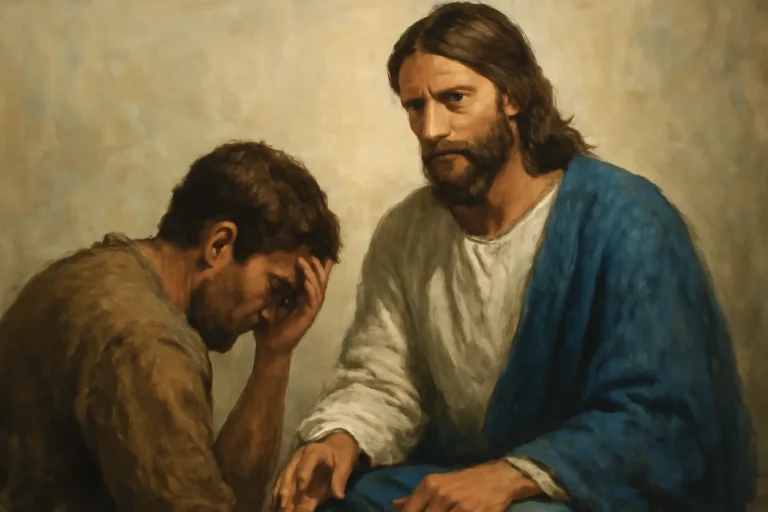
Doubt is not the enemy of faith, but often its companion along the journey. In the Christian story, doubt is not dismissed as a flaw to be hidden; rather, it becomes a space where sincerity, prayer, reason, and relationship can mature together. Across centuries of teaching and testimony, the claim that Jesus honors our honest doubts has been a source of comfort to many Christians who wrestle with hard questions, painful experiences, or complex interpretations of what God is doing in the world. This article offers a broad, careful, and theologically grounded exploration of that claim. It surveys biblical narratives, explores how doubt functions within spiritual formation, illuminates pastoral practices that welcome questions, and considers how faith communities can cultivate environments where doubt is not punished but transformed into deeper trust.
Understanding Doubt in the Christian Narrative
To speak of honest doubt is to acknowledge a basic human condition: we are finite, our perception is imperfect, and the mysteries of God often exceed our capacity to grasp them immediately. The biblical witness does not shy away from doubt; instead, it exposes how doubt can become a hinge upon which faith turns toward clarity, mercy, and renewed devotion. In this sense, doubt is not merely a hurdle; it can be a doorway to a more robust trust, a richer worship, and a stronger commitment to truth.
Doubt as a Stage, Not a Stain
Many scholars and pastors insist that doubt is a stage in spiritual growth, not a terminal condition. When doubt is acknowledged openly, it invites honest inquiry, careful study, and pastoral care. The organic arc of faith often includes seasons of perplexity, questions that outgrow earlier convictions, and moments of vulnerability before God and others. In this frame, the followers of Jesus are invited to bring questions into prayer, to test their beliefs against the witness of Scripture, and to listen for the Spirit guiding them through uncertainty.
Key Dimensions of Honest Doubt
- Emotional doubt—the ache of longing, sorrow, or bewilderment that questions how God can be present in pain.
- Intellectual doubt—questions about the coherence, credibility, or evidential basis of claims about God and reality.
- Existential doubt—concern about meaning, purpose, or the direction of one’s life in light of faith commitments.
- Moral doubt—wrestling with God in a world where evil and injustice persist, and asking whether trust can survive such realities.
The Promise and Practice of Jesus Engaging Doubt
The teaching and life of Jesus reveal a pattern: when people bring their doubts to him with sincerity, he responds not with scorn but with invitation, illumination, and mercy. The claim that Jesus honors our honest doubts is borne out in multiple gospel episodes where doubt triggers a deeper revelation of who Jesus is, what the Father desires, and how the Spirit works in human hearts.
Key Theological Principle: Doubt as a Vessel for Truth
Central to Christian thought is the idea that doubt, rightly oriented, can become a vessel for truth. When a person says, “I doubt,” the response of Jesus is not to shame but to lead—toward higher evidence, clearer proclamation, and a more intimate encounter with God. This principle aligns with Christian apologetics and spiritual formation: faith seeking understanding is a noble pursuit, not a private weakness to be concealed.
Biblical Examples of Jesus Engaging Doubt
The Gospels offer several vivid accounts in which Jesus meets doubt with grace, patience, and teaching. These stories do not merely tolerate questions; they invite the questioner into a clearer sight of God’s work in the world. Across diverse settings—between friends, among crowds, and in moments of crisis—Jesus demonstrates that doubt can be the soil in which faith grows deeper, stronger, and more compassionate.
Thomas the Apostle: A Courageous Honest Doubt Turned to Worship
In John 20, the disciple Thomas is famously known as “Doubting Thomas” because he would not declare belief until he could see and touch the risen Jesus’ wounds. His insistence on evidence is not condemned; it becomes a catalyst for a profound confession. When Jesus appears, he invites Thomas to engage with the wounds, to examine the reality of the Resurrection, and to articulate a noble faith: “My Lord and my God!” The scene closes with a blessing: Blessed are those who have not seen and yet have believed. In this narrative, Jesus honors our honest doubts by meeting Thomas in his need and guiding him toward a greater confession. The commission that follows also underscores a mission: the church is called to test and proclaim truth in continuity with the Risen One.
Three Robuster Illustrations from the Road to Emmaus
Luke 24 tells of two disciples walking away from Jerusalem, discussing the recent events. They are troubled and disoriented, and Jesus himself joins them, though they do not recognize him at first. He questions their thoughts, listens to their narrative, and then opens the Scriptures to them, explaining how the Messiah had to suffer and rise. This encounter culminates in a moment of recognition—when Jesus breaks bread, their eyes are opened. The pattern is instructive: Jesus meets doubt with presence, teaches with Scripture, and then invites a communal response—astonishment, worship, and recommitment.
The Father’s Plea: A Cry of Faith and Unbelief in Mark 9
In Mark 9, a father brings his demon-possessed son to Jesus and voices a courageous form of doubt: “If you can do anything, take pity on us and help us.” Jesus responds with compassionate challenge: “Everything is possible for one who believes.” The father then utters a sincere plea that wonderfully captures honest doubt: “I do believe; help me overcome my unbelief!” Jesus does not rebuke the man for his mixed faith; instead, he heals the boy. This scene demonstrates that Jesus honors honest doubt as a doorway to faith that is real, tested, and alive enough to receive grace at the point of need.
Nicodemus: A Night Visit and a Questionable Beginning
Nicodemus, a Pharisee who comes to Jesus at night, embodies a cautious, curious approach to belief. The dialogue about being born again is more a pedagogy of inquiry than a purchase of certainty. Jesus does not condemn the inquiry; rather, he pushes the question into the realm of being and transformation—inviting Nicodemus to explore the hidden depths of the Spirit. In this encounter, honest questions meet divine invitation, and the result is not fear but a penetrating encounter with truth that changes a life.
The Post-Resurrection Doubt Among the Disciples
In various post-resurrection moments, the disciples show fear, confusion, and doubt about the meaning of the empty tomb. Luke 24 records that the women’s testimony is initially met with skepticism, and even some lingering doubt persists among the community. Yet Jesus appears, offers his peace, and provides convincing signs that vindicate his resurrection. The imperative takeaway is this: Jesus honors our honest doubts not by downplaying them but by providing evidence, presence, and instruction that leads toward faithful belief.
Theological Significance: Why Doubt Has a Place in Faith
Across Christian traditions, doubt is not treated as an adversary of belief but as a potential ally if engaged rightly. The theological significance of doubt rests on several convictions about the nature of faith, God’s character, and the life of the church.
Faith and Reason, Hand in Hand
A long-standing Christian impulse has been to honor reason as a genuine instrument by which believers discern truth about God and reality. The phrase faith seeking understanding captures a truth that is central to the Christian life: belief is not a blind leap in the dark, but a disciplined movement toward the light that comes from God. When our honest doubts arise, they can invite better questions, better evidence, and a more coherent integration of Scripture, tradition, and experience.
From Unbelief to Trust: The Dynamic of Spiritual Formation
Doubt can catalyze a process of spiritual formation in which a person moves from uncertainty toward a more grounded trust. This formation is not merely cognitive; it is transformative, shaping how a person loves, serves, and relates to God. The biblical pattern—doubt leading to revelation, questions maturing into worship—remains a guiding example for communities that want to cultivate mature faith.
Word and Sacrament: A Fuller Context for Doubt
The witness of the Church through the ages has been that Jesus honors honest doubts most fully when belief is tested in the familiar rites of faith: Word proclaimed, prayer offered, baptism remembered, and the Eucharist shared. In such settings, doubt is not silenced by ritual; it is invited to engage with the symbolic acts that reorient the heart toward God. These practices are not exemptions from truth but ways of dwelling with truth in a community already shaped by grace.
Doubt, Faith, and Spiritual Growth: A Practical Framework
If doubt is a natural companion on the path of faith, how should communities and individuals respond? A practical framework can help turn doubt into growth rather than discouragement. Here are patterns that many find helpful.
Five Steps for Engaging Honest Doubt
- Name the doubt clearly and honestly. Put words to what feels uncertain, whether it is about God’s presence, God’s goodness, or your own place in the story.
- Take it to God in prayer with humility. Bring the longing, the confusion, and the desire for understanding before the divine presence who listens.
- Seek the community that can listen without judgment. A trusted friend, mentor, or pastor can offer coaching, accountability, and encouragement.
- Engage Scripture and tradition with curiosity. Read passages that address lament, questions, and the character of God. Explore how the Church has wrestled with doubt across generations.
- Let truth and life converge in action. Apply insights gained through doubt to acts of love, justice, mercy, and service in the world.
Avenues for Growth
- Lament as a prayer form that gives voice to pain and questions (psalms of lament provide a model).
- Reflection through journaling, meditative reading, or guided contemplation to trace patterns of belief, doubt, and experience.
- Proclamation of what is believed, while naming what remains uncertain, in a way that preserves the integrity of both faith and inquiry.
- Community discernment that honors diverse questions, resists coercion, and seeks shared clarity about essential beliefs.
Pastoral Implications: How Churches Address Doubt
Churches can play a pivotal role in shaping environments where doubt is neither exploited nor demonized. When a faith community consistently models how to hold doubt with openness and hope, it becomes a living witness to the truth that Jesus honors our honest doubts and draws believers toward truth through patient teaching, communal support, and compassionate leadership.
Safe Spaces for Inquiry
Leadership that cultivates safe spaces for inquiry helps people articulate questions without fear of shame. This can be achieved through question-and-answer sessions, open forums after sermons, and small groups dedicated to honest exploration. The aim is not to resolve every question instantly but to create a rhythm in which doubt is named, cared for, and gradually clarified.
Sermons and Teaching Series
Teaching series on doubt—ranging from biblical laments to apologetic explorations—can help congregants connect their lived experience with theological truth. A pastoral approach that repeatedly affirms Jesus honors our honest doubts reinforces a core message: belief is compatible with questioning, and trust grows as questions are addressed with Scripture, reason, and grace.
Pastoral Care and Counseling
Pastoral care teams and counselors can accompany people who wrestle with doubt amid loss, trauma, or disappointment. By listening, validating, and guiding toward resources, pastors show that faith does not require quietism but a resilient honesty before God and neighbor. In such settings, the claim that Jesus honors honest questions becomes a lived reality in the way care is extended.
The Role of Sacred Scripture, Tradition, and Reason
The Christian intellectual tradition holds together Scripture, tradition, and reason as a Threefold Source of Authority. Doubt is not a reason to jettison any one of these; rather, it invites a deeper engagement with all three. Scripture speaks plainly about doubt, lament, and faith; tradition offers a reservoir of insights from saints and scholars who have faced hard questions; reason provides a toolset for evaluating evidence, coherence, and experiential knowledge. In this integrated approach, the assertion that Jesus honors our honest doubts becomes a stance that respects the integrity of belief while remaining open to new understanding.
Scriptural Case Lines that Speak to Doubt
The biblical canon contains numerous passages that validate honest questioning:
– The Psalms frequently voice distress, perplexity, and longing for a reliable sense of God’s presence.
– The Gospels present episodes where Jesus patiently responds to questions with teaching and revelation.
– The Letters of the New Testament encourage discernment, perseverance, and the testing of spirits in light of Christ’s gospel.
Tradition as a Resource for Doubt
Across church history, theologians, pastors, and laypeople have wrestled with doubt in constructive ways. The tradition offers stories of fathers and mothers of the faith who questioned, reflected, and grew in grace. These voices can accompany contemporary believers as they navigate their own seasons of uncertainty.
Reason as a Bridge, Not a Barrier
Reason helps articulate, examine, and defend faith claims. When used well, it does not threaten faith but strengthens it. The aspiration is not to prove God by human logic alone, but to render belief coherent enough to sustain life, love, and service in a world full of complexity. If honest questions arise, reason can guide us toward clearer understanding while remaining anchored in divine revelation.
Resourcing Doubt: Prayer, Community, and Spiritual Practices
Beyond intellectual engagement, the spiritual disciplines offer resources for people who wrestle with doubt. The practices of prayer, liturgy, worship, and confession shape a person’s interior life so that doubt can be carried with gentleness before God, not as a burden to bear alone but as a shared pilgrimage within the faith community.
Lament and Prayer
Lament prayers honor the reality of pain and perplexity while maintaining faith in God’s goodness. Such prayers allow believers to present their doubts openly to the God who listens, renews, and acts. In this way, Jesus honors honest cries when the heart is honest about the struggle and the longing for mercy.
Journaling and Reflective Reading
Journaling experiences and reflective reading of Scripture can help map the terrain of doubt. By recording questions, perceived contradictions, and moments of affirmation, a person creates a traceable path that can later be revisited with clearer insight and fresh grace.
Communal Discernment
In groups and communities, discernment processes allow believers to name doubts in a respectful environment. Through dialogue, shared study, and prayerful listening, a community can move toward consensus on essential truths while acknowledging legitimate diversity in secondary matters.
Sacramental Life as a Place of Encounter
The sacraments—baptism and the Eucharist—ground doubt within concrete acts of grace. In baptism, one is received into a community of faith; in the Eucharist, the faithful are nourished by the presence of Christ. In such rites, even lingering doubts can be transformed as the spiritual senses are awakened and the heart is drawn to trust.
Variations on the Theme: The Semantics of “Jesus Honors Our Honest Doubts”
To honor the breadth of experience within the Christian story, it is useful to recognize semantic variations that convey the same underlying truth: Jesus honors our honest doubts in different ways, through different phrases, and with different emphases. Here are a few formulations that illuminate the same core conviction:
- Jesus respects sincere questions and invites thoughtful response rather than dismissal.
- Christ honors honest inquiries as a path toward richer faith and closer relationship with God.
- Our doubts are welcomed by the Savior, who meets us with grace amid uncertainty.
- God invites doubt to become trust, turning questions into a deeper reliance on divine wisdom.
- Jesus meets skepticism with revelation, guiding the mind and heart toward truth.
- Discernment, not denial, is the way through uncertainty toward lasting faith.
Conclusion: The Transformative Power of Honest Doubt
The claim that Jesus honors our honest doubts is not a license to remain forever uncertain, but an invitation to allow doubt to work in and through faith with integrity. The biblical stories demonstrate that Jesus does not scold or trivialize doubts; rather, he engages them with presence, words, and signs that disclose the truth of who he is and the work of God in the world. Theological reflection, pastoral care, and spiritual practice together offer a robust framework for turning doubt into a catalyst for deeper worship, truer knowledge, and more compassionate living.
In sum, doubt, when approached with humility and hope, becomes a doorway rather than a barrier. The generous posture of Jesus toward honest questioning teaches the church to cultivate environments where questions are not only tolerated but encouraged as means of growth. Whether through Scripture, tradition, reason, or sacred practice, the journey toward belief remains ongoing, dynamic, and radiant with the grace that sustains faith. When we say Jesus honors our honest doubts, we are naming a truth that invites every seeker to continue walking toward the light, trusting that the one who spoke the word and who rose again is with us in every season of perplexity, every season of faith, and every season of hopeful perseverance.
If you have wrestled with doubt today, remember the arc of the gospel: questions may lead to pain, but the God of mercy responds with grace, guidance, and peace. The invitation remains open: come with your questions, bring your doubts, and let the encounter with Christ enlarge your heart toward trust, love, and a more intimate knowledge of the truth. In that journey, we can together say with growing confidence that Jesus honors our honest doubts and invites us to a faith that endures, a love that heals, and a life that bears witness to the good news of God’s kingdom.
Appendix: Quick Reference for Readers
- Primary biblical anchors: John 20 (Thomas), Luke 24 (Road to Emmaus), Mark 9 (Father’s cry of faith and unbelief), Matthew 8–9 (Centurion, healing narratives), John 3 (Nicodemus).
- Core assertion: Jesus honors our honest doubts by listening, teaching, and revealing truth that transforms belief into steadfast trust.
- Practical takeaway: cultivate a practice of naming doubt, seeking community, engaging Scripture, and participating in worship that anchors the heart.