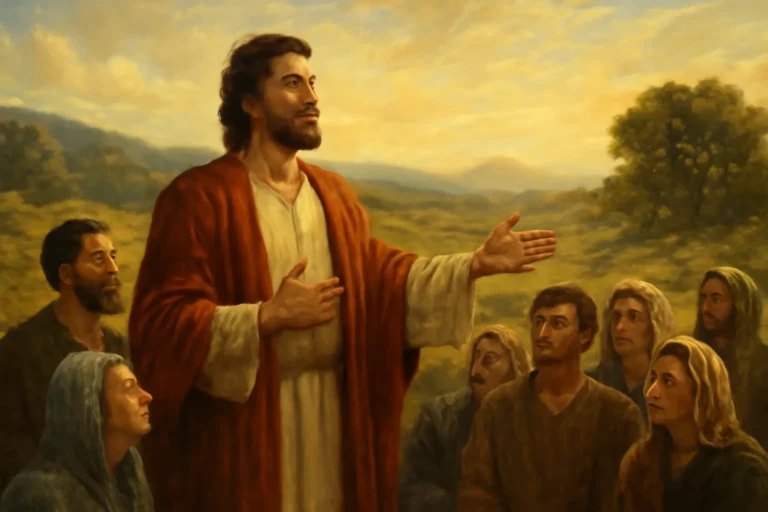
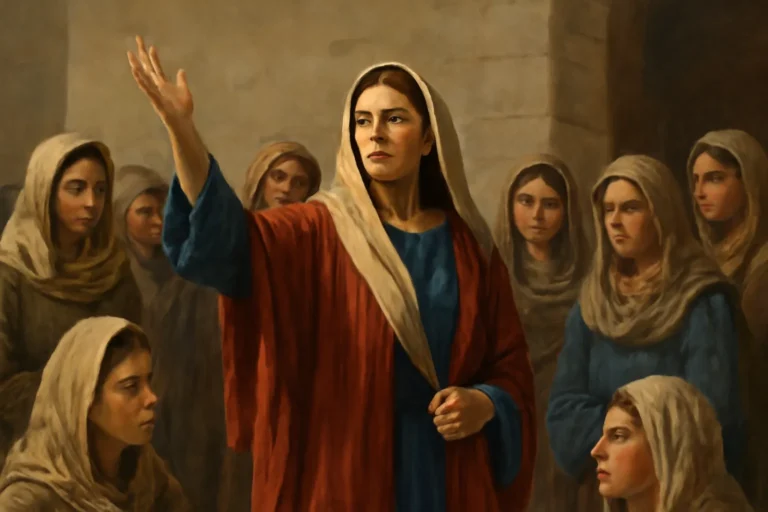
In communities of faith, leadership is not merely a functional role or a marker of authority.
It is a vocation rooted in divine initiative and spiritual responsibility.
When we speak of being Led by the Divine, we acknowledge that a higher Voice speaks into
human lives, inviting people to serve, guide, and steward with integrity. The phrase “God calls us to leadership” resonates across biblical narratives and ecclesial traditions, inviting
believers to embrace a path that blends courage, humility, discernment, and service.
This article explores the multilayered question of leadership that is not owned by a single institution
but entrusted to the faithful by God. It surveys theological foundations, scriptural patterns, the moral
contours of leadership, practical formation, and the accountability structures that safeguard people and
communities from abuse of power. Throughout, we will use variations of the call to leadership—whether
framed as the divine summons to lead, the heavenly invitation to leadership,
or the Creator’s call to governance—to map a comprehensive path from encounter with the divine
call to the faithful life organized around service.
Theological Foundations: Who Calls, and Why Leadership Matters
The question of God’s calling of leaders rests on a conviction that history and creation are under
the sovereignty of a personal God who desires to partner with humans in the work of restoration, justice,
and proclamation. In many faith communities, leadership is framed as a trustworthy collaboration between the
divine initiative and human response. The underlying theologies affirm that:
God’s character shapes leadership ethics: humility, justice, mercy, and truth-telling become non-negotiable markers of a leader’s life.
Leadership as service rather than domination: the aim is to bless others, not to consolidate power.
Communal discernment accompanies the call: confirmation often involves elders, mentors, and the wider community.
Divine sovereignty and human responsibility coexist: God initiates the call, but humans are responsible to answer faithfully and steward gifts well.
In the biblical frame, leadership is often described in relational and covenantal terms. The narratives
emphasize that leadership grows out of trust in God and fidelity to a people’s welfare. The call to lead
is never a solitary endeavor; it is a shared enterprise rooted in worship, prayer, scripture, and
accountability. Therefore, the divine calling to leadership must be interpreted within the
life of the community that honors it.
Scriptural Bearings: How Scripture Portrays the Call to Leadership
Across the biblical canon, stories of call illuminate how God engages leaders and prepares them for tasks
beyond their own capabilities. The call to lead from God is often accompanied by signs,
revelations, and communal confirmation. Below are some guiding patterns, from earliest to latest:
Old Testament Foundations
The era of the patriarchs, judges, prophets, and kings reveals a spectrum of leadership callings:
Moses’ call at the burning bush embodies a divine commission that reorients identity and mission: “Who am I that I should go?” is answered by God’s assurance and the sign of miracles.
Samuel’s vocational awakening occurs in the temple as a boy who learns to listen for a voice greater than his own expectations.
Prophetic commissions—Jeremiah, Isaiah, and others—emphasize that leadership begins with listening to God’s words and aligning one’s life to God’s purposes, even when the message is challenging.
Royal leadership in David and Solomon unfolds as a study in governance under divine oversight, balancing ambition with covenant loyalty.
In the New Testament, leadership is reframed through the person and work of Jesus Christ and the
apostolic community. Key motifs include:
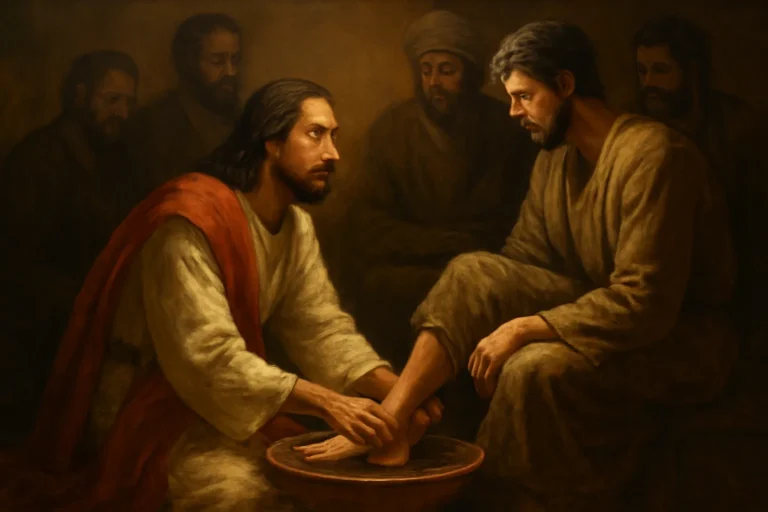
Jesus’ servant leadership modelled in washing feet, healing the marginalized, and laying down his life for others.
Apostolic commissioning—the sending of disciples with authority to teach, heal, and proclaim the kingdom.
Church leadership as mutual submission within the body of Christ, where gifts differ but love is central.
Pastoral oversight and elders, who guide congregations with care, accountability, and doctrinal integrity.
Understanding the Call: How God Calls Us to Leadership
The question of timing and fit concerns many who sense a divine invitation. The ways in which God calls
people to lead are diverse, yet they share common features that help communities discern authenticity and
vocation. Broadly considered, the call can be understood as:
Internal conviction born in prayer and scripture, often accompanied by a sense that God’s purposes align with one’s deepest joys and gifts.
External confirmation through mentors, elders, or a local congregation that recognizes readiness and character.
Availability and responsiveness — the willingness to say “yes” when God invites and equips.
Contextual alignment where leadership meets the needs of a community and serves its mission effectively.
Discords and Deliberations: When the Call Feels Ambiguous
It is not uncommon for prospective leaders to wrestle with ambiguity, fear, or competing calling narratives.
In such times, thoughtful discernment processes matter:
Engage in sustained prayer and scriptural reflection.
Seek spiritual direction from trusted mentors who model wisdom and humility.
community discernment, inviting honest feedback about character and fitness for leadership.
Preparing for Leadership: Formation, Character, and Competence
A robust preparation for leadership goes beyond technical competence; it foregrounds character, spiritual
formation, and pastoral sensitivity. The journey toward readiness can be described in several interwoven
strands:
Character Formation
Humility as a foundational posture that values others’ dignity and agency.
Integrity in word and deed, especially under pressure.
Compassion expressed as practical care for the vulnerable and marginalized.
Stewardship of resources, time, and influence for the common good.
Spiritual Disciplines
Regular prayer and contemplation to cultivate listening to God’s guidance.
Engagement with Scripture to learn the ways of leadership modeled by Jesus and biblical leaders.
Fasting, contemplation, and solitude as practices that deepen dependence on God.
Participation in communal worship and accountability structures that sustain ethical life.
Academic and Practical Readiness
Theological education or informed study that grounds leadership in doctrinal fidelity.
Pastoral care training for listening, counseling, and crisis response.
Leadership skills such as vision casting, strategic planning, conflict resolution, and governance.
Experience in service and mission—hands-on leadership in diverse settings builds credibility and resilience.
Ethics, Accountability, and the Public Good
A divine calling to lead cannot be construed as license for power. Ethical leadership requires rigorous
accountability and a steadfast orientation toward the flourishing of others. The biblical witness on
leadership emphasizes a rhythm of accountability: to God, to the community, and to the vulnerable
populations one serves.
Core ethical commitments include:
Serving without domination—leadership as stewardship that seeks the welfare of others.
Transparency in decision-making and financial stewardship.
Justice and mercy in policies, practices, and pastoral care.
Accountability mechanisms such as councils, boards, and peer review that provide checks and balances.
Hazards and Safeguards
Even well-intentioned leaders can encounter temptations: prestige, control, or the misalignment of power
with service. Robust safeguards help prevent abuse:
Clarity about roles and limits of authority.
Regular evaluation against a shared mission and ethical commitments.
Opportunities for dissent and healthy debate within the community.
Open channels for whistleblowing and addressing grievances with care and due process.
Models of Leadership in Faith Communities
Across traditions, we encounter various models through which the divine call manifests in human lives.
Some emphasize organizational governance, others emphasize prophetic proclamation and social action, while
still others highlight pastoral care and spiritual formation. Three broad models illustrate how the divine call to leadership expresses itself in meaningful ways:
This model foregrounds service, sacrifice, and the prioritization of others’ needs. It aligns with the
example of Jesus, who leads by serving, washing feet, and laying down his life for the flock. Leaders
who embrace this model cultivate trust, empower others, and cultivate a culture of mutual respect.
Prophetic Leadership
In prophetic leadership, the call centers on courage to speak truth to power, advocate for justice, and
challenge injustice with a word that may be unpopular but faithful to God’s revealed will. Prophetic leaders
often bear the burden of unpopular discernment for the sake of the vulnerable and the faithful witness of
the community.
Apostolic and Ecclesial Leadership
In many church settings, leadership takes shape through episcopal, presbyterial, or congregational
structures. Esteemed elders, pastors, deacons, or lay leaders exercise governance and shepherding with a
strong emphasis on doctrinal fidelity, pastoral care, and mission expansion.
Discernment Practices: Hearing and Honoring the Call
The process of discernment is not a one-time event but a continual pilgrimage. Churches and
families that foster discernment cultivate environments where people can test, refine, and respond to
God’s invitations with integrity. Practical steps include:
Engaging in regular prayerful listening for guidance and peace about the path ahead.
Participating in scripture-centered reflection that aligns leadership with God’s will as revealed in the text.
Seeking coherent feedback from trusted mentors, colleagues, and the community who observe character and competence.
Documenting the call in a personal or communal discernment report to clarify motivation and expectations.
Practicing a period of testing—toward a threshold of readiness that balances zeal with patience.
A healthy discernment process treats the call as a dynamic relationship rather than a single moment. The
ongoing confirmation from God and community helps prevent burnout, pride, or misalignment with God’s
purposes.
The Spiritual Disciplines of Leadership
The disciplines of the faith form the inner life required for sustainable leadership. They are more about
cultivation than achievement, nurturing a leadership that endures through storms and uncertainties.
Prayerful listening to hear God’s counsel about direction and timing.
Scriptural immersion to shape decisions in alignment with God’s revealed will.
Faithful worship as a posture of dependence and gratitude for every leadership opportunity.
Community accountability for honest feedback and shared responsibility.
Humility in action—willingness to learn from failures and adjust course.
Leadership in Practice: Churches, Ministries, and Public Life
The call to leadership in religious communities extends from the local church to mission organizations,
schools of faith, and even interfaith or civic contexts where faith informs public life. Leaders who heed the divine summons to leadership often find themselves guiding congregations through change,
mediating conflicts, and fostering acts of mercy and justice in their communities. Some practical realities include:
Vision casting that aligns with a core mission and engages the broader community.
Strategic planning that prioritizes spiritual formation, outreach, and service.
Pastoral care that remains accessible to the vulnerable, the anxious, and the doubting alike.
Educational initiatives that form lay leaders and equip volunteers to participate in ministry.
Collaborative leadership that values diverse gifts and avoids silos or coercive control.
Communication of the Call: Sharing and Confirming a Divine Mandate
When God’s call to leadership becomes evident, transparent communication and communal confirmation help
ensure fidelity to the divine will. The process often involves:
Public affirmation within the faith community through ceremonies, commissions, or ordination where appropriate.
Clear articulation of the vision, values, and boundaries that guide the leader’s tenure.
Ongoing feedback loops that encourage accountability and adaptation to new circumstances.
Commitment to service-first rhetoric that centers the well-being of others over personal ambition.
Intersections with Social Justice and Global Challenges
A robust interpretation of God’s call to leadership in a religious frame must engage the moral
questions of life in the public square. Leaders who answer the divine invitation often confront issues
such as poverty, racial and gender equity, refugee care, environmental stewardship, and human dignity.
In all of these areas, the call to leadership transcends partisan politics and seeks to embody the virtues
of a gospel-centered life.
The journey of leadership under a divine call is not immune to struggle. Leaders may encounter seasons
of doubt, ethical temptations, burnout, or difficulties in aligning organizational structures with the
core values of their faith. The path toward renewal includes:
Embracing humble repentance when missteps occur and seeking reconciliation with those harmed.
Maintaining spiritual vitality through ongoing formation and supportive communities.
Continuing theology of leadership that listens to the marginalized and revisits
doctrinal commitments in light of new circumstances.
Balancing innovation with fidelity—finding new methods that preserve timeless truths.
The Role of Spiritual Gifts in Leadership
Within many faith traditions, leadership is understood to be enhanced by spiritual gifts given by God.
These gifts may include leadership and administration, wisdom, prophecy, teaching, exhortation, mercy,
and others that enable believers to build up the church and advance God’s mission. The positive use of
gifts requires discernment, ethical integrity, and collaborative governance, so that the gifts
contribute to communal flourishing rather than individual prestige.
The integration of gifts with calling means:
Identifying and affirming gifts through churchly evaluation and peer feedback.
Ensuring that gifts are exercised within a framework of accountability and mutual submission.
Deploying gifts in service of the community, especially toward the vulnerable and the marginalized.
Continuing education and practice to grow in mastery and wisdom.
Education, Formation, and the Ongoing Call to Lead
The divine invitation to leadership does not end with an initial moment of commitment. It calls for an
ongoing process of growth, renewal, and adaptation. Educational institutions, faith communities, and
families all have roles in sustaining leaders who are faithful, competent, and compassionate.
Some avenues of ongoing formation include:
Graduate-level or lay theological education that deepens doctrinal clarity while expanding practical skills.
Mentorship programs that pair emerging leaders with seasoned guides who model integrity and humility.
Continued literacy in pastoral care, counseling, and crisis response in diverse cultural settings.
Experiential learning through mission involvement, governance, and community service.
A thriving faith community values leadership that crosses generations. The divine call to leadership
invites both experienced voices and younger leaders to collaborate in shaping vision and sustaining
mission. Intergenerational leadership fosters:
Mutual learning where older leaders impart wisdom and younger leaders bring energy and fresh perspectives.
Honored plurality of gifts and voices that enrich decision-making and accountability.
Careful succession planning that honors past commitments while enabling new leadership.
Inclusive leadership that welcomes diverse cultural expressions of faith and practice.
Conclusion: Embracing the Journey of Divine Leadership
To be Led by the Divine is to accept a sacred invitation to participate in God’s redemptive project
in the world. It is a journey of listening, learning, serving, and growing in grace. The call is never
merely about occupying a position; it is about forming a life oriented toward God, toward neighbor, and
toward the mission entrusted to the community of faith. Whether the path is quiet and unseen or public and
influential, the divine summons to leadership remains a constant reminder that leadership in the faith is
a form of stewardship under God’s oversight.
In every context—church, mission, education, or public service—the believer who responds to the call from above participates in a relay that has been handed down through generations:
a chain of trust in the Creator’s purposes, a commitment to justice and mercy, and a steadfast faith that
God’s plans prevail. As communities continue to discern, equip, and send leaders, may every follower be guided
by a spirit of humility, a heart for service, and a life marked by fidelity to the divine call to leadership.