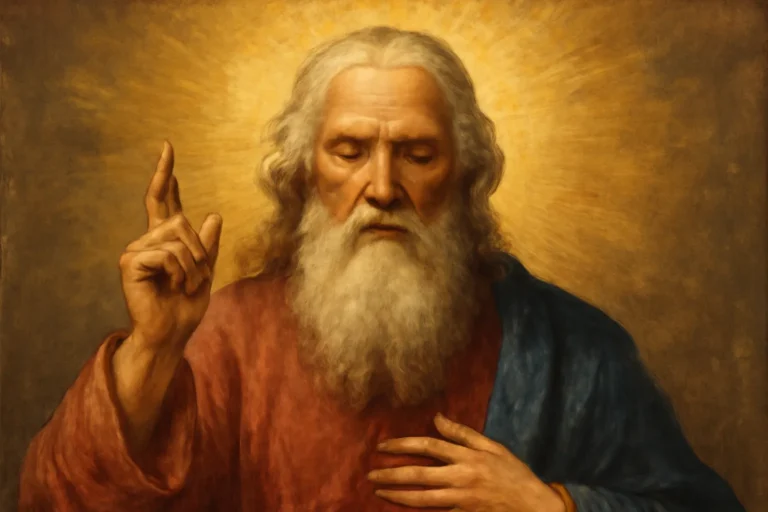

Behind the Veil: An Introduction to the Hidden Ways of God
Behind the veil lies a topic that has preoccupied theologians, ministers, scholars, and laypeople for centuries: the hidden ways of God. This is not merely a question of mystery for mystery’s sake, but a serious inquiry into how a transcendent, personal Creator intersects with finite human history. The phrase God is at work in hidden ways captures a conviction that divine action often eludes the naked eye, yet is discernible to the patient observer who looks beyond surface appearances. This article surveys the theological landscape, offers interpretive tools, and explores practical implications for faith, worship, and daily living.
Across traditions, the concept of hidden action has shaped how communities understand providence, suffering, joy, and moral responsibility. When the veil falls away, what remains is a rhythm of hope: even when outcomes seem uncertain, believers trust that the divine intention remains at work, shaping events through what scripture and tradition call divine providence, the hidden hand, and quiet grace. In what follows, we will examine the core ideas, the historical developments, and the lived realities of recognizing that God is at work in hidden ways, and that the divine activity often speaks most clearly in seasons of silence, restraint, or unexpected reversal.
The Concept of Hidden Divine Action
The idea that God acts behind the scenes sits at the intersection of faith, philosophy, and narrative within sacred literature. It is not a dampening of God’s sovereignty but a reverent acknowledgment of how power can be exercised through restraint, gentleness, or unseen mercy. When we speak of hidden action, we engage with three related convictions: that God is not absent in human history, that God’s action is often mediated through ordinary means, and that discernment is required to recognize the divine footprint in the events of life.
Traditional perspectives on providence and hidden action
- Christian theology often speaks of providence as God’s sustaining care and steering of creation toward its intended end. The economy of grace frequently operates through mundane routines—work, family life, friendships, and institutions—so that the extraordinary can emerge through the ordinary.
- Judaism emphasizes God’s ongoing involvement in history, often described as a hidden hand guiding events in ways that reveal justice, mercy, and covenant faithfulness. The stories of the Hebrew Bible frequently present outcomes that were unforeseen at the outset yet fulfilled in a larger divine design.
- Islam recognizes a consistent divine governance—qadar—where God’s will encompasses what humans perceive as coincidence, chance, or fate. The hidden workings of God are discerned through patience, fidelity in worship, and trust that God’s plan unfolds with wisdom.
- Other traditions and many non-dogmatic spiritualities also reflect on how the sacred operates beneath appearances, inviting adherents to cultivate discernment, gratitude, and moral courage in the face of uncertainty.
Philosophical considerations and the problem of hiddenness
Philosophers have asked: If God exists and is all-powerful and all-loving, why is divine action often hidden? Answering this involves navigating questions about freedom, epistemic limits, and the nature of trust. Some proposals emphasize the value of mystery—acknowledging that an infinite mind may act beyond human comprehension while still inviting human beings to respond with restraint and humility. Others stress the epistemic humility required to interpret outcomes: not every event bears a personal sign, yet many do when read through the lens of covenant love and historical memory.
A practical takeaway is that the unseen work of God invites vigilance and attentiveness. If God is at work in hidden ways, then spiritual formation should include habits that cultivate perception, such as contemplative prayer, liturgical rhythm, and scriptural reflection. In this sense, hidden action is not a cloistered mystery but a field of moral and spiritual education that invites individuals to join God’s work with discernment and courage.
Mechanisms of the Hidden Work: How God Acts Quietly
When believers speak of the hidden ways of God, they often point to mechanisms by which divine action manifests without fanfare. The following categories offer a framework for understanding how God’s activity is perceived, felt, and interpreted in both private life and communal history.
Divine providence operating through ordinary channels
One central claim is that God’s purposes are carried forward not only through dramatic miracles but also through the steady, often unnoticed processes of life. Providence can be seen in resilient relationships, steadfast work, and the timely emergence of opportunities. The claim “God works in ordinary days” is not a denial of miracles but a reminder that the sacred frequently negotiates through daily routines and the constraints of time.
The role of prayer and conversation with God
Prayer is not a magic wand; it is a practice that aligns the heart with God and creates a discerning space where the hidden work of God becomes intelligible. Through prayer, communities and individuals learn to recognize motifs of redirection, restraint, or mercy. The phrase God is at work in hidden ways often emerges when prayer leads to a quiet conviction that outcomes are being shaped according to a larger good, even if the immediate result remains unclear.
Providential signs in history and personal narrative
History itself can become a canvas where God’s covert activity is read. The emergence of unlikely friendships, the recovery from trauma, and the restoration of communities after crisis can be interpreted as instances of the unseen hand of divinity. When individuals reflect on their life stories, they may identify moments where the trajectory shifted in ways that could only be explained by a guiding power working beneath appearances.
Miracle and mystery
The term miracle is often invoked to describe explicit, extraordinary interventions. Yet many theologians insist that miracles also include meaningful coincidences, redemptive reversals, and the inner rearrangements of motives and desires. In this sense, the hidden ways of God may involve transformative events that reshape a person’s worldview without necessarily producing public spectacle.
Reading Signs: How to Discern the Hidden Work in Life
If God is at work in hidden ways, how can one discern divine action without slipping into superstition or wishful thinking? The following practical guidance offers a stable approach to interpretation while maintaining reverence for divine mystery.
Discernment as a practiced virtue
- Develop a pattern of reflective reading of life events, asking: What is this teaching me about love, justice, or mercy?
- Balance spiritual insight with accountability—seek counsel, test interpretations against scripture and tradition, and avoid solitary readings of meaning.
- Notice strands of consistency across time: patterns that point toward compassion, reconciliation, or humility are often marks of benevolent design.
Scriptural and liturgical resources for discernment
- Regular engagement with sacred texts that narrate divine action in subtle ways, from prophetic calls to quiet acts of mercy.
- Participation in communal worship that trains the senses to recognize grace: prayer, confession, and thanksgiving cultivate receptivity to the divine presence.
- Use of spiritual disciplines—silence, solitude, service—that increase sensitivity to the subtle motions of the Spirit.
Ethics and interpretation
Reading the hidden work of God must always be tethered to ethical commitments. It is prudent to guard against introspective pathologies—reading personal desires into divine will, or using spiritual interpretation to justify harm. A robust approach to discernment grounds itself in:
- Love for neighbor as a primary criterion
- Respect for human dignity and freedom
- A responsive posture toward injustice, not resignation in the face of it
The Hidden Ways in Everyday Life: Personal and Communal Perspectives
Theologians often counsel that the God who holds the cosmos also cares for the sparrow, the family meal, and the neighbor next door. In lived experience, God is at work in hidden ways when ordinary life becomes the theater for grace—where patience, kindness, and faithfulness reveal a larger purpose at work beyond what first appears.
Personal life: growth, testing, and transformation
- The patient endurance of suffering can refine character and deepen trust, even when clarity is absent.
- Unplanned changes—loss, relocation, or career shifts—may redirect a person toward unexpected vocations or communities of care.
- Small mercies—the check-in from a friend, the door left open in a moment of crisis—can point toward a benevolent direction that scripture describes as providential care.
Family and community life
- Intergenerational bonds often reveal continuity of intention across time, suggesting a hidden tapestry of grace that binds people in shared purpose.
- Churches, mosques, temples, and synagogues frequently become milieus where cooperation, forgiveness, and collective resilience become tangible signs of divine activity.
- Social initiatives rooted in justice and mercy can unfold with outcomes that surpass human planning, hinting at a larger invisible coordination beyond committees and budgets.
History and national life
- Moves toward reconciliation after conflict, or restorative justice after years of division, can be interpreted as instances of God’s hidden governance shaping a fragile peace.
- Ordinary civic virtue—honesty in leadership, mercy toward the marginalized, fidelity to promises—may function as undercurrents aligning societies with a transcendent order.
- Natural events, migration, and cultural exchange often carry moral lessons that illuminate the path of virtue and challenge the pride of power.
The Veil in Sacred Texts: Echoes of Hidden Action Across Traditions
Sacred scriptures and later theological reflections offer abundant vignettes of God’s concealed activity. These texts invite readers to discern how the divine life intersects with human narratives without always revealing the full rationale behind each turn of events.
Biblical witness to hidden action
In the Hebrew Bible and the Christian scriptures, instances abound where God’s presence is felt more in the aftermath than in the moment of crisis. Covenant promises unfold across generations, often requiring patience and faithful living in tension with immediate circumstances. The refrain “the LORD was with him” or “the Spirit of God came upon her” frequently accompanies situations that begin in ambiguity and resolve into purpose.
Texts emphasizing quiet sovereignty
In the New Testament, the early church learns to navigate persecution, division, and mission through a conviction that God’s activity transcends human strategy. Pivotal moments—like the growth of the church in hostile environments or the turning of hearts through encounters with grace—are read as signs of divine personas quietly guiding history from within.
Interfaces with other traditions
The Islamic tradition, for instance, speaks of God’s governance as meticulous and all-encompassing, where divine will and human responsibility meet in common moral tasks. The Qur’an invites readers to reflect on signs, to observe the world’s order, and to recognize that the hidden hand of the Creator is at work in natural law and human choice alike.
Theological Reflections: How Hidden Action Shapes Faith and Suffering
The existence of hidden divine action raises several profound questions about purpose, suffering, and the road to wisdom. How does one maintain trust when outcomes are uncertain? How can communities preach hope without denying pain? And how should believers respond when the veil feels thick and opaque?
The problem of evil and the pace of divine action
The problem of evil challenges readers to interpret the hidden ways of God with intellectual honesty and pastoral sensitivity. If God is at work in hidden ways, does that imply a good reason for suffering? Theologians often propose that hidden action operates in ways that invite moral growth—teaching mercy, strengthening hope, and cultivating resilience in a broken world—while never reducing suffering to a mere instrument for virtue.
Trust, faith, and the posture of waiting
A recurring theme is the virtue of trust. When the outcome is unclear, faith communities lean into practices that sustain hope: liturgy that remembers grace, sacraments that anchor identity, and stories of deliverance that remind believers of a patient God. The claim that God moves in mystery does not absolve human responsibility; rather, it reframes action as a cooperative venture with divine leadership that calls for humility and fidelity.
Practical Implications for Spiritual Practice
If God is at work in hidden ways, then spiritual formation must cultivate discernment, humility, and a robust ethics of solidarity. The following practices nurture an attentive heart and a courageous life in light of divine mystery.
Prayer as discernment and invitation
- Regular, contemplative prayer that invites quiet listening to the Spirit.
- Petitions that acknowledge limits and seek wisdom rather than control.
- Thanksgiving that trains the heart to notice subtle mercies and to interpret events with gratitude.
Communal discernment and shared wisdom
- Small groups, study circles, and mentorship that test interpretations against communal memory and shared scholarship.
- Ethical dialogue that emphasizes care for the vulnerable and the common good.
- Public worship and rites that signify trust in divine timing and a commitment to justice.
Action guided by modesty and courage
- Engagement in acts of mercy and advocacy that reflect God’s compassionate concern for the oppressed.
- Courage to respond to ambiguity with integrity, rather than forcing obvious explanations onto complex realities.
- Humility in triumph and in crisis, recognizing that the hidden work of God often exceeds human expectation.
Literary and Narrative Approaches: Reading the Veil through Storytelling
Narrative form is a powerful way to articulate the experience of hidden action. Parables, biographical sketches, and communal histories reveal how characters navigate seasons when the veil seems thick. By engaging with stories that depict resilience amid uncertainty, readers learn to recognize patterns of grace, providential care, and moral transformation.
Parabolic thinking and hidden action
Parables invite astute interpretation: they present situations where outcomes depend on discernment, trust, and compassionate action. In parable-like settings, God’s activity is not announced with thunder but disclosed through the consequences of choices, the turning of hearts, and the alignment of human will with a larger divine intention.
Biographical sketches of quiet courage
The lives of saints, reformers, and ordinary believers who endured hardship with steadfast faith demonstrate a theology of hidden work in practice. Their stories often reveal a paradox: visible results may be delayed, yet inner transformation signals a robust engagement with God’s hidden action.
Ethical and Social Considerations
The conviction that God is at work in hidden ways carries ethical weight. It challenges believers to resist sensationalism, to avoid coercive interpretations that blame victims, and to pursue justice with patience and mercy. The ethical life is inseparable from a theology of hidden action: a community that trusts the divine will act with courage, compassion, and honesty in the face of ambiguity.
Justice, mercy, and the pace of reform
- The hidden activity of God can be seen when social reforms emerge gradually, through patient advocacy and steadfast commitment to human dignity.
- Mercy often unfolds with a quiet persistence that changes communities more deeply than public spectacle would.
- Tragic systems may require sustained, ongoing effort; in such contexts, discernment helps prevent cynicism and fosters hope in divine timing.
Interactions with science and culture
The idea of hidden divinity does not conflict with scientific inquiry; instead, it invites a broader humility about the limits of human knowledge. Some theologians argue that science itself can reveal the orderliness of creation and, in turn, the artistry of God’s hidden action in the natural world. In culture, signs of virtue, beauty, and truth often point toward a larger, unseen designer whose work operates beneath appearances.
Conclusion: The Comfort and Challenge of Hidden Action
To say that God is at work in hidden ways is to acknowledge both the mystery of the divine and the accessibility of grace through faithful living. It invites believers to cultivate discernment, to resist easy explanations, and to embrace a patient hope that trusts in a benevolent order beyond immediate perception. The veil can be thick, but it is not impermeable. Through prayer, community, Scripture, and compassionate action, one can learn to see the traces of the divine footprint in daily life.
In the end, the hidden ways of God are not a puzzle to be solved but a relationship to be lived. They call for humility—before the complexity of life and the vastness of divine purpose—and for courage—to act justly when outcomes are uncertain. They invite us to say with honest conviction, God is at work in hidden ways, and to trust that, even when the veil seems thick, the loom of grace is weaving a future that aligns with love, mercy, and justice.
Appendix: Key Phrases and Thematic Variations
For readers who wish to explore semantic breadth, here is a compact glossary of phrases that convey hidden divine activity in varied diction:
- God works behind the scenes
- The hidden hand of God
- Divine providence operating quietly
- The unseen workings of the divine
- God moves in mystery
- The quiet economy of grace
- covert action of the sacred
- Providential timing in ordinary life
Whether one speaks of a veil that is partially lifted by insight or one reflects on history’s larger arc, the conviction remains: God is at work in hidden ways, shaping souls, communities, and nations through patient and compassionate care. May this understanding nurture gratitude, deepen trust, and empower action that honors the divine source of all goodness.