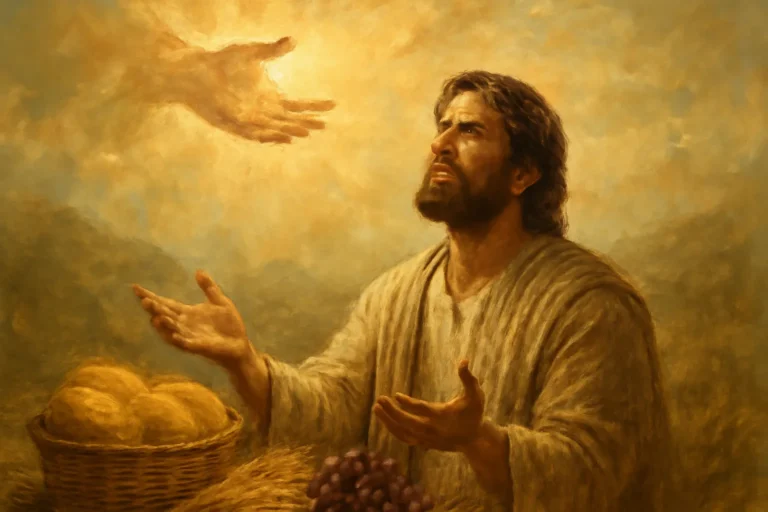
Big Things Ahead: A Prayerful Exploration of God’s Plans for Your Life
In the quiet hours of dawn, many believers sense that life is not a random sequence of events but a journey toward a purpose that transcends ordinary days. The conviction that God has plans for your life invites you to imagine a future where your gifts, your labors, and your relationships become channels through which divine intention is made real. This article is an extended meditation on that possibility: that you can participate in big things, not by your own strength alone, but through alignment with a gracious, creative, and transforming God. We will consider what it means to have a destiny, how to discern a calling, and practical steps to cooperate with the divine plan while staying rooted in faith, humility, and love.
Throughout this article you will encounter a spectrum of reflections—from theological grounding to everyday application. You will find bold phrases that stress the importance of faithfulness, discipline, and service. You will also encounter a variety of semantic expressions that point to the same core truth: God’s plans for your life are both grand and personal. And yes, you may encounter moments when the invitation sounds large or even overwhelming. Yet the invitation is precisely that: to partner with God in doing big things that bless others and honor the divine name.
Understanding the Landscape: What it Means that God Has Plans
To speak of God’s plans for your life is to acknowledge that life exists within a larger narrative. It is not a political vacuum, a random gene pool, or a social trend that determines destiny. Rather, God’s plans are deliberate, gracious, and oriented toward the flourishing of people and the healing of creation. This section outlines some foundational ideas that help frame the conversation about big things ahead:
Calling vs. career: A calling is a direction of love and service rooted in God’s purposes, not merely a job description.
Destiny vs. discipline: Destiny is realized through disciplined practice—daily habits that shape character and competence.
Timeline and patience: God’s timing often differs from human expectations; faith grows in the soil of waiting and obedience.
Community formation: Living out God’s plans often requires mentors, friends, and a shared church life.
As you consider these dimensions, you may notice the recurring phrase that encourages courage: you can do big things in harmony with God’s plans, not apart from them. One practical way to articulate this conviction is to reflect on the idea that God has plans for your life that involve you, not merely around you. This is not about self-glorification but about alignment with a purpose larger than yourself. The phrase do big things becomes a summons to participate in God’s redemptive work, not a promotion of personal ambition.
The Biblical Foundation: Stories That Light the Path
Scripture offers a mosaic of narratives in which ordinary people are invited into extraordinary tasks. The pattern is not that every believer will lead a dramatic life in public horizons, but that each life has the capacity to reflect God’s power and wisdom in particular, meaningful ways. In this section we explore several biblical strands that illuminate the idea that God’s plans for you are serious, specific, and reachable.
Old Testament Foundations: Call, Covenant, and Commission
From Abraham to Moses, the Bible presents the pivot from ordinary life into a horizon of purpose. Think of Abraham’s invitation to leave his homeland and become the father of a nation; think of Moses standing before the burning bush and receiving a mission to liberate a people. In each case, the narrative emphasizes trust, obedience, and transformation. The point is not simply to do something big, but to participate in a story that God is telling through a chosen servant or community.
Abraham’s faith journey: A man who believed in a future God would unfold. The call began with a step into uncertainty and ended in a blessing that extended beyond his lifetime.
Moses’ reasonable fear and faithful courage: The plan required leadership, patience, and dependence on God’s presence.
Prophetic voices: The prophets remind us that big purposes often come with challenging truths that call a people back to justice and mercy.
New Testament Illustrations: Service, Mission, and Sacrifice
In the New Testament, the emphasis shifts toward Jesus as the center of God’s plan and the church as the body entrusted with continuing that mission. The Apostle Paul models a life that embodies the phrase “God’s plan is bigger than one life.” Paul’s journeys, sufferings, and eventual preaching to the Gentiles illustrate how a person can participate in a plan that transforms individuals and communities across generations.
Jesus’ calling and commissioning: The invitation to “follow me” opens a horizon of purpose that includes healing, teaching, and transforming lives.
Paul’s missionary zeal: A life redirected by grace can do profound things through perseverance, truth-telling, and grace toward others.
The early church: A shared life, mutual support, and courageous witness demonstrate that big things for God often emerge from small acts of faithful community.
Jesus as the Archetype: The Model of a Life Aligned with God’s Plans
Jesus embodies the paradox of humble service and cosmic significance. His earthly life reveals that to do big things with God is not primarily about public achievement but about obedience, love, and self-giving. When Jesus says, “My food is to do the will of him who sent me,” he points to a rhythm of life in which daily obedience becomes the fuel for larger purposes. For Christians, this means that plans for your life are best understood as a call to live in a way that mirrors Christ’s humility, courage, and mercy.
Calling, Discernment, and Destiny: How to Recognize the Path
A key question many readers ask is: How do I know what God has planned for me? The journey toward discovering your calling is not a single moment but a process of listening, testing, and aligning with the realities of life in faith. The following reflections invite you to explore how to step into the destiny God has for you, and how to avoid the common pitfall of chasing “big things” for the wrong reasons.
Listening to God: Prayer as a Directory
Prayer is more than asking for needs; it is a posture of listening. When you cultivate a prayer life that invites God to speak, you create space for impressions, convictions, and peace that confirms or redirects your path. In practice, you might:
Practice quiet listening—allow stillness to become a collaborator with the divine voice.
Journal discernments—record insights and reflect on how they align with Scripture and community wisdom.
Test impressions—seek confirmation through circumstances, counsel, and the fruit of sustained practice.
Scriptural Guidance: Let the Bible be Your Compass
God’s plans for your life are often illuminated by the timeless truths found in Scripture. Here are ways to engage the Bible as a guide for your sense of calling:
Identify recurring themes—themes like mercy, justice, or healing may indicate the general direction of your vocation.
Consider your gifts—what faculties come most naturally to you, and how might they serve others in a God-honoring way?
Sense of burden and joy—a genuine burden for a problem paired with joy in service often signals alignment with God’s plan.
Wise Counsel and Community Confirmation
God speaks through the wisdom of others. Trusted mentors, spiritual directors, and a faith community can help you discern whether you are moving toward big things that fit with God’s purpose. Practical steps include:
Seek multiplanar confirmation—gather input from diverse voices who know you well.
Submit plans to accountability—share your sense of calling with a small group who can pray with you and question you gently.
Align with mission and values—ensure your plans reflect the core values of love, integrity, and service.
Activating God’s Plans: The Practical Path to Do Big Things Ahead
Having a sense of calling is only the beginning. The next challenge is to activate that calling in everyday life. The following sections offer a practical framework for translating divine invitations into concrete actions. You will find a blend of disciplines that nurture character, competence, and courage—three ingredients of lasting impact.
Discipline 1: Prayer, Fasting, and Worship
Spiritual disciplines are not performance rituals; they are means by which you place yourself under God’s guidance. The practices that help you do big things consist of:
Prayerful dependence—recognize God’s sovereignty and your need for divine strength.
Fasting as detachment—a symbolic, disciplined choice to detach from comfort as a way to lean into God’s purposes.
Worship as alignment—through worship you remind yourself that God is worthy of all your efforts and energy.
Discipline 2: Scripture, Study, and Reflection
Reading the Bible not as a duty but as a doorway helps you understand the path forward. Key practices include:
Scripture meditation—slow, contemplative reading that invites insight rather than mere knowledge.
Thematic journaling—trace God’s promises and instructions through the seasons of your life.
Application notes—note concrete ways you can apply biblical truths in your workplace, family, and community.
Discipline 3: Service, Leadership, and Stewardship
Do big things in the world by using your resources, abilities, and time for others. Practical expressions include:
Servant leadership—lead with humility, listen attentively, and empower others to shine.
Stewardship of gifts—recognize that talents are not merely for personal advantage but for blessing the common good.
Strategic volunteering—choose opportunities that align with your sense of calling and allow you to grow in wisdom and character.
Living out God’s plans is rarely a solo venture. Community provides encouragement, correction, and constructive challenge. Ways to engage include:
Join a circle of accountability—a small group that prays for you, challenges you, and celebrates your progress.
Mentors and teachers—learn from those who have walked similar paths and can offer practical counsel.
Mutual support networks—foster relationships that sustain you during times of doubt or hardship.
In all these practices, you may encounter the phrase “do big things” again and again. It is not a badge of prestige; it is a call to reflect God’s generosity, power, and wisdom in tangible ways. The exact form of big things will vary from person to person, but the underlying pattern remains: align with God, cultivate spiritual depth, and invest in others with love.
Living with Expectation: Trusting the Timing of God
Hope is a constant companion for those who trust that God’s plans for you are real and good. Yet expectation must be disciplined by patience and obedience. The dynamic tension between now and the not-yet invites you to cultivate a posture of trust while you pursue practical steps toward your destiny. Here are guiding orientations to sustain faith as you await the fulfillment of big plans:
Reframe delays as growth opportunities: delays may be God’s way of shaping character, refining motives, or widening your capacity to serve.
Celebrate small, faithful steps: the daily acts of obedience compound into larger outcomes over time.
Keep your calling visible: set spiritual reminders—prayers, meditations, or a vision board—that keep you anchored in purpose.
In these rhythms, it is plausible to say that you can do big things not by bravado but by steady dependence on God. For some, big things may unfold as leadership in a local church or nonprofit; for others, it may mean nurturing a family, mentoring a young person, or contributing to a community project. The breadth of God’s plans is wide, and the details are as manifold as human lives.
Trials, Growth, and the Refining Process
No discussion of big things ahead would be complete without acknowledging that growth often travels through trials. The path toward the destiny God has for you may include seasons of testing, disappointment, or painful change. These experiences are not evidence of God’s withdrawal but invitations to deeper trust, stronger character, and wiser discernment. Consider:
Tests refine character—like gold purified by fire, your faith and resilience can be strengthened through hardship.
Setbacks reframe priorities—what you learn in failure can illuminate what truly matters in your calling.
Hope sustains perseverance—even when immediate outcomes are unclear, a hopeful posture helps you remain faithful in the long arc of God’s plan.
When you face such seasons, you may remember the phrase “God has plans for you that include both growth and impact.” This truth invites you to lean into larger purposes while embracing the intimate, daily obedience that sustains you day by day. In the face of uncertainty, you can still affirm that God’s purposes are good and that your life can be a sign of that goodness when lived with integrity and compassion.
Community, Covenant, and Co-Labors: The People Who Help Do Big Things
God’s plans do not emerge in isolation. The lived expression of destiny often happens within a covenant community—whether a family, a church, or a mission-oriented circle. Community provides support, accountability, and shared discernment. It is through this communal life that do big things becomes something you can do with others for the sake of the world. Consider how you participate in a network that fosters growth and impact:
Shared vision—align your personal calling with a broader mission that transcends individual preferences.
Mutual encouragement—build resilience through encouragement and constructive feedback.
Team-based ministry—recognize that many hands contribute to meaningful outcomes and that leadership often multiplies through collaboration.
In a healthy faith community, every member can play a role in advancing God’s plan. Whether you are leading a small group, volunteering in outreach, teaching, or providing care, your contribution can be a brick in the edifice God is building. We can say with confidence: God’s plans for your life are communal as well as personal, because the Spirit works through a gathered people to bless the world.
Misconceptions and Clarifications: Common Pitfalls on the Road to Big Things
As with any profound topic, there are misunderstandings that can derail a faithful pursuit of God’s plans. Here are some helpful clarifications to keep you grounded and moving forward in wisdom:
Big things do not always mean visibility: God may call you to quiet, faithful service that has a profound ripple effect rather than public acclaim.
God’s plans are not primarily about personal success: they are about love, truth, justice, and the flourishing of others.
Progress is not linear: growth often includes detours and redirections that reveal new dimensions of your calling.
Discerning means testing: honest testing with prayer, Scripture, and wise counsel helps distinguish legitimate callings from wishful thinking.
Responsibility accompanies assurance: an awareness of God’s plans should empower you to steward your life responsibly, with humility and grace.
In light of these cautions, consider the phrases that guide a robust practice: do big things wisely, God has plans for your life with patience, and God’s plans are grand, but always rooted in love.
Practical Helpline: A Quick Reference for Action
To help you translate theory into practice, here is concise guidance you can apply in your daily routine. It is designed to support the ongoing discernment and activation of God’s plans for your life.
Begin with a quiet inventory of your gifts, passions, and the needs you sense around you. Ask yourself: Where do I feel most compelled to serve?
Ask God for direction with specific questions about your next steps, and listen for confirmation over the course of weeks or months.
Gather trusted counsel from mentors, family, and church leaders who know you and can provide honest feedback.
Experiment with small, low-risk commitments that align with your sense of calling. Observe fruit and inner peace as indicators of alignment.
Commit to learning—whether through formal study, vocational exploration, or practical service. Growth is a signal of alignment with a higher plan.
Reassess regularly—periodically review your progress, celebrate progress, and recalibrate when doors close or new opportunities arise.
In embracing these steps, you may repeat to yourself, “do big things god has plans for you”, but with a nuanced understanding: you do big things with God, by God, and for God’s purposes, not merely to showcase your own capability.
Frequently Asked Questions: Quick Clarifications About God’s Plans
While this article has explored many facets, some questions may remain. Here are brief answers to representative inquiries you may have as you walk toward your destiny in God’s plan.
Is every believer called to a dramatic, public mission?
No. God calls people to a spectrum of vocations and ministries. Some roles are highly visible; others are deeply transformative behind the scenes.
Can I know my calling with certainty?
Certainty often comes through disciplined practice—prayer, Scripture, counsel, and confirmed opportunities. It may also involve peace amid uncertainty rather than a flawless sign.
What if my plans fail or fail to materialize?
Failure can be a teacher that reshapes your understanding of God’s purposes and invites fresh paths that better reflect your gifts and God’s timing.
How do I avoid chasing “big things” for the wrong reasons?
Center your motive in love for God and neighbor. If your longing becomes about personal recognition, pause, recalibrate, and seek healthier alignment with community and service.
Conclusion: Embrace the Conversation of Big Things Ahead
To say God has plans for your life is to acknowledge a gracious architecture of meaning that dwarfs the mere accumulation of possessions or status. It is an invitation to participate in a living story where your strengths meet divine purpose, your actions bless others, and your daily steps become steps of faith. The phrase “do big things” is not a declaration of grandiosity but a statement of hopeful fidelity: you and God can collaborate to heal, teach, and empower, even through ordinary days that, when offered to God, become extraordinary in impact.
As you continue this journey, remember a few closing exhortations:
Dream with restraint—let your vision be expansive yet anchored in love, justice, and compassion.
Act with humility—big things emerge most enduringly when born from a posture of service and dependence on God.
persevere in grace—the path toward destiny includes seasons of testing and refinement, but the outcome is a life aligned with God’s good purposes.
In the end, the deepest assurance remains this: God’s plans for your life are bigger than you imagine, and yet profoundly intimate in their invitation. You are invited to do big things by leaning into God, growing in character, and serving others with courage and joy. The journey toward a future shaped by divine intention is not a solitary sprint; it is a shared pilgrimage in which you, your neighbors, and a grateful Creator participate together in grace. If you are asking how to begin, start with a quiet prayer, a trustworthy mentor, and a single practical step that aligns with God’s love. Then watch as the horizon of your life expands, not in triumphal self-display, but in the beauty of a life conformed to the purposes of the One who writes the final chapters of every story.
And if you ever need a simple, memorable reminder that resonates with the hope of this journey, recall this phrase with fresh nuance: do big things, God has plans for your life, and God’s plans are designed to bless others through you.