
What It Means to Be a Christian: Living by Faith in Christ
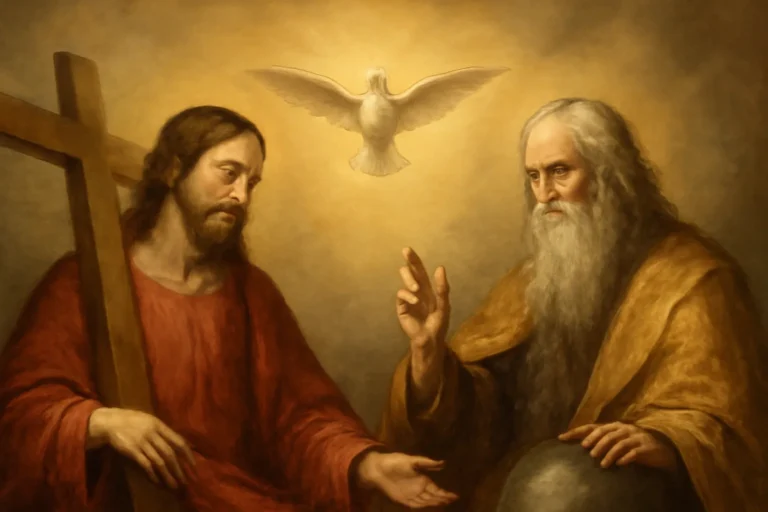
What does it mean to be a Christian? Across history and cultures, this question has been answered in diverse ways, yet there is a shared core that centers on a relationship with Jesus Christ and a life shaped by faith, grace, and love. In this exploration, we will consider not only doctrinal statements but also the lived experience of those who call themselves followers of Christ. We will examine the faith as a dynamic reality—not merely a set of beliefs but a transformative way of walking through life in dependence on God the Father, through Jesus the Son, in the power of the Holy Spirit.
To speak of Christian identity is to speak of belonging to a people who have encountered the Risen Lord and who seek to embody his teachings in everyday moments. The phrase what it means to be a Christian expands beyond a label; it is a vocation, a calling, and a joy that invites ongoing growth, humility, and mission. This article will trace the contours of that vocation with attention to theology, practice, and the lived experience of faith in a world that often challenges it.
Core Beliefs that Define Christian Identity
Every robust answer to what it means to be a Christian begins with what Christians profess about God, humanity, and salvation. At the heart of Christian faith lies the person of Jesus Christ and the claim that he is both fully God and fully human, the Savior sent by the Father, and the source of eternal life for all who trust him.
The Person and Work of Jesus
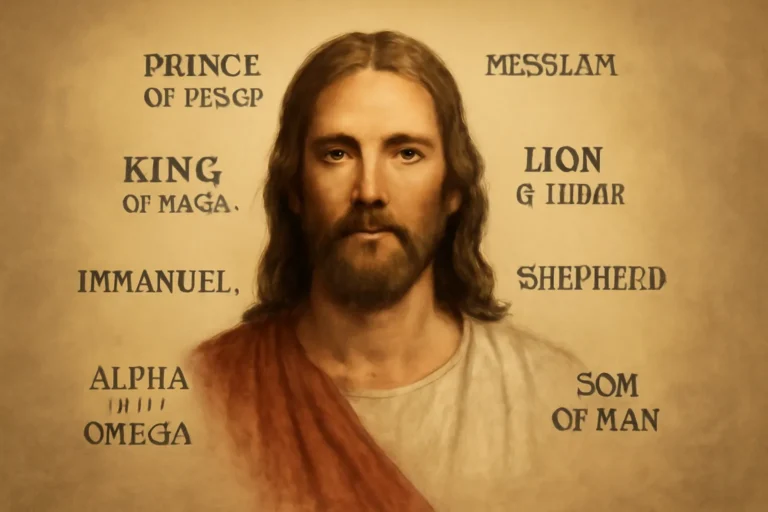
Christians confess that Jesus is Lord and that his life, death, and resurrection inaugurate the new creation. The gospel centers on the good news that Christ’s atoning sacrifice reconciles sinners to God, satisfying divine justice while extending divine mercy. To be a Christian is to acknowledge that salvation is offered by grace through faith in Christ, not earned by human merit but received as a gift that reshapes the heart.
Scripture as the Foundation of Belief
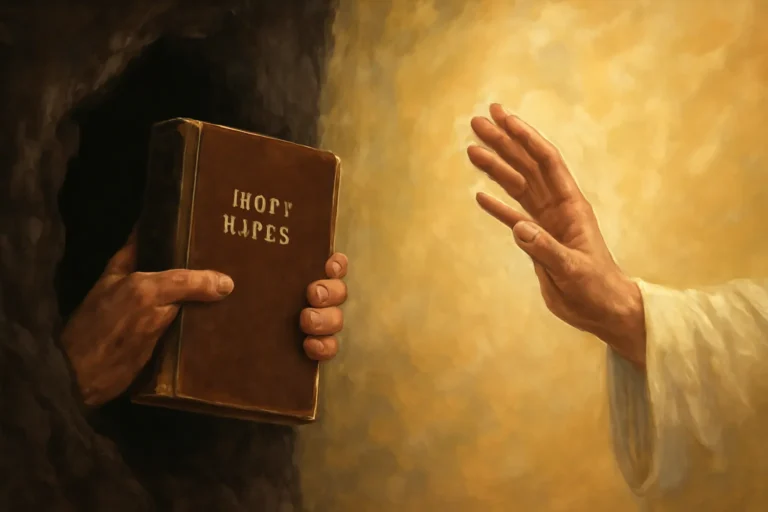
Many people ask what does it mean to be a Christian in terms of scripture. Christians affirm that the Bible is a divine and human witness—guided by the Holy Spirit—that reveals God’s character, the story of creation, the fall, redemption, and the consummation of all things. Scripture provides the standard for faith and practice, guiding decisions, forming character, and shaping communities that reflect God’s purposes for humanity.
Grace, Faith, and Salvation
Central to the doctrinal articulation of Christian faith is the relationship between grace and faith. Christians affirm that people are saved not by their own works but by God’s gracious initiative, received through trust in Christ. This means that the Christian life begins with a response to the gospel and continues by growing in grace, becoming more like Christ, and participating in the mission of God in the world.
In seeking to answer what does it mean to be a Christian in practical terms, we also acknowledge the reality of sin, the need for repentance, and the ongoing process of sanctification. A Christian is someone who becomes more holy as the Spirit works through the word, the community, and daily obedience.
Living by Faith: What It Means to Walk with Christ
To live by faith in Christ is to order one’s life around the trustful dependence on God that leads to concrete action. It is not a private feeling alone but a public and transformative reality that shapes decisions, relationships, and the purposes that guide a person’s days.
Faith as Trust and Reliance
In everyday speech, many ask, how does one live out Christian faith? The first answer is that faith is trust—trust in God’s promises, trust in Christ’s work on the cross, and trust in the ongoing companionship of the Holy Spirit. When a Christian faces trials, uncertainty, or moral ambiguity, trust in God becomes a steadying force that gives courage and direction.
Obedience as a Response to Grace
Another facet of the question what does it mean to be a Christian concerns obedience. Faith is not passive; it is expressed in obedience to Christ’s teachings, in alignment with the revealed will of God, and in love for neighbor. Obedience flows from gratitude for grace and is empowered by the Spirit who produces the fruit that marks a transformed life.
Hope, Joy, and Perseverance
Christians are called to hold onto hope that transcends circumstance. The Christian life includes joy in the present gift of God, even amid suffering, and a steadfast perseverance rooted in the assurance of God’s faithfulness. The trajectory of faith points toward the renewal of all things, where God’s kingdom comes in fullness and eternal life is finally realized.
Living by Faith: Discipleship and the Life of a Follower of Christ
Discipleship is a relational and practical discipline. It involves learning from Jesus, following his pattern of life, and inviting others into that same way of living. The term follower of Christ communicates a willingness to learn from him and to imitate his love, humility, and justice in everyday settings.
Discipleship in Community
Christian discipleship unfolds within the context of a community—the church. The church is not merely a gathering but a living body in which members exercise gifts for mutual edification, bear one another’s burdens, and proclaim good news to a watching world. In practice, this means:
- Regular worship that orders life around God’s presence
- Pastoral care and accountability with grace
- Mutual encouragement toward spiritual maturity
- Opportunities to serve the vulnerable and marginalized
Spiritual Disciplines and Formation
To answer the question what does it mean to be a Christian on a day-to-day basis, Christians cultivate certain spiritual disciplines. These practices are not magical rites but channels through which God’s grace is received and character is formed. Common disciplines include:
- Prayer as conversation with God and as listening to God
- Study of Scripture to discern God’s will
- Reflection and confession to maintain repentance and humility
- Worship both individually and in community
- Fasting and self-control as means of dependence
These practices are not legalistic doings but means by which a Christian learns to exercise faith, recall grace, and become more like Christ in character and actions.
The Gospel Center: The Core Narrative of Christian Life
Central to the question what does it mean to be a Christian is the insistence that life is interpreted through the gospel—the good news about Jesus Christ. The gospel is not merely a set of propositions; it is a historic and transformative event that reshapes identity, purpose, and destiny.
Death, Resurrection, and New Creation
At the heart of the gospel is the claim that Jesus died for sins and rose again, breaking the power of sin and death. This event inaugurates a new creation in which believers are invited to participate by faith. The Christian understands life in light of this victory, recognizing that suffering is redemptive, longing for justice, and anticipating the fullness of God’s reign.
Forgiveness and Reconciliation
In the gospel, forgiveness is more than forgetting; it is restoration to relationship with God and with one another. Being a Christian means living as a reconciled person who extends mercy, refuses retaliation, and pursues peace. The gospel calls believers to break cycles of grievance and to embody reconciliation in homes, workplaces, and communities.
Transformation and Mission
The Christian life is marked by transformation—personal renewal that overflows into service. When someone asks how to become a Christian, the answer involves entrusting one’s life to Christ and participating in the mission of God by loving neighbor, sharing the good news, and addressing injustice. The gospel is thus both a personal salvation and a public invitation to rebuild a wounded world according to God’s design.
Practices That Shape the Life of a Christian
To live as a Christian is to engage in practices that anchor faith in community and time in God’s presence. These practices vary across traditions, yet they share a common aim: to cultivate a God-centered life that evaluates all things through the lens of Christ’s lordship.
Baptism and Communion: Symbols of Covenant and Presence
Many traditions mark Christian identity through two primary sacraments or ordinances: baptism and the Lord’s Supper (Communion). Baptism represents the believer’s identification with Christ’s death and resurrection and signals entry into the covenant community. The Lord’s Supper proclaims Christ’s body given for us and his blood shed for the forgiveness of sins. Through these rites, believers are reminded of the gospel and strengthened for ongoing faithfulness.
Prayer and Worship
Prayer is the habitual posture of a Christian—dialogue with God that includes praise, confession, intercession, and listening. Worship, whether private or corporate, centers the heart on God’s majesty and invites transformation. A person who wonders what does it mean to follow Jesus will find that prayer shapes perspective, and worship reorients priorities toward the will of God.
Scripture Reading and Exegesis
Reading the holy scriptures with care—listening for the Spirit’s guidance and seeking to understand the historical context and theological implications—helps answer the question what does it mean to be a Christian by grounding belief in revealed truth. The study is not merely intellectual; it forms life, informs ethics, and clarifies how to live out faith in concrete settings.
Ethics and Moral Living: What Followers of Christ Seek to Do
Christian ethics are shaped by the character of God as revealed in Jesus and the moral direction of the Spirit. The lived expression of faith includes love for God and neighbor, pursuit of justice, mercy, and humility, and a call to peace and integrity in every sphere of life. This is where the phrase what it means to live as a Christian becomes practical—how a believer handles money, time, work, sexuality, and public life is a reflection of the gospel at work.
Love and Justice in Action
Central to Christian ethics is the command to love—love that reaches across difference, that values human dignity, and that seeks justice for the oppressed. This requires courage, discernment, and a willingness to sacrifice for the good of others. To ask what does it mean to be a Christian in society is to ask how love takes shape in service, advocacy, and honest conversation about difficult topics.
Character Formation: Virtues and Habits
Discipleship emphasizes the formation of virtue: humility, patience, kindness, honesty, temperance, and faithfulness. The Christian life is not merely about what one believes but about who one becomes. The Spirit’s work in a believer’s life produces fruit that includes compassion for the vulnerable, integrity in decision-making, and a steadfast witness in times of temptation.
Community, Church, and the Shared Life
Christian identity is not a solitary pursuit. It is formed in community with others who share the same faith. The church, in its various traditions, serves as the environment in which believers grow, encourage one another, and participate in mission together. Being a Christian involves belonging to a community that loves, disciplines, and sustains one another through life’s seasons.
The Local Church and Global Communion
The local church provides a tangible space for worship, teaching, baptism, and fellowship. Beyond the local assembly, Christians belong to a global body that transcends cultures and languages. The unity of the faith does not erase diversity; instead, it celebrates the richness of the body of Christ, inviting mutual respect and shared service across differences.
Spiritual Gifts and Service
Within the christian community, individuals discover and exercise spiritual gifts for the common good. Some are called to leadership, teaching, mercy, evangelism, or helps, while others contribute through arts, sciences, and vocations. The church functions best when gifts are identified, generously given, and coordinated for the flourishing of the body and the extension of the gospel to the world.
Historically Rooted, Dynamically Engaged: Diversity within the Christian Family
One question that often arises when considering what does it mean to be a Christian is how to account for the wide variety of Christian traditions. From ancient creeds to contemporary worship, from liturgical calendars to charismatic prayer, Christians interpret the faith through diverse lenses. Yet, across these varieties, there remains a common center: belief in Jesus Christ as Lord and the following of him in obedience, love, and mission.
It is important to acknowledge differences in practice without surrendering the core. Denominations may disagree on governance, sacraments, and style of worship, but many share a commitment to the gospel, to the authority of Scripture, and to the call to love both God and neighbor. For those asking how to navigate Christian identity among traditions, the answer often emphasizes humility, curiosity, and a willingness to learn from others while remaining grounded in the essentials of faith in Christ.
Living Out the Faith in Daily Life
What does it mean to be a Christian in daily life? It means letting the gospel shape decisions, relationships, and priorities. It means looking at one’s calendar and budget through the lens of stewardship and service. It means practicing forgiveness, offering hospitality, and seeking the welfare of one’s neighbors. It means raising questions about how to honor God in work, family, and civic life, and acting with integrity even when it is costly.
Family and Relationships
Christian identity often begins and flourishes within family life. A Christian tries to cultivate a home atmosphere characterized by trust, mutual respect, and grace. This includes teaching children about the Christian faith in ways that are honest and age-appropriate, modeling repentance when wrong, and showing steadfast love even when there is conflict. In a broader sense, Christians are called to be good neighbors—participating in community life with patience and generosity.
Work, Economy, and Stewardship
To answer what does it mean to be a Christian at work, one might consider how work becomes a vocation of service rather than merely a means to an end. Christians are encouraged to work with integrity, to treat colleagues with justice, to use wealth responsibly, and to prioritize acts of mercy. Stewardship involves care for creation, generosity toward those in need, and a willingness to reorient plans when confronted with a moral imperative to act justly.
Politics and Public Life
In public life, Christians often reflect on how faith informs political engagement. The aim is not to weaponize faith but to bear witness through character and service. Christians may advocate for policies that promote human dignity, defend the vulnerable, and seek peace. The caution is to avoid reducing faith to partisan affinity while maintaining a robust commitment to the dignity of every person in light of God’s image.
Hope in the Face of Suffering and Death
All people confront suffering, loss, and mortality. The Christian answer to what does it mean to endure hardship as a believer is shaped by eternal hope grounded in the resurrection. Christians are called to lament where appropriate, to trust in God’s sovereignty, and to embody compassion to others who suffer. Death, from a Christian perspective, is not the final word; it is the transition into the fullness of life with God, promised in Christ.
Heaven, Resurrection, and the New Creation
Alongside present faith, Christians anticipate the promised renewal of all things. The hope of heaven and the destiny of believers as citizens of God’s coming kingdom shape present conduct, encouraging perseverance, virtuous living, and steadfast hope amid trial. The Christian message thus proclaims a comprehensive reversal: sorrow is not the end, and eternal life begins now in trust and grows into fullness at last when Christ returns.
Questions and Critiques: How to Clarify the Meaning of Christian Faith
People come to questions about what does it mean to be a Christian for many reasons—curiosity, spiritual seeking, or even skepticism about organized religion. A thoughtful engagement acknowledges doubts, explores tradition, and examines the claims of Christ with honesty. It also invites Christians to articulate their faith with clarity, humility, and charity toward others who hold different views.
Engaging with Other Faiths
In a pluralistic world, Christians are often called to interact with people of other faiths or with secular perspectives. The Christian stance toward other belief systems should be characterized by respect, integrity, and a willingness to learn. At the same time, the distinctive claim of Jesus as Lord requires Christians to bear witness to the gospel with courage and gentleness, seeking common ground where possible and clear testimony where necessary.
Contemporary Challenges
Modern life raises questions about technology, social media, ethics, and identity. Christians reflect on how to maintain fidelity to Christ in an age of rapid change. The answer to what it means to live as a Christian today includes humility before God, responsible stewardship of resources, care for creation, and a steadfast commitment to love that does not waver under pressure.
Putting it All Together: A Synthesis of Christian Identity
So, what does it mean to be a Christian? Across traditions and generations, it means embracing Jesus as Lord and Savior, receiving God’s grace through faith, and growing into a life marked by love, justice, and hope. It means committing to a fellowship that holds to the gospel, gathers for worship, and serves the world in Christ’s name. It means recognizing that Christian life is both a personal conversion and a public vocation—a daily decision to live in a way that reflects the goodness of God.
Summary of Key Points
- Identity in Christ: Being a Christian starts with a relationship with Jesus and a confessed trust in his gospel.
- Grace and Faith: Salvation is by grace through faith, not by works, yet faith expresses itself in obedience and love.
- Scriptural Authority: The Bible guides belief and life, forming the conscience and shaping community life.
- Discipleship: Following Jesus involves learning, practice, and mission within a faith community.
- Love in Action: The ethics of the Christian life show up in mercy, justice, and service to others.
- Hope and Resurrection: The Christian outlook is shaped by the promise of new creation and life beyond death.
Throughout this exploration, we have seen that what it means to be a Christian is not a static label but a dynamic way of life. It encompasses belief and practice, doctrine and devotion, personal transformation and corporate witness. Whether one describes it as being a Christian, being a follower of Christ, being a believer in Jesus, or walking in the ways of God, the underlying invitation remains the same: to orient life around Christ, to grow in him through faith and community, and to participate in God’s ongoing redemptive work in the world.
As you reflect on this topic, consider your own journey: What does it mean to you to belong to Christ? How might your daily life be shaped by faith in Jesus, by grace received, and by love extended? In the end, the Christian life is a path of trust that leads to joy, a path of obedience that yields freedom, and a path of hope that sustains us through all things, now and always.
What it means to be a Christian is a question that invites lifelong exploration, learning, and transformation. It is an invitation to know God more deeply, to be formed by the gospel, and to participate in the gracious work of God in the world. If you are seeking to understand this path, you may start with prayer, read the scriptures, seek fellowship with a local church, and consider how the love of Christ can shape your heart and your life in tangible ways. The journey is communal, hopeful, and deeply personal all at once—an ongoing adventure of faith in Christ.
In closing, the broader question remains meaningful and relevant: What does it mean to be a Christian? The answer will vary in texture across cultures and seasons, but the core remains as constant as the person at the center of the faith—Jesus Christ. To know him, to follow him, and to serve him is to live by faith in Christ in a way that transcends trends and stands firm on the unshakable ground of God’s promises. This is the heart of Christian identity: a life lived for God, empowered by grace, and oriented toward love for the world he created.