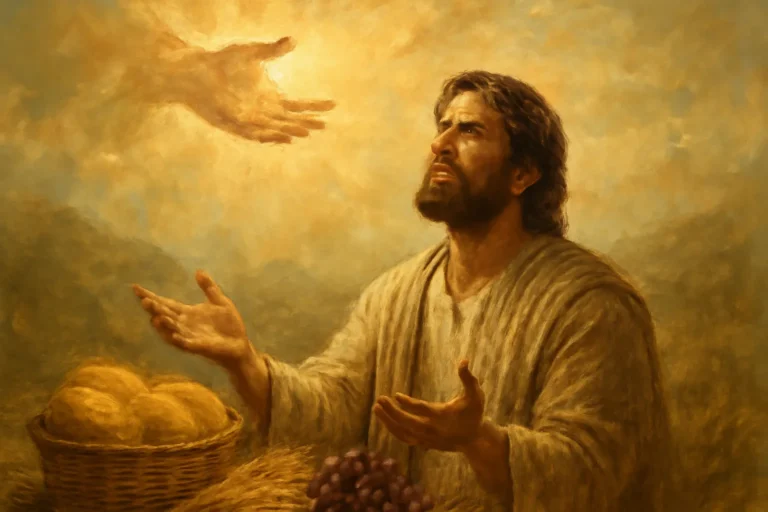
In the dialogue between the divine and human experience, there exists a thread that weaves meaning through joy and struggle alike. God’s plans for His people are not abstract theories carved from ancient pens; they are practical, relational, and transformative designs that touch the ordinary rhythms of daily life. The biblical vision often centers on prosperity in a holistic sense—prosperity of the soul, of community, of justice, and of faith—coupled with hope that anchors the heart in the long arc of God’s future.
The theme of divine intention for welfare and well-being resonates across both ancient and contemporary experiences. When readers encounter verses that promise a future with hope, the call is not merely to dream about personal comfort but to participate in a divine project that elevates humanity and honors the Creator. This article surveys what it means to live inside the framework of a God who has plans—plans that include flourishing, protection, and a horizon lined with purpose. We will explore how this divine blueprint unfolds in biblical narrative, theology, and practical daily living, with ongoing attention to variations of the Jeremiah 29:11 message in the NIV translation and its semantic relatives.
Jeremiah 29:11 in Context
Historical Background
The prophet Jeremiah spoke into a moment of exile, when the people of Israel faced displacement, uncertainty, and a disrupted land of origin. In this context, the Lord speaks to a community far from home, inviting them to seek peace in the city where they reside and to trust that God remains the sovereign guide of their story. The verse that has become a touchstone for many readers—often cited for comfort and direction—emerges within a broader letter that calls for patience, practice, and hopeful expectation even amid difficult circumstances.
Exegesis and Meaning
The core sentiment that believers encounter in the verse centers on a twofold promise: God knows an intentional plan for His people, and that plan is designed for their prosperity and their future wrapped in hope. A paraphrase of the message might sound like: God has a deliberate design for your welfare, one that safeguards you from harm while inviting you toward a horizon of possibility. The mercy of this promise is not an avoidance of trouble but a promise of purpose that can shape how a community endures exile, builds resilience, and remains faithful even when circumstances are challenging.
Variations of meaning surface when we consider how this promise translates across times and contexts. Some readers emphasize divine provision that sustains physical life and material needs; others highlight spiritual prosperity—a deepened relationship with God, alignment with divine purposes, and a more robust witness to neighbors. Still others hear a call to hopeful action, a mandate to engage the present with courage, integrity, and generosity, trusting that God’s plans are oriented toward blessing not merely individuals but the wider community.
In short, the universal remains clear: when the people ask about their future, the divine response is not indifference but intentional guidance. The Lord’s declaration acts as both orientation and invitation: a roadmap that invites believers to participate in a larger project of flourishing. As we explore this theme, the phrase “plans to prosper you and not to harm you, plans to give you hope and a future” becomes a lens through which to read personal stories, communal narratives, and the ethical implications of faith in action.
Prosperity in Scripture: A Richer Notion
Holistic Prosperity: Body, Mind, Spirit, and Community
When people hear the word prosperity in Scripture, they often think of financial abundance. Yet the biblical sense of prosperity extends far beyond material wealth. It encompasses thriving relationships, sound health, freedom from oppression, justice, peace, and a rooted sense of purpose. The divine plan aims at a comprehensive flourishing that enables individuals and communities to live with dignity, courage, and mutual generosity.
Biblical prosperity is often linked to righteousness and obedience, not as a transactional formula, but as the alignment of life with God’s character. The promise of prosperity is best understood as a spectrum: personal well-being, covenantal faithfulness, social harmony, and a durable sense that life is meaningful within God’s larger story.
Material stewardship that honors God and serves neighbors, rather than a hunger for accumulation.
Relational integrity within families and communities, fostering trust and reconciliation.
Spiritual vitality expressed through prayer, worship, and obedience that transform character.
Justice and mercy as outward signs of divine prosperity in the world—care for the vulnerable, fair treatment of the marginalized, and honest economic practice.
Hopeful resilience that sustains people through seasons of trial, exile, and uncertainty.
Prosperity and the Public Good
God’s plans for prosperity are not only about the individual; they are also oriented toward the community and the land. When the biblical text speaks of a future filled with hope, it invites a social imagination: what would it look like for cities, workplaces, schools, and families to be shaped by the values of mercy, justice, and flourishing? The argument is not that prosperity is an optional add-on to faith but that true faith seeks the welfare of all. In this sense, prosperity becomes a communal enterprise, a project of cultivating environments where all people can thrive.
Hope and the Future as Divine Assurance
The Nature of Hope in a Faith Tradition
Hope in the biblical sense is not a mere wishful thinking about better circumstances. It is a confident trust in God’s promises, a steady orientation toward a horizon where God’s purposes prevail. This hope is personal and communal: it anchors an individual’s heart while shaping how a faith community treats the vulnerable, responds to injustice, and pursues justice and harmony in society.
Providing a Future: Time, Patience, and Trust
The idea of a future in God’s plans invites believers to think beyond the present moment. It means recognizing that present suffering or uncertainty may be temporary in light of a larger narrative. The divine forecast is not a quick fix but a patient unfolding in which people are invited to collaborate with God’s timing. This perspective helps believers cultivate endurance, learn wisdom, and enact hopeful action that contributes to the world’s healing.
Hope and prosperity are not opposed to hardship; rather, they often grow strongest through trials. In times of exile, for example, the promise of a hopeful future did not erase the pain of displacement, but it reframed loss within a larger divine itinerary. Readers can observe how hardship can become fertile ground for spiritual growth, moral formation, and renewed relational fidelity.
Some readers express the message in a way that underscores the practical dimension: a future filled with hope may manifest as opportunities to contribute meaningfully, to heal what is broken, and to build structures of care that outlive individual lives. The biblical hope is an invitation to participate in a story larger than ourselves—one where God’s presence, faithfulness, and justice are the anchors of meaning.
A Divine Blueprint: Plans with Purpose for Everyday Life
Three Core Aspects of the Divine Plan
Prosperity that nurtures the whole person and strengthens communities; it includes provision, health, and flourishing, but it is always ordered by moral and spiritual formation.
Hope that sustains through hardship and points toward a future shaped by God’s steadfast love and redemptive purposes.
A future that is oriented toward service, justice, and beauty—a horizon that invites people to participate in God’s mission in the world.
From Promise to Practice: Living Inside the Plan
The transition from divine intention to human living is an invitation to concrete practice. Believers can align their daily routines with the divine blueprint by cultivating disciplines, nurturing relationships, and engaging in acts of mercy and justice. The practical trajectory includes worship that renews the heart, study that deepens understanding, and action that embodies God’s care for neighbors near and far.
In this framework, the phrase “I know the plans I have for you” becomes more than a comforting slogan. It becomes a summons to discernment and obedience in ordinary life—at work, in families, in schools, and in public life. The plans are not abstract; they are realized through relationships that reflect God’s character and through commitments that build a more just and compassionate world.
Faithful living begins with trust—trust that God’s plans are for welfare and not ruin, for a future that is secure rather than uncertain. This trust is reinforced by humble dependence on God’s wisdom and by accountability to a faith community that challenges and supports one another toward righteousness.
Habits that Foster Prosperity, Hope, and Future-Orientation
Regular prayer and contemplative listening to hear where God is guiding today.
Scripture engagement that illuminates the path for present decisions and long-term visions.
Wise counsel from trusted mentors, teachers, and elders who reflect God’s truth in communal discernment.
Generosity and service that demonstrate the truth of a life oriented toward others, especially the vulnerable.
Stewardship of resources, time, and talents in ways that honor God and bless neighbors.
Justice and mercy in relationships and institutions, addressing systemic harms and cultivating reconciliation.
Hopeful resilience that sustains commitment through setbacks with grace and perseverance.
Practical Spheres of Application
The divine plan unfolds across several spheres:
Personal: forming character that reflects integrity, compassion, and courage.
Family: nurturing love, discipline, and intergenerational faithfulness.
Church and community: building inclusive spaces where people find belonging and spiritual growth.
Work and education: pursuing excellence with ethics, generosity, and service.
Public life: advocating for just policies, protecting the vulnerable, and promoting peace.
Each of these spheres becomes a laboratory where God’s plans for prosperity, hope, and a future take form in tangible ways. The aim is not mere comfort but a life that bears witness to God’s faithfulness and invites others into the same confidence.
Common Questions and Misconceptions
As readers explore the doctrine of divine plans, several questions arise about applicability, timing, and interpretation. Addressing these concerns helps avoid simplistic readings and invites richer faith practice.
Does prosperity mean guaranteed wealth? Not necessarily. Biblical prosperity typically refers to holistic flourishing that honors God, elevates human dignity, and advances justice, rather than a promise of effortless abundance.
What about hardship? Hardship can be a context in which God refines character, strengthens faith, and reveals the power of hope grounded in His promises.
Is hope passive? No. Hope in the scriptural sense invites active, courageous engagement with the world, working for healing, reconciliation, and restoration.
How does the verse apply today? The promise speaks to identity, vocation, and ethics—encouraging believers to trust God while pursuing righteousness, justice, and mercy in every corner of life.
What about personal calling? God’s plans often intersect with vocation, in which one’s gifts, opportunities, and moral aims align with a larger divine mission to bless others.
In wrestling with these questions, it helps to maintain a dynamic interpretation that respects historical context while embracing contemporary practice. The core message remains: God intends good, invites trust, and empowers people to enact a future full of hope through acts of justice, mercy, and love.
Illustrative Narratives: Biblical and Contemporary Echoes
The exile experience in Jeremiah’s time becomes a narrative laboratory where hope is forged under pressure. Rather than surrender to despair, the people are urged to seek the welfare of the city (where they live, even in foreign soil) and to engage in constructive practices that reflect God’s purposes. This story exemplifies how prosperity and hope can emerge when faith translates into concrete service, even in challenging circumstances.
Contemporary Parallels
Modern readers may encounter parallel situations: displacement due to migration, economic disruption, or cultural upheaval. The same divine compass—prosperity that nourishes the whole person, hope that stays firm in uncertainty, and a future oriented toward justice—can guide believers through challenging days. The core message in this lineage remains timely: God’s plans are for welfare, resilience, and the discovery of purpose amid complexity.
Testimonies of Transformation
Across communities, individuals report how leaning into divine plans changes priorities: generosity becomes a default posture, trust in God reframes fear, and a sense of purpose infuses ordinary days with meaning. In such testimonies, hope stops being a vague sentiment and becomes a lived reality—an active stance that shapes decisions, relationships, and dreams for the future.
The doctrine of divine providence holds that God guides the course of history and individual lives toward a coherent good. Yet human beings retain genuine freedom to respond, choose, and act in ways that either align with or resist the divine plan. The balance between divine sovereignty and human responsibility is a rich field for reflection, inviting believers to cooperate with God’s purposes while also cultivating moral agency and discernment.
Ethics of Prosperity
A robust faith tradition insists that prosperity must be ethically pursued: wealth and resources should be stewarded for the common good, not hoarded for self-interest. Theologies of prosperity that emphasize generosity, accountability, and social transformation align well with a holistic reading of God’s plans. When prosperity becomes a means to bless others and to repair what is broken, it echoes the divine intention more faithfully.
Hope in a Theological Framework
Theologically, hope anchors not only in promises about the future but also in the immovable character of God—God’s faithfulness past, present, and future. Hope thus becomes a spiritual discipline that shapes perception, courage, and endurance. It fosters a posture of humility before the mystery of God’s timing while inviting steadfast action in the present moment.
Conclusion: Walking Toward a God-Designed Tomorrow
The exploration of God’s plans for prosperity, hope, and a future invites believers into a comprehensive vision for life. It is a vision that resists cynicism, transcends fatalism, and invites courageous, compassionate engagement with the world. The Jeremiah 29:11-inspired call to trust that God knows the plans—and that those plans are crafted for welfare and a hopeful horizon—remains a compelling invitation to faithful living.
In practical terms, the divine blueprint asks for intentional discipleship: regular spiritual practices that nourish the heart, ethical decisions that protect the vulnerable, and communal commitments that build a society where the vulnerable are cared for and the righteous are honored. It asks for a robust sense of hope that does not deny pain but transfigures it through trust in God’s purposes. It invites believers to engage in mission with integrity, to pursue justice with mercy, and to cultivate a culture of generosity that bears witness to the goodness of God.
As you reflect on the text and its modern relevance, consider these guiding prompts:
What does prosperity look like in your context? List three dimensions of flourishing—physical, relational, and spiritual—that you believe align with God’s purposes.
Where is your hope anchored? Identify areas of your life where you need renewed trust in God’s promises.
How can you contribute to a future of justice and mercy? Name at least two concrete actions you can take in your community this year.
Who are the people in your life that need encouragement? Consider outreach and service as expressions of God’s plan for welfare.
In embracing these dimensions, you participate in a divine project that transcends personal preference and situates your life within God’s broader work of blessing the world. The promise—whether read as a verse, a motif, or a guiding principle—speaks of a future that is not merely possible but intended. And as communities of faith continue to interpret, apply, and embody these truths, the possibilities for prosperity, hope, and a future become less abstractions and more lived realities—day by day, decision by decision, action by action.
For I know the plans I have for you—a timeless refrain that invites trust, invites action, and invites the world to witness the wonders of a God who designs welfare and a horizon of hope. Whether you are facing exile in a metaphorical sense or navigating the ordinary trials of life, this divine blueprint offers a path forward: to seek the welfare of others, to live with integrity, and to press toward a future shaped by love, justice, and grace.
May your journey be marked by purposeful steps toward a future crafted by God—one that prospers not by domination, but by service; not by isolation, but by community; not by fear, but by abiding hope in the God who holds tomorrow in His hands.