The Word of God stands at the center of many religious traditions, shaping belief, worship, ethics, and everyday life. It is not merely a book or a set of propositions, but a living communication—often described as Revelation that awakens conscience, informs thought, and invites response. In this exploration, we will survey what the Word means in different communities, how it has been understood across history, and how individuals and communities engage with it today. We will encounter the concept under various names—Divine Word, the Logos, Scripture, the Holy Writ, the Word of Yahweh, and more—each carrying nuance about source, authority, and interpretation.
The Concept of the Word of God
The phrase Word of God signals a communication that is not merely human in origin. In many traditions, it is understood as a message that reflects the character and purposes of the Creator or the Almighty. This message may be spoken, written, embodied, or proclaimed in history, and it is often believed to be trustworthy, binding, and transformative. Yet there is a lively diversity in how people describe, articulate, and experience the Word.
Definitions and scope
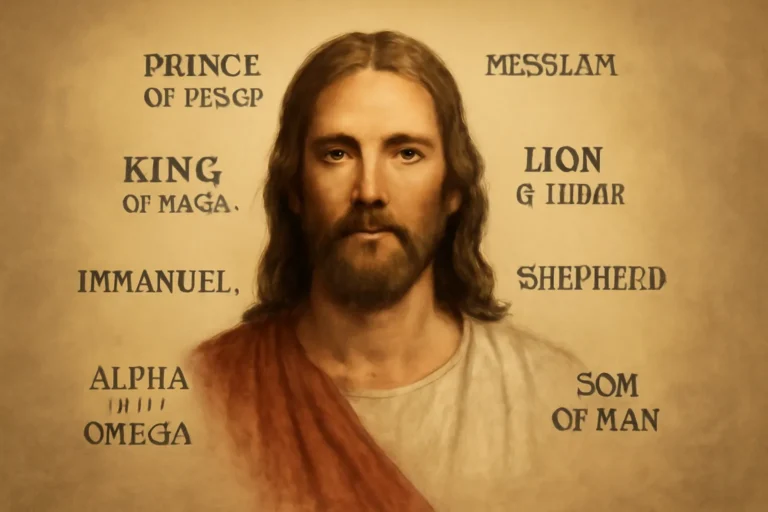
In broad terms, the Word of God can be described as the communications by which the divine being discloses truth about reality, morality, purpose, and destiny. For some communities, this Word is primarily a set of sacred texts—the written form of revelation that preserves what the divine wishes humans to know. For others, the Word is a dynamic presence—an active event that continues to address, correct, and guide the heart and mind. Still others hold that the Word is incarnate in a trustworthy person or event, most famously in the life, death, and resurrection of a central figure who embodies divine intention.
Different yet related terms
Several terms are used interchangeably in everyday speech, yet carry distinct theological emphasis. In some circles, Scripture points to authoritative writings canonically recognized by a faith community. Revelation emphasizes the act of God revealing truth formerly hidden. the Logos, originating in Greek thought and later christologically developed, stresses the rational principle and personhood of the divine Word in the cosmos and in history. Divine Word often conveys a sense of the Word as a personified or personal agent of communication. And the Sacred Word underscores reverence and sanctity. Across traditions, the core idea remains: the Word is not merely information but life-sustaining, orientation-giving communication.
Word and creation
Many writers affirm that the Word, as speech or message, is foundational to how the world came into being and how moral order is understood. In this sense, the Word is not only about content but about authority: it calls, commands, invites trust, and invites response. The relationship between divine speech and human hearing then becomes a center of gravity for worship, doctrine, and practice. The Word is coherently understood when it shapes memory, imagination, and imagination’s hand in shaping history.
Living and enduring
Across faith traditions, the Word is often described as living or active. It is not a static text alone, but a force that continues to awaken conscience, transform communities, and guide decisions. Some traditions emphasize the perennial wisdom of the Word, while others stress its immediate relevance to present situations. In every case, the Word is expected to address the human condition with clarity, even as it invites humility before mystery.
The Word in Sacred Texts
The Bible and its account of the Word
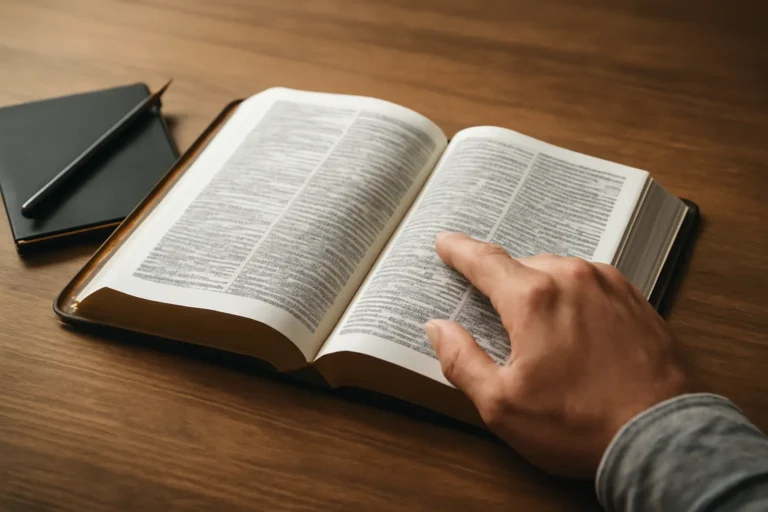
Among many readers, the Word of God is primarily disclosed in the Bible, where it is described as inspired, authoritative, and life-giving. In this lineage, the Old Testament presents the Word in the form of laws, narratives, promises, and prophetic address; the New Testament presents the Word as fulfilled in the person of Christ and interpreted by the early communities of faith. The biblical witness presents a layered sense of authority: revelation given in a historical context, interpreted by communities, and tested by the measure of truth and love for neighbor.
The Torah and Tanakh as Word
In Judaism, the Word is deeply constitutive of identity and covenant. The Torah (the Law) is often understood as the revealed will of God, binding for worship and daily life. The broader collection of Scriptures—the Tanakh—includes the Prophets and Writings, offering a living conversation about God’s purposes across generations. The Word is not merely a static document; it is a living conversation that communities rehearse through study, liturgy, and ethical action. The reverence accorded to the Hebrew Bible as Divine Word shapes law, education, and communal memory.
The Qur’an as the Word of God
In Islam, the Qur’an is described as the literal, verbatim Word of God, revealed to the Prophet Muhammad through the angel Gabriel. Muslims regard this text as fully preserved and authoritative in all matters of faith and practice. The Qur’an is not only a guide for belief but a comprehensive manual for life, shaping prayer, social ethics, jurisprudence, and personal conduct. While the Qur’an is unique in its claim to absolute primacy, it also speaks to earlier communications with the same divine source—connections that deepen interfaith dialogue about the concept of the Divine Word in the world’s religions.
The broader sacred literature in other traditions
Many traditions hold that sacred literature bears the imprint of the Word in various forms. In some streams of Christianity, the scriptures are complemented by creeds, church writings, and oral traditions that interpret and transmit the Word to successive generations. In Hinduism, the concept of shruti (that which is heard) and smriti (that which is remembered) represent a dynamic sense of revelation and recollection that guides how the Word is encountered. In this broad ecosystem, the sacred text is a living conversation partner rather than a single final authority, inviting readers to engage with humility and discernment.
The Word in practice
Across contexts, communities tend to emphasize three facets of the Word when they preach, teach, and study: (1) the Word’s authority — it claims to tell the truth about God, human beings, and the cosmos; (2) the Word’s sufficiency — it is viewed as adequate to guide faith and conduct; and (3) the Word’s accessibility — it is available for contemplation, memorization, and shared interpretation in community life. These facets shape how people approach reading, memorizing, meditating on, and applying the Word in daily life.
The Word and tradition
Tradition plays a significant role in how the Word is understood. For many, tradition does not supplant the Word; rather, it safeguards and clarifies it, helping communities discern continuity and change without sacrificing core convictions. When a tradition honors the Word, it seeks to preserve the integrity of the message while allowing new circumstances to be addressed. In this sense, the Word is not captive to a single moment in history but a living conversation that unfolds across time, languages, and cultures.
Textual integrity and interpretation
Scholarly work on the Word involves questions of authorship, genre, historical context, and reception. Readers are invited to distinguish between what the text intended in its original setting and how it speaks in contemporary settings. The aim is not to flatten difference but to honor the range of voices present within the sacred writings and to interpret with care and responsibility. The Word, in its diverse manifestations, invites rigorous study alongside prayerful meditation.
Hermeneutics and Interpretation
Exegesis vs. exposition
Two foundational modes for engaging with the Word are exegesis and exposition. Exegesis seeks to uncover what the text meant in its original context—its historical setting, grammar, cultural idioms, and intended audience. Exposition, by contrast, aims to explain what the text means for readers today and how it applies to faith, worship, and ethics. Both modes are necessary for a robust encounter with the Word, ensuring fidelity to the original message while discerning its present relevance.
Canonicity and authority
Many communities articulate a sense of canonic authority—certain writings are recognized as having a special status within the set of sacred texts. The process of canonization is complex and historically contingent, involving discernment by communities of faith, prayer, and reflection. The resulting canon becomes a standard by which the Word is measured and a framework within which other teachings, sermons, and traditions are interpreted.
Approaches to interpretation
Interpretive methods vary, and readers often blend several approaches. Some common modalities include:
- Historical-critical analysis, which situates the text in its original environment.
- Literary reading, which attends to narrative structure, imagery, and discourse styles.
- Typological and allegorical readings that seek deeper or symbolic meanings beyond the surface narrative.
- Canonical approach, which considers how a text fits within the larger story of Scripture as a whole.
- Pastoral and devotional readings that emphasize moral guidance and spiritual formation.
Ethics of interpretation
Engagement with the Word carries responsibilities. Readers are urged to avoid imposing their own biases in ways that distort the text, while also avoiding passive literalism that neglects the living, dynamic nature of revelation. The ethical stance of interpretation emphasizes care for the vulnerable, fidelity to truth, and zeal for justice—a posture that seeks to align belief with compassionate action in the world.
Transmission and Canon Formation
Inspiration, revelation, and authority
Traditionally, the Word is linked to inspiration—the belief that authors, guided by the Divine, conveyed truth beyond their own capacity. Authority then emerges from alignment with the divine purpose and the communal experience of readers who recognize the Word’s life-giving power. In various faith communities, inspiration is understood in nuanced ways, sometimes as divine guidance in the process of writing and editing, sometimes as the inner illumination that accompanies studying the text.
Preservation and manuscript tradition
The preservation of the Word involves both copying and transmission. Across centuries, scribes, translators, and scholars have safeguarded the textual integrity of the sacred writings. Manuscripts, translations, and later printing technologies have shaped how the Word is accessible to people in different languages and cultures. The task of preservation is not merely technical; it is a sacred duty that respects the integrity of the Message and the needs of successive generations to hear the Word in their own tongues and contexts.
Formation of the canon
The process of assembling a canon often reflects a community’s discernment about which writings most clearly bear witness to the Word and best serve the life of faith. Canon formation involves debates about authorship, historicity, and doctrinal alignment, as well as considerations of liturgy, teaching, and pastoral usefulness. The canonical collection then functions as a steadying frame for worship, proclamation, and study, while still allowing room for reformulation of understanding in light of new circumstances.
Reception history
Reception history examines how readers in different eras have interpreted the Word, how its meanings have shifted, and how communities have found fresh applications in new contexts. This history reveals that the Word is never exhausted by a single generation; rather, it continues to provoke reflection, challenge bias, and stimulate faithfulness in new ways. The ongoing conversation around the Word is itself a sign of its living character—an invitation to listen more deeply and respond more wisely.
The Word and Theologizing Life
Ethics and the Word
Ethical reflection often proceeds from the Word. When a faith community reads the Word, it considers how divine guidance informs issues such as justice, mercy, human dignity, and the care of creation. The Word becomes a normative resource for shaping laws, social practices, and personal conduct, while remaining open to discernment in light of present-day challenges. For believers, the Word of God is a teacher that calls people toward love, integrity, and courageous hope in the face of suffering.
Worship and proclamation
In liturgical life, the Word is proclaimed, sung, preached, and dramatized in ways designed to foster encounter and transformation. Sermons, readings, and catechesis are not mere recitations; they are acts of hearing and responding to the Divine Voice. The liturgy often presumes that the Word speaks to the heart as well as to the mind, guiding the assembly toward renewal and mission. The Word, then, becomes a catalyst for praise, confession, and service.
Spiritual practices around the Word
Devotional disciplines associated with the Word include practices such as lectio divina (sacred reading), memorization, journaling, and communal study. Spiritual formation communities emphasize not only understanding the content but letting the Word transform desires, motives, and relationships. When individuals engage the Word with humility, curiosity, and confession, pathways open toward reconciliation with self, others, and creation. The aim is not merely knowledge but conversion—turning toward truth in love.
The Word as a bridge across cultures
In a plural world, the Word often becomes a way to engage respectfully with neighbors who hold different beliefs. Dialogues about the Word of God can foster mutual understanding, shared moral concern, and collaborative action for common good. The aim is not to dominate but to witness with clarity, to listen attentively, and to discern where shared ethics can be pursued without compromising core convictions.
Educational dimensions
Across schools, churches, seminaries, and universities, the Word is taught not only as doctrine but as a lens for critical thought. Students explore historical contexts, linguistic issues, rhetorical forms, and the impact of interpretation on culture. The educational enterprise around the Word emphasizes disciplined thinking, careful reading, and responsible communication—skills valuable inside and outside religious communities.
The Word in Community Life
Sermon, study, and service
Within congregations, three pillars often structure the engagement with the Word: preaching (explanation and exhortation), study (education and formation), and service (action grounded in the Word). The sermon is not simply a recitation of propositions but an invitation to encounter the living Voice in daily life. Bible study groups cultivate understanding through discussion, questions, and shared experience. Service projects translate belief into practical care for the vulnerable and the marginalized, demonstrating the ethical power of the Word in the world.
Art, music, and the Word
Artistic expressions—hymns, anthems, visual arts, drama, and poetry—often serve as avenues for engaging with the Word beyond rational discourse. Music can evoke the emotional resonance of a divine message, while art presents contemplative spaces where one can encounter mystery, awe, and gratitude. In this sense, the Word becomes a cultural resource that shapes creativity, memory, and identity across generations.
Community discernment
Communities frequently face decisions requiring alignment with the Word. Whether addressing social justice concerns, ethical dilemmas, or questions about public life, the Word provides a framework for discernment. The process is not merely about discovering a fixed rule but about discerning a faithful response that honors the Word while respecting human dignity and the common good. Dialogues across congregations, denominations, and religious traditions can deepen understanding and cooperation while preserving essential convictions.
Educational and outreach programs
Many faith communities sponsor educational programs keyed to the Word, including youth catechesis, adult formation, apologetics, and cross-cultural outreach. These programs aim to nurture informed faith, critical thinking, and compassionate action. The Word thus becomes a shared resource that helps people articulate beliefs, ask honest questions, and serve others with generosity and humility.
Online and global engagement
In the digital age, the Word is accessible in more languages and formats than ever. Online study groups, podcasts, digital Bibles, and global conversations enable a broader listening sphere. Yet with accessibility comes responsibility: to verify sources, to honor authorial intention, and to maintain sensitivity toward diverse readers and learners. The Word travels widely, inviting responsibility and opportunity in equal measure.
The Word in Personal Life
Listening and response
On a personal level, engagement with the Word often begins as listening—attending to the text, to the still, small voice within, and to the communal memory that accompanies the Word. This listening invites response—trust, obedience, hope, repentance, or gratitude. The aim is not simply to accumulate knowledge but to cultivate a life aligned with the truth the Word communicates, in ways that bring peace, justice, and mercy to daily existence.
Memory, meditation, and action
Practices such as memorization help the Word become a constant companion in everyday moments. Meditation and contemplation foster an interior space where the Word can be heard more clearly, shaping attitudes, desires, and choices. And action flows from this listening: acts of kindness, advocacy for the vulnerable, and commitments to honesty and integrity in all relationships. The Word, when truly encountered, catalyzes a life that witnesses prudence and compassion in every realm of living.
Challenges and questions
Engaging the Word is not without challenges. Modern readers wrestle with questions of translation accuracy, historical distance, and scientific understanding. They also confront the ethical implications of ancient norms in contemporary life. A responsible approach seeks to preserve the Word’s integrity while allowing for thoughtful progression—an ongoing conversation that respects the Word’s depth while acknowledging evolving human circumstances.
Variations in language and expression
Because the Word travels across languages and cultures, translators and interpreters often face difficult choices about how to render key terms. Some words carry rich shades of meaning; others require a balance between literal fidelity and accessible understanding. The ongoing work of translation demonstrates the Word’s universality and particularity: it is universal in its call and particular in its articulation within a community’s history and language.
Personal faith journeys
For many, the Word of God is a companion in times of joy and trial. People tell stories of how a line of Scripture, a sermon, or a prayer changed their direction, opened a path to forgiveness, or sparked a commitment to serve others. The personal dimension of encounter with the Word is as vital as its doctrinal or communal dimensions, because faith is often sustained by the felt presence of the Divine Voice and by experiences of transformation that verification by lived reality offers.
Conclusion: The Living Word in a Changing World
Across centuries and civilizations, the Word of God remains a dynamic presence—spoken, written, embodied, and proclaimed in diverse forms. It has inspired poets, led reformers, comforted the grieving, challenged the complacent, and offered a compelling vision of goodness that invites alignment with justice and mercy. The Word, understood in its many facets—the Word as revelation, as Scripture, as the Logos, as the Divine Word, as the sacred message—continues to shape ways of knowing, worship, ethics, and community life. It calls readers and listeners to respond with courage, humility, and love, to pursue truth with integrity, and to live with hope in the midst of human frailty and divine mystery.
In this expansive conversation, the Word remains a source of light and a path toward wisdom. Its breadth accommodates a spectrum of beliefs and practices while maintaining a shared conviction: that the divine message addresses humankind with a purpose—to restore relationship, awaken conscience, and align human lives with a love that endures. Whether one speaks of the Living Word, the Written Word, or the Word made flesh in history, the invitation is the same: hear, reflect, and act in ways that honor the Source, serve the neighbor, and contribute to a more just and compassionate world.
Thus the Word of the Lord continues to be a teacher and a companion—an enduring gift that invites ongoing inquiry, devotion, and communal discernment. The journey with the Word is not a conclusion but a pilgrimage: a lifelong engagement with truth, goodness, and beauty as they are revealed in speech that seeks to heal, transform, and bless all creation.