
Grace and glory stand as two enduring rhythms in the biblical witness, weaving a thematic refrain that moves from creation to new creation, from the call of a people to the holiness of a world being renewed. This article invites you to walk a thematic journey through Scripture, tracing how grace—as unmerited favor, mercy, and empowering love—meets the glory of God—His majesty, radiance, and revelation—at key junctures of the biblical narrative. By examining variations and semantic breadth of these terms, we will explore how grace and glory illuminate one another, how they shape worship and life, and how they are fulfilled in the person and work of Christ, the church, and the final consummation.
Grace and Glory: A Sacred Dichotomy and Deep Unity
The Bible presents grace and glory as two horizons that both distinguish and converge. Grace is the initiative of God toward humanity in mercy, kindness, and enabling power—often described as unmerited favor that draws sinners into communion with the Holy One. Glory is the radiance, weightiness, and beauty of God that reveals His holiness and majesty, drawing reverent worship and transforming beholders. Theologically, these two threads are not isolated; they are braided together: divine grace leads to, and is often revealed in, divine glory, and human encounters with God’s grace awaken a longing to see His glory more fully.
Across the biblical arc, grace is a motive, a means, and a measure. It is the motive for salvation (Titus 2:11), the means by which believers are reconciled (Romans 5:1–2), and the power by which they live godly lives (2 Corinthians 12:9–10). The glory of God appears as His manifest presence in the tabernacle and temple, as the apostolic witness to the crucified and risen Christ, and as the eventual fulfillment of all things in the new creation. The consummation of the story is not the erasure of grace but the revelation of grace in its full glory, so that sinners become sons and daughters who reflect the Father’s own splendor.
In what follows, we will organize a comprehensive survey around a few guiding questions: How does grace originate in Scripture, and how does it expand into divine glory? How do biblical authors portray the relationship between saving grace and transformative glory in the life of the people of God? How does Christ embody both grace and glory, and what does that mean for faith, worship, and daily living? And finally, how should a reader, preacher, teacher, or student approach these motifs in contemporary practice?
Grace in the Old Covenant: Roots of Favor and Covenant Presence
Old Testament Roots of Grace
The ancient biblical witness often presents grace as God’s favorable disposition toward a faithful people. The arc begins with stories of a gracious election and covenant faithfulness. In Genesis, the famous testimony that Noah found grace in the eyes of the Lord (Genesis 6:8) signals a pattern: even in a world corrupted by sin, God’s gracious selection preserves a remnant and anticipates a restoration of creation. Later, the calling of Abraham (Genesis 12) unfolds a grace-filled vocation: not because of Abraham’s own merit alone, but because of God’s promise, which would become a channel through which all nations would be blessed.
The mercy and steadfast love of God—the Hebrew hesed—emerge as central motifs in Psalms and prophetic literature. The psalmist often blesses God for His steadfast grace and for the mercy that endures forever (e.g., Psalm 136). The Mosaic covenant demonstrates a different facet of grace: God provides law not as a punitive constraint alone, but as a gracious provision to guide, protect, and shape a people into a holy nation. Even within the law, one can sense a gracious intention that anticipates mercy when human weakness is confessed and true repentance is sought.
In this register, grace is not only about forgiveness but about the vocation of a people—a calling that was always oriented toward the nations. God’s blessing to Abraham, the gift of the Promised Land, and the presence of God among the people in a measurable, tangible way all signal that grace is multifaceted: it is a gift, a guide, a shelter, and a summons to live in fidelity to the God who saves.
The Manifestation of Glory in Creation and Covenant
The Old Testament also has a robust sense of glory as God’s self-revelation and as the manifestation of His presence. The creation narratives repeatedly point to the order, beauty, and grandeur of God’s works, which awaken awe and worship. When the tabernacle and later the temple are completed, a cloud filled with divine radiance—the visible sign of God’s glory—descends upon the space where heaven and earth meet (Exodus 40:34–38; 2 Chronicles 5:14). In this way, God makes Himself known in a way that fosters reverence, obedience, and trust in His redemptive purposes.
The glory motif in the prophets deepens the sense that God’s fame and honor are bound to His faithfulness: He will not abandon His people, He will judge in righteousness, and He will renew what has been broken. The prophets occasionally speak of a future glory that will outshine former things (Isaiah 60:19–20; Habakkuk 2:14). Though the language is at times eschatological, it begins in the covenantal promise that God’s presence—His glorious, holiness-laden presence—will be with His people and among them forever.
Grace in the Narrative Arc of Scripture: From Promise to Fulfillment
From Promise to Fulfillment: The Flow of Grace
The biblical narrative is not a rapid ascent from grace to glory; rather, it is a complex arc in which God’s gracious initiative travels through history toward a climactic revelation in Jesus Christ. The Psalter, prophets, and wisdom literature repeatedly hold up grace as the life-breath of the people of God: grace grants life, keeps faith, and inspires hope, even under trial. In the prophets, the grace of God is linked to the hope of restoration—when the cries of the covenant people rise, God answers with a compassionate, mercy-laden response that intends to heal, restore, and reunite.
The gospel promises of grace are the hinge points of the biblical story: that God’s saving plan is not earned by human effort but is received by faith, and that this faith is made fruitful by the Spirit’s presence. The language of “righteousness through faith” (habituation of trust in God’s character) and the gift of mercy (pardon) become the groundwork for a life that moves toward glory, a life that increasingly reflects the holiness and love of the Creator.
In practical terms, the Old Testament helps readers see that grace has a covenantal shape: it calls, sustains, disciplines, and blesses a people, always with an eye toward the possibility of a renewed humanity harmonized with God’s holy purposes. The glory of God, meanwhile, is both a present reality in the sanctuary and a future hope that God’s presence will be finally and fully realized in a redeemed cosmos.
The Gospel of Grace and the Person of Christ as the Locus of Glory
Incarnation: The Descent of Grace, the Manifestation of Glory
The New Testament centers the drama of grace and glory in the person of Jesus Christ. In the Gospel of John, the Word becomes flesh, and God’s grace and truth dwell among humanity in a tangible, personal form. Christ is described as the one in whom grace and truth come to fullness (John 1:14; 1:17). In Him, grace is not merely a principle but a person—God’s unmerited favor revealed in a life perfectly oriented toward the Father.
The incarnation is itself a revelation of glory. The apostle Paul speaks of the glory that shines forth from the face of Christ, a glory that transforms believers as they behold Him (2 Corinthians 3:18). The glory of God appears not as distant majesty alone but as a present, transformative presence that invites faith, repentance, worship, and obedience. In Christ, the long arc of grace finds its ultimate, unbounded manifestation in the person who embodies mercy, truth, and forgiveness in a single, consuming revelation.
Cross and Resurrection: Grace Magnified in Glory
The crucifixion and resurrection are the decisive events in which grace and glory converge in history. The cross expresses the height of God’s mercy toward sinners, displaying a love that would go so far as to absorb the debt of transgression and to secure reconciliation. Yet the cross is also a moment of unspeakable glory, for in the weakness of the crucified Savior shines the divine power of God’s plan for salvation. The empty tomb testifies to a victory that cannot be conquered by human might and inaugurates a new creation—the future hope of glory.
The apostolic witness emphasizes that grace is the basis for justification, while glory becomes the horizon toward which sanctification and perseverance move. Romans 8:30 speaks of those whom God called, He justified, and whom He also glorified—a language that binds the present experience of grace to the future consummation of glory. In Ephesians 2:8–10, grace is the gift that saves, and good works—fruit born of grace—prepare the believer for the life of the age to come, a life that will be crowned with the manifestation of ultimate glory in Christ.
Grace, Glory, and the Life of the Believer: Justification, Sanctification, Glorification
Justification by Grace: Righteousness Declared, Not Earned
The New Testament consistently centers salvation in the theme of grace as the divine disposition toward sinners, culminating in the declaration of righteousness by faith. The famous refrain “by grace you have been saved through faith” (Ephesians 2:8) places grace at the very heart of human redemption. Justification, then, is not earned through works; it is conferred through the atoning sacrifice of Christ and received by faith. This foundational work liberates the conscience and begins the process of personal transformation, a transformation that is not merely ethical but ontological, reorienting a person toward God.
Sanctification: Growth by Grace, Transformed into Glory
Sanctification is the ongoing work by which grace refines character, renews the mind, and reorders loves. It is a cooperative process in which divine initiative and human response intersect. The Spirit empowers believers to pursue holiness, to resist sin, and to embody virtues that reflect the beauty of Christ. In this sense, sanctification is a journey toward greater glory—a participation in the divine life that will be fully realized in the age to come. The believer’s growth is not a mere ascent to moral achievement; it is a deeper participation in the life of grace that, by its very nature, leads to greater worship and greater gladness in God.
Glorification: The Culmination of Grace and the Revelation of Glory
Glorification is the final stage in the divine plan where the people of God are transformed into the image of Christ and brought into the fullness of God’s presence. Scripture often links this future glory with the adoption as sons and daughters, the removal of all sin, and the establishment of a new heaven and new earth where the glory of God illuminates all things (Romans 8:29–30; 2 Corinthians 3:18; Revelation 21:23–24). The trajectory is clear: grace initiates, sustains, and completes the life of the believer; glory becomes the radiant, visible expression of God’s gracious reign in the cosmos.
Worship, Sacraments, and the Experience of Grace and Glory
Sacraments as Visible Signs of Invisible Grace
The biblical narrative often situates grace in tangible signs, rituals, and gatherings where the people of God encounter divine grace and respond with worship. Baptism, as an outward sign of inward grace, symbolizes death to sin and new life in Christ. The Lord’s Supper, likewise, becomes a memorial and means of grace—where the church remembers Christ’s atoning death, proclaims His resurrection, and gazes toward the coming kingdom with expectant faith. In these settings, grace and glory are not abstract concepts; they are present realities that shape the community’s identity and mission.
Worship as the Shape of a Grace-Filled Life
true worship is a response to the revelation of grace and glory. When believers gather—through song, prayer, reading of Scripture, and preaching—the response should be reverent awe and joyful gratitude. The transformation that results from grace should spill into daily life: acts of mercy, generosity, and service become expressions of a people who have tasted the goodness of God. The church’s worship thus functions as both a declaration of God’s glorious character and a conduit for God’s grace to be received and extended to a watching world.
Practical Reflections: How to Live the Grace-Glory Motif Daily
Reading and Meditation: Attending to the Biblical Narrative
To grow in an awareness of grace and glory, it helps to read Scripture with a threefold focus: (1) what does this passage reveal about God’s gracious character? (2) how does it reveal God’s glory and the implications for worship? (3) how should this passage shape my life in prayer, obedience, and mission? Guided meditations that invite reflection on God’s mercy, forgiveness, and empowering presence can recalibrate one’s affections toward Christ and His Kingdom.
Prayer: Facing God as the One who Is Grace and Glory
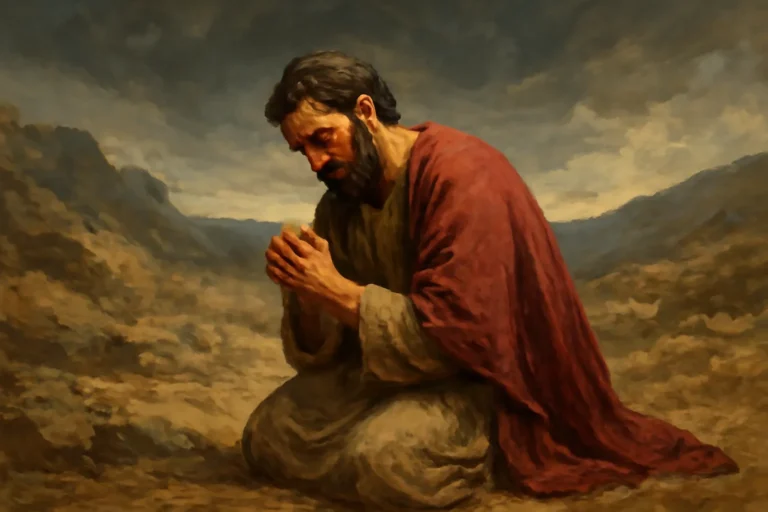
Prayer is a primary arena where grace and glory meet. In prayer, believers confess their need for grace, receive mercy, and seek empowerment for holy living. Prayer also expresses longing for God’s future glory—the consummation of all things in the new creation. In every petition, there should be a rhythm: gratitude for grace received, humility before the glory of God, faith in Christ, and hopeful expectation for the transformation that is ongoing and promised.
Community: A Living Testimony of Grace
The church, as a community grounded in grace, becomes a living sign of God’s glory in a fractured world. When believers practice hospitality, forgiveness, mutual encouragement, and shared mission, they embody the gospel in a visible, tangible way. The corporate life of the church should be marked by a grace-filled generosity that exalts Christ and points others toward the living God whose glory is the rightful aim of all worship.
Case Studies: Passages and Reflections on Grace and Glory
Case Study 1 — Ephesians 2:8–10: Grace, Faith, and Works
In Ephesians 2:8–10, Paul articulates a succinct account of salvation by grace through faith, not as a result of works but for good works prepared for believers to walk in. This passage guards against any notion of self-generated righteousness and foregrounds the gift-oriented character of salvation. It also hints at a holistic life of faithfulness: grace is the seed from which a life of mission and virtue springs. The glory of God is not simply a future destiny but a present reality that informs the manner in which believers live, work, and witness in the world.
Case Study 2 — 2 Corinthians 4:6: Light that Shines in Dark Places
When Paul writes about the treasure of the gospel in jars of clay, he is describing a paradox in which divine grace and divine glory are made known through human weakness. The very vulnerability of believers becomes an occasion for God’s light to shine, revealing His truth to a watching world. In this sense, grace does not merely save; it enables a witness to the glory of God that radiates in the gospel’s proclamation and in transformed lives.
Case Study 3 — Revelation 21:23–24: The City with No Need for Sun or Moon, for the Glory of God Gives It Light
The apocalyptic vision of the new heaven and new earth culminates in a world bathed in the glory of God. The city’s radiance is not a created brilliance but the manifest presence of God, radiating through the gates and streets. The nations walk by that light, and the kings of the earth bring their glory into it. In this climactic scene, the interpenetration of grace and glory becomes the ultimate reality: a universe transformed by the gracious reign of God and suffused with His glorious, unceasing presence.
Conclusion: The Ongoing Thematic Journey
The biblical story is a continuous unfolding of grace and glory, not merely as doctrines to be believed but as realities to be tasted, experienced, and lived. The Christian life is a journey in which the mercy of God saves, sustains, and sanctifies; in which the love of Christ makes known the fullness of divine radiance; and in which the Spirit works to reveal Christ’s presence in the world—so that the Church becomes a beacon of grace and a sign of future glory.
As you study these themes, may you encounter grace upon grace and a proportional increase of glory in the gospel. May your own life reflect a growing abundance of divine favor, and may your worship and witness be increasingly shaped by the radiance of the triune God who calls, saves, and glorifies His people. This is the arc of Scripture—the thematic journey from grace to glory, from mercy to majesty, from reconciled sinners to a reconciled cosmos, all for the glory of God through Jesus Christ, in the power of the Spirit.
For further study, consider tracing these motifs in a few select passages across testaments, noting how terms related to grace (favor, mercy, benevolence, gift, faith) and terms related to glory (splendor, majesty, radiance, presence, revelation) illuminate one another. Reflect on how the same gospel narrative invites you to receive grace and to participate in the drama of glory—by living a life worthy of the calling, by proclaiming the good news to a world in need, and by awaiting with hopeful anticipation the day when all things are made new.