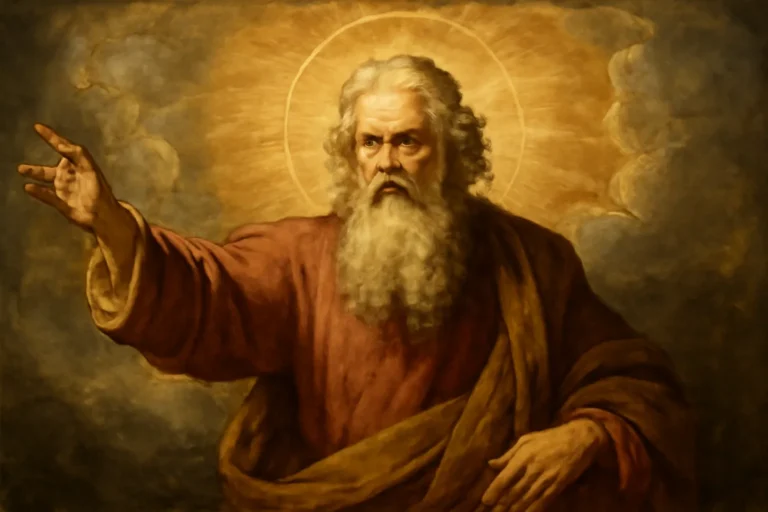

Introduction: The Sacred Gift of Dreaming
Across the sacred texts and the long history of Christian reflection, humanity is repeatedly described
as a creature endowed with imagination, possibility, and purpose. The phrase “Created by God to Dream”
captures a dialectical truth: we are not merely biological beings navigating time; we are persons called
into relationship with the Divine through the act of dreaming. In this sense, dreaming is not
merely the private fodder of sleep or the whimsical reverie of youth. It is a spiritual discipline,
a theological anthropology that situates human life within a divine economy of meaning.
To say that we are made for dreaming is to affirm that imagination, hope, and vision are
part of our created nature. It implies that God’s design for humans includes the capacity to see beyond
the present, to interpret signs, and to participate with the Creator in shaping a better world. In this long-form
reflection, we will explore the claim that every person is appointed to dream—not as an escape from reality
but as a path toward faithful action within reality. We will consider how this calling is grounded in Scripture,
how it has been interpreted in the church tradition, and how believers today might cultivate a robust, disciplined
practice of dreaming that honors God and serves neighbor.
Throughout this exploration, we will employ variations of the core idea that Created by God to Dream.
You will encounter phrases such as God-made to dream, divine vocation to dream,
and design for dreaming, all of which point toward a consistent theological meridian:
dreaming is a sacred endowment that bears on worship, ethics, and everyday vocation.
Theological foundations: Created by God to Dream
The claim that human beings are created by God to dream rests on a robust biblical and theological
framework. From the opening chapters of Genesis to the prophetic visions of the Old Testament and the visionary
revelations of the New Testament, dreaming serves as a conduit for divine-human encounter. Imagination is not
optional adornment; it is a given feature of humanity, designed to participate in God’s purposes.
Scriptural anchors: Dreaming as a channel of divine communication
In scripture, dreams are often vehicles through which God speaks to people in trusted, personal ways. Consider
the narrative arcs that reveal how divine communication works through nocturnal visions, symbolic
imagery, and interpretive discernment.
- Genesis: Dreams populate the early chapters as tools for preservation and vocation. The dreamer must learn
to interpret symbols, trust in God’s sovereignty, and respond with faithfulness. - Joseph, son of Jacob: A life narrative built upon the ability to interpret dreams that rescue families and
nations—an example of how dreaming well participates in God’s purposes for justice and mercy. - Daniel: Dreams and visions in exile become a school of discernment, where heavenly messages intersect with human affairs.
- New Testament: The dream motif recurs in visions and heavenly revelations that guide the early church’s mission.
The overarching theological claim is not that dreams are curiosities to be cataloged, but that they are trusted channels
by which God reveals, invites, and guides. When we affirm that we are created by God to dream, we acknowledge
that dreaming is tethered to wisdom, discernment, and obedience. Dreams in biblical witness often demand a response:
to interpret rightly, to act justly, and to trust God’s timing even when the dream’s meaning is slow to unfold.
Theological interpretations: purposes of dreaming in a devotional life
The church has long proposed several purposes for dreaming that illuminate the nature of existence and the
aims of faith:
- Formation: Dreaming fosters character and resilience, inviting the soul to grow in hope, courage, and truth.
- Guidance: Dreams can point toward vocation, justice work, or compassionate action that aligns with God’s will.
- Worship: When imagination is rightly ordered, dreaming becomes a form of worship—adoring God by envisioning a better world.
- Credal clarity: Dreams help articulate what matters most—love of neighbor, pursuit of peace, and fidelity to the gospel.
The phrase God-given dreaming underscores that this enterprise has a source outside ourselves—
the Creator who invites creatures into the act of imagining. The Christian tradition distinguishes healthy dreaming
from fantasy that disconnects from truth or becomes a surrogate for action. A balanced theology of dreaming holds that
being created by God to dream should always be oriented toward love, justice, and the flourishing of others.
Philosophical dimensions: imagination as a responsible human good
The Christian account of dreaming intersects with broader questions of human nature: What is the purpose of the
imagination? How should imagination relate to truth, beauty, and goodness? Theologians have argued that the soul’s
capacity to dream is a moral faculty that can accompany virtue or vice, depending on how it is formed
and directed. In other words, the gift of dreaming is not neutral; it is a moral and spiritual resource that can
nurture neighbor-love and civic integrity or, if untethered, lead to self-absorption or escapism.
Dreaming as a spiritual practice: disciplines of the dream life
If we are Created by God to Dream, then we enter into a disciplined practice that shapes how we
think, feel, and act. Dreaming becomes not merely an occasion for fantasy but a spiritual discipline that refines
perception and orients life toward God and others.
Principles for cultivating a faithful dreaming life
- Prayerful openness: Begin with prayer that invites the Spirit to illuminate meaning without forcing a predetermined outcome.
- Journaling: Record dreams and impressions to discern patterns, symbols, and recurring themes that may illustrate God’s purposes.
- Discernment communities: Share dream fragments with trusted mentors or sisters and brothers in faith for wise interpretation.
- Ethical alignment: Test dream content against the gospel: does it promote love, justice, mercy, and truth?
- Patience with timing: Recognize that some dreams unfold gradually; God’s timing often exceeds our own hurried rhythms.
Symbol and interpretation: reading the signs of the times
Dreams rarely arrive as plain instructions. More often, they come as symbols that require interpretive work.
The interpretation process is itself a spiritual exercise: prayerful reading of Scripture, guided reflection, and
empirical discernment in the life of the community. In this light, the claim that we are created by God to dream
becomes a call to interpret rightly—so that the dream, once clarified, becomes a force for good.
Prayer practices that nurture dreaming
Several devotional practices have been offered by the church across times to cultivate a healthy dream life:
- Vigil prayer before sleep, inviting God to illuminate the mind and heart through the night.
- Lectio divina of dreams: a reflective, slow engagement with the dream’s content, Scripture, and where it points toward Christ.
- Contemplative silence: moments of stillness that calm the heart, enabling a clearer hearing of divine messages.
- Fasting and sabbath rest: practices that restore mental clarity and spiritual sensitivity, reducing noise that obscures hearing.
Dream types in Christian traditions: prophetic, visionary, and quotidien dreams
The Christian tradition recognizes a spectrum of dream experiences, each with its own interpretive challenges and
responsibilities. Understanding these categories helps believers discern how a dream might relate to vocation, prophetic
insight, or moral exhortation.
Prophetic dreams: messages with moral weight
Prophetic dreams in the biblical and post-biblical imagination are calls to repentance, warning, or strategic action.
They do not function as personal forecasts alone; they often implicate communal life, justice, and fidelity to God’s
covenant. The vocation of those who bear prophetic dreams requires humility, accountability, and a willingness to see
their own communities transformed by the dream’s truth-telling.
Visionary dreams: seeing the future through symbolic sight
Visionary experiences reveal sacred reality through imagery and symbol. They invite interpreters to translate symbolic
content into practical action that blesses people and promotes the common good. A vital discipline for those who
pursue such dreams is to test them against Scripture and the witness of the church, ensuring that the dream serves
love and justice rather than self-serving aims.
Quotidian or pastoral dreams: daily life and vocation
Not all dreams are dramatic. Many awaken in the ordinary rhythms of life—dreams about work, family, education, or
service. The spiritual significance of these dreams lies not in their spectacular nature but in their resonance with
God’s call in daily living. For those who are created by God to dream, even mundane dreams can become
prompts to greater virtue, compassion, and faithful stewardship.
Dream and vocation in everyday life: living as a dreaming Christian
The idea that we are designed for dreaming has practical consequences for how we choose work, how we
invest time, and how we engage with communities. Dreaming is not a retreat from responsibility; it is a resource
for discerning how to love neighbor, serve the vulnerable, and bear witness to the gospel through concrete action.
Vocational discernment as a spiritual practice
Vocational discernment involves listening for God’s call in the context of work, family, church, and public life.
It is a process of narrowing possibilities through prayer, community input, and testing of dreams against the
gospel’s demands for justice and mercy. When we say that we are created to dream, we include
a commitment to seek paths that align with the greatest good and sustain human dignity.
Art, science, and the dream life: where imagination meets truth
The Dream Life is not limited to private spirituality; it expands into art, science, education, and social reform.
Artists who dream with a conscience, scientists who imagine new theories in service to healing, and educators who
envision transformative learning all participate in the divine vocation to dream. The claim that we are
created by God to dream thus becomes a summons to integrity: to use imagination to empower the neighbor,
to critique injustice, and to create spaces where truth and beauty invite a deeper worship of the Creator.
Challenges, discernment, and responsible dreaming
A robust theology of dreaming must address potential hazards. Dreams can be misinterpreted, co-opted by ideology,
or treated as autonomous authorities apart from God’s revelation in Scripture and the church’s wisdom. The central
challenge is to maintain fidelity to Christ while honoring the imaginative life.
Ethical boundaries: when dreaming becomes dangerous
- Idolatry of the dream: elevating the dream above God or using dreaming as a weapon to manipulate others.
- Prophetic overreach: claiming divine sanction for self-serving plans without communal accountability.
- Escapism: using dreaming to withdraw from painful realities rather than engage them in truth and mercy.
- Neglect of neighbor: pursuing dreams that fail to honor the imago Dei in every person.
Discernment tests: how to check a dream’s alignment with the gospel
- Scriptural alignment: Does the dream reflect or distort biblical truth? Is it coherent with the gospel’s call to love?
- Communal validation: Have trusted spiritual mentors, pastors, or peers weighed in on the dream’s meaning and implications?
- Fruit examination: Does the dream lead to justice, mercy, and practical acts of service?
- Fraternal correction: Are there safeguards against pride, control, or coercive persuasion in how the dream is pursued?
Pastoral cautions: nurturing healthy dreaming in church life
Churches that cultivate dreaming as a virtue often pair it with humility, accountability, and mutual care. Individuals
who bear dreams are invited into communities that test and refine interpretation, celebrate ethical action, and
reject the idolization of any personal vision. The aim is not to quell imagination but to sanctify it—so that the
person’s dreaming becomes a channel for God’s glory and neighbor’s good.
Practical guide: how to cultivate being Created by God to Dream
If the conviction that you are created by God to dream is true, then you can cultivate a dream life that is
both authentic and transformative. The following steps offer a practical pathway for individuals and faith communities.
Step-by-step pathway to a disciplined dream life
- Name the dream: Take time to articulate the dream in clear terms. What do you sense God inviting you toward?
- Invite critique: Share the dream with trusted companions who can offer wise critique and encouragement.
- Test with Scripture: Read relevant passages that might illuminate the dream’s direction and limits.
- Pray for discernment: Seek ongoing guidance through prayer, fasting, and contemplative listening.
- Plan concrete steps: Translate the dream into feasible, incremental actions that honor God and help others.
- Evaluate progress: Periodically assess the dream’s impact, adjust as needed, and celebrate obedience over outcome.
Concrete practices for daily commitment
- Dream journals: Keep a consistent log of dreams, impressions, and meanings. Review periodically to detect patterns.
- Dream circles: Form small groups that meet regularly to share dreams and offer interpretation within ethical bounds.
- Symbol dictionaries: Build a personal or shared guide to common symbols, recognizing that symbols may vary across cultures and contexts.
- Service-oriented dreaming: Channel dream-centered energy into acts of service, justice work, or creative ministry.
- Rest and restoration: Honor Sabbath rhythms to keep dreaming from becoming exhausting; rest sustains discernment.
Relation to spiritual formation: dreaming as a path to maturity
When dreaming is integrated with spiritual disciplines, it becomes a path toward maturity in Christ. The dreaming life
is not divorced from repentance, forgiveness, and love; instead, it reinforces a posture of humility before God and
service to others. The optimistic premise is simple: created by God to dream sets the believer on a lifelong
apprenticeship in character formation, practical wisdom, and faithful witness.
Conclusion: a broad vision for a dreaming faith
The conviction that we are Created by God to Dream invites a broad, generous, and responsible imagination.
It invites us to approach life as a sacred theatre where imagination, faith, and action meet. Dreams become sermons without words:
they exhort us to love more deeply, to justice more vigorously, and to worship more fully. They also remind us that God is not
distant or uninterested in the affairs of human beings; God is intimately involved in shaping reality through the imaginations
and choices of people who trust the Creator.
In practice, this means cultivating a dream life that is faithful, grounded, and hopeful. It means recognizing that God’s
purposes for the world require human cooperation, not passive waiting. It means embracing the tension between waiting on God
and acting in faith toward the good that God promises. And it means committing to a life where dreams harmonize with the
gospel’s call to love God, love neighbor, and seek justice in every corner of society.
As you reflect on the idea of being created by God to dream, consider how your own calling—your
vocational, personal, and spiritual life—might be shaped by a more intentional engagement with dreaming. You may discover
that your imaginal life is not a escape hatch from reality but a faithful instrument for healing, transformation, and
worship. In this sense, dreaming becomes a blessed companionship with the Creator: a way to participate in the ongoing
work of God in the world.
Final reflection: dreaming with responsibility and hope
The Christian tradition holds that imagination without virtue is empty, and virtue without imagination is hollow.
To be Created by God to Dream is to seek a harmony of mind and heart, of insight and action. It is to
trust that God’s dream for the world is bigger than any single person’s dream, yet personal in its call to love and serve.
May your dreaming be faithful, patient, and true—a witness to the gracious Creator who invites every human being to
participate in the great drama of transformation, reconciliation, and renewal.