Promises to the meek form a thread that runs through sacred scripture, prophetic literature, and Christian theological reflection. These promises speak to a posture of heart—humility under God’s sovereignty—that paradoxically becomes the site of divine blessing, transformation, and awakenings that ripple into individual lives and communities. This long-form exploration surveys what the biblical and theological traditions mean when they speak of the meek, the nature of the blessings promised, and how believers today can cultivate a faith that embodies meekness without weakness. The discussion includes linguistic background, scriptural exegesis, historical interpretations, and practical applications for worship, ethics, and daily living.
Foundations: What does it mean to be meek?
Hebrew and Greek understandings
The concept of meekness in biblical languages is nuanced. In Hebrew, the root ’anav conveys humility, lowliness, and affliction with a sense of dependence on God. In Greek, the term praus often translates as meek or gentle, conveying strength under control rather than weakness. In theological anthropology, meekness is not passivity but a disposition in which human power and pride are surrendered to divine sovereignity, under the discipline of love and truth.
Therefore, meekness is best understood as strength disciplined by humility—power voluntarily oriented toward serving God and neighbor. This reframing helps explain why the biblical writers could speak of powerful men and women who are nevertheless called meek, because their power is kept in check by trust in God and fidelity to his purposes.
Promises to the meek in the Gospels
The Beatitude as a divine forecast
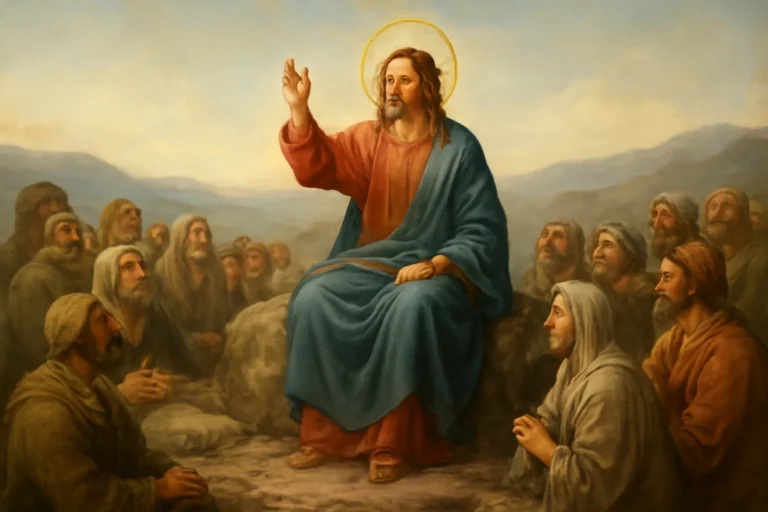
The most famous statement is in the Sermon on the Mount, where Jesus pronounces, “Blessed are the meek, for they shall inherit the earth” (Matthew 5:5). This beatitude reframes what it means to be blessed, shifting the standard of blessing from worldly success to covenantal trust and unpretentious obedience. The promise is not merely future reward but a shaping of today’s posture into one that opens the person to God’s reign.
Other related promises in the teaching of Jesus include invitations to learn from him, because he is “gentle and humble in heart” (Matthew 11:29). The meek, then, are those who imitate or align themselves with the gentle leadership of Christ. The promise attached to such alignment is rest for the soul and an experiential knowledge of God’s yoke being easy and his burden light (Matthew 11:28-30).
Promises to the meek in the Psalms and Wisdom literature
The land, peace, and divine guidance
In the Psalms, the meek are repeatedly described as recipients of God’s favorable action. Psalm 37:11 states, “But the meek shall inherit the land, and delight themselves in abundant peace.” This verse links meekness with a tangible inheritance and a peace that surpasses worldly securities. The promise casts meekness not as passive surrender but as faithful living under God’s gracious rule, which culminates in a secure and prosperous future under divine governance.
Another strand appears in Psalm 25:9: “He leads the humble in what is right, and teaches them his ways.” The promise here is pedagogical: the meek are included in a divine pedagogy in which God guides, instructs, and shapes their lives path by path. The outcome is a form of wisdom that aligns choosing, action, and consequence with the divine will.
Theologically framed promises: meekness as a pathway to blessing
Historical theologies of humility and inheritance
Throughout church history, meekness has been affirmed not as weakness but as a virtue that orders human desire toward God. In early patristic thought, meekness was tied to contemplation and ethical living—the quiet strength that resists coercion, seduction, and pride. Medieval theologians like Thomas Aquinas argued that meekness is a moral virtue that fosters justice and mercy, enabling the soul to bear insult and trial without rancor while remaining steadfast in truth.
From a pastoral perspective, meekness is linked to social ethics. The mosaic of promises to the meek includes not only personal blessedness but collective justice: a community where the poor and lowly are protected, where power is governed by mercy, and where leadership serves rather than dominates. This broader application helps explain how the promises to the meek touch issues of economic justice, human dignity, and social harmony—areas where many believers seek practical expression of their faith.
Meekness and mercy: the promised dimensions of divine kindness
Inherit and receive mercy
Scripture often links meekness with divine mercy. James 4:6 states, “God opposes the proud, but gives grace to the humble.” While this is a general principle about grace, the surrounding context—humility before God—ties it to the broader promise that the humble are recipients of divine mercy and transformation. The meek, in their dependence on God, become channels of mercy to others, reflecting God’s own heart for the vulnerable.
In the wisdom tradition, there is a parallel claim: to follow the path of humility is to welcome God’s help in daily life. The promise is that God will guide, sustain, and uplift the humble. This guidance extends beyond mere instruction to an actual experience of God’s presence as a shepherd leads, protects, and provides for the sheep.
Living out the promises: practical disciplines of meekness
Spiritual formation practices
- Prayer of surrender: A daily practice of yielding control to God, acknowledging dependence on his wisdom and mercy.
- Scripture meditation: Engaging the Psalms and the Sermon on the Mount to train the heart toward humility and trust.
- Neighbor-focused service: Acts of mercy and service that reflect a meek posture in social ethics, countering pride and self-assertion.
- Confessional life: Regular confession fosters humility, shaping a life oriented toward God’s grace rather than self-justification.
These disciplines are not merely moralized rules; they are means by which the promised blessings to the meek become experiential realities. As one grows in meekness, one discovers that the earth’s inheritance is not only future but present—in the form of lasting peace, relational harmony, and a sense of divine companionship in daily tasks.
Meekness in worship and liturgy
Worship shaped by humility
In corporate worship, meekness reframes the posture of the gathered people. The call to worship is not a display of spiritual vigor but an invitation to alignment with God’s will. Songs, readings, and prayers that emphasize God’s sovereignty, mercy, and faithfulness give expression to the promised blessings for the humble: peace, trust, and a deeper knowledge of God.
The liturgical life of a faith community can foreground the promises to the meek in its confessions, penitential rites, and sacramental observances. In the Eucharist or Communion, for instance, believers acknowledge their dependence on Christ’s self-giving love—the ultimate meekness embodied in the cross—while receiving nourishment that equips them to walk in humility in the world beyond church walls.
Ethical implications: social justice, mercy, and the meek
From individual virtue to communal justice
The biblical vision of blessings for the meek extends into social ethics in compelling ways. When the meek inherit the earth, it includes not just personal relief but the transformation of structures that enable a more just and peaceful life. The meekness virtue becomes a corrective to domination, enabling Christians to advocate for the vulnerable, resist coercive powers, and champion fair treatment for workers, the poor, and marginalized communities.
In this sense, the promises to the meek are not escapist; they are transformative—calling believers to participate in God’s activity of healing and restoration in the world. The meek are called to be agents of mercy, reconciliation, and truth-telling, trusting that God’s judgment will exalt the humble and correct the proud.
Variations of the theme: other traditions and interpretations
Judaism and the virtue of humility
Within Jewish wisdom literature, humility is a valued virtue, associated with wisdom, obedience, and reverence before God. The promise set before the humble mirrors the Hebrew Bible’s call to trust in God’s providence rather than in human achievement. Though the language differs, the underlying conviction is similar: God favors the humble and rewards those who cultivate a posture of dependence on divine wisdom.
Orthodox and Catholic reflections on meekness
In Orthodox and Catholic traditions, meekness is often linked with theosis—the process of becoming more like God through communion with Christ. The meek are invited into a life where power is subordinated to love and truth, where suffering is endured in imitation of Christ, and where patience, gentleness, and mercy are celebrated as marks of spiritual maturity. The promises here include an ever-deepening knowledge of God, a resilience that resists bitterness, and a hopeful expectation of God’s ultimate justice.
Historical voices: a survey of notable reflections
Church Fathers and reformers
Several church fathers spoke of meekness as part of the Christian ideal. Augustine highlighted humility as foundational to virtue—the condition that makes other graces possible. John Chrysostom urged Christians to exercise meekness with zeal, balancing mercy with truth. In the Reformation era, reformers like Martin Luther and John Calvin engaged with the tension between conscience and humility, insisting that salvation humbles the sinner and exalts God’s mercy. Across these voices, the promises to the meek are not abstract; they are practical, formative, and transformative for those who live under God’s rule.
Modern exegetes and theologians
Contemporary scholars emphasize the meekness-as-strength paradigm, arguing that modern readers should not misinterpret meekness as weakness in social life or political action. The emphasis is on interior posture and exterior action aligned to divine purposes. The promise remains: the meek will experience God’s favor, guidance, and the shaping of the world according to divine justice. In this sense, meekness becomes a robust spiritual power directed toward reconciliation, truth, and the flourishing of all beings created in God’s image.
Common questions about the promises to the meek
Is meekness the same as passivity?
Not at all. In biblical usage, meekness is strength under control. It is a deliberate choice to ally one’s will with God’s will. Passivity suggests withdrawal from responsibility, whereas biblical meekness mobilizes courage, truth-telling, and mercy under the governance of God.
Are the promises to the meek primarily about the afterlife?
While eschatological fulfillment is present in passages like Matthew 5:5, the promises are also markedly present in the here-and-now: guidance, peace, mercy, and the calm assurance that God is with the humble. The promises function as both present blessings and future hopes, shaping Christian life in the present age as a foretaste of God’s eternal reign.
How can a modern believer cultivate meekness amid cultural pressure to perform?
Meekness today can be cultivated through practices such as reflective prayer, scriptural meditation, acts of service, and communities that model humility and accountability. The aim is not self-defeating softness but a robust, truthful, and loving disposition that trusts God more than one’s own schemes and seeks the welfare of others as a primary aim.
Case studies: portraits of meekness in action
Case study A: A community leader who serves rather than seeks power
A pastor or community organizer who refuses to coerce others, who listens deeply, and who prioritizes justice for the marginalized embodies the promises to the meek in action. By choosing patient advocacy over aggressive rhetoric, this leader models the way the earth can be inherited through mercy and truth.
Case study B: A family choosing reconciliation in the face of conflict
In a domestic setting, meekness translates into restraint in anger, forgiveness offered generously, and trust in God’s capacity to heal relational rifts. The promised peace becomes a lived reality as family members learn to turn to God for strength and guidance rather than to pride or retaliation.
Meekness as a transformative virtue for the church
Corporate life and witness
When a faith community embodies meekness, it demonstrates a distinctive witness to the surrounding culture. A church that speaks truth with gentleness, that serves without demanding recognition, and that bears one another’s burdens fulfills the practical outworking of the promises to the meek. The church becomes a living sign of God’s reign, inviting others to explore what it means to be blessed in a life oriented around God’s justice and mercy.
In a pluralistic world, the meek hold a humane center for dialogue: firmness in conviction combined with respect for others’ dignity and the readiness to listen. The promises to the meek thus contribute to social cohesion, healing, and a hope-filled horizon for communities that have known division and pain.
Conclusion: embracing the path of humble blessing
The theme of promises to the meek invites believers to rethink what constitutes true blessing. The biblical witness consistently elevates the humble—not as a denial of human dignity but as a confident posture before God in which strength is rightly ordered and love governs action. The promises range from personal peace and direction to social justice and future inheritance. They culminate in a life that mirrors Christ’s own meekness—one that is gentle, courageous, and steadfast under pressure, trusting that God’s timing will reveal the fullness of his gracious purposes.
As you reflect on these themes, consider how meekness might be nourished in your life this season. You may choose to begin with a simple ritual: pray for humility, read a psalm of trust, and seek one concrete act of mercy each day. In doing so, you join a long tradition that has learned, through seasons of trial and joy, that the truly blessed are those who put their hope in the God of mercy, who lifts up the humble, and who keeps his promises to the meek—promises that endure in every generation.
Key takeaway: to pursue meekness is to pursue the blessing of God—a blessing that reconciles heart, mind, and world toward the greater reality of God’s incoming kingdom. In this pursuit, the meek not only inherit the earth but also become vivid witnesses to the gracious power of God at work in creation, history, and personal lives.