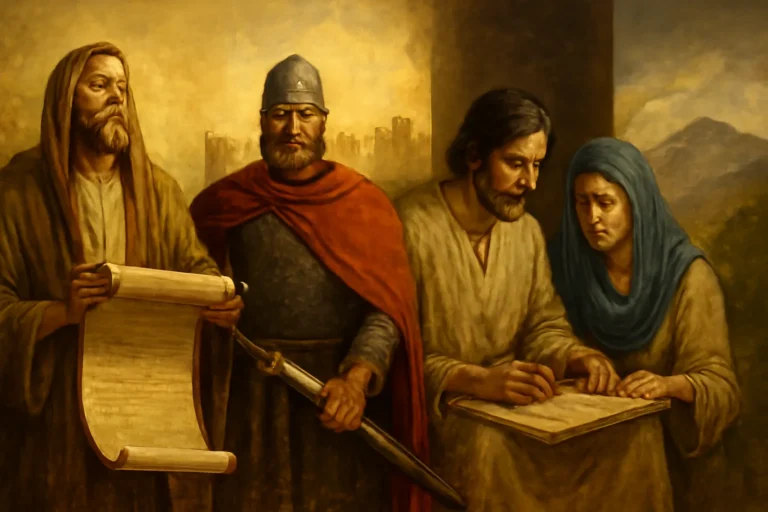
Prophecy stands as one of the most enduring and transformative themes in religious history. Across centuries and continents, seekers have turned to prophetic voices for guidance, warning, hope, and interpretation of the divine will. In the biblical tradition, prophecy is not a single genre but a living spectrum: it sometimes comes as a piercing oracle, at other times as a vivid vision, a dream, a symbolic drama, or a summons to faith and repentance. It appears within the formal structure of prophetic books, but its echoes also resound in poetry, narrative, wisdom, gospel, and apocalyptic literature. This article surveys biblical prophecy in its multifaceted forms, traces its historical and theological development, and reflects on its interpretation for faith communities today. It seeks to treat prophecy as a living conversation between God’s promises and human responsibility, not merely as a set of predictions about the future.
At its core, prophecy in the biblical sense is the communication of divine will through human agents. It is God speaking to people through chosen messengers, with a message that often bears three essential characteristics: call (a summons to fidelity or repentance), content (the message itself, which may promise blessing or warn of judgment), and significance (an appeal to trust in God’s covenant and purposes). The biblical concept of prophecy blends revelation, interpretation, and response.
Foretelling or predictive prophecy: statements about future events that will come to pass if the people do not repent, or promises of future blessings tied to fidelity. This dimension is prominent in books such as Isaiah, Jeremiah, and Ezekiel.
Forth-telling or proclamation: declarations about moral, ethical, and spiritual conditions in the present, urging reform, worship, and obedience. This dimension is found in large portions of the prophetic books and forms a central function of many sermons and addresses throughout the biblical corpus.
In addition to these, the biblical tradition recognizes that prophecy often operates under a framework of symbolic language, dream and vision, and narrative drama. Some prophecies unfold within visions or night dreams, like those in Daniel and Revelation, while others appear as oracles delivered in a public setting to kings, priests, and the people. Importantly, the prophetic voice is not merely a fortune-telling apparatus, but a theological instrument designed to align human life with God’s covenant, justice, mercy, and faithfulness.
The Genres of Prophecy in the Bible
In order to appreciate the breadth of biblical prophecy, it helps to identify several overlapping genres within the corpus. Each genre carries its own expectations, literary devices, and interpretive challenges, yet together they form a cohesive whole in which prophecy serves as a bridge between God and the community.
Oracles and Spoken Denunciations
One of the most recognizable prophetic forms is the oracle—a spoken message delivered with a weighty authority. These oracles may declare judgment for national sins, plead for repentance, or announce a future restoration. The prophetic oracles often begin with a divine commission and a call to listen: “Thus says the Lord…” (in Hebrew: “Thus said the Lord”), expressing the public and ceremonial dimension of prophecy. The oracles frequently balance warning with hope, and they contextualize divine action within the trial and history of a people.
Visions, Dreams, and Symbolic Revelation
Many prophetic figures receive instructions through visions and dreams, images that require interpretation. The books of Daniel and Ezekiel are exemplary here, where complex symbols—like beasts, wheels, dry bones, or a figure like the Son of Man—convey layered messages about empires, eschatological destiny, and the reign of God. Visionary prophecy often transcends immediate political concerns to reveal cosmic or eternal horizons, inviting readers to interpret history through the lens of divine sovereignty.
Narrative Prophecy
Prophets appear within narrative frameworks as characters who confront rulers, issue decrees, or participate in significant events. The prophetic vocation in a narrative setting—like the calling of Moses in Exodus, or the prophetic presence in the lives of Elijah and Elisha—shows how prophecy operates within daily life, political upheavals, and crisis moments. Narrative prophecy demonstrates the continuity between divine intention and human action, illustrating how prophecy emerges in concrete moments rather than in abstract theory.
Apocalyptic and Eschatological Prophecy
The apocalyptic genre is a distinctive strand within prophecy, featuring visionary imagery, cosmic conflict, divine judgment, and ultimate restoration. The Book of Daniel and the Book of Revelation (and related portions in other apocalyptic texts) employ symbolic language to reveal what is hidden in the present age and to offer hope for the future. Apocalyptic prophecy emphasizes the sovereignty of God in history, the certainty of divine victory, and the transformation of creation.
Prophetic Psalms, Poetry, and Wisdom-Inflected Prophecy
Many prophetic voices are found within psalms and wisdom literature, where prophetic interpretation intersects with prayer, lament, praise, and moral exhortation. Certain psalms function as prophetic lament, linking Israel’s present distress to God’s past faithfulness and future steadfastness. They invite communities to trust in God’s righteous rule even amid hardship.
New Testament Prophecy and Gospel-Driven Prophecy
In the New Testament, prophecy takes on new shapes, often linked to the work of the Spirit and the life of the church. Prophecy in the gospels is frequently about the fulfillment of Old Testament expectations through Jesus, while the Epistles address theological interpretation, ethical living, and communal discernment. The Book of Revelation represents a culmination of apocalyptic prophecy, offering a cosmic perspective on the end times and the final triumph of God’s kingdom.
Key Figures and Roles in Biblical Prophecy
Across the biblical narrative, a diverse cast of figures performs the role of prophet. Their lives illuminate how prophecy begins, how it is received, and how it shapes history. The following list highlights some representative figures, though it is by no means exhaustive.
Moses — Often considered the archetypal prophet in the Hebrew Bible, Moses communicates God’s law, anticipates covenant faithfulness, and mediates between God and Israel.
Isaiah — A central voice of judgment and hope, who models both prophetic rhetoric and messianic expectation.
Jeremiah — A reluctant prophet whose warnings against disobedience and calls to exile illuminate prophetic suffering and perseverance.
Ezekiel — A visionary prophet whose dramatic scenes (including the valley of the dry bones) explore the relationship between judgment, exile, and restoration.
Daniel — A figure of royal service and visionary interpretation, whose stories blend personal fidelity with apocalyptic revelation.
Hosea, Joel, Amos, Micah, and the other Minor Prophets — Each contributes distinctive oracles, social critique, and visions of divine justice.
John the Baptist — In the New Testament, he functions as the forerunner, announcing the coming of the Messiah and calling for repentance.
Jesus of Nazareth — Considered by Christian tradition to be the culmination and fulfillment of prophetic hopes, interpreting Scripture, and bringing the new covenant to fruition.
The Apostles — In the early church, prophets and apostolic leaders exercise spiritual gifts, edify communities, and interpret Jesus’ fulfillment in light of the gospel.
Prophecy Across the Biblical Canon: A Thematic Overview
The biblical canon presents prophecy as a thread that weaves through different books, genres, and historical moments. This section sketches how prophecy appears in different parts of the Bible and how those appearances interact with broader theological themes.
Old Testament Prophecy: Covenant, Judgment, and Restoration
The prophetic corpus is deeply anchored in the covenant relationship between God and Israel. Prophets call the nation to fidelity to the Law, often in moments of crisis—sieges, exile, or moral decline. They announce judgment for idolatry and social injustice, yet they also proclaim restoration and a future hope rooted in God’s steadfast love. The covenant frame gives prophecy its normative texture: obedience is not simply a duty but a conduit of life with God. Messianic anticipation—anticipation of a king and a restored kingdom—also grows within this tradition, expanding the horizon beyond national Israel to universal blessing.
New Testament Prophecy: Fulfillment, Spirit, and Community
In the New Testament, prophecy is often interpreted through the lens of Jesus’ life, death, and resurrection and the outpouring of the Spirit on the church. Prophetic voices function to interpret the significance of Jesus as the Messiah, to guide congregations in moral and spiritual life, and to offer divine anticipation of God’s ongoing work in world history. The Epistles encourage discernment and accountability in the exercise of prophetic gifts, while the Revelation text situates prophecy within the drama of cosmic conflict and ultimate triumph.
Integration of Genres: The Bible as a Prophetic Library
Taken together, the biblical library presents prophecy as a library of voices, images, and interpretive traditions. The same message—God’s faithfulness to creation, justice for the oppressed, mercy for the repentant, and hope for redemption—emerges across genres: an imperative preached in public oracles, a dream interpreted for a ruler, a psalm of lament that becomes prophetic prayer, and an apocalyptic vision that reframes history from divine vantage point. This integration invites readers to read prophecy not only as a series of fulfillments but as a method of spiritual discernment that shapes worship, ethics, and communal life.
The Process of Prophecy: Call, Commission, and Message
Understanding the prophetic process helps readers appreciate how prophetic authority is established and tested. The biblical accounts often describe a sequence that includes a divine call, a commission, a responsive human vocation, and a public message that requires response from the community.
Divine call: The prophet experiences a commissioning encounter with God, often mediated by an angel, a vision, or a direct revelation. This moment establishes the source of authority and moral obligation.
Commission and role: The messenger is set apart for a specific task—whether to warn, comfort, exhort, or reveal. The commission clarifies what kind of message will be carried and to whom.
Message and method: The prophet delivers a message tailored to a particular audience and context. This can take the form of public oracles, symbolic acts (signs and dramas), or recorded prayers and laments.
Reception and discernment: The community tests prophetic messages against the law, tradition, and the discernment of the Spirit. Genuine prophecy is measured by its alignment with God’s character and covenant faithfulness.
Several themes recur in this process: fidelity to the truth-telling vocation, courage in the face of opposition, and a consistent orientation toward justice and mercy. The biblical record also acknowledges the possibility of false prophets and teaches the community to exercise discernment, as seen in Deuteronomy and the apostolic letters. The ethical dimension of prophecy—how a community responds to prophetic voice—becomes part of prophecy’s living impact on society.
Fulfillment, Interpretation, and the Dynamics of Destiny
A central question in biblical prophecy concerns fulfillment: how do prophecies come to pass, and what does it mean when they do not seem to be fulfilled in literal or immediate ways? The biblical answer is nuanced, with multiple patterns that scholars and theologians discuss in light of historical context, typology, and theological purpose.
Typology and Covenant Framework
Typology is the sense in which earlier events, people, or institutions foreshadow later realities. In prophecy, typology is often used to interpret the Messiah and the kingdom of God. The exilic and post-exilic prophecies frequently point beyond themselves to a fuller realization in the life of Jesus and the church. This approach does not reduce prophecy to mere allegory; it recognizes that God unfolds history through layered and time-filled fulfillment.
Double Fulfillment and Progressive Revelation
Some prophecies appear to have a double fulfillment, with an initial immediate application and a later, more complete realization. In this sense, biblical prophecy operates as a trajectory rather than a single, isolated event. The early chapters of Isaiah, for example, have contexts that speak to their own historical moment and to future messianic expectations. In Christian interpretation, these verses are often read as signaling an ultimate fulfillment in Jesus and the inauguration of the kingdom in the Spirit.
Historically Contingent Fulfillment
Many prophecies depend on human response—repentance, reform, or moral fidelity. A prophetic word may be conditioned on the people’s response. This dynamic emphasizes the ethical dimension of prophecy: obedience and remorse influence the course of events. The prophetic voice does not guarantee a fixed outcome; it calls the community into a posture that invites God’s action in history.
From Prophecy to Praxis: The Ethical Import
Interpretation also centers on what prophecy asks of listeners. Prophecy is not merely a forecast but a call to be shaped by God’s intention for justice, mercy, righteousness, and faithful love. Hence, fulfillment is not only about events but about the transformation of character, institutions, and social structures.
Prophecy, Discernment, and Ethical Responsibility
A robust understanding of prophecy requires attention to discernment, accountability, and ethics. The biblical tradition consistently urges communities to test prophetic voices against the covenant and the Spirit’s fruit. This becomes a shared practice across generations in both Jewish and Christian communities.
Testing the Spirit: The New Testament urges communities to test prophecies to ensure they are aligned with the gospel and the Spirit’s character (1 Thessalonians 5:19-21; 1 John 4:1).
Fruits and consistency: Prophetic messages should bear the fruit of love, justice, and mercy, and align with the morally concrete demands of the law and the gospel.
Ethical boundaries: Prophecy should protect the vulnerable, confront corruption, and invite repentance rather than indulge coercion or manipulation.
False prophets—whether from greed, fear, or manipulation—appear in biblical stories as warnings about the misuse of divine authority. The biblical ethic emphasizes accountability, community judgment, and the ultimate sovereignty of God who judges the intentions of hearts. This moral framework helps believers engage prophetic voices with humility, caution, and hope.
Prophecy in the New Covenant: Spirit, Church, and Community Life
The rise of the early Christian community reframes prophecy as a gifting within the Spirit-led life of the church. Prophecy is no longer solely a national or ceremonial function but becomes a pastoral gift for building up the body, exhorting conscience, and enriching communal worship.
Gifts of the Spirit and Prophetic Ministry
In Paul’s letters, prophecy is listed among the spiritual gifts given for the edification of the church. Prophecy serves to comfort, exhort, and strengthen the faith of believers, often accompanied by discernment and order within the church community. The practice expects prophecy to be evaluated in light of the gospel and the presence of love among believers.
Revelation’s prophetic vision shapes liturgical imagination: communities are urged to anticipate God’s final victory, while living as witnesses in the present age. The prophetic imagination becomes a resource for worship, mission, and hope—an orientation toward God’s coming kingdom even as believers live out the responsibilities of the present.
Prophecy in Liturgy, Education, and Community Practice
Prophecy remains vibrant when it is embedded in the everyday life of faith communities. Its presence in liturgy, catechesis, and cultural memory helps preserve the sense that God speaks to the people through Scripture, the Spirit, and the shared experience of a gathered community.
Liturgy and Scripture Reading: Prophetic passages are read aloud in worship, shaping confession, repentance, and praise. These readings connect the congregation to the story of God’s deliverance, judgment, and restoration.
Education and Formation: Jewish and Christian teaching often centers on prophetic texts to cultivate discernment, ethical reflection, and a sense of vocation in the people of God.
Cultural Memory: The prophetic tradition provides a memory bank for social critique and hope, enabling communities to name injustice and envision transformation within their own contexts.
Interpreting Prophecy Today: Methods, Challenges, and Opportunities
Engaging with biblical prophecy today invites a careful blend of historical awareness, literary sensitivity, and theological reflection. Different Christian and Jewish traditions may emphasize different interpretive methods, but several common approaches help readers bridge ancient messages and contemporary life.
Historical-Critical and Literary Approaches
Historical-contextual methods seek to recover the original meaning in its first-century or ancient near-eastern setting, paying attention to authorship, audience, and historical circumstances. Literary approaches focus on imagery, symbolism, and narrative structure, exploring how the author’s craft communicates theological truth. Readings across these methods can illuminate how prophecy functions within its own time while also inviting contemporary application.
Theological and Ethical Readings
Theological interpretation asks what the prophetic text reveals about God’s character, promises, and purposes for humanity. It also considers how prophecy invites a response—repentance, trust, worship, social justice, and mission. Ethical readings highlight how prophecy confronts oppression, idolatry, and violence, urging communities toward justice, mercy, and humility.
Hermeneutics and Community Discernment
Prophecy often invites communal discernment—how a faith community names a word as truly from God. This involves prayer, testing, and accountability. It also means resisting the misuse of prophetic language for manipulation or coercion. The Spirit’s fruit—love, joy, peace, patience, kindness, goodness, faithfulness, gentleness, and self-control—becomes a practical barometer for evaluating prophetic utterances in community life.
Prophecy as a Living Conversation with Faith and World
Beyond scholarly debate, prophecy in the biblical sense invites believers into a living conversation with their world. Prophetic voices interpret history through a lens of divine justice, mercy, and hope. They condemn injustice, call for righteousness, and anticipate a day when God’s rule will be fully realized. In a modern context, this aspirational function translates into social ethics, humanitarian advocacy, and a robust fidelity to truth in the public square, while remaining rooted in worship that honors God.
Prophecy, Religion, and Interreligious Dialogue
Prophecy has played a pivotal role not only within Judaism and Christianity but also in the broader religious imagination. In interreligious dialogue, prophetic rhetoric can be a shared ground for discussing justice, human dignity, and the dignity of creation. Yet, it also calls for careful respect for diversity of belief and careful distinction between particular doctrinal claims and universal ethical aims. In dialogue settings, the prophetic impulse often becomes a shared vocabulary for truth-telling, conscience formation, and a commitment to the common good.
Prophecy, in its biblical sense, is more than a schedule of predicted events or a catalog of divine messages. It is a method of knowing and living that asks a community to hear God’s voice, respond with repentance and faith, and translate divine intention into concrete acts of justice, mercy, and faithfulness. The diverse genres of prophecy—oracles, visions, narratives, psalms, apocalyptic literature—work together to form a robust picture of God’s character and God’s design for creation. The prophets bear witness to the sovereignty of God in history, calling people to fidelity while offering a horizon of hope. In the New Covenant, prophecy continues as a Spirit-led gift for building up the church, guiding ethical action, and sustaining the expectation of God’s ultimate reign. In all its forms, prophecy remains a critical theological instrument for communities seeking to understand their place in God’s story, to name injustice with courage, and to live with reflective anticipation of divine fulfillment.
For students, theologians, pastors, and general readers alike, engaging with biblical prophecy invites a disciplined imagination. It asks: What does this text reveal about God’s purposes here and now? How should a faith community respond in justice, mercy, and humble obedience? What clues does prophecy offer about the future without losing sight of the present call to love God and neighbor? The answers are not simple, but the questions themselves are a hallmark of a living faith that takes divine revelation seriously and acts with hopeful responsibility in a complex world.