Introduction: The vision behind choosing the best Bible journaling tools
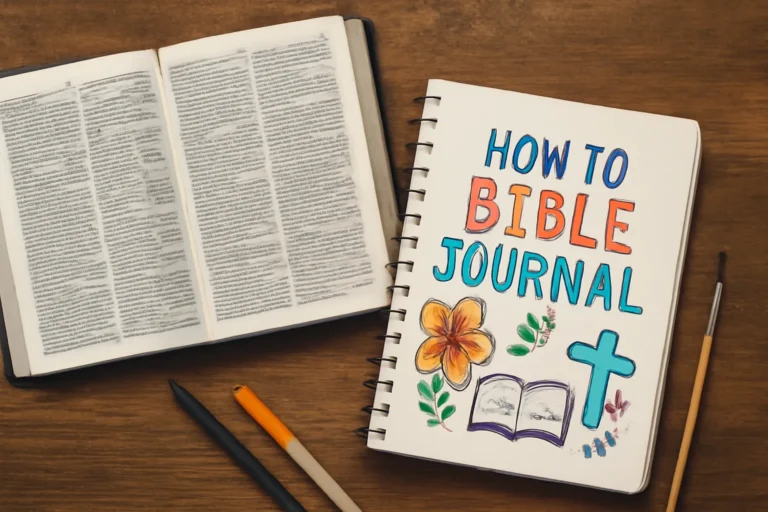
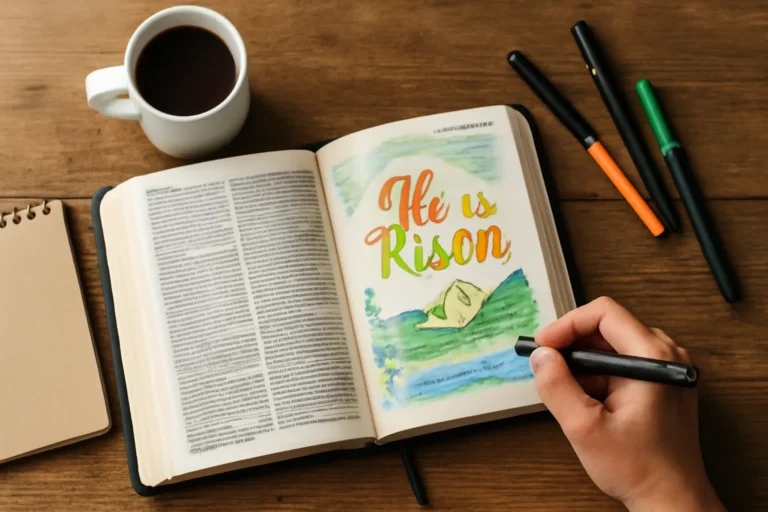
Bible journaling is more than an art project or a simple note-taking habit; it is a deliberate practice of engaging with Scripture in a way that combines devotion, study, and creative expression. When you select the best Bible journaling tools, you are not merely stocking up on colorful supplies or the latest apps—you are shaping a workflow that helps you slow down, read carefully, and record insights in a way that can be revisited, taught, and shared. The right tools can help you dwell deeply on a verse, trace themes across books, and capture moments of prayer, confession, or praise in a format that is both personal and enduring.
In this guide, you will encounter a broad landscape of options, ranging from physical supplies like journaling Bibles and archival pens to digital ecosystems that sync notes, images, and audio. The aim is not to prescribe a single perfect kit, but to help you understand how different tools serve different forms of study—whether you prefer verse maps, inductive study, devotional journaling, or sermon-note capture. You’ll also find practical guidance on how to evaluate tools for durability, readability, and theological alignment, ensuring that your choices support faithful and meaningful engagement with Scripture.
What makes a tool helpful for Bible journaling?
The best Bible journaling tools are those that align with your spiritual goals, your study method, and your artistic temperament. Below are core criteria to consider as you choose the best bible journaling tools for your practice:
Clarity and readability: High-contrast inks, legible fonts, and non-bleed materials ensure that your notes remain legible over time.
Durability and archival quality: If you plan to preserve notes for years or generations, look for acid-free paper, pH-balanced inks, and stable bindings.
Faithful engagement with text: Tools should encourage close reading, cross-referencing, and honest reflection rather than mere decoration.
Versatility: A good kit supports multiple modes—verse mapping, topical study, prayer journaling, and artful lettering—without forcing you to switch systems.
Accessibility and learning curve: Resources should be approachable, with clear instructions for beginners and options for advanced study.
Theological alignment: The tools should harmonize with sound doctrine and help illuminate Scripture rather than distort it.
In choosing the best bible journaling tools, you will often balance physical tactility with digital convenience. A well-rounded practice frequently combines both realms, enabling you to annotate a page by hand and then back up those notes in a digital vault that’s searchable and portable.
Physical tools: The craft side of Bible journaling
The tactile dimension of Bible journaling is often the first draw for many readers. The sensation of turning pages, the feel of a pencil tip on paper, and the visual rhythm of color can deepen meditation. Here we explore the core categories of physical tools that contribute to a sustainable and meaningful journaling habit.
Journaling Bibles and page formats
A journaling Bible is a purpose-built edition designed to accommodate wide margins, ruled lines, or blank space suitable for doodling, notes, or verse art. When you select the best bible journaling tools in this category, consider:
Margin width: Wide margins provide ample space for notes and illustrations without crowding the main text.
Text layout: Single-column, two-column, or interleaved formats influence how you annotate and cross-reference.
Paper quality: Thicker paper reduces bleed-through from markers or paints.
Cover durability: A robust cover protects the pages during daily handling and travel.
Popular options include wide-margin Bibles with archival paper, single-column journaling editions with ruled margins, and compact travel-sized journals for on-the-go reflection. Each format serves a slightly different journaling rhythm: margins for art and notes, or space for brief reflections and cross-references.
Pens, pencils, markers, and inks
The tools for writing and drawing should be chosen with ink quality, dryness, and bleed-through in mind. When you compare the best bible journaling tools, ask these questions:
Is the ink archival and smudge-resistant after handling?
Does the pencil or pen work well on the Bible’s paper texture?
Common choices include fine-tipped micron pens, archival ballpoints, gel pens, and mechanical pencils. For coloring and shading, colored pencils and water-based markers are popular because they tend to be less bleed-prone than alcohol-based markers. If you want more vibrant illustrations, test a small swatch on a scrap page or a test sheet before applying color to a treasured page.
Coloring media: markers, pencils, and paints
The art aspect of Bible journaling often involves color and shading to emphasize themes or to beautify verses. When evaluating top tools for Bible art, consider:
Colored pencils for subtle shading and fine details.
Fine-tipped markers for crisp lines and bold accents while minimizing bleed-through.
Watercolor pencils and light washes for gentle color that can be layered.
Watercolor brushes with water-safe paper to avoid wrinkling.
If you plan to use water media directly in a Bible, test on a scrap sheet or choose a journaling Bible designed to handle light washes. Some artists prefer to work on a separate art pad and then transfer completed elements to the margins, preserving the integrity of the primary text.
Stamps, stickers, and decorative elements
Decorative elements can enhance the visual cadence of your journaling, but they should serve the text rather than obscure it. When you think about choosing the best bible journaling tools in this domain, keep these guidelines in mind:
Use acid-free stickers and stamps to protect pages over time.
Prefer removable or non-residue adhesives if you expect to rearrange or upgrade notes later.
Choose stamps and die-cuts that relate to Scripture themes—e.g., crosses, doves, or thematic icons—so the art remains biblically meaningful.
Decorative elements should be used thoughtfully, with emphasis on readability and theological clarity, not simply on decoration for its own sake.
Digital tools: Enhancing study and memory
Digital tools bring speed, searchability, and cross-device access to Bible journaling. The best digital ecosystems integrate Scripture study software, note-taking, and creative apps in a way that augments your reflection, not distracts from it. Below are core digital categories to consider when you explore the best bible journaling tools for a hybrid practice.
Bible study software and resources
Dedicated Bible study software helps you search languages, access commentaries, and organize notes linked to verses. When evaluating the best tools for Bible study, look for:
Strong concordance and lexicon access for original languages (Greek, Hebrew, Aramaic).
Cross-version comparison and parallel translations to illuminate meaning.
Note linking to automate connections between verses, topics, and themes.
Robust annotation features including highlights, tags, and context notes.
Notable choices in this space include Logos Bible Software and Olive Tree, both of which offer dynamic filtering, robust libraries, and the ability to sync notes across devices. They support various study methods—inductive, topical, historical, and doctrinal—so your digital toolkit can be tailored to your preferred approach.
Note-taking and organization apps
For personal journaling and theological reflection, a structured note-taking environment can be transformative. When comparing digital journaling tools, consider whether the app supports:
Tags, folders, and hierarchies to organize topics (e.g., prayer, forgiveness, mercy).
Rich media support—images, voice memos, and drawings.
Searchability for quick retrieval of insights.
Encryption and privacy options for personal reflections.
Commonly used platforms include Notion, Evernote, and Microsoft OneNote. Each offers different strengths: Notion excels in database-like organization and interlinked notes; Evernote emphasizes quick capture and search; OneNote provides a familiar notebook structure with flexible sections and pages. When you assess the best Bible journaling tools, think about how you want to categorize Scripture with topics, insights, and sermon connections.
Digital notebooks for art journaling and layout
For the art side of digital journaling, apps that support handwriting, sketches, and layered imagery can be especially helpful. Consider tools like GoodNotes or Notability for iPad users, or OneNote with drawing capabilities. When you evaluate the best digital bible journaling tools for art, pay attention to:
Handwriting recognition and stylus compatibility.
Layering, transparency, and the ability to export high-resolution images.
Synchronization with cloud storage to back up your artwork and notes.
These tools are particularly valuable for verse maps and illustrated reflections that accompany a devotional reading, allowing you to preserve the texture of your creative process alongside textual notes.
A consistent theme in best bible journaling tool selection is data durability. Whether you work mainly on paper or digitally, backups help guard against loss and enable sharing with a community. Look for:
Regular backups to a cloud service or local archive.
Version history for digital notes and artwork so you can revisit earlier insights.
Clear privacy and sharing settings for collaborative study or classroom use.
Digital backups complement physical artifacts by ensuring colors, layouts, and annotations remain accessible even if the original page suffers wear or misplacement.
Combining tools for a holistic Bible study and journaling practice
A thriving journaling practice often blends physical and digital tools to leverage the strengths of each. When you integrate the best bible journaling tools, you create a resilient workflow that supports study, reflection, and memory. Here are ways to build synergy:
Start with textual engagement in a journaling Bible or a preferred digital text. Mark key words, phrases, or themes using legible emphasis and color.
Capture observations and questions in a dedicated notebook or digital note, linking them to specific verses and cross-references.
Use artistic elements to highlight ideas you want to remember, such as themes of grace, mercy, or steadfast love.
Back up art and notes in a cloud library, so you can access them across devices and share with a study group.
Workflows for different study styles
Whatever your style, you can tailor workflows to fit. Here are sample approaches:
Verse mapping workflow: read a verse, annotate words with lexical notes, create a map of related verses, and add a small illustration that captures the verse’s key idea.
Inductive study workflow: observe, interpret, apply—record observations in margins, note questions for later study, and add cross-references to commentary notes.
Prayer journaling workflow: write a prayer that corresponds to a verse, include gratitude or petitions, and reflect on God’s character and promises.
Editorial and study tips for long-term usefulness
To ensure longevity and usefulness, consider these editorial practices:
Consistency in color-coding and labeling helps future readers (including you in the future) to navigate ideas quickly.
Clear dating for each entry to trace development in your understanding over time.
Context notes that remind you of historical and linguistic background, so indirect meanings aren’t misinterpreted.
A ready-to-share format for study groups or teaching, such as a printable page or a collaborative digital board.
Choosing the best tools for different goals
Bible journaling embraces a spectrum of goals—from devotional refreshment to rigorous theological reflection. The term best tools can vary by aim, so it helps to articulate your objective before you choose the best bible journaling tools.
Verse mapping and thematic study
When your goal is to trace thematic threads across Scripture, you’ll want tools that facilitate cross-referencing and visual organization. Consider:
Digitally: a tool with hyperlinked cross-references and an index of themes.
Physically: a wide-margin Bible and a set of color-coded pens for mapping themes on margins.
Inductive study and exegetical work
For deeper study, you may prioritize tools that support outlining, original language aids, and commentary access. Look for:
Strong dictionaries and lexicons in digital libraries.
Annotation features that let you tag grammatical insights, structural observations, and theological implications.
Devotional journaling and prayer
If your priority is personal edification and prayer, ergonomic tools and gentle aesthetics matter. Consider:
Low-luminosity interfaces for evening reading; soft color palettes that reduce eye strain.
Devotional prompts and a space for gratitude entries and prayer requests.
Sermon note capturing and group study
For classroom or church study, the ability to share notes and sync with speakers matters. Look for features like:
Exportable handouts, slide-ready summaries, and collaborative notebooks.
Ability to attach audio highlights or quotes from the sermon for later reflection.
Budget, maintenance, and care: sustaining a lifelong practice
Building a reliable Bible journaling practice is not only about choosing the best tools; it’s also about how you sustain them over time. Here are practical considerations to keep you on a steady path.
Affordability and value
You can pursue a meaningful practice without overspending. Consider layered investments:
Begin with a quality but affordable journaling Bible plus a small set of colors and a fine liner pen.
Add a digital backbone gradually—one app or software at a time that genuinely improves your workflow.
Plan for occasional upgrades rather than annual upheaval; a stable core kit often proves more sustainable.
Tools shape how we think and talk about Scripture. When evaluating the best bible journaling tools, it is essential to keep theology, hermeneutics, and pastoral care in view.
Ensuring faithful interpretation
Journaling should illuminate the text rather than impose a personal preference onto it. Practices to safeguard fidelity include:
Cross-check interpretations with reputable commentaries or language resources.
Annotate with context notes about historical setting, genre, and audience.
Avoid confident conclusions without sufficient textual support; reserve some margins for questions and ongoing study.
Balance between art and doctrine
Artistic expression can enrich devotion, but it should never overshadow the message of Scripture. When you choose the best tools for Bible journaling, ensure that decorations, color, and layout reinforce comprehension rather than distract from it.
Privacy and community learning
Some journaling activities involve sharing insights with a group. In such contexts, select tools that offer clear sharing controls and the ability to present notes respectfully, with proper permission and sensitivity toward others’ interpretations.
Getting started: a practical plan to begin today
If you are new to Bible journaling or looking to refresh an aging routine, the following practical plan can help you implement the best tools for your context. It emphasizes accessibility, spiritual focus, and a gentle learning curve.
Is your goal devotional journaling, or is it more academic study that emphasizes textual insight?
Do you prefer physical journaling with margins and art, or a primarily digital notebook with searchable notes?
How important is portability for travel or church events?
Step 2: Start with a minimal, high-quality core kit
Build a starter kit that includes:
A reliable journaling Bible with comfortable margins and legible text.
A small set of archival pens and colored pencils for annotation and art.
One digital note-taking tool that you can grow into (e.g., Notion, OneNote, or a dedicated Bible study app).
Step 3: Create a simple weekly routine
Consistency matters more than complexity. A workable weekly rhythm might look like:
Choose a Scriptural passage for the week and read it in three translations if possible.
Highlight key words, and jot one or two observations in your margins or notes.
Do a small art element (a border, a symbol, or a simple illustration) that captures the theme.
Conclude with a personal reflection or prayer, then save a digital copy of the notes.
Step 4: Review and iterate
Every few weeks, revisit your entries to observe growth, repeated questions, or evolving understanding. Use this review to adjust your tools, perhaps adding a new color system or expanding your digital library.
Conclusion: Embracing a thoughtful, theologically sensitive journaling practice
The journey of Bible journaling is a journey of companionship with the Word. The best Bible journaling tools are not merely about aesthetics or gadgetry; they are instruments that help you encounter Scripture with reverence, depth, and imagination. Whether you lean toward elegant margins, lexical curiosity, or pastoral reflection, the right combination of physical and digital tools can elevate your study while keeping you grounded in faithfulness to the text.
By carefully considering durability, readability, theological alignment, and your personal rhythm, you can assemble a toolkit that grows with you. Remember, the aim is not to collect the most items, but to cultivate a discipline that honors God, edifies your heart, and disciplines your mind. With thoughtful selection, ongoing practice, and a spirit of humility, your Bible journaling can become a life-long companion—an instrument for exegesis, worship, and witness.
If you would like, I can tailor a starter kit list for your specific tradition, translation, or age group, and suggest a phased plan to introduce the best tools for Bible journaling into your daily routine.