We were made for community—a claim that resonates across sacred texts, ancient creeds, and modern churches alike. In the deepest corners of religious life, people discover that belonging is not a luxury but a fundamental design feature of reality. This article explores the rich theological, historical, and practical dimensions of that claim. It invites readers to reflect on how relational life with God and with one another forms the core of faith, worship, mission, and everyday ethics. The journey is not merely about social harmony; it is about aligning heart, mind, and action with a divine intention for human beings to live in shared, life-giving connection.
From the opening pages of the Bible, relationality is braided into creation. God saw that it was not good for the human to be alone, so companionship and community become a theological motif that recurs throughout the narrative. Humanity is formed in a world that invites cooperation, mutual care, and shared responsibility. The image of the Imago Dei—the divine likeness—ceaselessly points to a life that cannot be fully realized in solitary confinement but only within robust, reciprocal relationships. Families, clans, and tribes emerge not merely as social units but as theaters in which God’s purposes unfold. The call to justice, mercy, and hospitality is often grounded in communal life, where strangers are welcomed, the vulnerable are defended, and the marginalized are invited into the feast of fellowship.
Within the Psalter and the wisdom literature, the rhythms of singing, lament, and praise are rarely solo performances. They are communal acts that shape memory and identity. The covenant community is a living organism, shaped by shared rituals, dietary laws, festivals, and liturgical calendars. Even when individuals falter, the community bears witness to a larger story of God’s faithfulness, inviting sinners to reconciliation and restoration.
New Testament Realizations
In the New Testament, community is not an optional add-on but a central locus of discipleship. The church is described as the body of Christ, with Christ as the head and all believers as parts that depend on one another. This image emphasizes interdependence: diverse gifts, callings, and backgrounds united in a shared mission. The apostolic letters repeatedly address how believers should live together—how they forgive one another, bear one another’s burdens, practice hospitality, and steward unity amid diversity. The command to “love one another” is not a private virtue; it is a social ethic that sustains the church’s witness and mission.
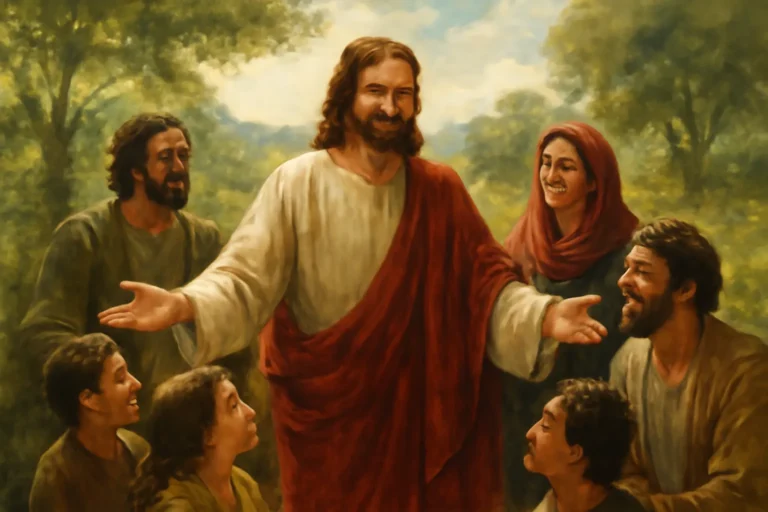
In the gospels, Jesus models a life deeply committed to communal life. He gathers disciples, shares meals with marginalized people, and frames his ministry in the context of a shared journey. The Last Supper, in particular, reinterprets memory and fellowship around a meal that binds the present to a larger redemptive story. The early church, meeting in homes and vulnerable spaces, embodies a countercultural reality in which wealth, status, and power are reinterpreted in the light of grace. The refrain is clear: to follow Jesus is to belong to a community shaped by his life, death, and resurrection.
Theological Perspectives on Community
Creation and Creation Order
The theological claim that human beings are created for relationship rests on the logic of creation. If God is relational by nature—the Father, Son, and Spirit in eternal communion—then the creatures fashioned in that image are designed for reciprocity and mutual belonging. The ordained social architecture—man and woman, family units, households, local congregations—becomes a training ground for love, justice, and stewardship. The purpose of community is not merely social harmony but the formation of character, the deepening of wisdom, and the dissemination of mercy in the world. In this sense, we were made for community is not a mere sentiment but a theological anthropology grounded in divine intention.
Christology and Ecclesiology
Christ’s incarnation reframes community around the discovery that God’s saving work happens within a relational reality. The Incarnate Word enters history as a human being who binds heaven and earth in a single story of reconciliation. The church, as the body of Christ, becomes the visible sign of that mystery in the present age. Ecclesiology—the study of the church—thus reads like a manual for relational life. The people of God are not a collection of individuals but a living organism whose memory, worship, and mission are interwoven. The gathered people become the primary instrument through which God shapes society, challenges injustice, and proclaims good news to the poor.
Historical Walk: From Covenant to Church
Patristic and Medieval Voices
Throughout the patristic period, church fathers emphasized fellowship in the Spirit as essential to sound doctrine and virtuous living. The early church’s focus on koinonia—shared life—was not a peripheral concern but a core safeguard against individualism and heresy. In the medieval era, communities of monasteries and urban parishes became laboratories of prayer, learning, and service. The rhythm of daily offices, liturgical calendars, and communal works of mercy expressed a conviction that the Christian life unfolds within a community-shaped pattern.
Reformation and Post-Reformation Reflections
As reformers reexamined authority, Scripture, and worship, they also wrestled with the social responsibilities tied to faith. The reform movements often placed a strong emphasis on corporate worship, congregational governance, and mutual accountability within churches. The idea that a faithful community bears witness to God’s justice in the world remained a unifying thread. Across centuries, theologians have underscored that belonging to a local church is not merely a private preference but a public commitment that shapes conscience, civic life, and daily routines.
Practical Dimensions: Living as a Community
What It Means to Belong
Mutual care as the default posture: listening, carrying burdens, and sharing resources.
Hospitality as a spiritual discipline: opening tables, homes, and minds to strangers and friends alike.
Accountability within a pastoral, loving framework: guiding one another toward truth and growth without domination or coercion.
Worship together as a shared formation: singing, praying, confessing, and receiving sacraments in common.
Mission in common: pooling gifts for outreach, justice, and mercy in the community and beyond.
Building Healthy Communities
Healthy religious communities cultivate practices that sustain lasting belonging and resist the centrifugal forces of modern life. They implement clear boundaries, transparent leadership, and inclusive ministries that welcome people at different stages of faith. A thriving community prioritizes grace over perfection, recognizing that imperfection is part of the human condition yet not an excuse to abandon one another. The aim is not a flawless institution but a living organism that grows through feedback, shared stories, and a common baptism into a larger story.
Ethical Imperatives of Community
Justice, Mercy, and Hospitality
True belonging cannot exclude the vulnerable. The ethical vision of a community shaped by faith includes a robust commitment to justice, mercy, and hospitality. When communities embody mercy, they challenge systems that dehumanize neighbors, advocate for the marginalized, and cultivate structures where all persons can thrive. Hospitality becomes a mode of mission, transforming strangers into family and creating bridges across differences of class, race, and culture. The practice of hospitality often reveals the gospel’s universality—that the divine invitation extends to all corners of creation.
Truth and Unity
Doctrine and discernment matter because they protect the integrity of the community’s witness. Yet truth-telling must be tempered by gentleness and humility so that unity is not sacrificed on the altar of conformity. A wise community receives critique as a gift, learns from it, and embodies reconciliation as a daily practice. The ethical call is to maintain a faithful witness while cultivating an atmosphere in which people can ask questions, doubt, and grow together without fear of shaming or exclusion.
Challenges and Hope in a Fragmented Age
Modern life presents unique pressures on the idea of communal life. Digital connectivity can either corrode face-to-face trust or, when harnessed wisely, deepen it. Geographic mobility fragments long-standing church communities, while social media can distort needs into performance and popularity. Yet the very crisis of fragmentation offers an opportunity: to reimagine community as resilient, adaptable, and gospel-centered.
Some of the most pressing tensions include:
Balancing with cherished traditions.
Nurturing diversity while preserving shared identity.
Maintaining accountability in hierarchical and non-hierarchical settings alike.
Engaging in civic responsibility without co-optation by political power.
Integrating technology in worship, community life, and mission in ways that honor personhood.
In the midst of these challenges, the enduring claim remains: we were made for community to reflect God’s triune nature, to cultivate truth and love, and to participate in a mission larger than any single individual. The hope is not naïve optimism but practical resilience grounded in liturgical practice, shared scripture, and mutual care.
Spiritual Disciplines and Corporate Life
Prayer as a Shared Habit
Corporate prayer binds a community to God and to one another. The discipline of praying together frames daily life around dependence on divine grace. Prayer meetings, intercession for the vulnerable, and times of contemplative silence create an emotional and spiritual ecosystem in which trust can deepen. When a community learns to pray as a team, it discovers that God’s presence is not a private blessing but a shared reality that sustains the group through trials and celebrations alike.
Scripture Reading in Common
Regular communal reading of sacred texts fosters a shared vocabulary, memory, and expectation. The practice helps prevent theological isolation and builds a common narrative through which people interpret personal experiences. A robust approach to communal Scripture invites diverse voices to contribute, ensuring that interpretive frameworks remain faithful to the text while being tested by lived reality.
Sacraments and Shared Memory
Sacramental life anchors a community in tangible signs of grace. Baptism and the Lord’s Supper declare loss and renewal in a way that unites life, memory, and hope. Participating together in these rites reinforces the conviction that salvation is a communal gift rather than merely an individual experience. In many traditions, the table becomes a table of belonging where we belong together in the body of Christ, nourished by grace and sent on mission.
Interfaith and Ecumenical Reflections
Even within a pluralistic world, the intuition that belonging is sacred resonates across religious boundaries. Ecumenical and interfaith conversations remind communities that the longing for connection is not exclusive to one tradition. From shared acts of service to joint statements on justice, meaningful cooperation emerges when interlocutors acknowledge the dignity of every person and pursue common goods. At the same time, distinctives remain important: faith communities preserve core beliefs, practices, and identities even as they engage in dialogue and collaboration with others. The invitation is to pursue humble engagement that honors both unity in essential matters and charity in non-essentials.
Technology, Social Media, and Modern Community
Technology has transformed how we form and sustain communities. Online forums, livestreamed worship, and digital small groups can extend belonging beyond geographic constraints. However, virtual spaces require careful stewardship to avoid superficial connections or echo chambers. A trustworthy approach emphasizes intentional discipleship, clear boundaries, and intentional in-person gatherings to deepen trust. The goal is to cultivate authentic relationships—relationships that invite curiosity, accountability, and growth—whether in a coffeehouse, a classroom, or a chat room.
Education and Formation: The Community as Teacher
Catechesis and Lifelong Learning
A learning community reinforces the conviction that we learn together. Catechetical programs help new believers understand the story, ethics, and worship of faith communities. Beyond formal instruction, daily discipleship involves mentoring, peer discussion, and shared study of sacred texts. The goal is not mere information but a curriculum of formation that shapes character, attitudes, and habits toward love, justice, and mercy.
Ethics, Justice, and Public Life
The educational mission of a faith community often extends into the public square. When communities teach about justice and mercy, they equip members to advocate for the poor, resist corruption, and promote peace. Theological education becomes a practical task: how to translate gospel conviction into policies, care for neighbors, and leadership that models humility and service. In this light, we are made for community becomes also a call to public virtue—an invitation to influence civic life with ethical integrity derived from faith commitments.
Liturgical Imagination: Worship as the Center of Community Life
Worship binds memory and longing into a shared act. The aesthetics of worship—the music, the prayers, the architecture, the sermon—shape how a community experiences God and one another. When worship is truly communal, it becomes a living catechism, teaching participants what it means to be human in relation to the divine and to their neighbors. The liturgy becomes a script for living: it discerns needs, confesses wrongs, celebrates grace, and projects hope into the week ahead. In this rhythm, the refrain we were made for community is rehearsed in repeated acts of praise, thanksgiving, confession, and intercession.
Care, Leadership, and Governance in the Community
Shared Leadership and Accountability
Healthy communities practice leadership that is accountable, transparent, and inclusive. Shared governance distributes responsibility across a range of gifts and callings, reducing the risk of burnout and enabling diverse leadership styles to flourish. Accountability, when done with love, becomes a gift that protects the community’s mission and safeguards its members. It also models a humility that recognizes leadership as service rather than domination. In such environments, collective wisdom often surpasses isolated expertise, allowing the community to discern difficult questions with grace and clarity.
Pastoral Care and Social Life
Pastoral care is not a solitary endeavor; it is a communal discipline. When a church or faith community practices intentional care—visitations, meals, crisis response, and counseling—believers experience the tangible presence of God through one another. This is where theology becomes a living practice: the creed informs compassion; doctrine becomes comfort; and belonging becomes a source of strength in times of trial. The phrase we belong to one another becomes a lived reality that sustains hope when storms arise.
Conclusion: The Ongoing Journey
From Scripture to church life, from ancient councils to contemporary service projects, the conviction remains clear: we were made for community. This is not a peripheral insight but a central claim about what it means to be human and to be faithful. The journey toward deeper belonging requires intention, humility, and courage—an ongoing practice of listening to God and listening to one another. It calls communities to be patient as they welcome the outsider, brave as they confront injustice, and generous as they share burdens. It invites each person to contribute a unique gift to a larger story that is bigger than any single voice.
In practical terms, the call may look like this: form small groups that meet regularly for prayer and study; establish service ministries that respond to local needs; cultivate hospitality as a daily discipline rather than a quarterly event; foster leadership models that are transparent and participatory; and nurture a culture of grace that forgives, restores, and invites growth. If the church is a living organism, then we are its animating cells—each one contributing to a chorus of witness and love that can transform families, neighborhoods, and communities of faith around the world.
Ultimately, the declaration we were made for community is a lifelong invitation to participate in a divine project of reconciliation and restoration. It is an invitation to become a people who learn to love one another with the intensity of shared history and the hope of shared destiny. It is an invitation to imagine, build, and sustain communities where the poor are fed, the weak are protected, the truth is pursued with gentleness, and every person knows a place to belong. In this way, the churches that embody this conviction do not merely survive in a changing world; they become signs of the living God, a visible testament to the power of belonging, and a beacon of hope for all who long for true connection.