
Introduction: Defining the Kingdom of God
The phrase the Kingdom of God (also rendered as the reign of God, God’s rule, or the realm of the divine) stands at the center of Christian thought and, more broadly, within a theological vocabulary that seeks to describe how the holy and the transcendent intersect with human history. It is not merely a historical label for a distant era or a future political project; it is a dynamic reality that believers are called to recognize, participate in, and embody. Across biblical literature, theological reflection, and liturgical practice, the concept functions on multiple levels: as a mysterious present reality, as a future consummation, and as a transformative impetus that shapes ethics, worship, and community life.
This article surveys the idea of the kingdom of God from its Old Testament roots through the teachings of Jesus, down into the living memory and ongoing interpretation of churches and scholars. We will explore what it means to ask what is the kingdom of God?, how the ancient strands of Jewish and Christian thought broaden the horizon of divine sovereignty, and how believers today discern the signs of the reign of God in personal holiness, social justice, and communal mission. Throughout, we will attend to the tension between present experience and future hope that marks the language of the kingdom, and we will consider how this tension shapes spiritual formation and public witness.
Historical and Theological Origins
The concept of a sovereign God who rules over creation has a long and layered history. In the Hebrew Bible, the emphasis is often on God as King who acts within history to redeem, judge, and renew. In Christian thought, the same linguistic family expands to include the life, death, and resurrection of Jesus, through whom the reign of God is disclosed in a new and surprising light. To speak of the kingdom of God is to speak of God’s governance—how God makes decisions about judgment and mercy, how God calls humanity into relationship, and how God redefines political and social order in light of divine justice.
Old Testament Roots: The Reign of the Lord
In the Hebrew Bible, the idea of God’s sovereignty is often implicit in the language of covenant and kingship. The Psalms celebrate God as ruler over creation: “The Lord is king; let the nations tremble” (Psalm 99:1). The prophetic literature speaks of God’s kingship as a standard by which justice is measured and a horizon toward which history moves. Malchut YHWH (the kingdom or sovereignty of the Lord) is not merely a title; it is an ethical order in which the poor are cared for, the oppressor is confronted, and the land itself bears witness to divine faithfulness. Even where political power is unstable, the theological intuition remains: God’s rule transcends human empire and calls for fidelity that aligns society with divine ideals.
Second Temple Jewish Expectation
In the period between the Testaments, Jewish readers encountered expectations of a coming kingdom in which God would restore Israel’s fortunes and address universal injustice. This eschatological horizon did not always map cleanly onto political programs; rather, it offered a framework for hope amid oppression and a critique of systems that betrayed the covenant. Terms such as the kingdom of heaven and the reign of God circulated as ways to describe a cosmic restoration—where God’s sovereignty breaks into history to heal, judge, and renew creation.
The Christian movement inherited this language but reinterpreted it through the lens of Jesus’ life and word. The rabbinic and prophetic textures of the kingdom were not discarded; they were deepened. The kingdom became not only a future event but also a present invitation to participate in God’s rule through repentance, faith, and service. The transformation from mere expectation to a hearing in Jesus’ preaching marks a turning point in the story of the kingdom.
New Testament Revelation: Jesus and the Kingdom
The centrality of the kingdom of God in the Gospels reflects a conviction that Jesus, in his person and mission, reveals what God intends for the world. The kingdom is not a distant throne to be observed from afar; it is a present, active reign that breaks into human life through proclamation, healing, forgiveness, and disruption of old orders. Yet the NT also points to a future fulfillment, when God’s rule will be perfectly established. This dual dimension—present reality and future consummation—gives the kingdom its characteristic tension.
Parables as Windows into the Kingdom
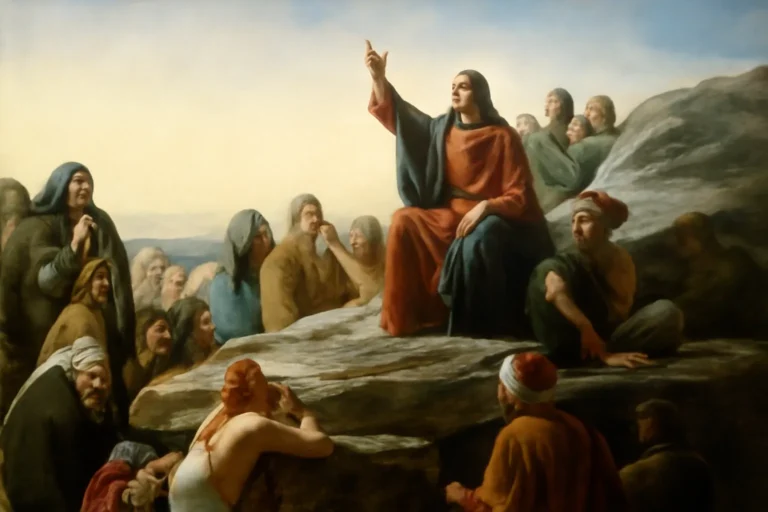
Jesus often teaches about the kingdom through parables—short, memorable stories that illuminate the logic of God’s reign in everyday life. Consider the mustard seed, the yeast, the treasure in a field, or the pearl of great value. Each parable suggests that the kingdom grows in ways that may be hidden, incremental, and costly to those who seek its fullness. The underlying message is not simply that the kingdom is coming someday, but that its presence redefines what counts as wealth, value, and power in the present age.
The Kingdom as Present and Future Tension
A recurring motif in the Gospel of Luke, for instance, is the already/not yet paradox. Jesus proclaims the kingdom as near or here in his own ministry, yet he also points beyond to an eschatological culmination. The kingdom is a gift that has begun but has not yet achieved its final form. This means that disciples live in hopeful obedience: participate in the reign by acting justly, show mercy, and embrace the vulnerable, while awaiting the day when God’s rule will be universally recognized and fully realized.
The Gospel of Matthew emphasizes a related distinction through the phrase the kingdom of heaven—a term that signals both a present spiritual reality and a future, climactic reign. In Jesus’ proclamation, entry into the kingdom depends on repentance and trust, and the community gathered around Jesus embodies the values of the kingdom in ritual, mission, and shared life.
Theological Dimensions: What the Reign of God Means for Belief and Practice
To say the kingdom of God is to name a comprehensive framework in which God’s sovereignty governs all of life. The theological significance of this phrase extends beyond doctrinal articulation to shape how believers interpret salvation, cosmic history, and human flourishing. Several interlocking dimensions define the reign of God in Christian thought: sovereignty, grace, justice, mercy, and the ethical transformation of persons and communities.
Relationship to Salvation History
The kingdom of God is best understood within the larger arc of salvation history. It is not a standalone program but the culmination of God’s redemptive acts—from creation to covenant to the coming of Christ and the sending of the Spirit. In this sense, the reign of God is the framework by which salvation history makes sense: God acts to restore right relationship, heal brokenness, and reconstitute human society around the core commandments to love God and neighbor.
The grace that inaugurates the kingdom is not reduced to a private experience alone. It manifests publicly as transformation of character, renewal of communities, and a new pattern of living that reflects divine purposes. Believers are invited to participate in that renewal by aligning personal desires with God’s will and by entering into a fellowship that models justice and peace.
Grace, Faith, and the Administration of the Kingdom
The reign of God operates through grace—undeserved favor that invites a response of faith, repentance, and trust. Faith undergirded by love becomes the practical engine by which individuals and communities cooperate with God’s rule. The Kingdom does not rely on coercive power but on persuasion through the Holy Spirit, the witness of transformed lives, and the powerful witness of compassion. The administration of the kingdom, in this sense, is ecclesial: the church serves as a sign, instrument, and foretaste of the divine rule, calling people to live under God’s sovereignty in every sphere of existence.
Ethical and Social Implications
The concept of the kingdom of God immediately engages questions of justice, mercy, and social order. If God truly rules, then human institutions and social arrangements must be oriented toward the flourishing of all people—especially the vulnerable, marginalized, and poor. The kingdom ethic, therefore, has concrete implications for how communities organize themselves, how wealth and power are distributed, and how conflict is resolved.
Justice, Mercy, and Peacemaking
A hallmark of the kingdom is its dedication to justice that is tempered by mercy. The reign of God confronts systems that entrench inequality while offering pathways toward reconciliation and reconciliation. Peacemaking becomes not only a personal virtue but a social project—reconciliation across communities, healing of the wounded, and a commitment to nonviolence and mutual flourishing.
Hospitality,care for the Poor, and Social Renewal
The kingdom invites a radical reordering of priorities. Hospitality to strangers, care for the widow and the orphan, and attention to ecological stewardship reflect the geometry of the Kingdom’s values. In practical terms, this translates into charitable programs, advocacy for just policies, and the cultivation of communities where people are valued not for status or wealth but for their inherent worth before God.
Practices in the Life of Faith Communities
Belief about the kingdom of God becomes visible through worship, teaching, and mission. The church’s life is configured to reflect the reign of God by embodying its priorities in ritual practice, ethical formation, and public service. The following notes outline several ways this kingdom-oriented life is formed and sustained.
Worship as a Declaration of God’s Rule
Liturgy and prayer situate believers within the reality that God is sovereign. Prayers such as the Lord’s Prayer, with its line “thy kingdom come, thy will be done on earth as it is in heaven”, express a commitment to align human vocation with divine purposes. Worship thus becomes an orientation toward God’s reign, reinforcing a worldview in which God’s sovereignty shapes time, history, and daily decisions.
Discipleship and Ethical Formation
Discipleship includes instruction in the ethics of the kingdom: love for enemies, generosity, humility, and the pursuit of truth and justice. The kingdom ethos asks believers to become apprentices of Jesus in both belief and behavior, cultivating virtues that reflect divine character and enabling the transmission of faith to future generations.
Mission, Evangelism, and Social Engagement
The Good News of the kingdom presses outward in proclamation and service. Mission is not merely evangelism in the narrow sense; it is a holistic invitation to participate in God’s reign by addressing human need, promoting human flourishing, and challenging injustices that hinder the reign of God from taking root in particular places and times.
- Teachings of Jesus provide a practical map for ethical action within the world.
- Communal worship creates a countercultural space where grace and mercy are experienced and shared.
- Service and justice translate beliefs into acts that visibly demonstrate the kingdom’s values.
Kingdom Realities Across Traditions and Dialogues
While the phrase the kingdom of God emerges from a distinctly Christian tradition, its themes resonate across religious landscapes. Dialogues about divine sovereignty, justice, and communal flourishing invite comparative reflection without reducing the depth of particular doctrines. The aim here is not to flatten differences but to illuminate shared longings for a more humane and just world, and to acknowledge legitimate divergences in theological understanding.
Interfaith Reflections on Divine Sovereignty
In various faith communities, the sovereignty of God is expressed through prayer, law, and ethical action. The language of kingship may appear in differing forms—visions of God as Creator and Ruler, or the idea of a just ruler who calls people to righteousness. A respectful comparison highlights both common moral aims and distinct metaphysical commitments. In this section, the goal is to cultivate mutual understanding and to encourage cooperative engagement in works of mercy and social renewal.
Variations in Terminology and Emphasis
The expression the kingdom of God has synonyms and near-synonyms that highlight different facets of the same reality: the reign of God, the rule of heaven, the divine kingship, the realm of the divine, and God’s sovereignty. Each formulation emphasizes a slightly different emphasis—whether on sovereignty, justice, treasure, or obedience—yet all converge on the conviction that God’s governance shapes reality and calls humans to respond with faith and action.
Contemporary Interpretations: The Kingdom in Modern Life
Contemporary theologians and pastors explore how the reign of God appears in modern life, including political discourse, social movements, and personal spirituality. The aim is not to domesticate mystery but to translate the ancient truth into the language and practice of today’s communities. In a pluralistic age, the kingdom of God offers a framework for humility, courage, and constructive engagement with public life.
Social Justice, Public Witness, and Community Integrity
The reign of God is not privatized into personal piety alone. It is a robust invitation to engage issues such as poverty, discrimination, and access to education, healthcare, and opportunity. Churches and faith-based organizations increasingly articulate a public witness born of kingdom convictions—advocating for policies that lift the vulnerable, promote equity, and protect human dignity.
Personal Spiritual Formation: holiness and Hope
On a personal level, believers are invited to cultivate virtues that reflect the kingly virtue of God: love, mercy, justice, patience, and integrity. Spiritual disciplines—prayer, study of the Scriptures, confession, and acts of service—are practical means by which individuals participate in the ongoing formation of the kingdom in their own lives and in the life of the church.
Conclusion: The Reign of God Here and Now
The question “What is the kingdom of God?” invites a living response rather than a theological scavenger hunt for a precise definition. The kingdom is both a revelation of God’s sovereignty and an invitation to participate in God’s purposes. It is present in moments of grace and mercy, in acts of justice and reconciliation, and in communities that exhibit courageous hope under the sovereignty of God. The kingdom is not merely a future hope to be awaited; it is a present reality to be discerned and a task to be undertaken.
In a world marked by conflict, poverty, and fragmentation, the reign of God calls believers to live as signs of what could be: a humanity ruled by love, truth, and mercy; a creation cared for with stewardship and humility; a society where power is exercised for the common good rather than for domination. In this sense, the kingdom of God is both a theological assertion and a practical program—one that invites, challenges, and sustains those who live under the rule of the living God.
As you reflect on the kingdom of God, consider how its various strands illuminate your own faith journey: its biblical roots, its life in Jesus’ teaching, its ethical implications for today, and its transformative potential for communities and institutions. May this exploration foster a deeper awareness of God’s rule and a more faithful participation in the ongoing work of the kingdom in the world.