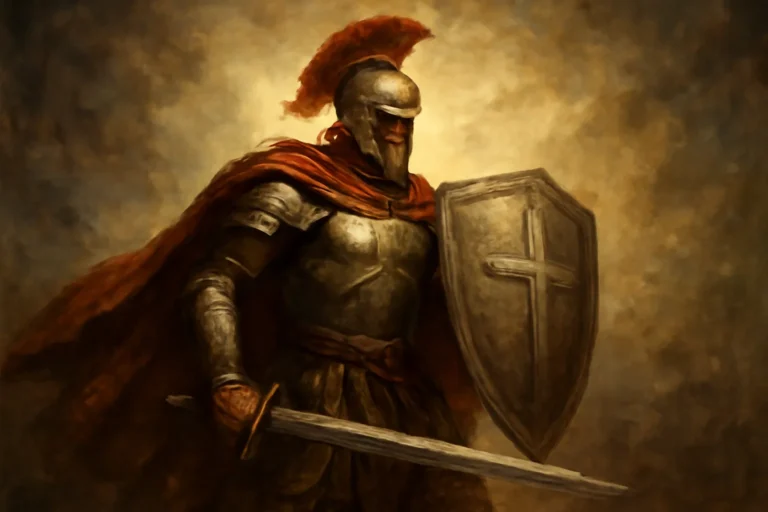
The Full Armor of God is a rich biblical image that calls believers to readiness, discernment, and steadfast faith in the face of opposition. This article offers a comprehensive, theologically grounded exploration of what it means to be equipped for spiritual warfare, not as a sensational or magical doctrine, but as a disciplined way of living in alignment with God’s truth. By examining the biblical text, historical interpretation, and practical application, we will explore how to put on the full armor of God, how to prepare for spiritual warfare, and how to cultivate a resilient faith that sustains believers through trials, temptations, and moral challenges. Throughout, we will emphasize the spiritual, doctrinal, and pastoral dimensions of this sacred metaphor, and we will discuss how a community can grow in unity, courage, and holiness as they walk in the path of Christ.
The Biblical Foundation: Ephesians 6 and the Call to Readiness
The clearest scriptural source for the imagery of the armor of God is Paul’s exhortation to the church in Ephesians 6:10–18. In this passage, the apostle invites believers to stand firm in the strength of the Lord and to clothe themselves with a divine equipment list. The exhortation begins with a call to strength, but it ends with a lifestyle modifier: prayer. The spiritual warfare framework is not merely about defense; it is about living in trust, truth, righteousness, peace, faith, salvation, the Spirit-empowered sword, and dependent prayer. The text reads as a pastoral, catechetical message designed to shape character as well as behavior. This is not a license for sensational conflict but a formation into steadfast faith and godly living in a fallen world.
In this section, we will explore the biblical motive and theological logic behind the armor, clarifying what each piece signifies and how it functions within a life of discipleship. The armor, then, becomes a devotional framework as well as a martial metaphor—a way to interpret daily choices, moral trials, and spiritual experiences through the lens of divine enablement.
The Whole and Its Parts: An Overview of the Armor of God
To understand how to prepare for spiritual warfare, one must first become acquainted with the parts of the armor and their interrelationships. The list includes: the belt of truth, the breastplate of righteousness, shoes that spread the gospel of peace, the shield of faith, the helmet of salvation, and the sword of the Spirit, which is the word of God. Additionally, prayer is described as essential to the ensemble, functioning as the enabling force that makes every other piece effective. The following subsections provide a close look at each element, followed by practical reflections on how to embody them in daily life.
The Belt of Truth (Girding with Truth)
The belt is not merely a symbolic accessory; it is the anchor for the entire ensemble. In biblical times, a belt held garments in place and secured other pieces of armor. Spiritually, the belt signifies reliance on divine truth, identity in Christ, and a life anchored in integrity. The call to wear the belt of truth invites believers to be uncompromising about honesty, doctrinal fidelity, and the reality of God’s revelation. When truth is worn close to the core, it steadies the heart against deception and vain imagination.
Truth as posture: living with transparency before God and community.
Truth as content: aligning beliefs with Scripture and the historic faith.
Truth as motive: resisting rationalizations that excuse sin or compromise.
The Breastplate of Righteousness (Protecting the Heart)
The breastplate guards vital life and moral integrity. Theologically, it represents a righteousness that is received from God through faith and enacted in daily conduct. The righteous life is not a self-generated virtue but a response to God’s grace, a protection against the distortions of fear, guilt, and shame, and a witness to the world. The breastplate protects the heart where desires and motives reside, guarding against corruption by temptation and the corrosive effects of sin.
Justification by faith as the foundation of righteousness.
Sanctification as ongoing conformity to Christ.
Repentance and renewal as daily habits that maintain the heart’s integrity.
The Shoes of the Gospel of Peace (Preparedness to Spread the Message)
Footwear enabled soldiers to move quickly and traverse varied terrain. Spiritually, the gospel of peace gives believers a mobilized, hopeful stance—ready to bring reconciliation with God to a broken world. The shoes symbolize readiness for mission, a courageous proclamation of peace through Christ, and a steady footing in trials because the gospel provides a steady foundation and a path through conflict toward wholeness.
Peace with God through faith in Christ.
Peace within the community as reconciliation and forgiveness.
Peace in mission: the readiness to share Christ in word and deed.
The Shield of Faith (Defensive Trust in God’s Promises)
The shield is a practical defense, covering the believer against fiery darts of doubt, fear, and accusation. The shield of faith is trust that God is who He says He is, that Christ has accomplished salvation, and that the Spirit empowers and sustains. The shield is not passive; it is lifted in response to temptation, enabling a believer to stand firm rather than collapse under pressure.
Faith as trust in God’s character and promises.
Faith as a posture against despair and disillusionment.
Faith as perseverance through testing and opposition.
The Helmet of Salvation (Guarding the Mind and Hope)
The helmet protects the head—the center of identity, reason, and decision. The helmet of salvation points to the certainty of God’s redemptive plan and the hope of eternal life. It disciplines thoughts, fuels perseverance, and anchors the believer against despair, despair, and existential doubt. Salvation here is both a present reality and a future hope, shaping how one thinks, chooses, and acts in the world.
Assurance of God’s saving work in Christ.
Hope that sustains heart and mind in adversity.
Discernment strengthened by a saved perspective on life’s trials.
The Sword of the Spirit (The Word of God) and the Role of Scripture
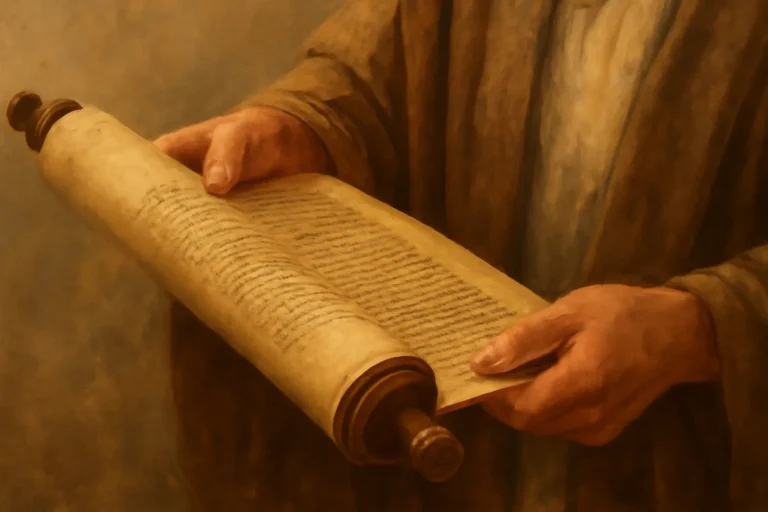
The sword is the only offensive weapon listed, signaling that biblical truth has the power to confront, transform, and pierce. The sword of the Spirit is not merely knowledge about the Bible but the Spirit-empowered, Spirit-guided application of Scripture in real-life situations. This weapon requires prayerful study, meditation, and wisdom to wield rightly so that it edifies, corrects, and builds up the body of Christ without becoming a weapon used for coercion or manipulation.
Scripture interpreted in the power of the Spirit.
Wisdom to apply verses in context and in love.
A discerning heart to avoid mis interpretation or misuse.
Prayer as the Essential Power Behind the Armor
Beyond the individual pieces, prayer is described as an essential practice—part of the armor’s functioning. It is through prayer that believers remain dependent on God, receive discernment, and invoke divine strength in moments of testing. Prayer binds together all other armor pieces, enabling believers to stand, advance, and persevere. In short, prayer is the hinge on which the entire armor turns from theory to practice.
Petitions for strength and wisdom.
Thanks and worship as means of relying on God rather than self.
Intercession for others as a part of spiritual warfare that extends beyond self-protection.
Historical and Theological Perspectives on Warfare and Armor
Throughout church history, theologians have reflected on what it means to engage in spiritual warfare and how to interpret the armor of God in a way that is faithful to Scripture and relevant to the church’s mission. Early church fathers emphasized the need for virtue and moral courage, while medieval and Reformation-era thinkers underscored the primacy of Christ’s victory, the danger of spiritual pride, and the necessity of humility in battle against sin. In modern theology, scholars often frame spiritual warfare as a combination of personal sanctification and public witness—a robust, integrated approach that refuses to reduce conflict to a purely metaphysical fantasy or a purely political struggle. The armor of God, then, functions as a spiritual technology for practical Christian living in a complex world.
Key themes across traditions include the following:
The armor as a symbol of God’s faithfulness rather than human force.
The tension between divine sovereignty and human responsibility in spiritual discipline.
The primacy of love, justice, and mercy as the tests of genuine spiritual readiness.
Equipping oneself for spiritual warfare is not a one-time event but a habitual practice that shapes the rhythm of life. The following sections outline concrete ways to put on the full armor of God in daily routines, family life, and communal worship. These practices help believers stay alert, resist temptation, and walk in a manner worthy of the gospel.
A daily rhythm of prayer and Scripture can anchor the soul and prepare the heart for the day’s challenges. The morning routine might involve a brief confession, a reading plan, a therapeutic practice of gratitude, and a moment to request divine protection and guidance. The evening rhythm can be a review of the day’s choices, repentance where needed, and a reminder of God’s faithfulness. In these rhythmical acts, the armor is animated through consistent, humble dependence on God.
Opening prayer: “Clothe me with the belt of truth, the breastplate of righteousness, the shoes of the gospel of peace.”
Scripture meditation: passages that reinforce identity in Christ and the victory of Christ over sin and death.
Testimony practice: recounting how God has helped you endure temptations and trials.
Within families and faith communities, the armor can be fostered through shared disciplines. Accountability partnerships, group prayers, and devotional materials help believers stay focused on the divine armor’s aims. A community that practices the armor together demonstrates that spiritual warfare is not solitary but a corporate undertaking—a testimony of the unity of the body in Christ.
Family devotionals centered on each armor piece.
Accountability partners who encourage truthfulness and growth.
Corporate worship that emphasizes confession, repentance, and mutual support.
To cultivate robust readiness for spiritual warfare, the following disciplines are especially helpful. They are not merely devotional acts but character-forming practices that shape one’s response to temptation, fear, and moral compromise.
Bible engagement: steady, guided study of Scripture, with an emphasis on understanding context and applying truth.
Confession and repentance: owning sin and seeking mercy, which strengthens the shield and protects the heart.
Worship and gratitude: cultivating a posture of dependence on God rather than self-reliance.
Fasting and self-denial: training the will to choose spiritual priorities over immediate gratification.
Service and mercy: extending the gospel to the vulnerable as a defense against self-centered fear.
While the armor of God has a personal dimension, it is most fully realized within the life of the church. The church is not merely a coalition of individuals who happen to share a faith; it is a community that bears one another’s burdens, speaks truth in love, and strengthens each other for the trials that come from living in a fallen world. In this light, spiritual warfare is often a communal enterprise—praying for leaders, interceding for the marginalized, and confronting false teaching that erodes the trust in God’s truth. The armor, then, becomes a shared language and practice that unites believers in perseverance and mission.
Pastoral leadership that models steadfast dependence on Christ.
Teachings that connect the armor with everyday decisions and social ethics.
Mutual care that protects vulnerable believers from spiritual fatigue and deception.
In discussions about spiritual warfare, several misunderstandings can hinder growth and distort the doctrine. A faithful reading of the armor of God must avoid sensationalism, superstition, or a purely cosmic struggle detached from ethical living. Common missteps include the idea that spiritual warfare is primarily about demon-chasing, that it negates ordinary life’s problems, or that it reduces the experience of faith to fear-based protectionism. A balanced approach maintains that spiritual warfare is about alignments of the heart and life—truth governing desire, righteousness shaping choices, and faith fueling courageous obedience—grounded in the gospel and expressed in community. The armor of God should lead to Christlike character, not magical outcomes or exclusive focus on personal victory.
The call to preparedness for spiritual conflict has a distinctive resonance across generations. Young believers often face questions about identity, peer pressure, and moral boundaries, while older believers bring wisdom, endurance, and a matured understanding of spiritual warfare’s long arc. An effective Christian life equips all ages with the same core armor—truth, righteousness, gospel proclamation, faith, salvation, the Spirit’s word, and prayer—yet the ways these items are exercised may differ by age, culture, and context. A family that models intergenerational prayer, Scripture memory, and shared confession builds resilience that endures across seasons of life.
Youth: training ground for discernment, courage, and compassionate witness.
Families: shared routines that reinforce truth and love in daily life.
Seniors: intercessory leadership, wisdom in choosing battles, and mentorship for younger generations.
Beyond the practical tips, the armor of God carries deep theological implications. It reveals that believers are not self-sufficient conquerors but dependent disciples who rely on God’s grace, power, and wisdom. The armor showcases a robust Christology—the belief that Christ is the one who achieved victory and now equips his followers to live in light of that victory. It also underscores soteriology, the study of salvation, as a practical, ongoing transformation rather than a one-time event. Finally, it presses upon ecclesiology—the life of the church—as a gospel-centered community where truth is safeguarded, righteousness practiced, and prayer ascended as a fragrant offering to God.
Christ-centered victory: the Armor of God is anchored in Christ’s triumph over sin and death.
Grace-filled discipline: human effort is transformed by divine enablement, not by human merit.
Community-shaped virtue: the armor functions best when believers encourage, correct, and build one another up.
Two enduring questions help readers avoid extremes: What does it mean for a believer to be equipped for spiritual warfare without becoming triumphalistic or fatalistic? How can a faithful church resist both worldly cynicism and naive mysticism in its approach to spiritual conflict? The answers lie in a biblically grounded prudence: recognize that the struggle is real but not ultimate; trust in the Spirit’s power while embracing responsible, holy living; and remember that victory is ultimately rooted in Christ’s redemptive work and the ongoing practice of grace in a community of faith. In this sense, the full armor of God is less about winning a battle and more about becoming the kind of people who testify to the gospel truth in a hostile world while maintaining hope for God’s coming kingdom.
When believers tire of sensationalism, they often rediscover the true path: a disciplined life of truth-telling, righteous living, gospel proclamation, steadfast faith, confident salvation, Scripture-saturated mind, and intimate prayer. The armor of God becomes a synthesis of doctrine, devotion, and duty—an invitation to live in a way that reflects the character of Christ even when circumstances are unjust, confusing, or painful. This synthesis is not merely private spirituality; it includes public justice, mercy, and faithful witness in the world. The struggle then becomes a testimony of faith that outlasts the moment and points toward the coming of the Lord.
Doctrine and devotion: knowledge shaped by holy love and obedient practice.
Justice and mercy: countercultural witness to the gospel’s transforming power.
Hope and perseverance: a confident anticipation of God’s final victory.
To be a Christian is to acknowledge that life in a fallen world involves conflict, temptation, and spiritual pressure. Yet to inhabit the faith is also to experience a extraordinary resource: the Full Armor of God. By knowing the biblical basis for the armor, embracing its meaning for daily life, cultivating a disciplined practice of prayer, and forming a faithful community that bears one another’s burdens, believers can grow in spiritual warfare readiness without losing sight of mercy, grace, and love. The goal is not to wield power for power’s sake, but to live in a way that reflects Christ’s victory, promotes justice, and radiates the peace that comes from knowing the true Captain of our salvation. In that sense, the armor becomes not a tool for domination but a pathway to holy living, a way to walk worthy of the calling to which we have been called, and a steady testimony to the world of the God who saves, sustains, and secures his people for eternity.
As you prepare for spiritual warfare, remember that you are part of a larger story—the story of God’s redemptive plan for Creation. The armor is not a secret formula but a faithful way of living under the authority of Christ, empowered by the Spirit, and sustained by prayer. May you be strengthened with power in your inner being, may your faith grow to shield you from fear, and may your life be a conspicuous sign of God’s grace in a world longing for hope.