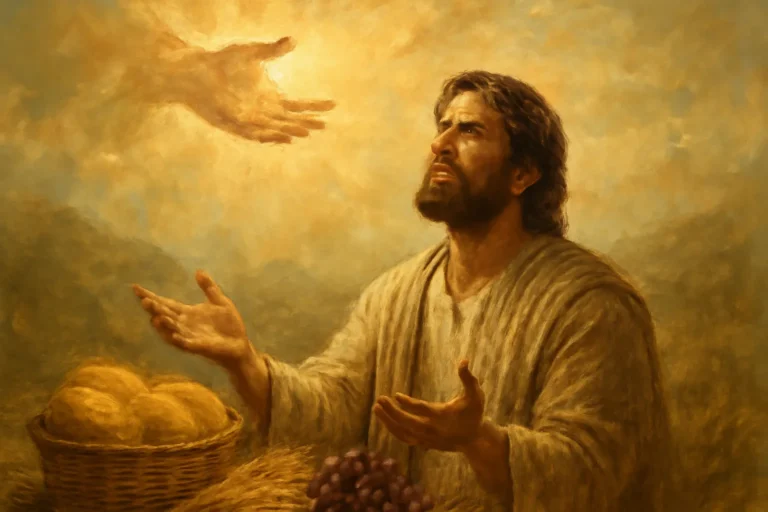
Introduction: Stewardship as a Sacred Practice Across Traditions
In many religious traditions, stewardship is more than a practical ethic; it is a sacred calling that flows
from humanity’s relationship with the divine and with creation. The concept carries a spectrum of meanings,
from responsible management of resources to a relational covenant with the vulnerable, the earth, and future
generations. Across scriptures, sermons, and spiritual writings, stewardship is framed as trust, care, and faithful administration under a benevolent authority that is greater than
any single individual or community. This article proposes three inspirational thoughts on stewardship—three lenses
through which believers can envision, cultivate, and enact stewardship in personal life, communal life, and
societal life—while honoring the diverse names for this calling: caretaking, guardianship, trusteeship, and
responsible management.
The aim here is not to reduce stewardship to a checklist of duties but to invite a living imagination that
connects doctrine to daily practice, worship, and witness. Each thought offers theological grounding, ethical reflection, and concrete steps for turning revelation into responsible
action. As you read, you will encounter a thread that runs through the narratives of many faith communities:
stewardship begins where gratitude meets responsibility, where abundance becomes a platform for justice, and where
the future is imagined in light of the Creator’s ongoing work in the world.
Below you will find three interconnected thoughts, each presented with biblical or theological foundations,
interpretive insights, and practical pathways. Each section highlights the semantic breadth of stewardship—its
varied expressions in stewardship of resources, stewards of community, trusteeship of creation,
and administrative care—to demonstrate how a vital spiritual discipline can take shape in diverse settings:
churches, family life, charitable organizations, schools, and civic life. The sections draw on scripture, tradition,
and contemporary reflection to foster a robust, compassionate, and intellectually honest approach to
stewardship in the modern world.
Thought 1: Stewardship as Sacred Trust — Ownership Reframed
The first inspirational thought treats stewardship as a sacred trust in which people
recognize a higher ownership behind every resource and every responsibility. In many religious texts, the
universe is presented not as a possession of humanity but as a gift entrusted to humanity for the purpose of
flourishing life. This shifts the moral horizon from consumption to stewardship: a posture of reverent
administration before God and neighbor.
Foundational Theology: Divine Ownership and Human Responsibility
The theological claim at the heart of this thought is simple and audacious: God owns all things, and
humans are called to be faithful managers, or stewards, of what belongs to the divine realm. When
Genesis speaks of humanity being placed in the Garden “to till it and keep it” (the language of work and care),
it frames work as worship rather than mere labor. The apostolic witness often echoes this rhythm: blessings
are not only to be received but to be shared, and possessions are not merely commodities but means of showing
love, justice, and mercy. Stewardship as sacred trust thus binds the head and the heart, the doctrine and the
deed, the worship in the sanctuary and the service beyond church walls.
Key theological motifs in this frame include:
Divine authorship of creation, paired with human accountability as stewards
Economy of generosity: resources exist to be redistributed toward the vulnerable
Limitations of a purely instrumental approach to goods; persons and creation have intrinsic value
Practical Implications: From Personal Finances to Public Policy
If stewardship begins with sacred ownership, it reshapes how a believer thinks about money, time, and talent.
The practical arena expands beyond Sunday giving to a holistic discipline that informs budgeting,
investment choices, vocational decisions, and civic engagement. Consider these pathways:
Financial discipline: live within means, avoid debt that harms the vulnerable, and cultivate generosity.
Resource transparency: maintain integrity in accounting, avoid waste, and share information openly within the community.
Asset stewardship: care for physical assets, from lands and buildings to digital information and cultural artifacts.
Future-oriented planning: save for the next generation, invest in education, and steward environmental resources for lasting health.
Reflective Questions and Practices
To cultivate this thought in daily life, consider the following prompts and exercises:
Ask: Whose ownership is reflected in my decisions about wealth and goods?
Practice a gratitude inventory: list all gifts you received and identify how best to steward them for others.
Engage in a resource audit of your household, church, or organization to identify waste and opportunities for stewardship-minded redesign.
Plan one action this month that distributes a resource toward someone in need—whether time, money, or expertise.
Historical and Contemporary Perspectives
Across traditions, the language of second-mile generosity and responsible ownership has
appeared in parables, parables adapted to modern contexts, and ethical treatises. In contemporary life, this
thought translates into mindful business ethics, accountable governance, and a humble posture before the complexities
of scarcity and abundance. Stewardship as sacred trust invites religious communities to examine power dynamics, ensure
access to resources remains equitable, and resist the allure of accumulation that harms the vulnerable.
Challenges and Nuances
Several tensions arise in living as stewards who acknowledge sacred ownership:
The danger of reducing spirituality to mere philanthropy while ignoring justice in systemic structures.
The risk of neoliberal language portraying stewardship as efficiency alone, neglecting relational and ethical dimensions.
The complexity of managing resources in a globalized economy where supply chains, environmental costs, and labor rights intersect.
Nonetheless, the core invitation remains: recognize divine ownership, align life with a just sharing of
resources, and recognize the trust placed in you to steward gifts in ways that honor God and uplift neighbors.
Thought 2: Stewardship as Relationships and Community — Stewarding Together
The second inspiration reframes stewardship as a community-centered practice that unfolds
through mutual care, shared responsibility, and the cultivation of trust. It invites a shift from
unilateral administration to collaborative discernment—a model in which stewards are those who
learn to listen to each other, especially to the voices of the marginalized, the young, and the Earth itself.
Relational Foundations: Community as a Sacred Gift
In many religious traditions, humans are not isolated proprietors but members of a family of faith and a biosphere
entrusted to human care. The community becomes the primary setting in which stewardship is learned
and exercised. The social imagination of stewardship, here, implies not merely fiscal responsibility but a deep
commitment to neighbor love, hospitality, reconciliation, and restorative justice.
Key Concepts in Communal Stewardship
Justice-oriented sharing: ensuring that resources reach those who need them most, with care for systemic barriers.
Accountable leadership: leaders model transparency and invite diverse voices into decision-making.
Inclusive generosity: generosity that builds relationships, not dependency; that honors dignity and agency.
Ecological humility: recognizing the limits of human power over nature and seeking harmony with ecosystems.
Practical Applications in Church and Community Life
The relational vision invites concrete steps. Consider these practices for communities seeking to embody stewardship in fellowship:
Community budgeting: open budgeting processes with regular updates to members and beneficiaries; invite input from a broad spectrum of stakeholders.
Asset-sharing programs: shared spaces, libraries, and facilities to maximize usefulness and minimize waste.
Volunteering ecosystems: structured volunteer opportunities that honor time commitments and compensate for barriers to participation.
Rituals of gratitude and repentance: rituals that acknowledge dependence on God and responsibility toward others, including stewardship of creation.
Leading with Listening Hearts
A relational approach to stewardship emphasizes listening as a spiritual discipline. Listening—especially to the
experiences of those who endure poverty, discrimination, or marginalization—shapes how resources are allocated and how
decisions are prioritized. When common discernment becomes a spiritual practice, collective wisdom
emerges, reducing ego-driven outcomes and increasing the likelihood of outcomes that promote dignity and human flourishing.
Stewardship within a community also involves education and culture—teaching younger generations to
respect resources, to see the interdependence of all life, and to develop competencies in planning, budgeting, and
environmental stewardship. Cultural narratives, liturgies, and teaching moments can reinforce the idea that care for
neighbors, creation, and communal goods is a form of worship and ethical witness.
Challenges in Community Stewardship
The relational model faces obstacles, including conflicting values, resource scarcity, and competing priorities.
Strong communities must cultivate healthy conflict resolution, transparent protocols, and accountability mechanisms
so that stewardship remains a shared project rather than a faction’s agenda. Negotiating differences with grace and
discipline is itself a spiritual practice that strengthens trust and deepens communal identity.
As you reflect on this thought, imagine how your own community could grow in stewardship-minded collaboration—
how a church, a neighborhood association, or a school could redesign processes to elevate participation, protect the
vulnerable, and celebrate interdependence as a sign of divine generosity.
Thought 3: Stewardship as Transformational Action — From Reflection to Impact
The third inspirational thought moves beyond contemplation to a dynamic practice: stewardship in action.
It asks not only what we believe about stewardship but what we do with what we have. Here, the emphasis is on transformational impact—how faithful stewardship translates into justice, healing, and sustainable
change for people and the planet.
Theological Impetus: Hope-for-Justice and Creation Care
Across prophetic voices and apostolic exhortations, stewardship that remains only in theory fails to honor the God who
heals and redeems. Transformational stewardship is animated by hope and responsibility, with insistence
that generosity, mercy, and preservation are not optional but essential. The biblical witness often pairs mercy with
justice, charity with reform, and personal virtue with public transformation.
Environmental stewardship: adopt practices that reduce carbon footprint, protect biodiversity, and advocate for sustainable policy.
Social justice-oriented giving: prioritize programs that address root causes of poverty, discrimination, and exclusion.
Education and mentorship: invest in the next generation through scholarships, training, and leadership development.
Advocacy and civic engagement: participate in policy conversations that shape fair wages, healthcare access, and community safety.
Case Studies: Stories of Transformational Stewardship
Across the globe, communities have modeled stewardship as a catalyst for renewal. In some places, land restoration
projects have revived ecosystems and livelihoods; in others, communal banks or cooperative enterprises have reduced
poverty while building local capacity. Each story reflects a commitment to trust, accountability, and reciprocal
benefit. They demonstrate that stewardship practice is not merely a private virtue but a public good that
expands human flourishing.
Ethical Frameworks for Action
When acting in the name of stewardship, it is essential to embed ethical frameworks that consider dignity of persons, environmental integrity, and shared responsibility. The following guiding questions can help
shape action:
Who benefits from this action, and who might be harmed?
Does this decision respect the intrinsic value of every person and all creatures?
What sustainability criteria ensure that current gains do not create future burdens?
How will progress be measured, and how will accountability be maintained over time?
Transformational stewardship confronts structural obstacles: entrenched interests, resource distribution gaps, and
political inertia. It also requires spiritual stamina, prophetic imagination, and a willingness to challenge comfort
with ethical integrity. The path is not always straightforward; it demands humility, collaboration, and ongoing learning.
Yet the calling persists: to translate the spiritual conviction that we are caretakers of this world into
practical, justice-seeking, life-affirming action. When communities commit to stewardship as transformative work, they
become living witnesses to a vision in which abundance sustains the poor, the land is cared for, and future generations
inherit a world still capable of wonder and grace.
Intersections: Integrating the Three Thoughts into Practice
While each thought presents a distinct emphasis—sacred trust, relational stewardship, and transformational action—the
most powerful approach to stewardship uses all three in harmony. Together, they form a comprehensive discipline that
connects doctrine with daily practice, worship with service, and personal virtue with public policy. The goal is not
to choose one path and call it done, but to cultivate a robust habitus: a spiritual posture that guides decisions,
shapes cultures, and sustains hope in times of scarcity and plenty alike.
Threefold Framework for Personal Practice
Recognize the sacred ownership behind all resources and relationships; cultivate gratitude and humility.
Relate with others in a way that builds trust, justice, and mutual flourishing; practice generosity that empowers.
Respond with concrete deeds that address needs, reform structures, and promote sustainability and healing.
Threefold Framework for Community Practice
Discern together: engage diverse voices in planning and decision-making; practice transparent leadership.
Distribute fairly: design systems that reach the marginalized and protect the vulnerable.
Declare and demonstrate: public commitments to justice, care for creation, and ongoing learning.
Threefold Framework for Societal Practice
Legislate ethically: advocate for policies that reflect stewardship values—justice, care, and accountability.
Teach consistently: embed stewardship language in curricula, liturgy, and public life to cultivate a culture of care.
Across these levels, the language of stewardship remains flexible and expansive. It can describe a family’s weekly budget, a church’s outreach mandate, a university’s research practices, or a neighborhood association’s environmental plan. The semantic breadth of stewardship—while sometimes challenging to articulate in a single sentence—becomes a generator of ethical imagination, a compass for moral action, and a pledge to future generations.
Conclusion: A Living Vision of Stewardship
The invitation of these three inspirational thoughts is to transform intention into living practice. Stewardship is not a singular
event but a continuing rhythm—of worship, work, and witness. It calls for a posture of reverence toward the gifts of
creation, a commitment to relational justice within communities, and a readiness to act with courage when confronted by
injustice, exploitation, or environmental degradation. When believers adopt the language and habits of stewardship in all
these dimensions, they participate in a sacred drama in which human lives are healed, communities are renewed, and
creation itself is cherished as a divine gift.
In adopting this triple vision—sacred ownership reframed, relational care lived out among neighbors, and action oriented
toward transformation—individuals and communities can nurture a resilient faith that speaks to the deepest longings of
the human heart: dignity, meaning, and hope for a just and flourishing world. The journey of stewardship is ongoing, and
it invites continual reflection, repentance, and recommitment. May the practice of stewardship—across its many
names and expressions—continue to be a beacon that disciplines wealth, nurtures community, and heals the earth.
May you be strengthened for the road ahead as you study these ideas, apply them in lived experience, and pass
them along to others. May your stewardship be marked by holiness, courage, and compassion, and may it bear
fruit that endures beyond our lifetimes.
If you would like, you can reflect further with a guided exercise: pick one resource in your life (time, money, or talent),
and write a one-page plan for how to steward it in accordance with sacred trust, community care, and transformational action.
Share that plan with a trusted friend or mentor, and invite feedback that strengthens accountability and hope.