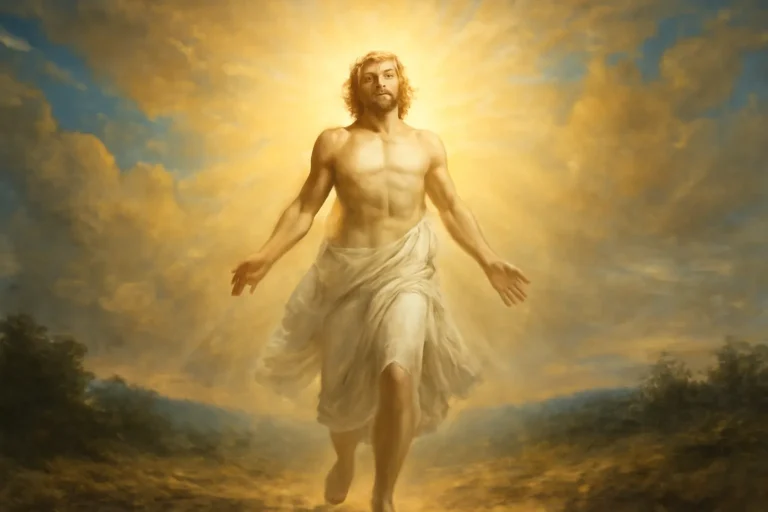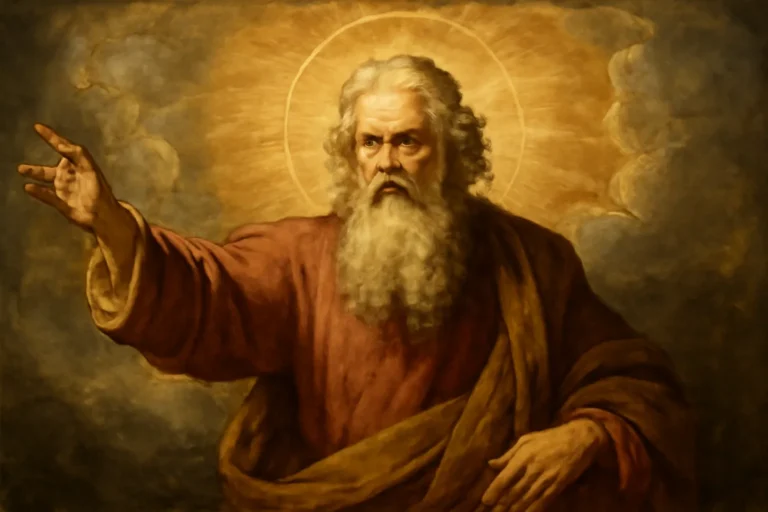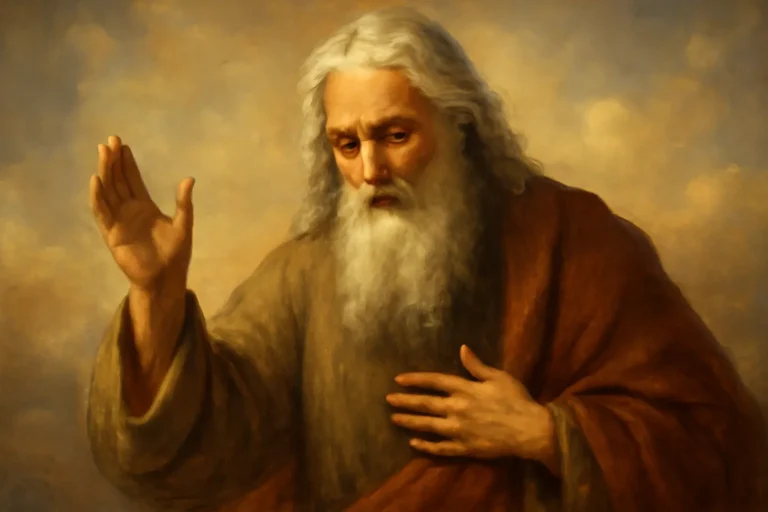

In the Image of God: Our Unique Identity and the Dignity of Life
The phrase In the image of God has shaped religious thought for millennia, inviting believers to explore the deepest questions about who we are, why we exist, and how we ought to live with one another. This article examines our unique identity as beings created to reflect the divine character, and the profound dignity of life that follows from that identity. Across biblical, theological, and ethical reflections, the notion of the image of God—also known as imago Dei—remains a compass for understanding personhood, community, authority, responsibility, and care for the vulnerable. The discussion that follows is intentionally broad, drawing from Scripture, tradition, and contemporary reflection within the religious sphere. It seeks to be informative, interpretive, and educational, offering not only doctrinal statements but also practical implications for daily life, worship, and public ethics.
Biblical foundations: The creation of humanity in God’s image
To begin with, the biblical account presents humanity as a special category of creation endowed with an intrinsic divine likeness that sets people apart from the rest of the living world. The core assertion occurs in the opening chapters of Genesis, where God creates humankind in the likeness and image of the Creator and entrusts them with stewardship over creation. This foundational claim carries implications for meaning, vocation, and responsibility, and it recurs throughout the biblical narrative in various forms and expressions.
Genesis 1:26-27: Creation in God’s own image
The Genesis text presents a process and a purpose. In Genesis 1:26-27, the divine council speaks: “Let us make man in our image, after our likeness.” The subsequent verse states, “So God created man in his own image, in the image of God he created him; male and female he created them.” Several important motifs emerge from this passage:
- Relationship and relationality: Being made in the image of God entails the capacity for relationship—horizontally with others and vertically in relation to the Creator.
- Rational and moral capacity: The divine image implies discernment, judgment, responsibility, and the ability to govern creation with wisdom.
- Creativity and culture: To reflect God’s likeness is to participate in the ongoing creation of culture, art, science, and institutions that cultivate life.
- Equality and dignity: Being made in the image of God lays a common ground for all humans, regardless of status or difference.
Interpretations vary across traditions, but most strands agree that this passage anchors a view of human beings as special, valuable, and worthy of respect because of their divine origin.
Genesis 2:7 and 2:18-25: The imago Dei within a relational and ecclesial frame
In Genesis 2, the narrative emphasizes God’s intimate involvement in formation and the creation of life in a relational context. God shapes the first humans from the earth, breathes life into them, and places them in a garden with a vocation of collaboration and care. The text also highlights companionship and community as integral to human flourishing. Through these layers, the image-bearing human is not isolated but part of a web of relationships—with God, one another, and the world. This relational design informs how believers understand dignity, social ethics, and justice: human worth is not only personal but communal, evidenced in our mutual responsibility and care for the vulnerable.
Imago Dei across Creation and Covenant
The biblical story traces the image of God not as a static stamp but as a dynamic vocation. In the Hebrew Bible, the concept often appears in connection with covenantal fidelity, stewardship, and ethical life. The notion of bearing God’s image undergirds calls to justice, mercy, and righteousness. It also frames debates about work, authority, and community formation, suggesting that human dignity is inseparable from responsibilities toward others and creation.
Patristic and theological reflections: Reading the image from the ancient church to today
Early Christian thinkers and later theologians inherited the biblical claim about humanity and began to unravel its implications for doctrine, worship, and life. Across the centuries, the image of God has been understood not as a mere trait but as a calling—an experiential and vocational reality that shapes how believers relate to God, themselves, others, and the broader world. The patristic and scholastic tradition repeatedly underscored two themes: the divine origin of human value and the responsibility to reflect God’s character in conduct and love.
Augustine and the unity of the image
Augustine emphasizes the unity of the image across humanity, arguing that the image refers to the rational soul capable of worship and love, and that this capacity is realized most fully in the grace of Christ. The Christian life becomes a process of reorienting desires toward God, so that the likeness can be perfected through sanctification. For Augustine, the dignity of life is not a political or economic entitlement alone but a spiritual vocation—toward holiness, love, and union with God.
Thomas Aquinas and the structure of the image
In the medieval period, Thomas Aquinas offered a robust synthesis: the image includes intellect and will, and its fullness is aligned with natural purposes and supernatural grace. The dignity of life, for Aquinas, is grounded in rational nature and the ability to know and love God. He also emphasizes the concept of participation: humans are designed to participate in divine life through virtue and grace, and this participation is what grounds moral obligation and social ethics.
Orthodox and Reformation-era voices
East and West, the question of the image was linked to the purposes of creation, sin, and redemption. In Orthodox thought, the image is often linked to theosis—the process by which humans are drawn into the communion of the Triune God, becoming more like God through transformation. In the Protestant Reformation, the image remains a focal point for discussions of vocation and the universality of sin and grace. The dignity of life is affirmed as an outcome of God’s mercy and the call to imitate Christ in love, justice, and mercy.
Theological and ethical implications: From image to dignity in life
If every person is created in the divine image, then the ethical stakes are high. The image of God implies not only intrinsic worth but also moral accountability and relational responsibility. The dignity of life emerges as a core principle in personal conduct, social justice, and public policy. Theologically, this has implications for sanctity of life debates, human rights, and the way communities structure care for the vulnerable, including the unborn, the sick, the elderly, the disabled, migrants, and the poor.
The dignity of life: Core themes
Across traditions, several core themes consistently surface in reflection on the image and life’s dignity:
- Intrinsic worth of every person, independent of achievements, status, or utility.
- Shared humanity that binds all people in mutual respect and responsibility.
- Stewardship as a vocation: humanity reflects God’s character through care for creation and neighbor.
- Inclusion and justice: the call to address injustices that undermine the dignity of life, including poverty, oppression, and exclusion.
- Sanctity of life: life is sacred because it bears the divine imprint, deserving protection and care from conception to natural death.
Imago Dei and vocation
The image of God is inseparably linked to vocation. Humans are placed in creation not merely to exist but to participate in God’s creative and redemptive work. This includes labor, culture-making, science, art, and service. Thus, our work-life and civic engagement become arenas where the divine image is manifested when carried out with integrity, compassion, and justice. The dignity of life expresses itself in the way a person uses talents, pursues truth, and contributes to the common good.
Social ethics and the dignity of life: Practical implications for communities
The claim that we are made in the image of God translates into concrete ethical obligations. When communities recognize the inherent value of every person, policies, institutions, and everyday interactions should reflect that perception. The following considerations illustrate how the doctrine of God’s image informs ethical life in society.
Care for the vulnerable as a covenantal obligation
From a theological standpoint, protecting the most vulnerable is not a political preference but a moral imperative grounded in the dignity of life. The vulnerable—whether unborn children, the elderly, the poor, refugees, or persons with disabilities—are receivers and subjects of care who deserve protection, provision, and respect. Communities that honor the image of God in all people demonstrate a distinctive ethic of mercy and solidarity.
Justice, equality, and public life
Equity flows from the belief that everyone bears the divine imprint. Social structures should seek to correct systemic injustices that obscure or diminish the image-bearing of certain groups. This includes fair labor practices, access to education, healthcare, housing, and civic participation. The dignity of life becomes a framework for evaluating laws, policies, and cultural norms that either protect or undermine human worth.
Ethics of speech and relation
The image-bearing human person should be treated with respect in speech, refraining from dehumanizing language, violence, or coercive control. Communication, including digital discourse, is a sphere where the image of God is either honored or violated. The ethical imperative is to cultivate truth-telling, patience, and reconciliation, especially in communities fractured by conflict, prejudice, or trauma.
Healthcare, bioethics, and the sanctity of life
In medical and technological domains, the question of how to protect life while promoting health is deeply influenced by the doctrine of image and life’s dignity. The image of God provides a moral horizon for debates about abortion, end-of-life care, cloning, genetic modification, and the allocation of scarce resources. Across traditions, there is a strong emphasis on consent, compassionate care, and honoring the patient’s inherent worth as a person created in God’s likeness.
Contemporary challenges: Technology, science, and a changing world
Modern advances bring fresh questions about how the divine image and the dignity of life are understood in the face of new possibilities and new risks. Artificial intelligence, biotechnology, digital surveillance, and social media pose ethical questions about identity, agency, and the treatment of others in both virtual and physical spaces. The religious discourse on this terrain seeks to articulate a vision where human beings remain the bearers of intrinsic worth in a world shaped by rapid innovation.
Technology and the image: Maintaining personhood in a digital age
As digital life expands, there is a need to preserve a robust understanding of what it means to be made in God’s image. Technology can enhance human flourishing but can also commodify or instrumentalize life. The image-bearing person should be recognized beyond algorithms or data points. Ethical reflection emphasizes:
- Respect for personhood in online interactions and data privacy
- Protection for those who are most vulnerable to digital exploitation
- Guardrails around AI that prevent the erasure of human dignity
Biotechnology and moral discernment
Biotechnological breakthroughs offer possibilities for healing and extension of life, yet they raise questions about the integrity of life and the boundaries of human intervention. The dignity of life, rooted in imago Dei, invites careful discernment about the purposes of research, protection of embryos, and respect for persons whose lives may be altered by interventions. Communities can foster responsible innovation that honors the divine image in every person.
Worship, formation, and the renewal of the image
Within religious communities, the image of God is not only a doctrine to be believed but a reality to be formed. Worship and spiritual formation are disciplines that cultivate alignment with God’s character, transforming believers so that they reflect divine attributes such as love, justice, mercy, and humility. The dignity of life is expressed most clearly when a community’s worship translates into generous action, hospitality, and service to others.
Liturgy and the image of God
In communal worship, the faithful are shaped by the rhetoric of Scripture, sacraments, and prayer into a people who resemble Christ in character. Creeds, confessions, and liturgical practices specify the virtues to be cultivated and the commitments to be kept. Through baptism, Eucharist, and other rites, the faithful declare the value of life and acknowledge their own belonging to the body of Christ, as those who bear the divine image in renewed form.
Spiritual disciplines and living out our identity
Practices such as prayer, contemplation, fasting, generosity, and service help believers internalize the truth that every life is sacred. The disciplines train the imagination to see others as neighbors to love and as co-heirs of the promise. The renewed heart learns to honor the image-bearing of each person, practicing hospitality, advocacy, and mercy in tangible ways.
Inclusive and expansive readings of the image across communities
Different Christian traditions, as well as other faiths, offer unique but overlapping understandings of the image of God and the dignity of life. While specifics may diverge, many share a commitment to the inherent worth of every human being and a conviction that life is to be valued and protected. Interfaith dialogue can illuminate common ground and reveal areas of respectful disagreement, always with a shared recognition of the divine origin of human life and the call to justice and compassion.
Interfaith perspectives on human dignity
From Jewish, Christian, and Islamic traditions, among others, there is a robust stream of thought that asserts the basic equality and sacredness of every person. In these conversations, the image of God provides a linguistic and theological bridge for discussing moral concern, social obligation, and the duties of communities to care for one another. While theological pluralism invites debate, the dignity of life remains a common anchor for ethical discourse and public policy debates about rights, protections, and social welfare.
Practical guidance: How to live out the image of God in daily life
Living out the truth that we are made in the divine likeness requires concrete steps in personal conduct, family life, education, and public service. The following practices help believers translate doctrine into daily action that honors the image-bearing of every person.
In households and communities
- Practice hospitality as an expression of shared humanity, welcoming strangers and the vulnerable alike.
- Cultivate justice within families and local communities by addressing inequities and supporting those in need.
- Teach and model mercy, showing forgiveness and grace in relationships as reflections of God’s own character.
In education and formation
- Incorporate virtue ethics that foreground respect for life, honesty, courage, and compassion.
- Provide equitable access to education, healthcare, and opportunity, reflecting the belief that all lives matter equally in God’s sight.
- Encourage critical discernment about media, technology, and cultural narratives that may dehumanize or instrumentalize people.
In public life and policy
- Advocate for policies that protect the vulnerable, promote health and safety, and uphold human dignity, particularly for marginalized groups.
- Engage in civil discourse with humility and respect, seeking common ground while remaining faithful to conscience and values.
- Foster inclusive communities that value diverse gifts and dignify every person as a neighbor created in God’s image.
Conclusion: The enduring significance of being made in God’s image
The claim that humanity bears the image of God is not only a theological assertion but a practical framework for life. It anchors a robust sense of human dignity, informs ethical behavior, and invites communities to embody justice, mercy, and love. From the opening chapters of Genesis to contemporary debates about bioethics and social policy, the idea that every person is a reflection of the divine presence continues to carry weight and consequence. In every era, the challenge remains to honor and protect the dignity of life by recognizing that our shared humanity—our unique identity as image-bearers—binds us in responsibility to one another, creation, and the God who created us. This is a vision of life that calls for worship and action, adoration and service, contemplation and courageous advocacy. May communities of faith, scholarship, and public life cultivate a robust, compassionate, and just expression of the image of God in the world today.
Appendix: Key terms and quick references
To help readers engage with the topic across disciplines and traditions, here is a compact glossary of recurring terms and phrases related to the subject matter. These serve as both a reference and a launchpad for further study.
- Imago Dei—Latin for “image of God,” denoting the divine likeness that humans bear.
- Divine image—A descriptor of human identity reflecting God’s character and authority.
- Image-bearing—The ongoing vocation and reality of living in a way that rescripts God’s likeness in the world.
- Sanctity of life—The belief that life is sacred from conception to natural death due to its divine origin.
- Dignity of life—Intrinsic worth inherent to every human being, independent of function or status.
- Imago Christi—The likeness of Christ in believers through transformation and sanctification.
- Patristic and scholastic tradition—Historical streams in Christian thought that interpret the image of God and its ethical implications.
- Theosis—In Orthodox theology, the process of becoming more like God through grace and union with God.
If this exploration inspires further study, readers may consider consulting canonical scriptures, patristic writings, and contemporary theological essays that treat imago Dei and the dignity of life as the heart of ethical reasoning, public policy, and spiritual formation. In the end, the deepest question remains: how will we reflect God’s image in the ways we think, speak, love, and serve? The answer to that question will shape not only personal destiny but the moral climate of communities and nations, for as long as humanity bears the divine imprint.