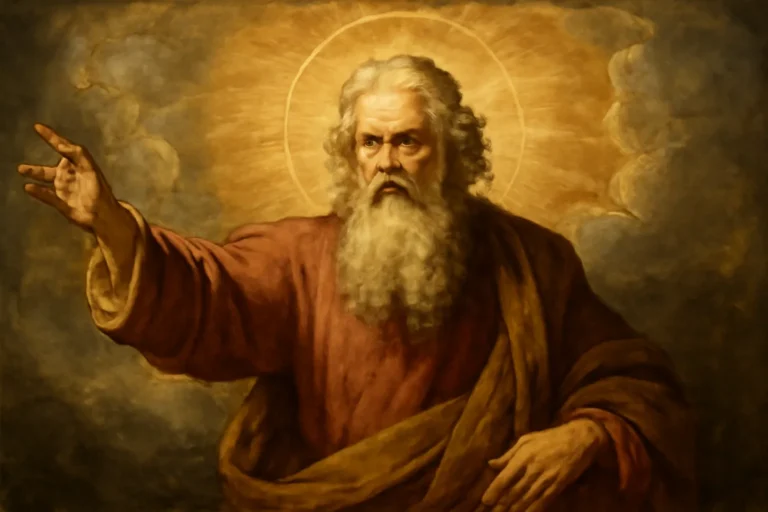
In the opening chapters of the Bible, the figure referred to as The Creator appears not as a distant force but as a dynamic, personal, and morally intelligent being. This long-form examination survey travels through the book of Genesis to illuminate how the divine naming, self-disclosure, and interventions reveal different facets of who God is within the sacred texts. The topic is expansive: it touches philosophy of religion, theology, biblical exegesis, liturgical imagination, and ethical instruction. Across Genesis, the Creator is named in multiple ways, each carrying nuance and historical usage that illuminate the nature of creation, covenant, and humanity’s vocation.
Names and Manifestations: Who is God in Genesis?
Genesis presents several auctorially meaningful designations for the divine, each offering a semantic pathway into the Creator’s character and relationship with creation. The most prominent names are Elohim, Yahweh, and phrases that foreground attributes such as Almighty, Most High, and the Lord. These names are not merely labels; they shape how readers encounter God in the pages that follow. The diversity of designations also mirrors a theological claim: the Creator is both transcendent and imminent, both sovereign over the cosmos and intimate with human beings in their daily life.
Lexical breadth: Elohim, Yahweh, and related titles
In Genesis 1, the opening line declares a universal claim about The Creator using the title Elohim, a term that emphasizes power, order, and the act of creation itself. The name is plural in form but the verb tense and surrounding syntax typically treat it as singular when describing the one God who creates. This usage has invited rich interpretive discussions about complexity within unity—an early Hebrew acknowledgment that God’s nature may involve fullness beyond a single dimension of power.
By the second account of creation in Genesis 2, readers encounter a more personal accent: the divine is referred to as “the LORD God”, translating the tetragrammaton YHWH in combination with Elohim—often rendered Yahweh Elohim in scholarship. This compound name foregrounds a relational, participatory deity who forms, breathes life, and walks in the garden with humanity. In this sense, the Creator becomes a companion in the moral and existential story of human beings.
- Elohim emphasizes power, order, and the act of bringing forth the cosmos from nothingness.
- Yahweh (the personal name revealed to Moses and used in Genesis 2–3) highlights intimate relationship, covenant, and presence with people.
- Other titles such as El Shaddai (God Almighty) and El Elyon (God Most High) appear in Genesis through later patriarchal narratives, extending the portrait of the Creator as the ultimate ruler of all beings and forces.
In addition to these primary names, the Creator is described through relational and functional phrases: The Maker, The Architect, and The Source of life. Each designation contributes to a composite portrait that is not reducible to a single attribute but rather to a coherent tract that weaves power, wisdom, holiness, and mercy into a single divine personhood. Across the text, the Creator is not a mere distant architect who designs and departs; rather, The Creator engages with creation, sustains it, and binds it to a moral order.
Genesis 1: The Creator’s Speech and the Framework of Creation
The first chapter of Genesis is a foundational meditation on how The Creator brings the cosmos into existence. Creation is not the result of chaos overcoming order but the outcome of divine intention and deliberate speech. The repeated formula, “And God said… and it was so”, frames creation as a series of acts accomplished by the divine word. This literary pattern has profound theological significance: the Creator’s voice expresses authority, order, purpose, and benevolence toward all that exists.
Divine Speech as Creative Power
In Genesis 1, the act of speaking is not a human metaphor but the actual mechanism by which reality comes into being. The Creator’s utterances—Let there be light, Let the waters be gathered, Let the dry land appear—function as creative energy released into the void. The power of the Word is inseparable from the identity of the The Creator, and the act of naming later in Genesis 2 and beyond deepens this sense of authority and relational knowledge. The divine voice sets boundaries, imparts structure, and authorizes creatures to inhabit particular domains that align with the cosmic order.
Order, Life, and the Good
Genesis 1 repeatedly affirms that the Creator’s work is good. After each act of creation, the text notes that it is good, culminating in the seventh day when the divine rest inaugurates a rhythm for the cosmos. This cadence signals more than aesthetic satisfaction; it communicates moral intention. The Creator does not build a chaotic system but a well-ordered world with purpose, stewardship, and the possibility of flourishing. The ordering of time, space, and living beings reveals a plan that invites creatures to participate in the grandeur of the cosmos.
- Light and darkness mark the boundary between order and potential chaos.
- Sea and sky establish a firm separation that enables distinct ecosystems to emerge.
- Land and vegetation introduce the basis for sustenance and life cycles.
From a theological perspective, the act of creation by speech demonstrates the Creator’s sovereignty and rational design. The Cosmic Word behind Genesis 1 is a theological motif that will echo later in biblical literature as the Logos—the divine reason and plan that organizes reality. While Genesis 1 does not explicitly use the term Logos, it lays the groundwork for later Christian reflection on how God’s Word is both the act of creation and the divine self-disclosure that invites ethical response.
Genesis 2–3: The Personal God and the Human Story
While Genesis 1 presents the Creator as the sovereign who speaks the world into being, Genesis 2 and 3 shift attention toward a more intimate, relational mode. The text uses the designation Yahweh Elohim to underscore a God who engages with humans as a craftsman would work with clay, forming, caring, and walking beside the created beings. This section foregrounds the moral and relational dimensions of the Creator: intimacy, trust, disobedience, and divine mercy.
The Creator as Forming Agent
The description of the creation of humanity in Genesis 2 emphasizes the tactile and deliberate act of formation: God formed man from the dust of the ground and breathed into his nostrils the breath of life. This language emphasizes a living, relational God who participates in the physical and spiritual constitution of the first humans. The Creator’s hands-on approach—crafting, shaping, and animating—contrasts with the more distant narrative of Genesis 1 and invites readers to reflect on the embodied nature of human life as a gift.
The Gift of Relationship and the Moral Boundary
In the garden, the Creator introduces a moral boundary: the command concerning the tree of the knowledge of good and evil. This boundary is not a trap but a relational invitation—an invitation to trust and to live in communion with God, within the parameters of divine wisdom. The Creator’s instruction serves two purposes: it sustains human flourishing and preserves the integrity of the created order. When the humans disobey, the text records consequences that ripple through creation. Yet even in judgment, the narrative reveals mercy and ongoing care: clothing, provision, and the continued presence of the divine within the story’s arc.
- Formation and breath emphasize intimate divine-human connection.
- Boundaries reveal a respect for freedom within order.
- Mercy and discipline unfold together in the divine response to disobedience.
Theological Motifs: Sovereignty, Holiness, and the Purpose of Creation
Across Genesis, several recurrent motifs illuminate the character of The Creator and the intended purpose of creation. These motifs—sovereignty, holiness, providence, and vocation—construct a framework within which subsequent biblical ethics and soteriology emerge. They also shape how readers might approach the question of the Creator’s relationship to cosmic and personal life, including contemporary understandings of meaning, ethics, and destiny.
Sovereignty and Covenant
God’s sovereignty is not capricious: it is covenantal, oriented toward the flourishing of beings formed in God’s image. The Creator’s decisions convey a comprehensive governance: the ordering of creation, the appointment of humanity as stewards, and the establishment of promises that will unfold through generations. The narrators of Genesis underscore that God is the rightful ruler whose authority is exercised with wisdom, justice, and mercy.
Holiness and Moral Order
Holiness emerges as a qualitative attribute of the divine nature that imposes a moral order on the cosmos. The Creator’s holiness is not merely a theological noun but a normative standard that instructs human beings to live in fidelity, gratitude, and reverence. The introduction of the Sabbath as a rhythm of holy time signals that belonging to the Creator entails a moral and liturgical orientation of life—work unto rest, labor within divine companionship, and a pattern of sacred time that shapes community identity.
Providence and Care
Even when human beings stumble, the Creator’s providence persists. The narratives reveal a God who clothes Adam and Eve, who provides for their needs after the fall, and who continues to interact with humanity through figures such as Noah, Abraham, and Sarah. This providential dimension frames suffering, correction, and restoration within a larger arc of divine intention: to redeem creation and restore relationship with the Creator.
- Sovereignty implies that the Creator’s authority is rightful and universal.
- Holiness provides the moral framework for human life.
- Providence sustains the world through trials and governance.
Imago Dei, Vocation, and Human Destiny
One of Genesis’s most enduring contributions to biblical anthropology is the affirmation that humans are created in the image of God, or imago Dei. This assertion carries profound implications for ethics, identity, and social life. Humans are granted a special status among creatures, with a vocation to steward the earth, cultivate it, and participate in its governance in ways that reflect the Creator’s wisdom and generosity.
Imago Dei as Recurring Theme
The image of God is not a static marker on humanity but a dynamic charge: to reflect God’s character in moral decision-making, relational flourishing, and creative activity. The Genesis account ties this vocation to responsibility: naming, tending, and caring for the garden and its inhabitants require discernment, stewardship, and fidelity. The image bearer is called to honor God through a life of integrity, hospitality, and justice.
Vocation and Social Structures
Creation’s design implies a social order aligned with the Creator’s purposes. The man and woman are invited into companionship—a relational architecture that anticipates families, communities, and cultures rooted in mutual care and reverence for the divine Creator. The divine command to fill and subdue the earth, within the boundaries of wisdom and love, forms the basis for a just and flourishing human order.
- Imago Dei establishes human dignity and moral capacity.
- Vocation links personal purpose to cosmic purpose.
- Stewardship grounds human responsibility in the created order.
The Creator and the Problem of Evil: Free Will, Judgment, and Mercy
Genesis presents the advent of sin and its consequences as a turning point in the human story. The Creator’s response to disobedience is not merely punitive; it is pedagogical and redemptive. The theological question of why a perfect creation would include the possibility of moral failure remains central to Genesis’s narrative arc. The biblical text invites readers to reflect on the delicate balance between divine sovereignty and human freedom, as well as on the hope that mercy, restoration, and covenantal faithfulness can re-emerge even after catastrophe.
Disobedience and Consequence
The serpent’s temptation introduces a moral hazard into creation. The Creator’s words establish the moral wind, and human beings exercise freedom by choosing contrary to the divine will. The consequences—alienation, pain, and mortality—illuminate the seriousness of moral boundaries and the fragility of human solidarity with God and neighbor. Yet the narrative remains oriented toward a future hope: a seed of restoration that will recapitulate in generations.
Mercy within Judgment
Even as judgment falls, the Creator’s mercy surfaces in acts of provision and continued presence. The garments of skin provided for Adam and Eve indicate compassionate care, while the guardianship of the garden and the protection of the righteous line signal ongoing divine engagement. This pattern—judgment tempered by mercy—becomes a central motif in later biblical interpretation of the nature of God as a just and gracious ruler.
- Freedom entails real responsibility and risk.
- Judgment is tempered by mercy and restoration.
- Hope persists in seed and covenant promises that unfold across generations.
Variations of the Divine: How Different Names Shape Theological Reflection
Across the Genesis narrative, readers encounter a spectrum of divine titles and theological emphases. These variations invite careful reflection on how language shapes belief, worship, and ethical life. The practice of naming the Creator in different ways helps to prevent a one-dimensional portrait of the divine and encourages a more robust, holistic sense of God’s character and work in creation.
The Creator as Absolute Power (Elohim)
As the formal, powerful name for God in Genesis 1, Elohim communicates sovereignty, order, and cosmic authority. When God speaks, worlds come into being. The power attributed to this name is tempered by the acts of goodness and the creation of a world fit for life, relationship, and worship.
The Personal, Covenant-Making God (Yahweh Elohim)
The combination Yahweh Elohim underscores a God who is personally present, capable of entering into covenant relationships with human beings. This presence is not abstract; it is practical and intimate—walking in the garden, conversing with figures like Adam, Eve, and later Abraham. The name implies a God who desires relationship and who binds creation to moral responsibilities within a covenantal framework.
Other Theophoric Descriptions (El Shaddai, El Elyon, Adonai)
Beyond the core Genesis usage, biblical traditions reflect a broader palette of divine self-understanding. El Shaddai emphasizes the God who is enough, the source of blessing and nourishment; El Elyon points to the Most High, the ruler above all powers; Adonai functions liturgically as a reverent substitute for the divine name in devotional and communal contexts. While not all of these forms appear in Genesis with the same frequency, their presence in the broader scriptural corpus enriches the Genesis portrait by signaling different facets of the Creator’s sovereignty, providence, and holiness.
- El Shaddai emphasizes sustenance and blessing.
- El Elyon emphasizes authority over all nations and powers.
- Adonai frames worship, reverence, and submission to God’s lordship.
The Creator in Worship, Ethics, and Liturgy
Genesis’s depiction of the Creator also shapes how communities approach worship, moral life, and ritual practice. The divine acts of creation supply the backdrop for later liturgical expressions and ethical standards. The imperative to honor God, to remember the creator’s deeds, and to live in alignment with divine intention becomes a foundation for Jewish and Christian liturgies that persist to the present day.
Worship as Recognition of God’s Creative Labor
Worship arises from recognizing the Creator’s work in bringing forth a world that is good and ordered. The creator–creature relationship, established in creation, becomes a basis for gratitude, adoration, and obedience. The practice of sabbath rest, instituted as a divine cadence, embodies this acknowledgement: time itself becomes a medium for recognizing The Creator’s ongoing care and sovereignty.
Ethics Shaped by Creation’s Purpose
Genesis grounds moral life in the Creator’s design for humanity. Ethical decisions—honoring parents, respecting kin, caring for the vulnerable, stewarding the earth—are read through the lens of a God who formed life, breathed breath into beings, and invited them into a relationship of trust. This ethical horizon continues to inform modern Christian and Jewish ethics as communities seek to translate ancient wisdom into contemporary living.
- Sabbath rest as a liturgical acknowledgment of God’s sovereignty.
- Stewardship of creation as a sacred duty.
- Justice and mercy that flow from the Creator’s faithful character.
Interpreting Genesis: Jewish, Christian, and Interfaith Perspectives
Interpretation of the Creator in Genesis spans diverse traditions. Jewish exegesis often emphasizes the categorical unity of God and the command to live in covenant fidelity. Christian interpreters have highlighted the logos-ness of the divine Word and the continuity between creation, fall, and redemption. Muslim readers engage Genesis within the broader scriptural framework, recognizing the Creator as the one true God who sent prophets and who governs all existence with justice and mercy. Although these traditions differ at points of doctrine, they share a common reverence for Genesis as a foundational text about The Creator and human responsibility before the divine order.
Rabbinic and later Jewish Reflections
In rabbinic thought, the Creator’s names are often read through the lens of ethical exhortation and covenantal fidelity. The idea of tikkun olam (repair of the world) emerges as a practical extension of creation’s intention: humans participate with God in healing and perfecting the world. The divine attributes of mercy, justice, and steadfast love are harmonized with a robust commitment to moral living and social responsibility.
Christian Theological Emphases
Christian commentators frequently read Genesis through the lens of Christology and soteriology. The concept of the Creator becomes the ground for the belief in a redemptive plan fulfilled in Jesus, whom many Christians identify with the divine Word. The attributes of God—omniscience, omnipotence, holiness, love—are seen as harmonized in the person of Christ and reflected in the Spirit’s work in the life of the Church. Thus, Genesis is read not only for ancient origins but for its capacity to illuminate ongoing human longing for restoration and divine fellowship.
Interfaith Reflections
Across religious communities, Genesis’s account of the Creator invites dialogue about how different peoples conceive ultimate reality, moral order, and human purpose. Shared reverence for the Creator’s act of bringing the world into being can become a common ground for respectful discussion about ethics, justice, care for the vulnerable, and the stewardship of creation. The variations in naming the divine become opportunities to explore how language, ritual, and tradition enrich the broader spiritual conversation about God and the good life.
The Creator as Narrative Anchor: Toward a Comprehensive Understanding
In sum, Genesis uses a constellation of names, acts, and relationships to present The Creator as a coherent and morally serious God who initiates, sustains, judges, and loves. The Creator’s character is not exhausted by a single term but is illuminated through diverse descriptors and scenarios: a God who speaks the world into existence, who forms humanity with care, who walks in the garden with persons, and who invites all people to live under a shared moral order. This multi-faceted portrait invites readers to inhabit a robust faith life in which worship, ethics, and communities are oriented toward the divine purpose embedded in creation.
Key takeaways from Genesis about the Creator
- The Creator is omnipotent and orders the cosmos through divine speech, creating structure and meaning in time and space.
- The Creator is intimate and relational, engaging personally with humans, offering companionship, guidance, and mercy.
- Human beings bear the imago Dei, bestowing dignity and vocation to steward creation in fidelity to the Creator’s design.
- There is a persistent thread of justice and mercy—judgment when needed, yet continued care and invitation toward restoration.
- Names for the Creator (Elohim, Yahweh Elohim, El Shaddai, El Elyon, Adonai) are not mere labels but theological pointers to different dimensions of God’s character.
As readers move beyond Genesis into the rest of Scripture, the portrait of the Creator in Genesis serves as a vital anchor for understanding the biblical story. The Creator remains the source of life, the sovereign ruler of the cosmos, and the intimate Father who invites humanity into a life of trust, worship, and service. The theological claim is not simply about what God did in the beginning; it is about what God desires to do in every moment of human history: to invite, to guide, to heal, and to redeem a broken world through steadfast love and faithfulness.
Conclusion: The Creator’s Ongoing Invitation
From the opening cadence of Genesis to its later chapters, the Creator’s actions reveal a consistent narrative arc: a divine power that creates with intention, a personal God who seeks relationship, and a vocation for human beings that centers on stewardship, justice, and love. The diverse names and descriptions we encounter—Elohim in the foundational accounts, Yahweh Elohim in the intimate narratives, and the wider family of divine titles—collectively guide readers toward a holistic understanding of The Creator as both transcendent sovereign and benevolent caretaker. The Genesis account remains not merely a historical record but a spiritual framework that invites ongoing reflection about who God is, who humans are, and how life in this world ought to be ordered in light of divine wisdom.
The Creator invites contemporary readers to respond with reverence, gratitude, and responsibility. To enter into the story is to accept an invitation to live under a divine governance that is wise, just, and merciful. This is the core of Genesis’s message: that the world and all its peoples belong to a Creator who calls us to a life of fidelity, wonder, and hopeful anticipation of the blessing that comes when creation and Creator dwell in harmony.