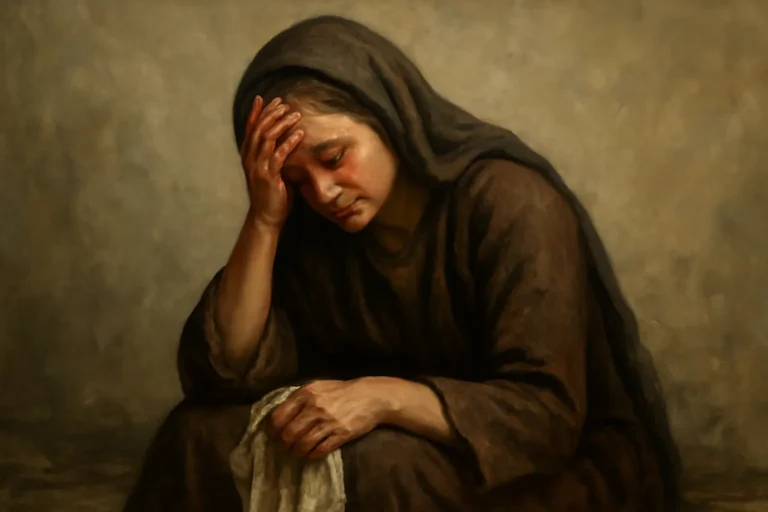

Introduction: The Question Behind the Story
The biblical figure Joseph offers a profound and enduring question for readers across generations: when someone is deeply wronged, is the path of lasting spiritual
integrity best found in forgiveness or in revenge? The narrative of Joseph, often titled by scholars as a drama of providence and pain, invites readers to examine
the moral logic of a life shaped by mercy rather than retaliation. In Christian, Jewish, and Islamic traditions, the arc of Joseph’s life—betrayal by his brothers, ascent into power in Egypt, and
eventual reconciliation with his family—becomes a case study in how the divine hope of restoration interacts with human injury. This article explores Joseph: Forgiveness Over Revenge as a theological topic,
an ethical principle for communities, and a pastoral guide for individuals wrestling with hurt, grievance, and the ache of broken trust.
Historical and Scriptural Context
The story of Joseph sits within the Genesis narrative, a text that has shaped religious thought in the Judeo-Christian and broader Near Eastern world. The core episodes—Jacob’s love for Joseph, the envy and scheming of the brothers, the selling into slavery, Joseph’s rise in Potiphar’s house and then in Pharaoh’s court, the famine, and the family reunion—are more than a sequence of dramatic events. They offer a theological laboratory where the motives of human beings and the purposes of God are tested side by side.
Joseph wronged by his brothers at the outset, is a phrase that captures a key dimension of the tale. Yet the question of what to do with that wrong becomes a matter of moral and spiritual moralizing. The phrase forgiveness not revenge does not merely summarize Joseph’s outcome; it signals a structural choice in the narrative: mercy as a decisive intervention in the face of harm. Across centuries of interpretation, readers have asked: Is forgiveness a passive surrender, or a dynamic, transformative act through which a community heals and the divine plan advances?
The ancient Near Eastern setting also helps illuminate the extraordinary nature of Joseph’s decisions. In a culture where honor, kinship, and social status often determined retaliatory logic, the pivot toward mercy stands out as countercultural and theologically provocative. The biblical writers—whether in the Jewish tradition, the Christian tradition, or the later Islamic retellings—see in Joseph a model of how divine sovereignty can work through human weakness to produce a greater good. The phrase forgiveness over revenge, then, is not merely a private feeling; it is a public act that reframes relationships, redefines communal memory, and aligns human choices with a larger teleology of restoration.
The Narrative Arc: A Brief Overview
Narrative structure and key turning points
The Joseph story unfolds through several decisive movements:
- Dreams and jealousy: Joseph’s youthful dreams provoke envy among his brothers, setting up a chain of consequences that push him toward Egypt.
- From betrayal to institutional rise: Sold into slavery, Joseph passes through Potiphar’s house, prison, and ultimately interprets dreams for Pharaoh, earning a position of governance.
- Famine and famine’s mercy: The brothers come to Egypt seeking grain; Joseph tests them, revealing a pattern that will culminate in reconciliation.
- Reconciliation and mercy: When the family reunion occurs, Joseph’s leadership becomes a conduit for healing, not punishment.
In each phase, the dynamic between wronged and forgiveness is not static. Rather, it evolves into a moral pedagogy by which individuals and communities are invited to embrace mercy as a life posture. The eventual outcome—grain for the land, safety for the family, and a restored future—becomes a vivid image of what it could mean for people to choose forgiveness over revenge even when the impulse toward retaliation seems natural or justified.
Theology of Forgiveness in Joseph’s Story
The Joseph narrative is often read as a robust framework for understanding how divine providence and human agency intersect. The theme of forgiveness over revenge is not merely an ethical advice column; it is a theological claim about the way God works in human history. Several strands stand out:
Divine Providence and Human Free Will
One of the most striking features of the text is its insistence that what humans mean for harm, God can reorder for good. Joseph’s experiences—wronged in his youth, falsely accused, imprisoned—are not random misfortunes; they become instruments in a larger design. In this sense, the narrative models a theology in which forgiveness and refraining from retaliation do not negate agency but channel it toward a redemptive outcome.
The ethical implication is profound: if God’s sovereignty can convert hatred into reconciliation, then human beings are called to participate in that transformation. The story does not deny pain or minimize injury; it reframes it, inviting readers to see that healing often requires a decision to respond to wrongdoing with mercy rather than with cycles of vengeance. This is the core of joseph wronged forgiveness not revenge as a theological motif: a stance that refuses to let the hurt determine the future in perpetual retaliation.
Memory, Trauma, and the Responsibility to Reconcile
Another theological thread concerns memory. For generations, communities remember injuries, and memory can either harden the heart or soften it toward mercy. Joseph’s brothers remember their act of selling him, and Joseph remembers their fear and distress. Yet the narrative demonstrates that memory can be harnessed for healing when it is interpreted through trust in God’s purposes. The decision to pursue reconciliation becomes a spiritual discipline that reorients memory toward grace rather than vengeance.
Mercy as a Public Virtue
The story presents forgiveness as a public virtue with communal consequences. Joseph’s mercy toward his family preserves a line through which salvation history unfolds. The decision to spare and to forgive, despite personal injury, elevates mercy to a political and pastoral solution to crisis. In this way, forgiveness over revenge becomes not only a private sentiment but a policy that stabilizes nations, sustains families, and nurtures a culture of trust.
Forgiveness as a Virtue Across Traditions
The tale of Yusuf/Joseph has resonated in Jewish, Christian, and Islamic interpretive traditions. Each tradition reads the same core events through its own theological lenses, yet all converge on the same practical ethic: to choose forgiveness over revenge is to align with a divine pattern. Here are three brief but distinct perspectives:
Judaism: Covenant Memory and Repair
In Jewish exegesis, the Joseph narrative is often read as a study in how a people preserves covenant memory while seeking restorative justice. The rabbis emphasize that forgiveness can coexist with accountability; a life of virtue does not erase the consequences of wrongdoing, but it can transform personal and communal harm into a means of honoring God and renewing communal trust.
Christianity: Mercy as the Heart of Christian Ethics
In Christian readings, Joseph’s life is a pointer to Christ-like mercy. Jesus’ own teaching on forgiveness—turning the other cheek, blessing those who persecute you—finds a rich foil in Joseph’s example. The Christian interpretation often frames Joseph’s forgiveness as a manifestation of God’s mercy toward a world in need of reconciliation, a drama in which forgiveness becomes a channel for divine grace to flow through human history.
Islam: Yusuf as a Model of Patience and Mercy
In Islamic tradition, Yusuf is revered as a prophet whose life embodies patience (Sabr) and justice. The Qur’anic retelling emphasizes not only the miraculous aspects of his life but the moral discipline that sustains belief under trial. The insistence on forgiveness over revenge is harmonized with the conviction that God’s plan is wise and that mercy is part of prophetic conduct. The story becomes a bridge for interfaith reflection on how to respond to harm in ways that honor God and promote communal well-being.
Ethical and Practical Implications for Modern Faith Communities
The principle of joseph wronged forgiveness not revenge translates into concrete practices for churches, synagogues, mosques, and secular faith-serving organizations. It provides a framework for approaching conflict, trauma, and leadership with a mercy-centered lens. Here are several core implications:
Pastoral Care: Responding to Harm with Mercy
In pastoral settings, individuals often bring stories of betrayal, abuse, or betrayal of trust. The Joseph narrative offers a model for guiding conversations that acknowledge injury while inviting the harmed toward a path of healing. The emphasis on forgiveness over revenge should not minimize the pain of victims, but it should offer a hopeful path for release from cycles of retaliation that corrode the soul and community.
Conflict Resolution and Community Healing
At the institutional level, faith communities can learn to operationalize mercy in dispute resolution. When conflicts emerge—between families, departments, or congregational factions—the Joseph paradigm suggests a sequence: acknowledge harm, seek truthful understanding, establish accountability, and pursue reconciliation that restores relationships and shared purpose. This process embodies a practical theology of forgiveness not retaliation as a way to preserve the common good.
Leadership and Mercy in Power
Joseph’s ascent to a position of authority in Egypt demonstrates a leadership model guided by mercy and discernment. Leadership that embodies forgiveness over revenge can steward resources and respond to crises with wisdom rather than vengeance. When leaders allow mercy to shape policy, they create contexts in which people can repent, forgive, and rebuild trust. This is an invitation to leaders in all settings to practice restraint, mercy, and long-range care for the vulnerable.
Interfaith Dialogue and Social Ethics
The universal resonance of Joseph’s story—especially the call to forgive when harmed—provides a shared moral vocabulary for interfaith dialogue. In pluralistic societies, the call to forgiveness over revenge offers a language for addressing cycles of harm that cross religious boundaries. It invites communities to imagine restorative justice practices, reconciliation rituals, and inclusive healing processes that honor dignity while acknowledging pain.
Applications in Contemporary Teaching and Preaching
For educators, preachers, and students of theology, Joseph’s life offers a rich curriculum. It can be used to illuminate themes such as providence, moral agency, communal memory, and the ethics of forgiveness. Below are practical teaching ideas that echo the theological core of joseph wronged forgiveness not revenge:
- Scriptural exegesis: Analyze how the text presents harm, response, and transformation, comparing Joseph’s choices to other biblical calls for forgiveness, such as Jesus’ Sermon on the Mount or the prophetic calls for reconciliation.
- Ethical case studies: Present modern scenarios in which individuals confront betrayal, then guide students toward resolutions rooted in mercy rather than retaliation.
- Liturgical reflections: Incorporate prayers or meditations on forgiveness that reflect the Joseph narrative, inviting communities to reflect on hurt, mercy, and restoration.
- Character education: Use Joseph’s life as a vehicle for discussing virtues such as humility, integrity, and restraint in the face of provocation.
- Interfaith modules: Facilitate dialogue with Jewish and Muslim peers on how different faith traditions articulate forgiveness, mercy, and the ethics of inheritance and reconciliation.
Practical Steps for Individuals Wrestling with Injury
The call to forgiveness over revenge is not a one-size-fits-all prescription. It is a nuanced spiritual practice that requires discernment, patience, and communal support. For individuals facing personal injury or broken relationships, the following steps may assist in moving toward healing:
- Acknowledge pain: Do not minimize the harm or pretend it does not exist. Validating hurt is a prerequisite to genuine healing.
- Seek truth with humility: Hear the other side, and consider the context in which actions occurred, without excusing wrongdoing.
- Choose mercy as a deliberate act: Decide, even in the face of continued hurt, to pursue a response that seeks restoration rather than escalation.
- Set boundaries and accountability: Mercy does not erase the need for responsibility. Boundaries help protect the vulnerable and maintain trust.
- Invite communal support: Engage mentors, spiritual directors, or trusted counselors who can guide the process toward durable reconciliation.
- Pray or reflect theologically: In traditions that prize prayer, bring the hurt before God, asking for wisdom, courage, and the strength to offer forgiveness in the right timing.
Case Studies and Reflective Dialogues
While the Joseph narrative itself is ancient, its themes find echoes in contemporary experiences. Consider these reflective prompts that help illuminate the living relevance of forgiveness over revenge:
- Family estrangement: A family faces years of distance after a betrayal. How might mercy, aligned with truthfulness and accountability, help rebuild trust without erasing pain?
- Workplace conflict: A colleague’s prior wrongdoing compromises project integrity. What does it look like to pursue restorative justice rather than punitive retaliation?
- Community trauma: A community endures a violent incident. What steps toward reconciliation honor survivors while ensuring safety and accountability?
- Leadership crises: Leadership failures threaten organizational unity. How can leaders model mercy, protect the vulnerable, and restore confidence?
Contrast: Revenge Versus Mercy in Biblical Interpretation
It is important to recognize that the tension between revenge and forgiveness in the Joseph saga mirrors a broader biblical discourse: while some texts warn against retaliation and emphasize justice, others acknowledge the human impulse toward vengeance and offer a higher calling toward mercy. The Joseph story demonstrates that forgiveness can be a courageous strategic choice that serves justice in a more durable and transformative way than revenge would.
Music, Art, and Cultural Expressions
The moral arc of Joseph: Forgiveness Over Revenge has inspired countless artistic expressions. In medieval and contemporary art, literature, and music, the tension between pain and mercy is explored in imagery of light breaking through darkness, reconciled families, and tables of feasting that symbolize restored kinship. These artistic renderings reinforce the theological claim that mercy has the power to alter the trajectory of a family, a community, and a life.
Educational Outcomes: What Students Learn from Joseph
Studying the Joseph narrative helps learners cultivate several important competencies:
- Theology of providence: Understanding how divine sovereignty can work through human choices to bring about redemptive results.
- Ethics of forgiveness: Distinguishing forgiveness from mere forgetfulness and recognizing the role of accountability within mercy.
- Reading strategies: Developing skills to interpret complex narratives, recognize motifs, and connect ancient texts to contemporary life.
- Interfaith literacy: Appreciating how multiple religious traditions approach forgiveness, justice, and reconciliation.
Reflections for Preachers and Teachers
For those who preach, teach, or guide communities, Joseph’s story is a resonant source for sermons and lectures on the ethics of mercy. A few guiding suggestions:
- Frame the sermon or lecture around the central tension: wronged vs. forgiveness, and explore how the text resolves that tension through trust in God and courageous mercy.
- Use concrete contemporary analogies to illustrate how forgiveness over revenge can be practiced in everyday life—within families, workplaces, and public life.
- Highlight the pastoral implications: forgiveness does not erase truth, but it can reorient relationships toward healing, reconciliation, and shared flourishing.
Conclusion: The Endurance of Mercy in the Joseph Narrative
The life of Joseph is not a simple fable about a rags-to-riches arc. It is a deeply instructive meditation on the life- transforming power of choosing forgiveness over retaliation, even when one has been wronged in profound ways. The refrain of joseph wronged forgiveness not revenge resonates across centuries, inviting readers to consider forgiveness not as a passive surrender, but as an active, courageous, and virtuous commitment to restoration. In the light of divine providence, mercy becomes a means by which broken relationships are repaired, communities are renewed, and future generations inherit a world where mercy holds sway over vengeance. The Joseph story thus remains a beacon: a narrative that calls each believer to cultivate the discernment to forgive, the courage to release, and the faith to trust that restoration is possible when mercy leads the way.