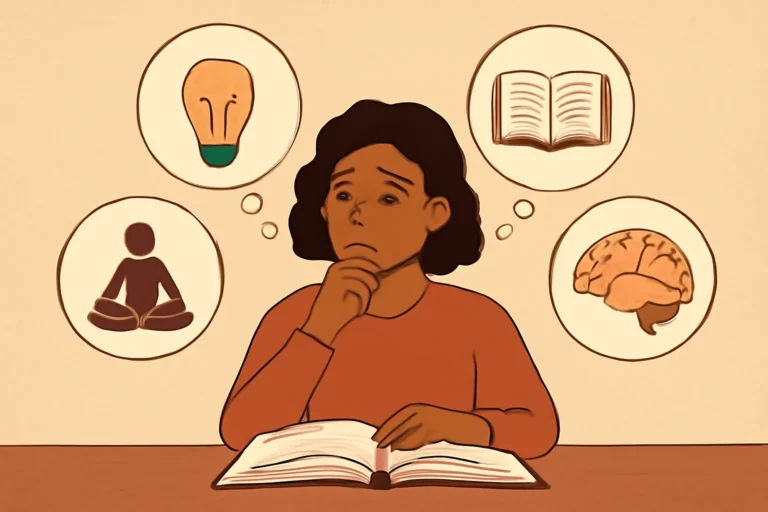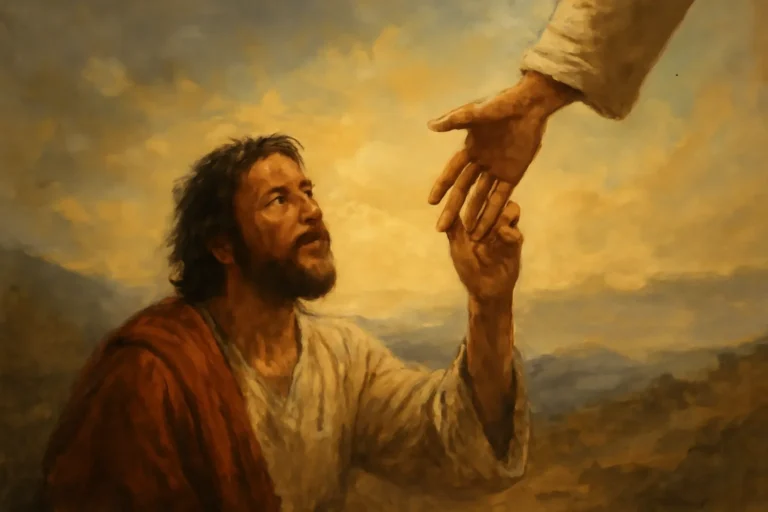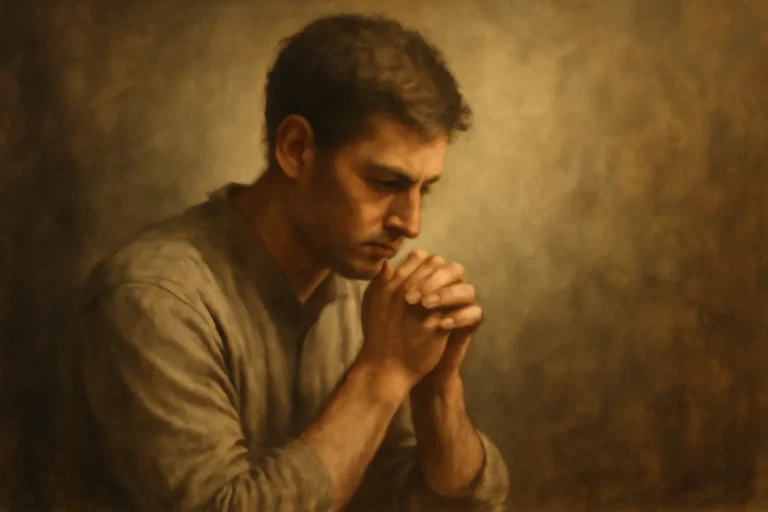
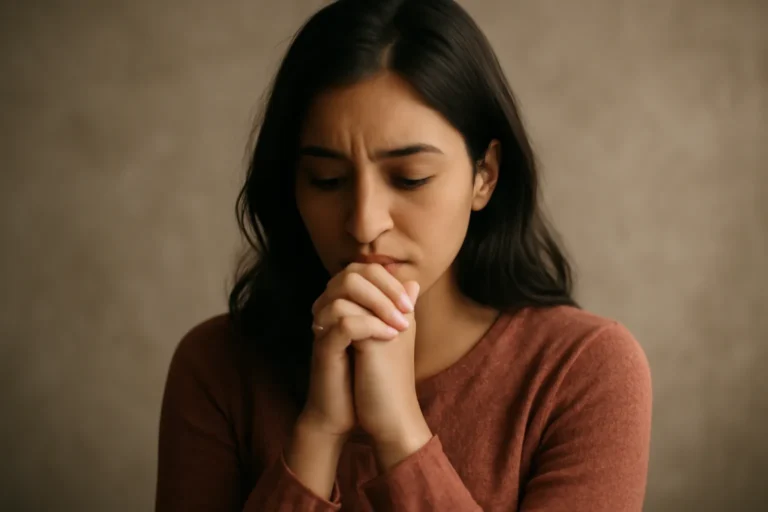
Prayer is a broad, deeply human practice that appears in countless forms across cultures and traditions. This article gathers common questions about prayer, offering information, interpretation, and guidance to readers from diverse religious backgrounds. Whether you seek practical methods, theological context, or personal insight, the following sections explore what prayer is, how it works, and why it matters in the lives of individuals, families, and communities.
What is Prayer?
At its core, prayer is communication with the divine, the sacred, or a transcendent dimension of reality as understood within a tradition. Yet definitions vary widely. Some describe prayer as a conversation with God, others as a form of worship, still others as a transformative practice that shapes heart and will. Across traditions, many scholars and practitioners emphasize that prayer is not only about asking for things but about aligning the inner life with larger purposes, values, or realities beyond the self.
Different dimensions of prayer
- Praise and thanksgiving: expressions of gratitude, adoration, or recognition of the worthiness of the divine.
- Petition and intercession: requests for oneself or for others, often in a communal or intercessory context.
- Confession and repentance: acknowledging faults and seeking forgiveness or moral renewal.
- Supplication and longing: deeply human longing for justice, mercy, healing, or guidance.
- Contemplation and silence: absorbing stillness, listening, and opening the heart to discernment.
- Liturgical and ritual prayer: structured, communal practice with established words, gestures, and times.
In many religious traditions, prayer is both personal and communal. The private hours of a devotee may contrast with the rhythms of a congregation or a sacred timetable. Some understand prayer as dialogue with the divine, while others describe it as communication within the soul, shaping conscience and action in daily life.
Why Do People Pray?
People pray for a wide range of reasons. While individual motivations are diverse, several common motives recur across traditions and cultures. Understanding these can illuminate how prayer functions in everyday life and in times of crisis or joy.
Key reasons people turn to prayer
- Connection with the sacred — a desire to maintain a relationship with the divine or with ultimate meaning.
- Comfort in suffering — seeking solace, strength, or hope during hardship, illness, or loss.
- Guidance and discernment — asking for wisdom to make moral choices, navigate uncertainty, or plan a course of action.
- Gratitude and worship — acknowledging blessings, expressing reverence, and fostering humility.
- Intercession for others — praying on behalf of family, friends, communities, or the wider world.
- Transformation and moral growth — the belief that prayer shapes virtue, patience, mercy, and self-control.
These motives often blend, intensify, or shift with life stages, cultural context, and doctrinal emphasis. For example, a believer facing a medical diagnosis may lean into prayers for healing, comfort, and resilience, while a community grapples with injustice may elevate petitions for peace, reconciliation, and systemic change.
How Should One Pray? Practical Forms and Approaches
There is no single prescribed method for prayer that suits every practitioner. Different religious traditions teach diverse approaches, and even within a tradition, believers may adopt multiple styles. Here are several common forms and practical considerations that many find helpful.
Forms of prayer
- Oral prayer (spoken aloud or whispered) — recited prayers, spontaneous petitions, or liturgical responses shared aloud with others.
- Silent prayer — inward communication, contemplation, listening for divine guidance or interior transformation.
- Written prayers — prayers drafted by oneself or by a tradition’s authors, often used in daily devotions or formal services.
- Corporate prayer — communal prayer within a group, church, synagogue, mosque, temple, or other assembly.
- Walking or moving prayers — meditative or ritual movements that accompany reflection or petition.
- Prayers of confession and repentance — acknowledging faults and seeking reconciliation, mercy, or forgiveness.
- Prayers of intercession and petition — lifting up needs and concerns for others and the world.
Techniques and practices often used in prayer
- Breath awareness — coordinating breath with phrases, easing into stillness and focus.
- Posture and body language — standing, kneeling, prostration, hands lifted, or palms open as symbols of openness and reverence.
- Scripture-centered prayer — praying through or with sacred texts, reflecting on passages, often used in liturgical settings.
- Imaginative or contemplative prayer — using imagery, metaphors, or guided reflections to encounter the divine.
- Gratitude journals — daily lists of blessings, turning attention toward positive grace and provision.
- Silence and waiting — practicing patient listening, even when answers are not immediate or obvious.
Different traditions may emphasize certain forms over others. For instance, liturgical churches often prioritize communal prayers with prescribed words, while monastic or contemplative streams may emphasize quiet, extended silence as a way to encounter the divine beyond words. Individuals may blend forms to fit personal rhythms and life circumstances.
When and Where to Pray?
Questions about timing and setting are common. Prayer does not require a particular place or moment, but many people cultivate regular patterns to nurture discipline, memory, and spiritual focus. Different faith communities also appoint specific times and spaces for prayer as part of their shared life.
Timing considerations
- Daily routines — morning prayers to begin the day, midday or evening prayers to center the day’s pace, or night prayers for reflection before rest.
- Life events — prayers on birthdays, anniversaries, graduations, or during rites of passage, illness, pregnancy, or death.
- Seasonal contexts — special prayers during religious seasons, fasts, feasts, or times of lament and hope.
- Crisis and urgent need — spontaneous or crises-driven prayer when immediate support is sought.
Places and spaces for prayer
- Home or personal shrine — private altars, devotional corners, or quiet rooms designed for worship and reflection.
- Places of worship — churches, mosques, synagogues, temples, or chapels where a community gathers for prayer.
- Nature and public spaces — outdoor settings, gardens, or parks that offer a sense of awe and wonder that accompanies prayer.
- Work and travel — brief prayers during breaks, or times of commuting when needed.
Ultimately, the best timing and place are those that help a person focus attention, open the heart, and sustain sincerity. Consistency and intentionality often matter as much as the exact moment or location.
Who Can Pray, and Who Should Not Be Excluded?
Prayer is widely understood as an inclusive practice in many traditions, though cultural norms and doctrinal boundaries may shape who participates and how.
Accessibility and inclusivity
- Everyone can pray — across traditions, the door to prayer is generally open to people of all ages, backgrounds, and abilities.
- Age and capacity — young children, elderly individuals, and those with different cognitive or physical abilities can engage in meaningful prayer appropriate to their capacity.
- Non-believers and seekers — even among those who identify as non-religious or spiritual but not doctrinally aligned, many engage in reflective, contemplative, or intercessory practices that resemble prayer.
- Intercessory prayer — communities often encourage praying for others, which extends beyond personal belief systems and can build empathy and solidarity.
Some traditions have explicit guidelines about who may lead prayer or participate in particular rites. It is important to respect those norms while recognizing the broader human impulse toward prayer as a source of meaning, comfort, or courage.
What Does Prayer Do? Perspectives Across Traditions
Prayer is often described as shaping the practitioner as much as it moves the divine. Theological perspectives differ on how prayer works in the world, how it relates to divine will, and how it impacts communities.
Theological perspectives on outcomes
- Petitionary theology — prayer as requesting goods or mercy for oneself or others, with the understanding that God may respond in various ways (granting, delaying, or redirecting outcomes).
- Transformational theology — prayer primarily transforms the person who prays, aligning their desires with virtues such as patience, compassion, and humility, regardless of immediate external results.
- Relational theology — prayer sustains a relational bond with the divine, fostering trust, gratitude, and ongoing conversation, which in turn shapes communal life.
- Communal and liturgical outcomes — in many traditions, prayer binds people together, creating shared memory, moral accountability, and justice-oriented momentum.
- Mystical and contemplative perspectives — beyond words, prayer becomes an encounter that transcends rational explanation, inviting profound rest, peace, or mystery.
Across religions, people report a broad spectrum of perceived effects, including comfort in suffering, clarity during decision-making, healing of relationships, and renewed courage to respond to injustice. While it is not always possible to quantify outcomes, many adherents describe prayer as a steady and trustworthy companion in life’s journey.
Common Questions and Variations (FAQ-Style)
Below is a structured set of frequently asked questions, each followed by a concise answer that reflects diverse perspectives. The questions use varied phrasing while addressing central concerns about prayer.
- What is the simplest way to begin a daily prayer practice?
- Begin with a short, intentional routine—perhaps five minutes—that includes a moment of stillness, a short affirmation or Scripture reading, and a closing petition or gratitude. over time, you can add breath awareness, quiet listening, or a favorite prayer.
- How can I pray when I doubt God’s existence or presence?
- Prayer can still be meaningful in the midst of doubt. Approach it as a practice of honesty—acknowledging uncertainty, expressing longing for meaning, and inviting openness. The act of turning toward questions can itself be a form of spiritual training.
- Is prayer asking for others more important than praying for oneself?
- Both forms have value. Prayers for others cultivate empathy and solidarity and can enliven communal bonds. Personal prayers sustain inner integrity and resilience. A balanced rhythm often includes both.
- Can non-Christians or non-Muslims practice Christian or Muslim prayers respectfully?
- Many traditions teach the importance of reverence and discernment when engaging with another faith’s prayers. If you participate, do so with humility, seek consent where appropriate, and adhere to the norms of the community you are entering.
- What do different religions teach about unanswered prayers?
- Responses vary. Some traditions emphasize divine timing or the greater good; others teach that prayer shapes the heart and character regardless of external outcomes; some maintain mystery where the reasons for not answering are beyond human comprehension.
- How does prayer relate to action in the world?
- Prayer and action are often understood as complementary. Prayer can deepen discernment, sustain moral courage, and mobilize compassion that leads to practical acts of service, advocacy, and social justice.
- What is intercessory prayer, and is it effective?
- Intercessory prayer is praying on behalf of others. Effectiveness is understood differently across faith communities—some view it as divine response to collective need, others see it as strengthening the community’s compassion and resolve, even if external circumstances remain unchanged.
- How long should a typical prayer last?
- There is no universal length. Some prayers are brief, a few seconds or minutes; others are longer meditations or liturgical cycles. The quality is more important than the duration—sincerity, focus, and attentiveness matter more than clock time.
- What about prayer during difficult times when nothing seems to change?
- In difficult times, prayer can provide companionship, resilience, and a framework for endurance. It may also open space for new insights, community support, or alternative paths forward. The sense of being heard may persist even when outward circumstances remain challenging.
- Are there prayers that are considered universally effective across traditions?
- Most traditions honor certain universal themes—gratitude, mercy, wisdom, and the longing for peace. The language and form may differ, but many prayers share common aims: to honor the sacred, seek guidance, and cultivate compassion.
- How can I memorize and recite prayers without becoming robotic?
- Balance memorization with personal reflection. Use a core set of words as a scaffold, but pause to personalize petitions, express sincerity, and respond to the present moment. Interweave spontaneous prayers with written ones to keep the practice living.
- What role does scripture play in prayer?
- For many, scripture provides words, themes, and imagery that fuel devotion, deepen understanding of divine will, and connect present life with sacred history. Reading, reflecting, and praying through sacred texts can anchor a practice in tradition while inviting fresh insight.
- Is there a difference between prayer and meditation?
- In some traditions, prayer is explicitly addressed communication with the divine, while meditation emphasizes inner stillness, awareness, and non-dual perception. In practice, many people blend both: prayer with vocal or mental requests, and meditation with silent attention.
- What if I am in a place where praying aloud could be inappropriate or risky?
- Private or quiet forms of prayer can be just as meaningful. You can engage in silent reflection, personal petitions, or inward thanksgiving. The spirit of reverence can be preserved even in constrained environments.
- How should prayer relate to daily work and family life?
- Prayer can inform choices, temper reactions, and deepen gratitude within daily routines. It can also inspire acts of service, ethical decision-making, and patience in parenting, caregiving, and professional responsibilities.
- Can prayer be ecumenical or interfaith in nature?
- Yes. Some communities invite prayers from multiple traditions, fostering mutual respect and shared values like compassion, justice, and peace. Interfaith prayer requires careful listening, humility, and a willingness to learn from others’ beliefs.
- What should one do if they feel distant from prayer or the divine?
- That feeling is common. Consider adjusting the form of prayer, seeking guidance from trusted mentors, reading sacred texts, joining a supportive community, or simply returning to a slower, more elemental practice such as gratitude or breath prayer.
Interfaith and Comparative Perspectives on Prayer
Many readers benefit from seeing how prayer functions across religious landscapes. While the language, aimed end, and metaphors differ, there are notable convergences that highlight shared human concerns: longing for mercy, desire for justice, call to compassion, and a yearning for presence beyond self.
Christian perspectives
- Jesus’ teachings on prayer emphasize authenticity, humility, and simplicity (e.g., the Lord’s Prayer as a model of structure and intention).
- Liturgical prayer provides communal vocabulary that unites worshippers across generations and cultures.
- Prayer for healing and intercession remains a central feature in many Christian communities, often accompanied by practical care and support.
Islamic perspectives
- Salat (the formal canonical prayer) is a pillar of daily life, performed with prescribed movements and Qur’anic verses, at specific times.
- Dua (personal supplication) complements liturgical worship, enabling intimate conversation with God beyond ritual obligations.
- Communal prayer strengthens solidarity and attention to justice within the community.
Hindu and Sikh perspectives
- Namajapa (japa) and bhakti prayers emphasize remembrance of the divine through mantras, chanting, and devotional singing.
- Ritual puja connects worshippers with deities, symbols, and the cosmos, fostering gratitude and moral orientation.
- Corporate kirtan and congregational recitation create shared spiritual energy and communal identity.
Other traditions
- Judaism features structured prayers in daily and festival contexts, including blessings, psalms, and liturgical recitation that binds history to present life.
- Buddhism emphasizes meditation, compassion, and insight, with prayer-like practices that honor Buddhas, bodhisattvas, or the well-being of all beings.
- Indigenous and ancestral traditions often include prayers held within ritual cycles, offering gratitude and seeking guidance from ancestors, spirits, or nature itself.
These frameworks illustrate how different communities articulate the same essential human longing: to know resonance with the sacred and to live with greater integrity within a shared world.
Common Barriers to Prayer and How to Address Them
Even devoted practitioners encounter obstacles. Recognizing and addressing barriers can help sustain a meaningful practice that remains both honest and hopeful.
Doubt, dryness, and perceived distance
- Doubt may accompany prayer as a natural part of faith questioning. Approach doubt as a companion on the journey, not a barrier to be overcome immediately.
- Spiritual dryness can be a phase in which words feel hollow. Embrace silence, ritual repetition, or other forms that awaken the senses and re-enter the heart slowly.
- Distance from the divine can prompt renewed study, mentorship, or community involvement to rekindle a sense of connection.
Time constraints and distraction
- Time management is a practical skill: short, consistent practices can be deeply meaningful, even if longer sessions are rare.
- Distractions can be mitigated by creating a dedicated space, setting a routine, and using cueing reminders like a prayer bead, a scripture, or a bell.
Misunderstandings about answers
- Some expect immediate, measurable outcomes. A more nuanced view recognizes that prayer can yield inner transformation and moral clarity even when external outcomes seem unchanged.
- Others worry that unanswered prayers indicate failure or lack of faith. In many traditions, unanswered prayers invite patience, deeper trust, and a broader sense of timing and divine wisdom.
Guidance for Cultivating a Sustainable Prayer Practice
Whether you are new to prayer or returning after a lull, the following guidance can help foster a sustainable, meaningful, and flexible practice that honors personal context and tradition.
Practical steps
- Start small—five to ten minutes a day can establish a reliable rhythm that grows over time.
- Set a intention—begin with a clear aim for the session: gratitude, petition, confession, or listening.
- Use structure wisely—a simple structure such as opening with praise, offering thanks, presenting requests, and closing with rest or contemplation can help maintain focus without rigidity.
- Keep a journal—record prayers, reflections, perceived answers, and moments of quiet or breakthrough.
- Involve others— join a study group, attend a prayer meeting, or share a quiet practice with a trusted friend or family member.
Tips for different life contexts
- During grief or loss— seek prayers or meditations that validate pain while inviting grace, remembrance, and support from others.
- During conflict or injustice— pray for courage, wisdom, and the relief of those affected, while engaging in advocacy or peaceful action in the world.
- During illness— prayers for healing can be accompanied by practical steps for care, medical advice, and supportive presence from loved ones.
Conclusion: The Lifelong Practice of Prayer
Prayer is not a one-size-fits-all formula but a lifelong practice that can deepen faith, shape character, and foster solidarity with others. It invites the practitioner into a discipline of attention—attending to what matters most, listening for what is true, and choosing acts of mercy and generosity in daily life. Across traditions and personal paths, prayer remains a central compass for the person who seeks to live with integrity, hope, and compassion in a complex world.
If you are exploring prayer for the first time or seeking to renew a thread of practice, consider opening with curiosity, practicing with consistency, and embracing both structure and spontaneity. In many faith communities, the shared journey of prayer can become a source of strength, clarity, and hope—a reminder that to pray is, in a meaningful sense, to belong to something larger than the self and to participate in a tradition that has sustained prayerful living for centuries.