Introduction: Cycles of Sin and Deliverance and Their Timeless Relevance
The biblical book commonly titled Judges presents a striking and enduring portrait of a people caught in cycles of sin, oppression, repentance, and deliverance. This is not merely an ancient narrative of a distant tribe; it is a study in human nature, communal memory, and divine mercy that resonates with churches, families, and nations today. In this long arc of history, the people of Israel repeatedly stray from covenant faithfulness, experience the consequences of that estrangement through external powers, cry out to God, and discover that deliverance comes through flawed yet faithful leaders whom God raises up by his Spirit. The pattern is so consistent that commentators often describe it as a cycle: apostasy → oppression → supplication → deliverance → peace. Reading these accounts with careful attention yields lessons that are remarkably applicable to contemporary faith communities and to personal spiritual formation. This article surveys the cycles themselves, surveys the major figures who appear within them, and reflects on how the Judges period can inform ethical leadership, communal resilience, and a faithful walk with God in the present day.
The Core Pattern: The Cycle of Sin and Deliverance in the Judges Era
The repeated structure in the Judges narrative is both a theological argument and a pedagogical device. It teaches that sin has consequences, yet it also reveals a God who is steadfast in mercy and who intervenes in history to restore relationship. The pattern is not merely about individuals; it is about communities learning to trust, reorient, and reform. Within each cycle, several interlocking components emerge:
Turning away from God and the adoption of local religious or political alliances that undermine the covenant commitments.
Internal weakness or moral compromise that makes the community vulnerable to external powers.
Oppression or subjugation by neighboring peoples, often described with vivid imagery of war, domination, and fear.
Cry for deliverance as people recognize their dependence on the divine mercy they have neglected.
Raising up a deliverer—a judge—whom God empowers to liberate the people and to reestablish a measure of order and faithfulness.
A period of peace and fidelity following triumph, sometimes with reform and renewed fidelity, but often short-lived as the cycle begins anew.
This sequence is not merely about political superiority or military victory. It is fundamentally about where the community places its trust, how it evaluates leadership, and whether it remembers its obligations to God and to one another. In the modern world, readers can translate this pattern into cycles of disorder and reform within spiritual communities, families, workplaces, and even national institutions. When trust in God wanes, the temptation to rely on human schemes—political power, wealth, or coercive control—becomes seductive. When crisis comes, the impulse to call out for help from a power higher than oneself can awaken a renewed sense of covenant responsibility. The Judges, then, are not merely ancient figures; they are mirrors that reveal how faithfulness and failure play out in real time.
Major Figures of the Judges: Othniel, Ehud, Deborah, Gideon, Jephthah, Samson
The book highlights a roster of deliverers whose lives illustrate different facets of leadership and faith. Each figure embodies strengths and frailties that have become touchpoints for ethical reflection in the present day. Below are concise sketches of these leaders, followed by reflections on the broad lessons their stories offer for contemporary readers.
Othniel: Courage in Covenant Faithfulness
Othniel stands early in the Judges sequence as a model of quiet courage and fidelity to the covenant. He is described as a worthy deliverer who embodies the virtue of faithfulness under pressure. Modern readers can learn from his example that leadership rooted in a steadfast commitment to God tends to create space for true liberty and stability within a community. The lesson here is not merely martial prowess but the integrity of character when faced with pressure to bend moral rules. In today’s terms, integrity under stress is a decisive capital for any leader who hopes to facilitate durable peace.
Ehud: Embracing Complex Strategy and Courageous Boldness
Ehud’s story is remarkable for its blend of bold risk-taking and a nuanced moral posture. He uses deception in service of a righteous aim, which raises perennial questions about means and ends. What matters here is the underlying aim: liberation from oppression and restoration of a rightful order under God. For contemporary readers, Ehud’s narrative invites careful discernment about strategy in difficult circumstances. It cautions against careless pragmatism but also affirms that courageous, morally complex actions can be part of God’s redemptive work when motivated by faith and aligned with God’s purposes.
Deborah: Leadership, Wisdom, and the Power of Community Counsel
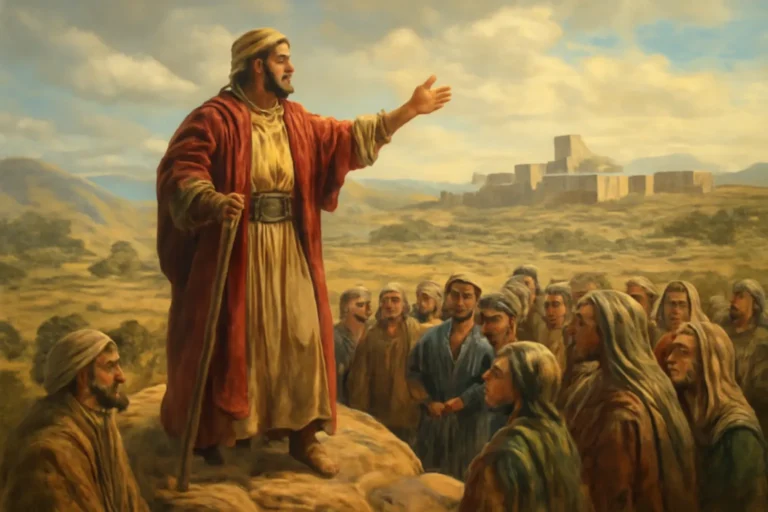
Deborah, a judge and prophetess, stands out as a paradigmatic example of female leadership within the biblical corpus. She embodies wisdom, discernment, and communal solidarity, calling Barak to step into action and coordinating military and spiritual strategies with a clear sense of divine purpose. Deborah’s story emphasizes that leadership is not solely about command but about cultivating a culture of listening to God and mobilizing others toward shared aims. For today’s communities, Deborah’s example highlights the value of collaborative leadership, prophetic courage, and the importance of listening to voices across gender and social lines in service of justice and mercy.
Gideon: Humility, Wavering Faith, and the Gift of Divine Assurance
Gideon’s arc is perhaps the most intricate in Judges. He demonstrates immense courage yet wrestles with doubt, requests signs, and tempers replies with awe at God’s miraculous acts. His journey teaches that humility before divine initiative and a willingness to trust beyond visible evidence are essential to effective leadership. The famous motif of reducing the Midianite army from thousands to a small, seemingly insufficient force underscores the paradox that reliance on God often requires renouncing human pride and mathematical certainty. In the modern church and society, Gideon’s story invites readers to examine where they place their confidence: in numbers, resources, or God who calls for faith beyond human capacity.
Jephthah: The Ambiguities of Vowed Piety and Public Consequences
Jephthah’s narrative raises complex ethical questions about vows, politics, and the consequences of leadership decisions. His rash vow and the tragic cost to his daughter reveal how quickly good intentions can become morally painful outcomes when accountability is lacking. The takeaway for today is not the preservation of ritual piety divorced from wisdom, but a call to deliberate, ethically responsible leadership that weighs consequences, seeks counsel, and values human dignity. The Jephthah story invites modern readers to scrutinize the relation between public leadership, personal vows, and the welfare of the vulnerable in every era.
Samson: Strength, Vision, and the Limits of Personal Power
Samson is one of the most complex figures in biblical literature. Gifted with extraordinary physical strength and endowed with a volatile moral life, he embodies the tension between charisma and character. His story interrogates questions about how power is exercised, how personal appetites can undermine communal welfare, and how God can still work through flawed instruments to accomplish larger redemptive ends. For contemporary readers, Samson’s life offers cautionary lessons about self-control, accountability, and the role of divine sovereignty in history. It also invites reflection on how communities, even when led by imperfect figures, can experience deliverance through God’s gracious purposes.
Theological Pulse: Covenant, Mercy, and Human Agency
Across the Judges narratives, several theological motifs recur with remarkable clarity. They help anchor contemporary interpretation and guide practical application for individuals, families, and faith communities today.
Covenant faithfulness as the ground of community life. The people’s fidelity to God’s commands shapes collective destiny more than military strength or political alliances alone.
Divine mercy and initiative at the center of history. Even when Israel fails, God remembers his promises and acts to restore relationship, often through imperfect means.
Human responsibility in choosing obedience, justice, and mercy. The narrative never claims that deliverance is automatic; it requires repentance, humility, and reform.
Judgment and hope coexisting. The Judges period is marked by cycles, yet hope remains that God’s purposes endure beyond each generation’s frailties.
Theologically, the period invites readers to reflect on the tension between God’s sovereignty and human responsibility. It also highlights the radical idea that God can use fallible leaders to accomplish his redemptive plans. This is a powerful reminder for today’s believers: divine purposes are not thwarted by human frailty; rather, grace often operates through imperfect vessels to fulfill larger aims.
Each cycle begins with a turning away from the covenant. In the modern context, the call to repentance is not a mere ritual; it is a transformative posture. Humility before God opens space for grace, reorientation, and renewal. Individuals who practice regular self-examination—paired with a responsive heart to God’s word—are less prone to the arrogance that leads to spiritual desolation. A practical practice is to cultivate a monthly rhythm of confession, reflection on missed commitments, and recommitment to core spiritual disciplines such as prayer, Scripture, and acts of mercy.
2) Prayerful Waiting and Discernment
The Judges era demonstrates the value of waiting on God’s timing and discerning his will amid uncertainty. In today’s fast-paced environment, the temptation is to rush decisions, especially in times of crisis. Yet the biblical pattern encourages a pause: seek counsel, test motives, and align choices with long-term fidelity rather than short-term gain. The discipline of discernment—learning to differentiate between expedient options and faithful ones—can become a defining mark of mature spiritual life.
3) Courage Coupled with Wisdom
Courage is essential, but courage without wisdom can be reckless. The deliverers in Judges often model bold action tempered by reliance on God. Modern readers are invited to cultivate discernment that informs bold steps—whether in personal vocation, family life, or workplace ethics. Courage anchored in God’s promises produces outcomes that honor human dignity and advance justice.
4) The Power of Community and Shared Leadership
Deborah’s leadership illustrates that spiritual authority is not monopolized by a single voice. In today’s churches and religious organizations, shared leadership—where prophets, teachers, elders, and lay leaders collaborate with respect—can strengthen accountability and broaden accountability networks. Communities that cultivate prophetic voices, protect vulnerable members, and promote transparent governance tend to endure longer under pressure than those that centralize power without accountability.
5) Sacred Memory and Reform
The cyclical memory embedded in Judges calls communities to remember and reform. Rituals of remembrance—testimonies, annual commemorations of acts of mercy, and education about past mistakes—help prevent the slide into recurring cycles of distress. A modern application is to institutionalize learning from past failures, ensuring that lessons do not fade with time and that reforms address root causes rather than merely symptoms.
Lessons for Today: Leadership, Governance, and Social Ethics
1) Ethical Leadership Grounded in Covenant Values
Leadership in the Judges era is double-edged: some deliverers embody fidelity, others reveal the dangers of power divorced from ethical anchors. The modern takeaway is straightforward: strong leadership must be anchored in ethical integrity, accountability, and reverence for human dignity. Leaders should be measured not only by results but by the methods used to achieve them, ensuring thatvictory does not come at the cost of justice or compassion.
2) Justice, Mercy, and the Protection of the Vulnerable
Across the narratives, the vulnerable bear the weight of political and martial decisions. The modern church and civic communities are called to prioritize the protection of the weak, to resist oppressive structures, and to pursue restorative justice. The Judges period implies that true leadership is not about coercive dominance but about serving the common good, reconciling enemies, and creating conditions for flourishing for all members of society.
3) The Role of Women and Diverse Voices in Leadership
Deborah’s prominence invites contemporary reflection on inclusive leadership. The presence of women in leadership roles in the Judges books is a reminder that wisdom, courage, and strategic insight can be found in diverse voices. In today’s faith communities, recognizing and elevating diverse perspectives—within biblical interpretation, liturgical leadership, and social advocacy—enriches the church’s witness and helps it to respond more fully to the complexities of modern life.
The episodes involving vows, bloodlines, and public vows highlight that ethical living has consequences beyond the personal sphere. In modern governance, it is essential to appoint leaders who respect life, cultivate mercy, and avoid rash or reckless commitments that damage communities. The biblical warning against making hasty vows without adequate moral deliberation remains relevant in contemporary public life, including political campaigns and policy making.
Additional Dimensions: Literary, Historical, and Theological Context
To appreciate the power and relevance of the Judges, it helps to situate the book within its ancient world and within a broader biblical narrative arc. The period of the Judges occurred after the settlement in the land and before the rise of the monarchy. It reveals a transitional moment when tribal confederation, local leadership, and divine calling intersected amid shifting political realities. The narrative voice—often alternating between terse military summaries and intimate personal episodes—emphasizes the unpredictable and dynamic nature of God’s action in history. Interpreters today explore how these ancient circumstances illuminate enduring truths about leadership under pressure, the fragility of human institutions, and the persistent offer of grace even when communities stumble.
Theologically, the book situates deliverance within the framework of covenant relationship. Israel’s fate is tied not merely to tactical success but to fidelity to the divine covenant. When the people turn away from God, the collapse of social and spiritual order follows. When they repent and return, God responds with mercy and mobilizes a deliverer. This interplay invites contemporary readers to consider how covenant faithfulness shapes modern communities: does fidelity to core spiritual commitments undergird social justice, moral courage, and cultural renewal?
Practical Applications: How to Translate Judges-Era Lessons into Modern Practice
Small-group spiritual formation: Build cohorts focused on prayer, Scripture, and accountability that reflect Deborah-like collaborative leadership, with every member contributing gifts for the community’s well-being.
Leadership development programs: Emphasize discernment, ethical decision-making, and mercy-centered governance to prepare leaders who can navigate crises without compromising core values.
Conflict resolution and mercy initiatives: Design programs that address grievances, protect the vulnerable, and promote restorative justice—turning cycles of conflict into cycles of healing.
Rituals of memory and reform: Establish liturgical and educational practices that commemorate both victories and failures, inviting ongoing reform and renewal in light of biblical witness.
Public theology and civic engagement: Encourage faith communities to engage with social issues—poverty, education, justice, and mercy—reflecting on how covenant fidelity should shape public policy and communal life.
Common Misreadings and Pitfalls: Toward a Balanced Understanding
Misreading as myth only: Treating Judges as a mere collection of legends can obscure serious ethical and theological questions about leadership, responsibility, and God’s intervention in history.
Overemphasizing violence: While some episodes involve conflict, the broader message often centers on mercy, humility, and reform—issues that demand careful, context-aware interpretation.
Equating ancient monarchy with modern state power: The Judges period predates a centralized monarchy; applying its lessons requires careful translation to questions of governance, not simply replication of ancient military tactics.
Ignoring the feminine voices within the text: Debates about leadership should include attention to the women who contribute to God’s purposes, reminding readers that wisdom and authority can be expressed in diverse modalities.
Conclusion: The Enduring Wisdom of the Judges for Today
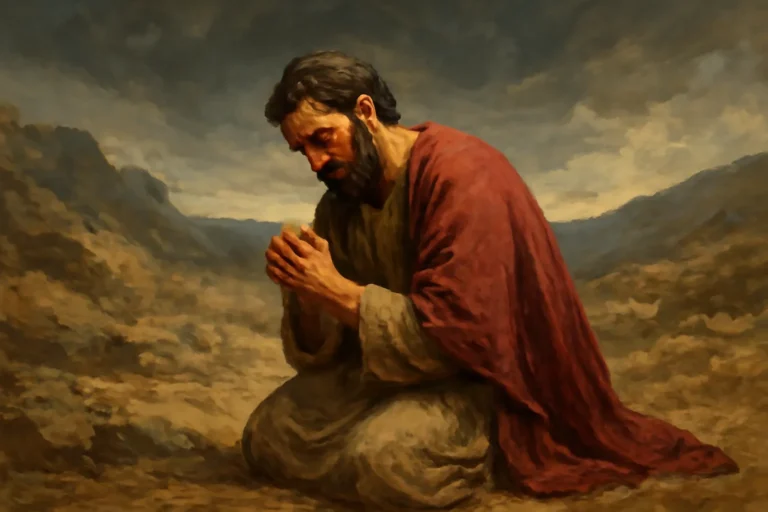
The cycles of sin and deliverance in the Judges reveal a compelling portrait of a people learning to rely on God amid uncertainty, to cultivate genuine leadership under pressure, and to pursue justice and mercy within a fragile social order. For contemporary readers, the era of the Judges offers more than historical curiosity; it offers a disciplined framework for evaluating leadership, reforming communities, and deepening personal faith. The book’s repeated insistence that God’s mercy endures to those who seek him invites believers to cultivate practices of repentance, discernment, courage, and collaborative leadership that can sustain faithful witness in a complex world. In every generation, the message remains clear: cycles may recur, but God’s purposes persist, and fidelity—whether by Othniel, Deborah, Gideon, or an unnamed believer who prays in a hidden place—can yield deliverance, peace, and renewed hope.
As modern communities read these ancient accounts, they can choose to interpret them through the lens of today’s social ethics, pastoral care, and missionary vocation. The Judges remind us that transformation rarely comes through flawless heroes alone, but through the faithful service of imperfect vessels whom God uses to accomplish his good purposes. By embracing the lessons of repentance, discernment, courageous faith, and communal responsibility, contemporary faith communities can turn cycles of distress into opportunities for renewal, better leadership, and a deeper trust in the God who calls, equips, and sustains his people through every generation.