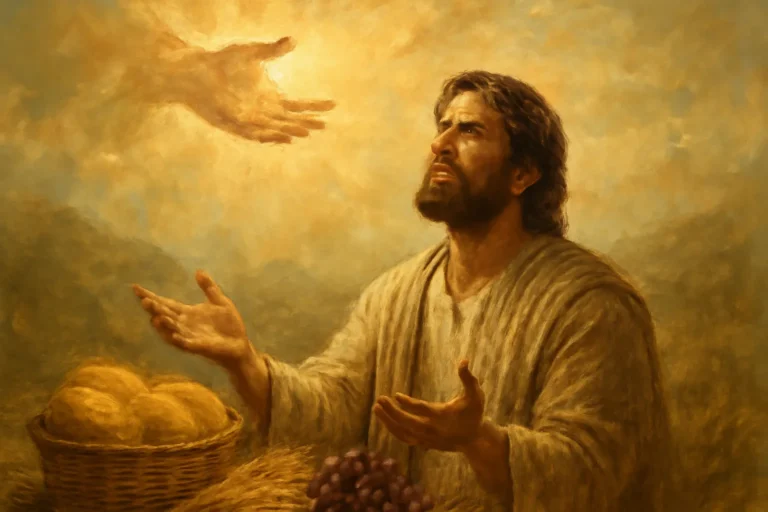
Introduction: Advent as a Season of Expectation, Preparation, and Hope
Advent is a distinct and cherished season within the Christian calendar that gathers communities
around a shared rhythm of waiting, reflection, and anticipation. In many traditions, Advent marks
a period of preparation for the coming of Christ—the Incarnation in the world and the ongoing
expectation of Christ’s return. The question why do Christians observe Advent emerges from
a desire to ground holiday celebrations in theological meaning, to shape spiritual formation, and to
orient daily life toward God’s redemptive work in history. Across centuries and cultures, Advent has
taken on a variety of practices and emphases, yet it remains a unified call to attend to the light that
enters the darkness and to cultivate virtues that align hearts with the gospel.
What Advent Is: Definition, Timing, and Core Elements
Advent, from the Latin adventus meaning “coming,” is traditionally observed as a preparatory season in
the weeks leading up to Christmas. While the exact length and emphasis can vary by tradition, the core
idea remains consistent: to awaken expectancy for the arrival of Jesus Christ—historically in Bethlehem,
spiritually in the present age, and eschatologically in the fullness of God’s kingdom.
Key features that commonly appear in Advent observance
- Calendar and countdown: A rhythm of days, weeks, and seasonal markers that directs
attention toward the approaching celebration of Christ’s birth and the anticipated return. - Lighting of candles: An Advent wreath with candles representing themes such as hope,
peace, joy, and love, typically lit in weekly progression. - Scripture and prayer: Emphasis on biblical readings, meditations, and prayers that focus
on longing for God and on the fulfillment of God’s promises. - Reflection and repentance: A call to examine one’s life, repent where needed, and seek
alignment with Christ’s lordship. - Expectant waiting: A posture of patient hope that recognizes the paradox of already
and not yet—the present experience of divine grace alongside future fulfillment.
The Historical Emergence of Advent: From Early Expectation to Liturgical Practice
Advent’s roots lie in the early Christian expectation that God’s Messiah would come in one way or another
to rescue and redeem. Over time, churches formalized a season that would help believers distinguish
between ordinary time and the extraordinary event of God becoming human. Advent’s development into a
liturgical season reflects a pedagogy of faith: the church teaches by ritual, symbol, and repetition to
form the conscience and shape the imagination toward divine truths.
The shaping of Advent in the ancient church
In the earliest centuries, Christian communities already anticipated Christ’s coming in the flesh as well
as his promised return. The practice of catechesis—instruction in the faith for converts—often took
place within a lenient rhythm that allowed for seasons of instruction, baptism, and spiritual formation.
As church calendars matured, Advent began to be linked with other liturgical seasons, such as Lent and
Epiphany, yielding a robust pedagogy of waiting that was both doctrinal and devotional.
Medieval and Reformation-era developments
During the medieval period, Advent acquired more pronounced devotional symbolism, such as the Advent
wreath, ritual prayers, and specific readings from the prophets and the Gospels. The Reformation brought
significant diversity in practice, as some Protestant communities reemphasized scripture-led preparation and
simplicity in worship practices while still preserving the season’s sense of expectation. Across these
shifts, the essential question persisted: why do Christians observe Advent in ways that shape
worship, ethics, and daily life?
Why Do Christians Observe Advent? Theological Foundations
The question why do Christians observe Advent invites a synthesis of historical memory, biblical
interpretation, and spiritual formation. The season answers a cluster of theological questions about
identity, hope, and vocation. At its heart, Advent invites believers to anchor faith in two turning points:
the first coming of Christ in history (the nativity) and the future coming of Christ in glory (the Second
Advent). The following subsections explore the theological reasons behind Advent’s observance.
The Incarnation and the gift of God’s nearness
Advent proclaims the profound truth of the Incarnation: God becoming flesh in Jesus Christ.
This is not a mere historical memory but a present reality that reshapes how Christians understand God’s
relationship to humanity. The season invites believers to dwell on the mystery that the divine
I AM took on human form, a transformative event that calls for reverence, gratitude, and trust.
Hope amid longing: the eschatological horizon
Advent frames Christian hope within the tension of “already but not yet.” The kingdom has begun with the
arrival of Jesus, yet its fullness awaits the return of Christ. This dual sense of fulfillment and longing
is central to why Advent is observed. Christians are invited to live in hopeful expectancy, resisting
cynicism and despair, and cultivating a patient, resolute faith as they await the culmination of God’s
purposes.
Preparation for repentance and transformation
A significant motive for Advent is spiritual preparation. The season encourages a catechetical and
contemplative stance: to examine conscience, confess shortcomings, and pursue holiness in daily life.
By naming sin and seeking grace, believers are formed into people more ready to receive the gift of
salvation and more prepared to embody God’s love in the world.
Delighting in grace while recognizing longing
Advent balances two truths: God’s grace is given in the gift of Christ, and human beings still yearn for
fuller transformation. This balance keeps the life of faith from becoming merely a nostalgic recollection
of Christmas or a consumer-driven anticipation. Instead, the season nurtures gratitude for grace and a
longing that drives mission, justice, and mercy in the present age.
The Spiritual Purpose of Advent: Themes, Virtues, and Practices
Advent serves as a ladder of spiritual ascent, inviting Christians to climb toward greater awareness of
God, neighbor, and self. The spiritual aims of Advent can be described through several interconnected
themes, each accompanied by practices that cultivate virtue and deepen devotion.
Hope as a disciplined posture
Hope in Advent is not mere optimism; it is a disciplined trust in God’s promises, even amid
uncertainty. By repeatedly turning attention to prophecies fulfilled in Christ and to the promise of
Christ’s return, believers are strengthened to persevere in faith, love, and fidelity.
Peace in the face of conflict
Advent invites Christians to seek peace in a world marked by division and struggle. This peace
is not passive resignation but active reconciliation, patient endurance, and a commitment to justice and
mercy. Through prayer, forgiveness, and communal discernment, Advent becomes a time for healing and
reconciliation within families, churches, and communities.
Joy rooted in divine initiative
The hidden joy of Advent comes from recognizing that God moves toward humanity first. The Advent narrative
reframes joy as a response to grace—not as a sentiment earned by human effort but as a fruit of God’s
gracious initiative in the world.
Love expressed in compassionate action
Advent teaches that love requires concrete action. By contemplating the vulnerable and marginalized who shared
in Christ’s life, Christians are called to acts of service, generosity, advocacy, and hospitality. The
season becomes a workshop for loving neighbor as oneself in practical ways.
Advent Practices Across Christian Traditions
Although the core purpose of Advent remains consistent, the customs and emphases vary among
traditions. The following overview highlights representative practices while underscoring the shared
aims that unite diverse Christian communities in observing Advent.
Roman Catholic and Anglican/Episcopal traditions
- Advent wreaths and seasonal decorations used in homes and churches to symbolize the four weeks of expectancy, with candles lit progressively.
- Scriptural lections that emphasize prophecy, the annunciation, and the nativity narratives, often following a lectionary.
- Advent prayers and devotional readings focused on repentance, hope, and the coming of Christ.
- Liturgical color violet or purple, signaling repentance and preparation, with occasional use of rose on the third Sunday (Gaudete Sunday) to mark growing joy becoming evident in the season.
- Advent calendars and devotional booklets to guide daily reflections, turning ordinary days into markers of spiritual progress.
Protestant traditions (varied emphases)
- Scripture-centered devotion with emphasis on the Gospels’ witness to Christ’s first coming and the prophetic anticipation of his return.
- Lectio divina and contemplative prayer practices that help believers hear God’s voice amid the bustle of the season.
- Fasting or self-denial practices during Advent in some traditions, as a rhythm that mirrors repentance and spiritual discipline.
- Advent readings and catechesis used to educate both children and adults about the meaning of the season and the significance of the Incarnation.
- Communal acts of mercy, such as charity drives, service projects, and outreach to those in need, reflecting Advent’s call to love in action.
Eastern Orthodox and Oriental Orthodox perspectives
- Nativity fast or Advent fast in some Orthodox traditions, emphasizing purification of the heart in preparation for Christmas.
- Liturgical richness with structured weekday services, hymnography, and feasting after fasts that enrich both catechesis and worship.
- Iconography and contemplation often accompany Advent with icons that invite the faithful to contemplate the mystery of the Incarnation.
Scriptural Foundations: What the Bible Teaches About Advent
Advent rests on a robust scriptural foundation, drawing from multiple strands of biblical witness. The season
invites believers to reflect on prophecies fulfilled in Christ, the annunciation to Mary, the narratives of
Zechariah and Elizabeth, and the shepherds’ worship on the night of Jesus’ birth. While the exact term
“Advent” does not appear in the biblical text, the theological arcs it emphasizes are rooted in Scripture.
Prophetic anticipation and fulfillment
The prophets spoke of a coming Savior who would bring justice, mercy, and salvation. In Advent, Christians
hear these promises afresh and see their fulfillment in the Birth of Jesus. The arc from prophetic longing
to fulfillment provides a template for spiritual longing today: we remember that God acts in history and
continues to act in the present.
The annunciation and the Nativity narratives
The Gospel accounts of the annunciation to Mary (Luke 1) and the birth narratives (Luke 2) are central to
Advent readings. These texts invite believers to ponder the humility of the Incarnation, the obedience
of Christ, and the servant-leadership that characterizes God’s intervention in human history.
New Testament exhortations on readiness and watchfulness
In the New Testament, Jesus teaches about watchfulness and preparedness for the kingdom. Advent invites
Christians to cultivate spiritual alertness, humility, and repentance, anticipating Christ’s presence with
courage and reverence. The epistles also encourage enduring hope and love as signs of authentic faith during
seasons of waiting.
Advent and Christmas: Distinctions, Continuities, and Theological Tensions
Advent and Christmas are deeply connected, yet they emphasize different theological emphases. Advent
foregrounds waiting, repentance, and preparation for the coming of the Messiah in history and in the
future. Christmas emphasizes the Incarnation—the God-made-human moment when God entered the world in
Jesus. The question what is the relationship between Advent and Christmas helps believers
hold both the solemn seriousness of the season and the joyful celebration of the birth of Christ.
Continuities
- The centrality of Jesus as the centerpiece of worship and proclamation.
- The call to humility, generosity, and love that characterizes both Advent and Christmas season.
- Rituals and symbols (candles, readings, hymns) that orient the faithful toward God’s work in Christ.
Distinctions
- Advent emphasizes preparation and anticipation; Christmas emphasizes realization and celebration.
- The liturgical color and mood shift toward celebration as Christmas approaches, but the season retains a tone of reverence.
- Practical observances—such as Advent calendars and certain devotional practices—serve as spiritual scaffolding for the long arc from prophecy to fulfillment.
Advent Variants: Cultural Expressions and Contemporary Adaptations
In today’s global church, Advent takes on many forms that reflect local cultures, languages, and
theological leanings. Some communities emphasize social justice, others emphasize contemplative
prayer, and some blend family-centered practices with public worship. The diversity demonstrates
that the essential aim of Advent—formation of character through longing for God’s coming—is
adaptable to different contexts while remaining anchored in the ancient faith.
Advent in worship and music
Through hymns, carols, and liturgical readings, Advent music often carries a mood of expectancy,
reminding worshippers that the season is not merely about a calendar date but about a spiritual
journey. The singing of prophecy, the angelic announcements, and the nativity narratives invites
believers to participate in the drama of salvation with communal voices.
Advent in family life and education
Families may engage with Advent through calendars, daily readings, or simplified catechesis for
children. The goal is to create structures that help family members slow down, reflect, and grow
in grace together. A central question for parents and educators is why do Christians observe Advent
in a way that includes children’s learning, wonder, and formation?
Advent in social justice and mission
Some Christian communities connect Advent to deeds of mercy and justice, interpreting waiting as a call
to participate in God’s renewal of creation and care for the vulnerable. By aligning Advent with acts of
charity, prayer, and outreach, believers embody a lived anticipation of God’s coming reign.
Practical Guidance: How to Observe Advent Today
If you are wondering how to observe Advent in contemporary life, here are practical pathways
that many Christians have found enriching. These suggestions can be adapted to family life, church
programs, or individual disciplines.
- Set a personal or family intention: Decide what you want to learn, forgive, or become
during Advent. Write it down and revisit it weekly. - Adopt a four-week rhythm: Use a weekly focus—Hope, Peace, Joy, Love—paired with reflective
Scripture and a simple prayer practice. - Use a devotional resource: Choose a devotional guide, a book of daily readings, or a
Bible-reading plan that aligns with the season’s themes. - Participate in corporate worship: Attend worship services that emphasize Advent readings,
scripture passages, and liturgical prayers that echo the season’s longing. - Engage charitable acts: Plan small acts of service or generous giving to those in need as a
way of embodying Advent’s love in action. - Practice intentional quiet and prayer: Carve out moments of silence, listening, and discernment to
hear God’s voice and acknowledge one’s dependence on divine grace. - Involve children and youth: Create age-appropriate activities that teach the meaning of the season
and invite young people to participate in the practice of waiting with hope and generosity.
Common Questions: Frequently Asked Inquiries About Advent
The topic of Advent invites reflection and inquiry. Below are responses to several frequent questions that
readers and worshipping communities often raise.
Why do people call Advent a season of preparation?
Advent is described as a time to prepare the heart for Christ’s coming. It is not limited to
outward rituals; it is a spiritual reset that invites repentance, renewal, and readiness to receive
God’s gift in Christ.
What is the significance of the Advent wreath and candles?
The Advent wreath symbolizes the encircling love of God and the progressive illumination of divine hope.
Each candle represents a facet of the season’s themes—hope, peace, joy, and love—and the lighting
of candles marks the ongoing movement toward Christmas and the anticipated return of Christ.
Is Advent only a Western Christian practice?
While Advent has strong roots in Western Christian liturgy, many Christian communities worldwide
observe it through various customs. The underlying purpose—spiritual preparation for Christmas and
the return of Christ—transcends geographic and cultural boundaries.
How does Advent relate to personal discipleship?
Advent offers a unique window for personal discipleship: it challenges believers to assess where their
lives reflect faith, hope, and love, and to adjust priorities so that God’s purposes inform daily
choices, relationships, and service to others.
Historical Figures and Theological Voices: Advent through Time
Across centuries, theologians, saints, and pastors have reflected on Advent, shaping its meaning for
communities. From medieval mystics who spoke of longing for God to contemporary theologians who emphasize
social justice and mission, Advent has inspired a diverse array of reflections.
Patristic and medieval reflections
Early church fathers and medieval writers often framed Advent as a season of penitence and expectancy
that sharpened the moral imagination of believers. Their writings connected the liturgical rhythm with
a lived faith that sought God’s grace amid a world in need of salvation.
Reformation and post-Reformation voices
Reformers reasserted the centrality of Scripture, calling Christians to focus on the gospel’s core
message during Advent. Post-Reformation theologians continued to develop devotional practices that
encouraged contemplative worship, catechesis, and mission-driven faith.
Contemporary Advent thought
In modern times, theologians and pastors have encouraged Advent to engage with questions of justice,
creation care, and interfaith dialogue. Advent’s invitation to hope, peace, and love can be read as a
call to participate in God’s transformative work in the world.
Conclusion: The Enduring Purpose of Advent in Christian Faith
The enduring purpose of Advent is not merely to mark time before Christmas but to form a people who
live with reverence for God’s action in Christ, hope for God’s future, and love that flows into daily
life. Why do Christians observe Advent is answered most fully when believers see it as a
sacred invitation to align heart, mind, and hands with the gracious work of God. Advent asks: How can
we cultivate expectant faith, resist despair, and share the light of Christ with a weary world? In its
diverse expressions—whether through prayer, liturgy, study, music, or service—Advent remains a yearly
invitation to remember, await, and respond.
Appendix: Sample Advent Reflection Plan (Four Weeks)
The following outline offers a simple, adaptable framework for individuals or families seeking to engage Advent with intention:
- Week 1 — Hope: Read Isaiah 9:2-7; reflect on God’s faithfulness in past generations and in the present moment. Prayer focuses on hopeful trust amid uncertainty.
- Week 2 — Peace: Read Luke 1:68-79; consider how peace can be pursued in relationships, communities, and conflicts. Prayer centers on reconciliation and mercy.
- Week 3 — Joy: Read Luke 2:8-14; reflect on the surprising joy of God’s intervention in human history. Prayer expresses gratitude and generosity.
- Week 4 — Love: Read John 1:14; contemplate the self-giving love of God in Christ. Prayer invites acts of service and hospitality.
By following a simple, sustained rhythm, communities and individuals can answer the practical
question how to observe Advent effectively and enable spiritual growth that endures beyond the season.