In every living tradition, leaders are called not merely to steer organizations or movements, but to guide souls toward integrity, compassion, and truth. The notion of leading on the higher road speaks to an aspirational standard: a path that transcends self-interest and cultural convenience in favor of a public witness marked by humility, discernment, and service. This long-form exploration addresses leadership in the religious domain—from pastoral governance and prophetic imagination to lay leadership in communities of faith and spiritual movements. It offers an integrated view of what it means to lead on the higher road, why it matters, and how practitioners can cultivate practices that sustain ethical influence across time, place, and circumstance.
The foundation of higher road leadership rests on a triad of vision, virtue, and accountability. When leaders embrace a vision larger than themselves, they position their communities to discern truth in complex situations. When leaders cultivate virtue, they shape character that withstands power’s temptations and pressurizing tides. And when leaders invite accountability, they create structures that reflect integrity back to the community and to the divine in whom many traditions place ultimate trust.
Vision beyond vanity: A leadership that asks, “What serves the common good and what honors the sacred?”
Virtue under pressure: The courage to act justly, love mercy, and walk humbly in difficult moments.
Accountability mechanisms: Transparent governance, responsible stewardship, and ongoing evaluation.
Historical and Scriptural Perspectives
Scriptural anchors across traditions
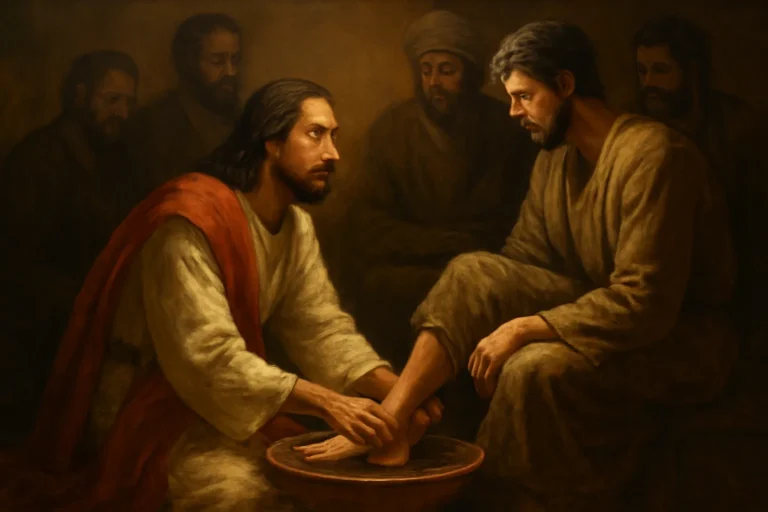
Across major religious lineages, leaders who travel the higher road are often described as servants first, stewards second, and witnesses always. In the Hebrew Scriptures, figures such as prophets and judges call the people to fidelity and righteousness, even when political power tempts a different course. In the Christian tradition, the example of Jesus is frequently cited as a model of leadership that eschews domination in favor of sacrificial service. In Islam, leadership among the community emphasizes justice, consultation, and accountability before God and among people. In Buddhism, the ideal of the Bodhisattva—one who seeks enlightenment not only for oneself but for all beings—offers a powerful paradigm of leadership that prioritizes compassion and wisdom over personal advancement. In Hindu and Sikh contexts, the idea of righteous rule (dharma) combined with humility fosters a leadership that serves the divine, the marginalized, and the vulnerable.
Historical exemplars and movements
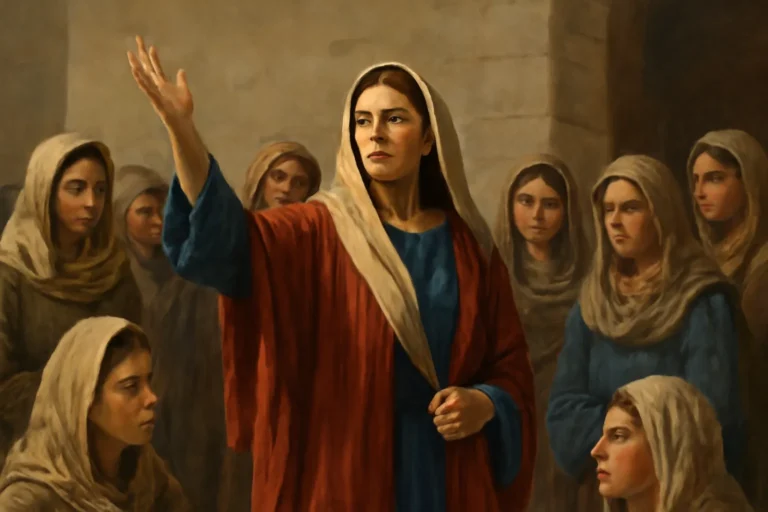
Throughout history, leaders who embodied the higher road have emerged in singular moments of crisis and in long arcs of communal reform. Consider reformers who catalyzed moral awakening within religious communities, or spiritual teachers who navigated conflict with mercy and the discipline of prayer. Such figures often combined bold advocacy with deliberate listening, enabling them to translate sacred conviction into practical change. The story of leadership in religious history is not a single arc but a kaleidoscope: patriarchs and matriarchs who kept faith with tradition, reformers who challenged corruption, mystics who kept heart and mind linked to the divine, and teachers who translated doctrine into lived virtue.
Virtues and Moral Frameworks
Core virtues for the higher road leadership
Leaders who pursue the higher road consistently cultivate a suite of interlocking virtues. These virtues are not decorative but functional; they shape decisions, relationships, and the public witness of faith communities.
Humility that welcomes critique and acknowledges limitations.
Compassion that reaches out to the vulnerable and voices solidarity with the afflicted.
Wisdom that seeks truth through discernment, not merely through winning arguments.
Justice that acknowledges historical inequities and works to repair them.
Integrity in speech, action, and governance; alignment of beliefs and behavior.
Stewardship of resources, time, and relationships for the common good.
Ethical frameworks and leadership ethics
Ethical leadership in religious contexts often rests on a sense of accountability to a higher authority and to the community. Some traditions articulate a covenantal ethic—a binding relationship between leader, community, and divine purposes. Others emphasize prophetic critique: leaders are commissioned to name injustice and to mobilize communal response. Regardless of the framework, the higher road leadership discipline insists on a refusal of shortcuts, a commitment to truth-telling, and a readiness to suffer reputation costs when necessary to preserve integrity.
Leadership Qualities on the Higher Road
The practical profile of a higher road leader
The following qualities describe a leader who operates on the higher road in religious settings. They are not exclusive to clergy; lay leaders, educators, and organizers can embody them in daily practice.
Spiritual discernment that integrates contemplation with communal listening.
Charismatic restraint that avoids coercive influence and promotes voluntary alignment with good ends.
Servant leadership that places others’ needs ahead of personal prestige.
Communication clarity that speaks truth in love and invites dialogue rather than polarization.
Conflict stewardship that resolves disputes through fairness, empathy, and restorative approaches.
Courage to take principled stands, even when they are unpopular or costly.
Leadership styles that harmonize with the higher road
Different contexts call for different leadership styles, but the highest forms of leadership maintain a core orientation: service, accountability, transparency, and a shared sense of purpose. Styles that emphasize collaboration, mentorship, and inclusive governance tend to align with the higher road ethic. Conversely, authoritarian or secretive patterns erode trust and undermine long-term spiritual health.
Ethical Dilemmas and the Higher Road
Common tensions in religious leadership
Leaders frequently confront dilemmas where competing goods press from different directions. The higher road approach does not guarantee simple answers, but it offers a tested procedure for navigating complexity: slow down, listen widely, consult diverse voices, name the competing claims clearly, and proceed with a plan that prioritizes the vulnerable and the faithful community as a whole.
Balancing truth-telling with mercy in the face of harm allegations.
Reconciling doctrinal integrity with inclusive practice for marginalized members.
Maintaining organizational vitality while honoring tradition and sacred boundaries.
Case studies in discernment
Consider a church, mosque, synagogue, temple, or faith-based nonprofit facing a financial crisis. The higher road leadership would begin with transparent accounting, inclusive decision-making, and a plan that protects front-line workers and vulnerable partners. In another case, a community faces accusations of abuse. The higher road approach prioritizes a just response: immediate protection for the vulnerable, thorough investigation, accountability for wrongdoers, and a reform of governance to prevent recurrence. In both cases, the aim is not mere compliance but the restoration of trust and the strengthening of communal bonds around shared values.
Practice: Discernment, Prayer, and Reflection
Discernment as a daily practice
Discernment is not a single event but a continuous practice that weaves together scriptural study, prayer, social reflection, and ethical reasoning. The higher road leadership requires that discernment be communal as well as interior: gather voices from clergy, lay leaders, youth, elders, and people who represent marginalized experiences. The aim is a collectively discerned path that can be defended to conscience and to the public.
Practical disciplines for sustained integrity
Effective leaders cultivate disciplines that ground decisions and sustain their moral imagination:
Prayerful listening to the divine whispers and human cries alike.
Regular accountability dialogues with trusted mentors and peers.
Transparent decision logs documenting the rationale, options considered, and anticipated outcomes.
Rest and sabbath observance to prevent burnout and preserve humility.
Public accountability through annual reports, open forums, and community feedback mechanisms.
Building trust through service and shared governance
Leaders who navigate the higher road foster a culture of trust by modeling service, dignity, and shared governance. When congregations feel co-owners of the mission, they are more likely to sustain ministries, support justice initiatives, and cultivate intergenerational leadership pipelines. This is not merely administrative competence; it is a spiritual practice that aligns organizational aims with the deepest values of the faith tradition.
Impact metrics and spiritual health indicators
Evaluating leadership impact in religious contexts involves both quantitative and qualitative measures. Metrics might include attendance and giving trends, but more important are indicators of spiritual health: a culture of prayer, depth of scriptural understanding, levels of volunteer engagement, and the presence of relational safety in community life. A robust assessment also examines how well the leadership integrates social action with worship, and how the community responds to critique with humility and resolve.
Interfaith Reflections on Higher Road Leadership
The higher road is not the possession of a single tradition, but a widely resonant ideal across religious landscapes. Interfaith engagement can sharpen this leadership by testing the universality of the virtues it promotes. In dialogue settings, leaders learn to articulate their own convictions clearly while listening with respect to others’ deepest convictions. Such encounters can yield common ground on justice, mercy, and human dignity, even when doctrinal differences remain.
Dialogues of virtue
In interfaith spaces, higher road leadership often manifests as courageous candor about one’s own tradition and generous curiosity about others. It means honoring witnesses from different communities, sharing resources for common good, and developing joint service projects that address urgent needs—migration, poverty, education, or disaster relief. The aim is not sameness but cooperative integrity: a shared commitment to the flourishing of all neighbors.
Practical Disciplines for Leaders on the Higher Road
Institutional frameworks that nurture transcendence
To sustain leadership on the higher road, communities must build structures that support long-term integrity. This includes governance policies that separate powers, independent oversight, robust safeguarding practices, and transparent financial stewardship. It also means cultivating a learning culture: ongoing theological education, regular retreats for reflection, and opportunities for critique and correction without fear.
Safeguarding and safety protocols to protect the vulnerable and maintain communal trust.
Clerical and lay mentorship programs that pass down wisdom and nurture new leaders.
Theological education that deepens understanding of sacred texts and moral reasoning.
Communication strategies that balance bold truth-telling with compassionate tone.
Community-building rituals that reinforce shared identity and responsibility.
Leadership in crisis and change
When communities confront crisis—whether doctrinal disputes, social upheaval, or demographic shifts—the higher road approach emphasizes listening, humility, and principled action. Leaders who guide through turbulence do so with a calm presence, a commitment to truth, and a willingness to revise plans in light of new evidence or compassionate insight.
Mentorship and Legacy
Passing the torch with discernment
A hallmark of enduring higher road leadership is the intentional mentorship of rising leaders. Senior figures model practices, share failures as well as successes, and invite younger colleagues into decision-making processes. The aim is not to accumulate authority but to cultivate a generation capable of sustaining the same ethical commitments after the mentor’s tenure ends.
Legacy as covenant
Legacy in religious leadership is often a covenant with the future. It includes planting institutions, safeguarding sacred trust, and establishing norms that ensure ethical behavior remains a living reference point for years to come. A durable legacy is evidenced by the durable health of the community, the integrity of its worship life, and the readiness of new leaders to shoulder responsibility with courage and grace.
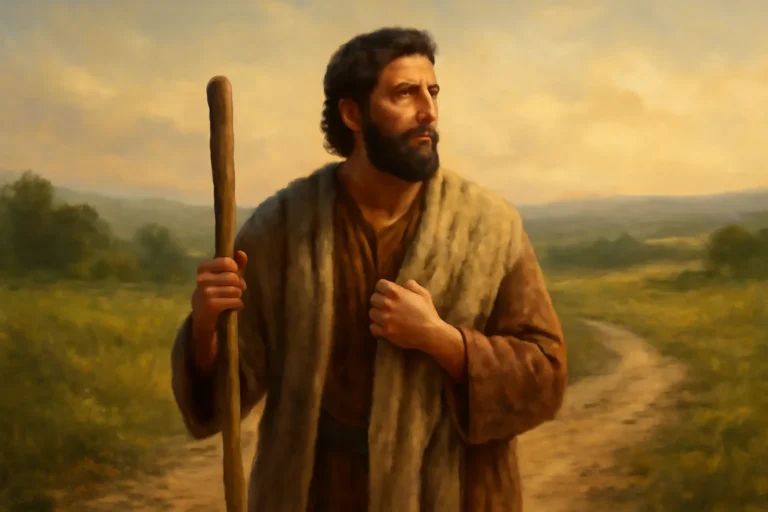
Parables—short stories with piercing moral insight—offer a timeless way to teach the ethics of leadership. Consider a parable about a shepherd who risks the herd to rescue a single lost lamb: the narrative emphasizes the value of every life, the courage to act beyond self-interest, and the responsibility of the leader for the whole community. In another narrative, a ruler faces a crowd demanding vengeance, chooses mercy, and thereby averts collective ruin. These stories illuminate how the higher road leadership operates in practice: it judges wisely, acts promptly when mercy demands it, and never uses power as an excuse for cruelty or neglect.
Contemporary case studies
Real-world examples illuminate the possibilities and limits of higher road leadership. One case might examine a faith community navigating a public accusation of wrongdoing: the leadership responds with transparency, immediate protection for survivors, independent review, and reforms that reduce future risk while maintaining trust. Another case could explore a cross-cultural interfaith initiative where leaders coordinate relief efforts amid a climate of suspicion. In both cases, the leaders’ fidelity to justice, humility, and accountability underwrites the community’s capacity to endure and grow.
Institutional Structures and Higher Road Leadership
Governance models that sustain virtue
Institutions devoted to religious life can enable or hinder virtuous leadership. A governance model that distributes authority, fosters accountability, and rewards ethical risk-taking often yields healthier outcomes than one that centralizes power or tolerates secrecy. The higher road leadership ethos is reinforced by structures that empower lay participation, public accountability, and transparent decision-making processes.
Constituency boards with broad representation
Independent ombudspersons and safeguarding officers
Open budget processes and public reporting
Regular audits that align financial practice with spiritual values
The role of worship, mission, and education
The spiritual core of leadership is not simply administrative prowess but the formation of a community capable of enacting its beliefs. Worship life—gathered prayer, liturgical rhythm, and sacred storytelling—nourishes leaders and forms conscience. Mission work—outreach, justice advocacy, and mercy ministries—translates conviction into action. Religious education—catechesis, theological study, and mentorship—deepens understanding and sustains courage to live out high ideals under pressure.
Conclusion: The Ongoing Journey on the Higher Road
The journey of leadership on the higher road is never complete. It is a pilgrimage rather than a position, a daily practice rather than a destination. In religious communities, leaders walk this path with a faithful people who seek truth, goodness, and beauty in the world. The higher road invites leaders to remember that power is stewarded for service, not as a platform for personal achievement. It invites communities to hold leadership to account while supporting growth and grace for the leaders themselves. It invites prayerful imagination about what a faithful future could look like when courageous, compassionate, and visionary leaders guide the way.
For readers who carry leadership responsibilities within a faith community, the following closing exhortations may serve as reminders and prompts:
Lead with humility, but act with boldness when justice demands it.
Stay open to critique and sustained accountability as acts of faithfulness rather than threats to authority.
Let compassion be the compass that directs every strategy, policy, and meeting.
Keep discernment central—prayer, study, dialogue, and reflection are the conduits of wise decision-making.
Build others up through mentorship and by creating space for new voices to emerge.
In the end, the higher road leadership transforms individuals and communities by connecting everyday leadership tasks to sacred purpose. It is not a leap of idealism alone; it is a disciplined, interwoven practice of courage, humility, and accountability that holds a faith community steady in the storms of history while offering a hopeful witness to the world.