Introduction: The Rhythm of Provision in a Faithful Life
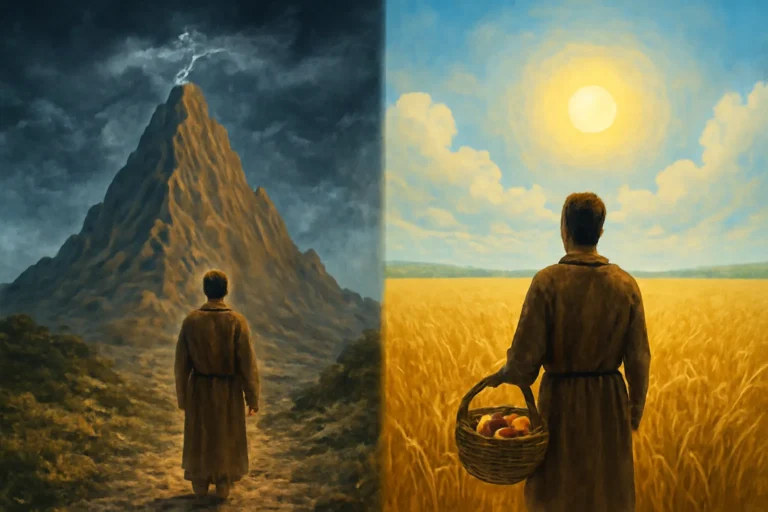
Throughout history, believers have spoken of divine provision as a steady rhythm that punctuates human experience. In the arc of life, there are peaks and valleys—moments of abundant mercy and seasons of testing—yet the faithful often insist that a larger pattern holds true: God’s provision through the highs and lows is not merely about material outcomes but about a relationship that orients the heart toward trust, gratitude, and hopeful action. This article surveys the theological foundations, biblical narratives, and practical disciplines that illuminate how providence operates in abundance and in scarcity, how believers discern a good plan in the disappointments, and how communities can cultivate a posture that remains open to grace amid change.
The phrase provision through the highs and lows invites us to hold two convictions in tension. First, that God is faithful even when circumstances are confusing or painful. Second, that human responsibility—discipline, generosity, discernment—matters as an instrument through which God’s care is mediated to others. Together, these convictions form a robust framework for understanding how the divine sustainer interacts with creation: guiding, strengthening, correcting, and inspiring in ways that may be felt as comfort, challenge, or both.
Theological Foundations: The Nature of Divine Provision
Providence in Scripture: The Ground of Confidence
Across the canon, the concept of divine providence is not a single doctrine but a field of meaning that grows through narrative, poetry, prophecy, and exhortation. In wisdom literature, the guidance of God is described as a path that leads away from danger and toward wholeness. In prophetic books, the Lord’s care is linked with faithfulness to covenant promises and a vision of justice that endures through famine or plenty. In the Gospels, Jesus speaks of a Father who knows the needs of his children and feeds both body and soul. In the letters of the New Testament, provision is often tied to trust and to generosity, showing that God’s care is not only about personal comfort but about communal flourishing.
Some key themes emerge when we consider God’s provision in the highs and lows through scripture: trust in the unseen, the call to gratitude as a posture of abundance, the insistence that wealth or lack does not determine worth before God, and the invitation to cooperate with grace through wise stewardship. The scriptural witness reminds readers that provision is not merely a ledger of goods but a divine pedagogy—teaching patience, humility, and worship in every season.
The Problem of Suffering and the Assurance of Provision
The presence of hardship raises challenging questions about divine care and omnipotence. The problem of pain invites believers to distinguish between the mystery of sorrow and the reliability of God’s character. The doctrine of providence does not erase suffering; rather, it offers a lens for interpreting it. In seasons of loss or confusion, Christians are invited to remember that God’s provision is not always measured by immediate outcome, but by a transformative work that reorients the heart toward love, justice, and hope.
Theologically, provision in the highs and lows can be understood as a combination of divine sovereignty and human response. God acts, sometimes overtly (as in miraculous intervention), sometimes through ordinary means (community support, trusted mentors, creative opportunities), and sometimes through restraint (holding back risks to preserve a greater good). The onus then falls on the community of faith to discern how God is at work in the ordinary and extraordinary moments alike, and to respond with gratitude, courage, and generosity.
Provision in the Highs: Times of Abundance and Blessing
Recognizing Blessings Without Blurring Boundaries
In seasons of abundance, the temptation to confidence becomes a breeze and the risk of pride grows. Yet God’s provision in abundance invites a different posture: gratitude that returns to God with open hands, stewardship that multiplies blessing, and discernment that resists the idol of accumulation. The high seasons reveal a truth about divine provision: God often invites communities to be channels of grace, extending mercy to the vulnerable and investing in long-term flourishing.
Gratitude as a discipline: Regular remembrance of the ways God has sustained you deepens trust for future, unknown seasons.
Generosity as worship: Sharing surplus becomes a tangible witness to the conviction that provision is communal, not merely personal.
Stewardship over accumulation: Resources become a test case for character—do they govern you, or do you govern them in service to others?
Intentional discernment: In abundance, deliberate planning helps prevent waste and directs resources toward justice and mercy.
Community-building: Times of plenty are opportunities to invest in relationships and infrastructure that support resilience for others.
Joy, Purpose, and the Meaning of Abundance
Abundance is not a mere volume of goods but a signal about possibility: the chance to participate in something greater than oneself. Theologically, provision through the highs often reveals a divine intention that joy can be an instrument for blessing. When communities celebrate, they also remember the vulnerable and commit to sustaining systems that provide dignity for all. The sense of purposeful abundance becomes a catalyst for inclusive hospitality, education, and cultural renewal.
Provision in the Lows: Times of Need and Silence
Perseverance in Scarcity: Trust amid Trial
The most tender dimension of God’s provision through scarcity is not only that needs are met, but that the soul is formed in the process. When bread is scarce, prayer becomes a school in dependence; when doors close, others open in surprising ways; when health wanes, a resilient hope can take root. The theological claim remains: God’s faithfulness is not measured by the immediate abundance of goods but by the steadfastness of love that holds through hardship.
Divine Care in Seasons of Despair
In low seasons, believers often encounter the deepest questions about purpose and worth. Yet even here, provision appears in multiple forms: compassionate presence from friends, rescue from danger, renewed inner strength, and new pathways for growth. Scripture frequently frames such moments as times when God’s people are refined—not abandoned, but refined—so that the heart is realigned toward what is truly life-giving.
Communal support: The care of a community—meals, visits, shared labor—can be a direct vector of provision in trials.
Spiritual disciplines: Prayer, lament, and worship sustain the soul when practical provisions seem scarce.
Creative resilience: Adapting to constraints often uncovers new opportunities for service and innovation.
Hopeful waiting: Patience becomes a spiritual practice that helps people endure uncertain timelines.
Reframed abundance: Scarcity can reframe what counts as enough and reorient values toward generosity even in need.
Key Biblical Narratives: Stories of Provision Through Peaks and Valleys
Job: Trust in Suffering and Divine Presence
The Book of Job sits at the intersection of human pain and divine purpose. Though Job faces profound loss, his response models a form of faith that refuses to dictate God’s motives. The narrative centers on a complex portrait of provision: God remains trustworthy even when life’s weather is severe. Job’s lament, his wrestle with understanding, and his eventual experience of renewed life illustrate that provision in the lows can arrive as restoration of meaning, a deeper knowledge of God, and a renewed sense of vocation.
Joseph: The Road from Slavery to Provision
Joseph’s story traces a trajectory from betrayal to leadership. The arc suggests a divine choreography where what appears to be misfortune becomes a preparation for greater good. In the highs, Joseph’s wisdom and discernment help save people during famine; in the lows, providence sustains him in prison and exile. This narrative invites readers to consider how God’s provision through the lows can reveal a future plan that is larger than any single moment and more merciful than immediate appearances.
Israelites in the Desert: Manna, Water, and Guidance
The Exodus generation learns daily that bread from heaven and water in the wilderness are more than material favors—they are tangible signs of a God who shepherds even in uncertainty. The manna teaches dependence, the rock provides, and the cloud by day and fire by night guide the way. The desert road, though arduous, becomes a classroom where trust deepens, and communal memory solidifies faith in a God who provides not only for physical hunger but for identity and purpose.
Jesus and the Multiplied Loaves: Provision as Sign and Substance
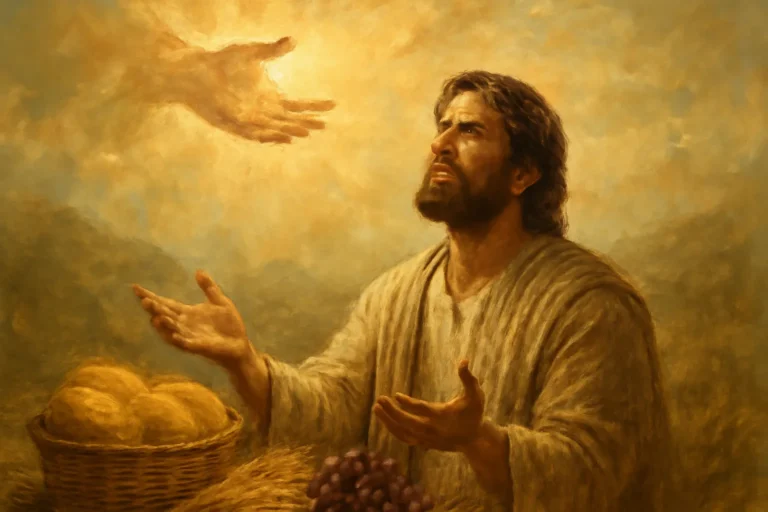
The feeding of the five thousand is a paradigmatic moment in which abundance is both a miracle and a sermon. Jesus’ act of multiplying loaves reveals God’s heart for mercy and the radical sufficiency of divine care. Beyond the miracle, the episode invites readers to participate in provisioning others: offering hospitality, sharing what one has, and recognizing that God’s provision often begins with small acts of generosity that ripple outward.
Paul and God’s Provision Through Hardship
The apostle Paul embodies a theology of provision that operates in hardship as well as in success. He speaks of God’s grace that is sufficient, of strength made perfect in weakness, and of generosity that overflows even in constrained circumstances. Paul’s letters suggest that provision in the lows is not a rare exception but a consistent pattern that makes possible mission, perseverance, and spiritual fruit even when opportunities seem limited.
Practices That Foster Recognition of Provision
Recognizing providence in daily life requires intentional formation. The following practices help cultivate a steadfast gaze that can discern God’s care in both bright and challenging seasons:
Prayerful reflection: Carve out regular space to name needs, express gratitude, and listen for guidance. Prayer shapes perception so that you notice provision as it appears.
Gratitude journaling: Keep a record of daily mercies—small and large—to counteract the instinct to minimize blessings.
Sabbath rhythms: Resting in God’s sovereignty recalibrates priorities and recharges the soul for renewed service.
Generosity as discipline: Giving in seasons of plenty and scarcity alike trains the heart to trust that provision is a shared gift.
Discernment in decision-making: Seek wisdom from scripture, trusted mentors, and community when resources are stretched or opportunities arise.
Open-hearted lament: Able to bring honest sorrow before God, lament helps paradoxically to make room for hope and eventual renewal of provision.
Community support: A Jesus-centered community becomes a conduit of material aid, emotional support, and practical wisdom during times of need.
Hopeful storytelling: Sharing testimonies of provision strengthens the faith of others and multiplies trust in God’s ongoing faithfulness.
Cross-Religious and Interfaith Perspectives on Providential Care
While the language and emphasis vary across traditions, the core insight remains surprisingly coherent: many faiths affirm a sovereign force that shepherds creation through highs and lows. In Judaism, the concept of hashgacha pratit (divine personal oversight) overlaps with communal responsibility; believers are called to live righteously and support one another so that divine care is made visible in the world. In Islam, the notion of qada and qadar emphasizes surrender to God’s decree while also engaging in responsible action, trust in God’s mercy, and the ethical imperative to aid the vulnerable. In Christian traditions, the incarnate life of Christ anchors the belief that provision is not only about sustenance but about the transformation of the heart and the renewal of hope. Across these perspectives, the central claim remains: God’s provision is both transcendent and incarnational, a reality that invites human partnership and compassionate responsibility.
The multilingual language of provision—whether described as grace, mercy, sustenance, or daily bread—functions as a bridge for dialogue between communities of faith. By recognizing the common ground of care and reciprocity, believers can collaborate on social initiatives, relief efforts, and educational endeavors that embody the principle of compassionate provision in concrete ways.
Personal Narratives: Modern Testimonies of Highs and Lows
To ground the theological and narrative claims in lived experience, consider these composite testimonies that illustrate how people from different backgrounds perceive God’s provision through the highs and lows:
A single parent facing unemployment discovers a part-time opportunity that aligns with a child’s school schedule. The job is modest, yet it opens doors for stability, fosters new friendships in a church community, and deepens trust in a God who provides not merely for needs but for timely grace that sustains hope.
A small rural congregation experiences a winter drought but responds with solidarity: resource-sharing, neighborly hospitality, and a decision to fund a community garden. The provision appears not as a windfall but as communal resilience cultivated through mutual care, reminding them that abundance is often formed in relationships rather than stored in accounts.
A student facing debt and anxiety about the future receives a scholarship and a mentor who helps map a sustainable path forward. The relief feels like a sign of divine provision, yet the narrative emphasizes continued diligence, ethical stewardship, and gratitude for the opportunity to serve the community through the discipline of study.
An elderly person who has faced chronic illness experiences a season of improved health, followed by a meaningful decline. In the face of vulnerability, the person discovers a renewed sense of purpose in mentoring younger believers, illustrating that provision can come through renewed meaning and intergenerational exchange.
These stories illustrate how provision in the highs and lows can show up as meaningful shifts in relationships, opportunities to contribute, and a deeper sense of purpose that transcends financial metrics. They also reveal a common thread: trust grows not by denying hardship but by allowing hope to be shaped by grace through it.
Lessons for Faithful Living: How to Center Provision in Daily Life
If we want to grow in recognizing God’s provision through the highs and lows, a few guiding practices can help bring spiritual clarity and practical responsiveness:
Name the source of provision: Develop a habit of identifying and naming how God is at work—whether through a friend’s support, a sudden opportunity, or inner resilience.
Align resources with justice: Ensure that decisions about spending, saving, or giving advance the well-being of the vulnerable and the dignity of all involved.
Practice mindful lament and worship: Hold space for sorrow while turning toward gratitude and adoration for God’s steadfast love.
Engage in communal discernment: Seek out trusted voices in the community to test intuitions about provision and direction.
Carry forward a testimony culture: Collect and share testimonies of provision to encourage faith, especially in seasons of uncertainty.
Prepare for future valleys: Invest in practices of resilience—financial literacy, health, relationships—that reduce vulnerability and expand capacity to respond to future needs.
Imagining a Theology of Provision for Today’s World
The contemporary global landscape—marked by climate shocks, economic inequalities, and rapid social change—invites a robust and expansive theology of provision through highs and lows. The core claims remain simple and transformative: God is present in every season, God’s care extends through communities, and human partners participate in the ongoing distribution of grace. The task for modern readers is to translate these claims into practical arrangements that promote human flourishing, defend the dignity of the vulnerable, and cultivate a hopeful imagination—an imagination that can see abundance in small mercies and endurance in the darkest hours.
In practical terms, this means prioritizing systems of support that weather shocks, investing in education and health, and fostering economic models that align profit with social good. It means praying not only for personal relief but for the healing of broken structures that constrain opportunity. It means listening for the quiet interventions—the phone call from a friend, the unexpected donation, the moment of insight—that signal God’s provision through the highs and lows in concrete, measurable ways.
Conclusion: Walking in Confidence Through Peaks and Valleys
The journey of faith invites us to a steady confidence: that God’s provision in every season is real, trustworthy, and accessible to those who seek to live with integrity, mercy, and hope. Whether we find ourselves on a mountaintop of blessing or walking through a valley of trial, the divine itinerary remains constant—to form hearts, to mobilize communities, and to invite every person into the generous life of communion with God. The highs become opportunities for praise and responsible stewardship; the lows become occasions for vulnerability that invites communal care and a renewed reliance on the One who sustains all things.
As you move forward, may you encounter provision through the highs and lows not as a rumor of fortune but as a lived reality—evident in daily bread, in shelter from fear, in the courage to serve, and in the grace that sustains hope when the path is hard. May your life become a living witness to the truth that Providence is at work in the ordinary and extraordinary moments alike, guiding, refining, and inviting you into a broader, more generous horizon.