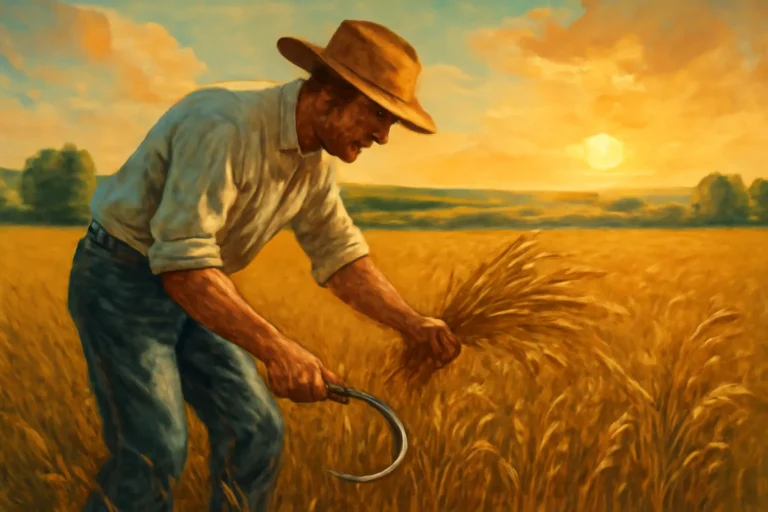
Introduction: A Better Tomorrow Begins with Small Choices
In a world where headlines often shout about grand systems and sweeping reforms, the quiet
power of small, intentional acts can feel almost invisible. Yet religious
traditions across millennia have long affirmed that minor deeds—repeated with
sincerity—can shape destinies, communities, and even the moral texture of societies. The
premise “A better tomorrow starts today” resonates not merely as an
ethics-of-effort slogan but as a theological invitation: to live with conscious intention,
to turn toward virtue, and to trust that God or the transcendent order honors fidelity in the
ordinary moments of daily life.
This article explores the idea that small changes have a large impact within the
religious domain. It surveys practices that individuals and communities can adopt, examines
how different faiths frame the habit of transformation, and offers practical guides for
sustaining change without burnout or tokenism. The aim is not merely to preach
internal improvement but to illuminate how inner reform translates into
outward justice, compassion, and wisdom that bless neighbors near and far.
The Spiritual Principle: Small Seeds, Large Harvest
Across sacred scriptures and spiritual traditions, a recurring image is that of a seed
becoming a tree, a spark growing into a flame, a single drop joining others to create a
river. This spiritual econom(y) of growth suggests that
incremental sanctification—the gradual shaping of character—can be a faithful
response to divine call. In Christian parables, in Jewish wisdom, in Islamic ethics, in Hindu
and Buddhist teachings, the same logic emerges: consistent, tiny steps eventually
expand into meaningful, transformative outcomes.
The theological logic is not merely optimistic sentiment; it rests on the conviction that God or
the sacred order honors fidelity in small acts of love, mercy, justice, and truth-telling.
When a person chooses honesty in a routine conversation, when a family commits to regular
prayer or gratitude, when a community chooses to forgive after grievance, these options
become durable patterns that elevate the common good. In the language of faith, we might say
that the world is reshaped through habits of holiness rather than through
bursts of heroic, one-time virtue.
Foundations Across Traditions: Why Small Changes Matter in Religion
Judaism: Tikkun Olam and Daily Mitzvot
The phrase Tikkun Olam—often translated as “repairing the world”—is a guiding
posture for many Jews who believe that history, ethics, and community are knit together by
acts of responsibility. These acts are accessible to every person, every day, and every
household.
- Small acts of justice—such as fair treatment in the workplace or helping a neighbor—accumulate into a larger pattern of social repair.
- Daily mitzvot (commandments) like kindness (Chesed), hospitality, and truth-telling are
deliberately practiced in ordinary moments, not only on special occasions. - Education and dialogue about ethical issues cultivate a culture of discernment that
cannot be outsourced to institutions alone.
The Jewish imagination teaches that even modest changes in attitude or practice, when
sustained, become a ferment for justice. It is through everyday integrity that communities
“repair the world” in tangible ways.
Christianity: Sanctification, Charity, and the Transformation of Life
Christian teaching often centers on the ongoing process of sanctification—being made more like
Christ through grace and discipline. Small changes in daily routines, moral imagination, and
communal worship become vehicles of salvation in daily life.
- Prayer as a discipline—even momentary prayers or laments can realign desire toward
what is good and true. - Charity and mercy—acts of kindness toward the vulnerable multiply as a witness.
- Forgiveness practices—releasing grievances inside and outside the family or church
community, opening space for reconciliation.
The Christian imagination often anchors change in love: a small act of mercy can disarm hostility,
while patient faithfulness throughout weeks and seasons can become a witness that invites others
into reflection and reform.
Islam: Iman, Ihsan, and Stewardship
In Islamic thought, ibadah (devotion) and ihsan (excellence in worship and ethical conduct)
invite a continuous outward movement. Care for others, fair dealing, and honest labor are seen
as acts of worship when done with awareness of God.
- Small acts of stewardship—conserving water, reducing waste, and engaging in fair trade
practices—embody worship in daily living. - Generosity and zakat—even modest financial gifts or time pledged to community needs
contribute to the health of the whole ummah (community). - Mindful prayer and remembrance of God throughout the day reinforce a life oriented
toward compassion, justice, and truthfulness.
Hinduism: Seva, Karma, and Dharma in Everyday Practice
Hindu ethics emphasize seva (selfless service), karma (the law of action and consequence),
and dharma (righteous living). Small acts of service, gratitude, and moral steadiness
shift a person’s disposition toward the divine order.
- Service in daily life—helping a neighbor, caring for elders, or volunteering locally
becomes a seed that grows into shared flourishing. - Mindful living—less attachment to ego-driven desires, more integrity in work and family life.
- Rituals as reminders—simple daily rituals, fasting, or quiet time can recalibrate the will
toward mercy and truth.
Buddhism: Right Action, Mindfulness, and Compassion in Action
In Buddhist ethics, Right Action and mindfulness turn insight into conduct.
The aim is not perfection for its own sake but the alleviation of suffering through discernment,
restraint, and compassion.
- Mindful communication—speaking with kindness reduces harm and fosters trust.
- Compassion in daily life—small acts of care for animals, the environment, and people in need.
- Simplification and non-attachment—reducing surplus enables greater generosity and freedom.
Inward Practices: Personal Habits That Lead to External Change
Personal transformation is the seedbed for community transformation. When individuals turn toward
virtue in daily choices, the ripple effects extend far beyond themselves. The following
practices are framed to be accessible, sustainable, and deeply rooted in religious sensibilities.
Daily Reflection and Gratitude
Reflection helps orient the heart toward what truly matters. A routine of quiet gratitude shifts
attention from scarcity to abundance, from complaint to appreciation.
- Morning or evening gratitude lists that name three persons or circumstances for which
one is grateful. - Prayerful intention-setting for the day’s conversations and decisions, seeking wisdom
over convenience. - Journaling of failures and growth—acknowledging harm and planning repair with honesty.
Prayer, Meditation, and Contemplative Practice
Prayer and contemplation are not mere rituals; they are forming disciplines that reorder desires.
Even brief, regular practices can recalibrate a life toward justice, mercy, and truth.
- Brief daily prayers that name needs in the world and in one’s own life.
- Breath-centered meditation to cultivate calm, discernment, and non-reactivity.
- Contemplative reading of sacred texts to deepen ethical imagination and hope.
Forgiveness and Peacemaking
The ability to forgive—not as denial of harm but as a path to healing—enables communities to grow
beyond cycles of retaliation.
- Forgiveness rituals or conversations that acknowledge hurt while seeking repair.
- Peacemaking partnerships with neighbors who share vulnerability or conflict.
- Boundary-setting with mercy—learning to protect oneself while extending mercy to others.
In the Home: Daily Practices That Shape a Faithful Household
The home is the earliest school of character. Small, intentional changes within family life can
sustain faith across generations.
Rituals of Rhythm and Hospitality
Regular routines anchor trust and invite others into the sanctuary of ordinary life.
- Meal prayers or blessings that give thanks for community and abundance.
- Hospitality practices—opening doors to neighbors, students, or travelers, even in modest ways.
- Sabbath or rest observances that reclaim time from busyness for reflection and family bonding.
Character-Building Traditions for Children and Teens
Teaching virtue is not about instruction alone; it’s about lived examples and predictable
routines that foster trust.
- Acts of service aligned with age-appropriate opportunities, such as helping a younger sibling
or assisting an elderly neighbor. - Truth-telling and accountability—parents modeling accountability and encouraging honest
conversation when mistakes happen. - Gratitude journals for youth—a gentle habit that keeps attention on the good even in
challenging days.
In the Community: Building a Just and Compassionate Society
Religious communities have traditionally been centers of moral imagination and
concrete service. Small, deliberate actions within communities—when scaled
through partnerships—produce a more just and humane social order.
Worship as a School for Civic Virtues
Worship gatherings are not only about personal devotion; they are training grounds for how to
live in public life with integrity, courage, and mercy.
- Inclusion and hospitality in congregational life that welcome strangers and refugees.
- Public teaching about justice—sermons, classes, and forums that connect faith to social issues.
- Community choir and arts initiatives that create shared beauty and solidarity.
Charity, Justice, and Local Action
Small-scale acts of service—done consistently—can reweave social fabrics damaged by neglect and
equity gaps.
- Regular food drives and distribution programs that meet immediate needs while building
long-term partnerships. - Advocacy for fair policies that protect the vulnerable, supported by education and dialogue.
- Mentorship and vocational programs that expand access to opportunity and growth.
Institutions as Hubs of Transformation
Houses of worship and faith-led organizations hold unique potential to catalyze broad change when
leadership, governance, and practice align with virtue and accountability.
Ethics in Leadership and Governance
Transparent leadership and accountable governance are forms of moral witness. When institutions
model humility, integrity, and service, they become credible partners in broader reform.
- Open decision-making processes that invite input from diverse voices.
- Ethical stewardship of resources, ensuring funds serve the vulnerable and support long-term
programs rather than short-lived campaigns. - Pastoral and lay collaboration—co-creating mission and action with the broader community.
Education and Formation Programs
The religious academy, seminary, or study circle can nurture a generation equipped to translate
faith into action.
- Curricula on virtue ethics that connect ancient wisdom with contemporary dilemmas.
- Interfaith dialogue initiatives that cultivate mutual respect and shared commitments to human dignity.
- Public theology projects that test ideas about justice, mercy, and peace in real-world contexts.
Eco-Spirituality: Caring for Creation as a Path to a Better Tomorrow
Environmental stewardship is deeply embedded in many religious traditions as a call to protect
the vulnerable and honor the divine in creation. Small, consistent ecological practices can carry
profound moral weight when embedded in worship, teaching, and daily life.
Stewardship in Action: Practical, Faithful Habits
- Conserving resources—reducing energy use, cutting waste, and choosing sustainable options in
everyday decisions. - Green liturgies—blessed rituals that bless the earth, connect worship to care for the planet, and
invite communities into sustainable living. - Creation-centered education—teaching children and adults about ecosystems, needs, and remedies.
Education, Formation, and the Reframing of Knowledge
A transformative tomorrow requires not only moral imagination but a reformation of how we learn,
teach, and apply knowledge within religious communities. Education that centers virtue and wisdom
enables faithful people to make a change for the better in every corner of life.
Theological Education for a World in Transition
Theological education that attends to social, ethical, and scientific insights helps faith
communities engage responsibly with contemporary issues. It invites learners to:
- Integrate science and faith in ways that respect the integrity of both and advance human flourishing.
- Study sacred texts with critical hermeneutics to discern timeless principles in changing contexts.
- Practice public theology—articulating how faith contributes to justice, peace, and care for creation.
Forming Virtue through Catechesis and Community Learning
Formation programs can be designed to emphasize character formation as an end in itself and
as a means to practical action.
- Habit-based curricula—focus on developing virtues such as patience, honesty, and courage.
- Mentoring frameworks whereby older members guide younger ones in discernment and service.
- Service-learning projects that connect classroom study with real-world impact.
Challenges and Pitfalls: When Small Changes Fail to Scale
It is essential to acknowledge that not all well-intentioned efforts succeed, and some
misunderstandings about change can undermine progress. Here are common hurdles and how to
address them with compassion and wisdom.
Avoiding Tokenism and Exhaustion
Sustainable change requires depth, not merely performative gestures. Tokenistic actions can
erode trust and lead to fatigue. The antidotes are steady accountability, shared ownership, and
regular evaluation.
- Set measurable, realistic goals with clear timelines and responsible stewards.
- Balance ambition with rest—the spiritual life requires renewal to sustain long-term work.
- Center vulnerable voices—listen to those most affected by the issues and invite their wisdom.
Resistance and Conflict
Change often provokes resistance, especially when it touches identity, tradition, or power
dynamics. Approaches grounded in humility, dialogue, and shared moral aims can transform
potential conflict into constructive disagreement.
- Practice listening more than directing in early conversations about change.
- Emphasize common ground—values such as mercy, justice, and peace that cross religious boundaries.
- Clarify nonnegotiables—identify core principles while allowing flexibility in methods.
Measuring Spiritual Impact
Assessing spiritual and moral impact can be complex, but it is essential. Meaningful metrics
combine qualitative and quantitative indicators, including testimonies of transformation,
relationships strengthened, and social outcomes improved.
- Stories of change from individuals and families who have experienced transformation.
- Relationships and trust within the community and with outsiders.
- Justice-oriented outcomes such as reduced harm, increased access to resources, and greater inclusion.
A Call to Action: Making Every Day a Step Toward a Better Tomorrow
The central message of all these reflections is clear: small changes done with
intention, humility, and accountability accumulate into a larger, meaningful transformation.
The aim is not perfection but faithful persistence in pursuing what is true, good, and beautiful.
Make a change for the better in your own life by choosing a concrete practice this week—
whether it is a daily act of kindness, a commitment to a new habit of gratitude, or a decision to
invest time in learning about a neighbor’s needs. Then commit to a month of consistent practice and
invite others to join you. When many people commit to evolving in small, tangible ways, the effect
multiplies, becoming a collective ascent toward a more just and compassionate world.
Variations on a Theme: How to Say It in Different Contexts
To broaden the semantic reach of the central idea, here are variations you can use in preaching,
teaching, or personal reflection. Each phrase points to the same core conviction: improvement
through deliberate, moral action.
- Change for good in everyday decisions and relationships.
- Improve the world through acts of mercy and truth-telling.
- Becoming better stewards of resources, people, and time.
- Transforming small moments into lasting legacies of love.
- Growing toward virtue by choosing honesty, patience, and courage in ordinary life.
- Turn toward righteousness in daily interactions and public commitments.
- Advancing toward holiness through consistent worship, study, and service.
- Building a brighter horizon by caring for the vulnerable and defending the vulnerable’s dignity.
The universality of this invitation is part of what makes it compelling across faiths: to
practice mercy, to pursue justice, and to live with integrity
in ways that encourage others to do the same. When communities commit to small changes
that are attuned to their particular context and tradition, they become living laboratories of
faith—laboratories where theory becomes practice and practice becomes testimony.
Conclusion: The Ongoing Work of Making Things Better
The road toward a better tomorrow is neither glamorous nor instantaneous. It is built day by day,
through the ordinary acts of love, courage, and discipline that characterize faithful living. By
embracing the wisdom of diverse religious traditions, we can cultivate a shared vocabulary for
small changes that matter and a shared imagination for a future shaped by
compassion, justice, and wisdom.
Whether you are a layperson, a student of theology, a pastor or imam, a parent, or a teacher, your
everyday decisions—when anchored in faith and oriented toward the good of others—carry moral
weight beyond what you might imagine. You can begin today by choosing one concrete, positive action
and sustaining it with patience and accountability. In the end, a better tomorrow is not merely a
distant dream; it is the sum of countless small, steadfast commitments made with generous hearts.