The relationship between the Mosaic Covenant and the New Covenant is a central questions for biblical theology, hermeneutics, and church practice. This article engages the topic with care for historical context, literary analysis, and theological synthesis. We will explore how the Mosaic Covenant is understood to be fulfilled in the New Covenant, while noting the continuities and the transformations that illuminate the gospel narrative from Sinai to the heavenly city. The aim is to present a comprehensive, educational account that helps readers discern how the old covenant’s promises, statutes, and symbols find their ultimate realization in the person and work of Jesus Christ and the Spirit-enabled life of believers.
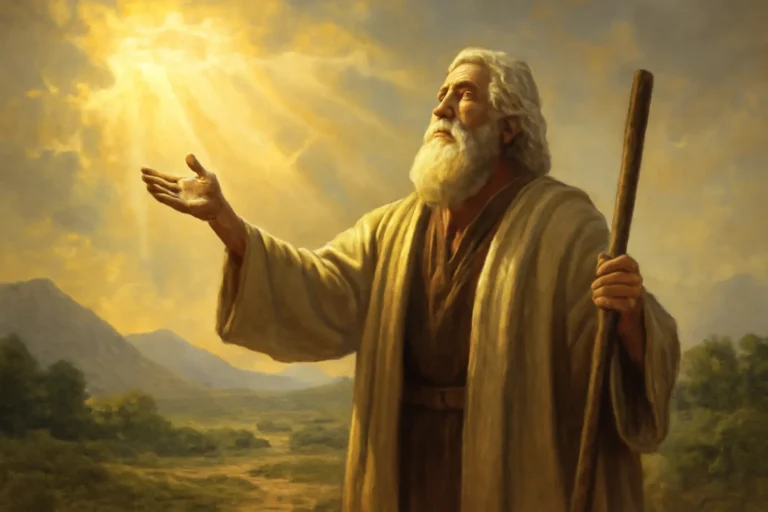
The term Mosaic Covenant refers to the covenant established at Mount Sinai, where the Torah was given to the people of Israel through Moses. This covenant is often described in the biblical witness as a formal arrangement involving promises, stipulations, blessings for obedience, and curses for disobedience. The foundational narrative centers on the revelation of the Law and the establishment of national identity around the worship of the one God who liberated Israel from Egypt.
Scholars distinguish between multiple facets within the Mosaic Covenant: ceremonial practices (sacrifices, ritual purity, festivals), civil/governmental regulations (harnessing communal life, justice, and social welfare), and moral imperatives (the ethical demand summarized in the Decalogue). In many discussions, the covenant is described as being ratified with blood and publicly proclaimed at Sinai, sealing a formal relationship between God and a people who were to reflect God’s holiness in the world.
In the biblical story, the Mosaic Covenant is often read in conjunction with the Abrahamic promises and the Davidic kingdom expectation, presenting a covenantal sphere in which the people are to remain faithful and worship rightly, with consequences attached to obedience. The covenantal structure invites a person-centered and community-centered reading: individuals and communities alike are called to live under a divine standard that shapes both identity and mission.
The Structure and Significance of the Mosaic Administration
Elements of the Covenant
Promises and blessings tied to fidelity: prosperity, land, and protection within a framework of divine presence.
Stipulations that organize worship, ethics, and civil life: commandments that reveal God’s will for personal holiness and communal justice.
Rituals and sacrifices as means of approaching God, addressing sin, and maintaining ceremonial purity.
Covenant signs and markers (e.g., the Aaronic priesthood, the Tabernacle/Temple, and ritual festivals) that structure corporate memory and identity.
National and liturgical identity that bound a people to God’s purposes in the world, shaping how Israel embodied God’s rule on earth.
From a theological vantage point, the Mosaic Covenant is not only a legal code but a divine invitation to participate in God’s own life. Its law ranges across moral, ceremonial, and civil domains, with the ceremonial and sacrificial elements pointing toward a redemptive drama that culminates in the person and work of Christ. This is a crucial dimension when considering how this covenant is related to the New Covenant.
Typology and covenantal purpose
In biblical theology, the Mosaic Covenant is often treated as a type or foreshadowing, a preparation for the greater realities that would be realized in the New Covenant. The tabernacle, priesthood, and sacrifices function as shadows that cast a light forward to Christ’s self-offering, the fulfillment of the law, and the establishment of a Spirit-filled people who worship in truth. The typological reading sees the old covenant’s signs as pointing beyond themselves to the substance that would come with Jesus’ life, death, resurrection, and the outpouring of the Spirit.
From Mosaic to Messiah: The Theological Narrative
Jesus’ ministry and the law
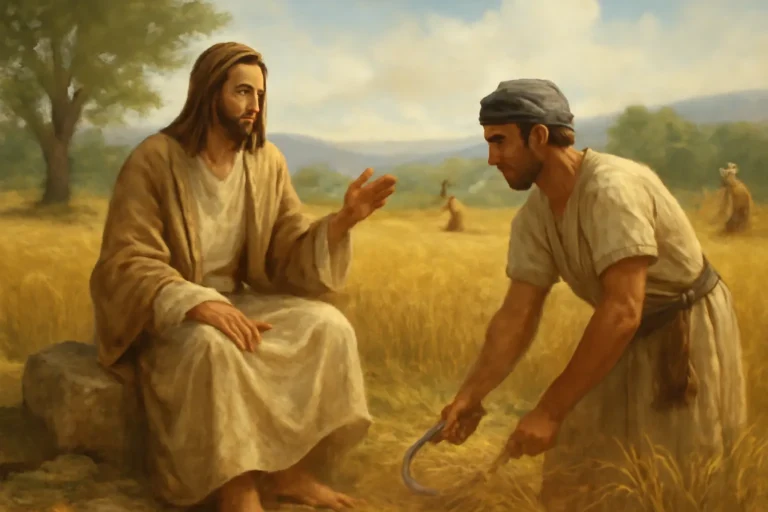
In the Gospels, Jesus frequently teaches about the relation between the law and the kingdom of God. He asserts continuity with the ethical demands of the Mosaic Covenant—not abolishing them, but fulfilling them (often summarized as “fulfillment of the Mosaic Covenant in the New Covenant era”). This proclamation includes a reinterpretation of certain ceremonial aspects in light of His redemptive mission. Jesus’ acclamations about the righteousness required by the law point toward a righteousness that flows from faith, transformation of the heart, and a renewed relationship with God rather than mere external conformity.
In this sense, the New Covenant realizes the deepest intent of the Mosaic Covenant: to form a people who love God fully and love their neighbor rightly, empowered by the Spirit. The law’s moral dimension remains binding in the new age, but its fulfillment occurs through Christ and the Spirit who writes the law on the heart.
Scriptural bridges: Jeremiah, Ezekiel, and Hebrews
Two lines of Scripture are central to the discussion of covenant fulfillment. First, the prophet Jeremiah speaks of a new exodus of the heart and a new covenant written on the people’s minds and hearts, with knowledge of God becoming universal (Jeremiah 31:31-34). Second, the book of Hebrews reinterprets the old covenant through the person of Christ, showing how Jesus is the high priest of a superior covenant and how his sacrifice accomplishes what the animal sacrifices of the old order could not fully achieve. These biblical voices are instrumental in articulating how the Mosaic Covenant is transformed and fulfilled in the New Covenant.
The narrative arc thus moves from a nation-state with a sacrificial system to a global, Spirit-enabled community of worshipers who embody the divine will in daily life. The fulfillment is not a mere supersession of the old order but a fulfillment that preserves genuine continuity while introducing transformative changes.
The New Covenant as the Fulfillment
Hebrews and Jeremiah: Covenant language in dialogue
The New Covenant is described as a decisive, climactic stage in God’s plan for humanity. In Hebrews, the old covenant is depicted as having a temporary and preparatory function, while the new covenant is described as superior in every dimension: better promises, a better high priest, and a more effective means of securing righteousness. Jeremiah’s prophecy supplies the language of the fulfillment, highlighting a transformation of the law from external observance to internal adjustability—laws written on the heart and knowledge of God available to all. Together, these texts present a robust case that the Mosaic Covenant fulfilled in the New Covenant is not a contradiction but a culmination.
Reading these strands together, one sees the fulfillment of the Mosaic Covenant in the New Covenant as both a removal of certain ceremonial burdens and a deepening of moral and relational obligations under grace. The law’s penalties and sacrifices, once the means of approaching God, are replaced, in the new order, by Christ’s once-for-all sacrifice and by the Spirit’s ongoing work in the believer’s heart.
The Role of Christ’s Atonement
Central to the argument for fulfillment is the role of Christ’s atonement. The New Covenant centers on Jesus’ death, resurrection, and priestly intercession, which accomplish forgiveness, reconciliation, and access to God. This is not merely the substitution of one ritual for another; it is the inward transformation of the entire covenant economy. The blood of Christ, seen through the lens of Hebrews, is the blood that ratifies a better covenant, enabling God to dwell with his people in a more intimate and universal manner than the physical temple could in ancient times.
In this light, the fulfillment of the Mosaic Covenant in the New Covenant era is understood as the transition from a national covenant with a single locale (the land and temple) to a universal covenant with a pilgrim people dispersed across nations, gathered by the Spirit, and bound to God through faith in Christ.
Continuity and Discontinuity: What Changes?
Continuities
Monotheism remains foundational: there is one God who reveals himself and demands worship and obedience.
Moral law remains normative, though its application is transformed by grace and Spirit-led life.
God’s faithfulness to his promises continues to shape the community’s identity and mission.
Scriptural trust in the God of Israel remains essential: the story of salvation unfolds within the same canonical framework, now expanded to include Gentile believers.
The ceremonial and civil aspects of the old covenant are reinterpreted: the temple rites point toward Christ’s sacrifice, and the political dimensions of Israel’s national life give way to a universal church.
The Temple sacrifices are fulfilled in the single perfect sacrifice of Christ, rendering ongoing animal sacrifices unnecessary for salvation.
The sign of the covenant shifts: the Old Covenant’s signs of circumcision and temple-centric worship find their fulfillment in the spiritual circumcision of the heart and the church as the temple of the Spirit.
Many theologians emphasize that the New Covenant does not merely cancel the Mosaic Covenant; it completes and redefines it. In a sense, the old covenant’s patterns find their true meaning and their ultimate object in Christ, who brings about a renewed people who know God intimately and live out the law through love and service.
Typology and Sacramental Realities
Shadows that point to substance
The Mosaic era is filled with symbols and rituals that anticipate higher realities. The tabernacle is a microcosm of the cosmos, a place where God meets his people. The sacrifices, especially the Day of Atonement, reveal the gravity of sin and the need for reconciliation. The priesthood, led by the Aaronic line, prefigures the ultimate high priest in Christ. In the New Covenant, these realities are fulfilled in a way that transcends space and time: the Son of God sacrificially offers himself, the Spirit animates a global people, and true worship becomes a matter of spirit and truth rather than geography or place.
The Tabernacle and the Temple in the light of Christ
The Mosaic Covenant included a portable sanctuary—the Tabernacle—and later a rebuilt temple in Jerusalem. In Christian interpretation, these spaces and practices find their deepest fulfillment in Jesus himself, who spoke of his body as a temple and who established a temple not made with hands through the Spirit-indwelt community. This is a crucial facet of the fulfillment of the Mosaic Covenant in the New Covenant, because it reframes sacred space in terms of Christ and the gathered community rather than a fixed geographic location.
Priesthood, sacrifice, and the believer’s life
Under the old order, the Levitical priesthood maintained access to God through a system of offerings and mediators. In the new order, the one mediator, Jesus Christ, makes access to God available to all who believe, and the Spirit enables a priestly life in which believers offer spiritual sacrifices of praise, service, and holiness. This shift is often described as a reconfiguration of priesthood: the church becomes a royal priesthood, and individual believers live as priests who serve God in daily life.
Practical Implications for Faith and Practice
Ethics, worship, and spiritual formation
Ethical living is grounded in the fulfilled moral law, interpreted through the law of Christ and empowered by the Spirit.
Worship centers on grace through Christ, with the people of God worshiping in the power of the Spirit, not solely in a temple or a geographic locale.
Spiritual formation emphasizes inner transformation, the heart’s affections toward God, and outward acts of justice and mercy as expressions of a renewed life.
Mission is shaped by the universal scope of the New Covenant community: the gospel goes forth to all nations, fulfilling the Mosaic promise to be a light to the world in a transformed way.
Doctrinal coherence and church practice
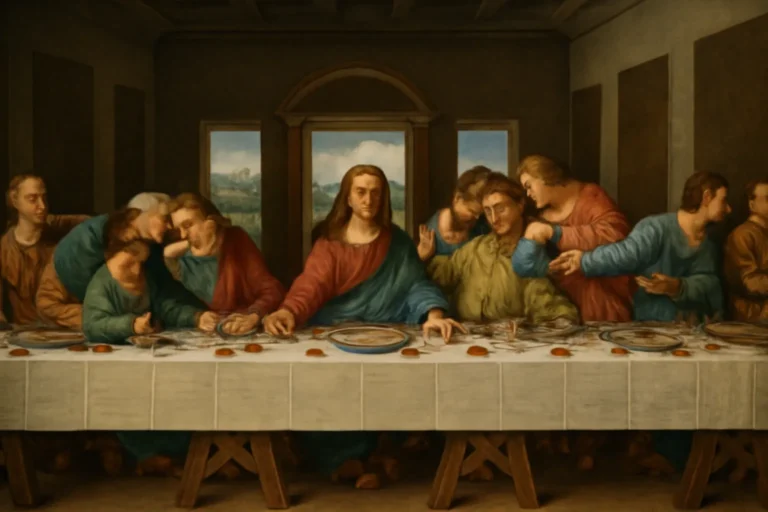
In church life, the concept of the fulfillment of the Mosaic Covenant in the New Covenant informs preaching, sacraments, and governance. Baptism and the Lord’s Supper are often seen as sacraments rooted in the covenantal story, symbolizing inclusion in the people of God and participation in the new life provided by Christ’s death and resurrection. The continuity of the covenantal story invites a faithful reading of Scripture that respects both continuity with Israel’s heritage and the radical novelty of God’s redemptive work in Christ.
The question of binding authority is central to the discussion. Many scholars and confessional traditions affirm the ongoing binding nature of the moral law—summarized in loving God and neighbor—while distinguishing ceremonial and civil components as fulfilled in Christ. The practical upshot is that believers are called to live under the New Covenant with a transformed heart, guided by the Spirit and anchored in the gospel of Christ.
How does the Gentile inclusion relate to the fulfillment of the Mosaic Covenant?
In the New Covenant, Gentile inclusion is a central motif. The gospel moves beyond an ethnic Israelite frame to a community made of both Jews and Gentiles, united in Christ. This expansion does not erase the covenantal story but reinterprets it to incorporate all nations, fulfilling the promise to Abraham that in him all the families of the earth would be blessed. The fulfillment of the Mosaic Covenant in the New Covenant era thus includes a revised but continuous understanding of covenantal identity that embraces diverse peoples under a common faith in Jesus.
Christ’s sacrifice is presented in the New Testament as the final and sufficient means of atonement, which diminishes the need for ongoing animal sacrifices. The temple’s role is reimagined: believers constitute the temple of the Spirit, and God’s presence dwells with his people in and through the church. This does not negate the enduring importance of reverence for God’s presence but reframes holy space in the light of the crucified and risen Christ.
Conclusion: The Fulfillment as Continuity Within Transformation
The narrative arc from the Mosaic Covenant to the New Covenant presents a grand theology of fulfillment that respects the integrity of the old order while celebrating the radical, transformative work of Christ and the Spirit. The old covenant’s promises find their fulfillment in the new covenant era, not as a mere replacement but as an unveiling of deeper realities. In this sense, the fulfillment of the Mosaic Covenant in the New Covenant is best understood as:
Redemption accomplished: Christ’s atonement secures forgiveness and reconciliation, satisfying divine justice and opening access to God.
Law rewritten in grace: the moral law is ultimately written on believers’ hearts by the Spirit, guiding transformation and ethical living.
Worship renewed: worship is re-centered in Christ and carried out by the Spirit, not bound to a temple-centric ritual alone.
Community universalized: the covenant community expands beyond ethnic Israel to include all nations in faith and mission.
Hope intensified: the promises directed toward the nation become realities for the church in the age of Spirit-filled fulfillment.
For students of theology, the Mosaic Covenant fulfilled in the New Covenant invites a balanced approach: honor the continuity of God’s purposes across covenants, while also embracing the transformative, Spirit-led life that defines the church in the present age. The interpretive journey from Sinai to the gospel, from temple to temple of the Spirit, reveals a coherent and deeply hopeful vision of God’s redemptive work in history.
In educational settings, one might summarize the central claim as follows: the New Covenant does not negate the Mosaic Covenant, but rather completes and transcends it by revealing the true meaning of the law and the true center of worship in Christ. Thus, the faith community can affirm both the ethical demands that arise from God’s character and the gracious means by which God enables his people to live that life today. The ongoing task for theologians, pastors, and lay readers is to interpret Scripture with humility, cherish the continuity of God’s purposes, and celebrate the vibrant transformation that the gospel brings to individuals and communities alike.