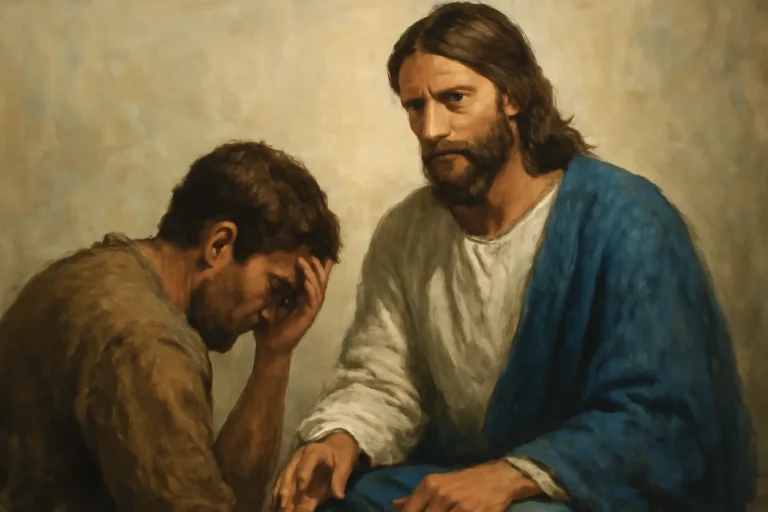

Walking With God: A Journey to a Better You
Walking with God is more than a moment of prayer or a Sunday ritual. It is a sustained, transforming relationship in which a person, by God’s grace, trains the heart to be attentive, patient, and compassionate. This long-form exploration invites you into a thoughtful, theologically informed, and practically useful meditation on how a person can partner with God in life’s journey toward a better you. The aim here is not to present a one-size-fits-all program but to offer a framework that respects diversity of tradition, temperament, and circumstance while staying rooted in core spiritual realities: faith, obedience, discernment, and love in action.
Understanding the Path: What Walking with God Means
To walk with God is to cultivate a daily posture rather than to perform a series of isolated religious acts. It begins with trust—trust that the Creator cares for the created, that God’s wisdom surpasses human planning, and that divine grace can accompany imperfect steps. The pathway is illuminated by revelation, relationship, and responsibility, which together orient a believer toward a more integrated and ethical life. In this sense, the journey toward a better you is inseparable from the journey toward a truer understanding of God’s will for the world.
Key dimensions of the walking life
- Relationship over ritual: Relationship with God sustains routine without turning it into empty formality.
- Discernment and obedience: Knowing what God desires and choosing to align actions accordingly, even when the path is hard.
- Transformation over perfection: The aim is growth in virtue and love, not flawless performance.
- Community and accountability: A walk is not a solo trek; companions, mentors, and fellow travelers offer encouragement and correction.
In this frame, you might hear variations such as partner with God in life’s journey toward a better you, cooperate with divine will on your daily path, or join the Creator on a route toward inner renewal. All these expressions invite a posture of cooperation with the divine purpose while acknowledging human agency, responsibility, and the need for ongoing spiritual formation.
The Core Disciplines: Prayer, Scripture, and Community
No single practice guarantees spiritual vitality, but certain disciplines consistently nurture a deeper walking with God. They are not merely techniques but gateways to encounter, understand, and respond to divine presence in ordinary life. Below are the core disciplines that have sustained believers across generations and cultures.
Prayer as Dialogue
Prayer is the primary instrument by which a person cultivates relationship with God. It is not primarily about petition or complaint, though those are legitimate dimensions, but about listening, surrender, and honest conversation. In traditional Christian practice, prayer can take several forms:
- Adoration—praising God for who God is, which reorients the heart toward awe and gratitude.
- Confession—owning weakness and seeking forgiveness, which clears the path for divine healing.
- Supplication—bringing needs before God while opening to God’s wiser purposes.
- Listening silence—creating space for God to speak in the stillness or in the promptings of conscience.
Effective prayer invites a rhythm of speaking and listening, a practice of pausing to discern whether one’s desires align with God’s will. In the context of the life journey, partnering with God through prayer means inviting God to direct steps, confront faulty motives, and delight in small mercies along the way.
Scripture as Compass
Many traditions regard sacred writings as a compass for navigating moral decisions, character formation, and communal life. Scripture provides not only information about God but also models of human response to divine invitation. Approaching Scripture with humility is essential: readers ask, “What is God trying to teach me here? What correction, comfort, or courage can I receive?”
- Historical-critical awareness helps readers understand context, genre, and intended meaning.
- Lectio divina, or sacred reading, emphasizes slow, prayerful engagement with a small portion of text.
- Liturgical use, meditation on verses, and memorization are practical means of bringing the Word into daily life.
As you partner with God in life journey, scripture can serve as a living conversation partner—one who corrects, consoles, and compels toward justice and mercy. The aim is not to master the text but to let the text master the heart in order to shape daily choices.
Community and Accountability
Walking with God is rarely a solitary enterprise. Community—in the church, study groups, mentorship relationships, and service networks—helps believers stay faithful, resist isolation, and receive encouragement. Accountability, when exercised with grace, clarifies blind spots, celebrates growth, and sustains perseverance during trials. A healthy community fosters an atmosphere in which one can confess struggles, receive wise counsel, and practice love in concrete ways.
- Mentorship relationships that model integrity and humility.
- Small groups that explore Scripture, prayer, and service together.
- Service networks that put faith into action through acts of mercy and justice.
- Supportive routines—regular check-ins, shared disciplines, and mutual care during seasons of hardship.
In this sense, the journey toward a better you is not a private project but a communal mission. You can partner with God in life journey for a better you more effectively when you invite others to walk with you, celebrate milestones, and hold you accountable in love.
Theological Foundations: Who Is God and How Do We Hear and Respond?
The question of how a person can partner with God on the road of life has deep theological roots. Across Christian traditions, there is broad agreement about the reality of a God who desires relationship, communicates through creation and Scripture, and invites humans into reconciliation, transformation, and mission. Yet there are differences in emphasis: how grace operates, the role of human freedom, and the means by which God’s will is discerned in daily life. Below are several foundational themes that tend to recur across communities that take walking with God seriously.
Grace as Ground and Gift
At the core of Christian spirituality is the conviction that God’s unmerited favor enables people to change. Grace is not a weblike excuse for sin but a liberating power that frees the heart to love rightly and to pursue moral good. From this perspective, walking with God is possible because God invites, empowers, and sustains the journey. Grace meets human weakness in patience, offering forgiveness when we stumble and strength for the next step.
Discerning Will and Freedom
Divine will and human freedom are understood in a way that honors both sovereignty and responsibility. Christians often describe discernment as a process of alignment: we test decisions against Scripture, communal wisdom, and the inner promptings of the Holy Spirit. The practice of discernment creates space for personal conscience to mature while remaining anchored in God’s broader purposes for creation, justice, mercy, and peace.
Love as the Telos
The dynamic center of walking with God is love. Love of God shapes love of neighbor; justice, mercy, and humility become visible when a person is transformed. The command to love God with heart, soul, mind, and strength and to love neighbor as self recurs across sects and denominations, signaling that spiritual growth is inseparable from social and ethical living.
Practical Steps to Partner with God in Your Life Journey for a Better You
Transformation happens through sustained practice, not through a single decision. The following practical steps offer a scaffold for turning intention into daily living. Each step includes concrete actions, reflections, and considerations for integrating faith with work, family, and community.
In this section, you will find a recurring thread: the idea that partner with God in life journey for a better you is as much about posture as it is about methods. It is about becoming a person whose habits increasingly resemble wisdom, humility, and mercy.
- Begin with intention and humility. Set a quiet time to acknowledge God’s presence, confess limiting beliefs, and invite guidance for the day. Ask: “What is the path of love today?”
- Practice regular prayer. Create a cadence—morning, midday, and evening if possible—and include both spoken petitions and silent listening. Use a short formula if helpful (adore, confess, thank, ask).
- Read Scripture with expectancy. Read a manageable passage and reflect on what it reveals about God’s character and your own conduct. Journal insights and how they apply to your day.
- Engage in acts of service. Look for opportunities to help others, especially those who cannot repay you. Service becomes a tangible expression of walking with God in daily life.
- Pursue spiritual friendship. Find a trustworthy mentor or a friend with whom you share struggles, insights, and victories. Hold each other accountable in grace.
- Practice discernment in decisions. When confronted with a choice, slow down, seek counsel, check motives, and test outcomes against love for God and neighbor.
- Cultivate virtues through routine. Emphasize patience, gentleness, self-control, courage, and generosity. Small daily choices compound into lasting transformation.
- Engage in confession and repentance. When you miss the mark, acknowledge it, seek forgiveness, and reset your course without harsh self-condemnation.
- Attend to the body. Recognize that physical health, sleep, nutrition, and rest influence spiritual clarity and emotional stability.
- Integrate faith with vocation. Reflect on how your work, relationships, and hobbies reflect and advance the love of God in the world.
- Guard your imagination and media. Choose content that strengthens virtue and resists despair, anxiety, or cynicism.
- Practice gratitude. End each day with a list of blessings you saw in ordinary moments, recognizing God’s presence in the everyday.
- Celebrate progress. Mark milestones in your journey, not merely the absence of failure, and share them with your trusted circle.
As you incorporate these steps, you may discover that the journey is not a straight line but a series of parables in living color: deserts, vivid valleys, mountain peaks, and quiet plains. You can partner with God in life journey for a better you by embracing the unpredictable rhythm of growth, learning, and hope.
Pragmatic practices for daily life
- Daily examine”/reflection: brief review of the day’s choices, asking where love and justice were present or lacking.
- Sabbath invitation: set aside time for rest, worship, and restoration to prevent burnout and cultivate sustained faithfulness.
- Hospitality as witness: welcome others into your life to model grace and reciprocity.
- Stewardship of time and resources: allocate energy to what matters—relationships, truth-telling, and mercy.
- Joy and lament together: honor both gratitude and sorrow, recognizing that God meets both with steadfast love.
Challenges and Questions as You Walk
Every journey encounters obstacles. Walking with God is no exception. A mature faith can endure doubt, dryness, and disappointment while continuing to press toward growth. Here are common challenges and ways to approach them, not as tests of faith to condemn you but as opportunities to deepen trust.
Spiritual dryness and why it happens
Many travelers experience seasons where God seems distant. This dryness can be a test of fidelity, a sign of transitioning into a deeper level of transformation, or a consequence of stress and distraction. In such times, it is helpful to lean into routine disciplines without demanding immediate experiential certainty. Perseverance, continued prayer, and honest community can sustain you through the waning light until the next dawn.
Questioning and doubt
Doubt is not the opposite of faith but its companion during growth. When questions arise—about God’s goodness, about the problem of suffering, or about scriptural interpretation—approach them with curiosity, humility, and a willingness to revise understandings in light of truth and love. A mature approach might be: “I don’t fully see now, but I will keep walking and learning.”
Conflict within communities
Even churches and prayer groups can become sites of disagreement. In these moments, practice gentle truth-telling, seek common ground rooted in the love of neighbor, and avoid making personal offense into spiritual failure. The goal remains: to reflect God’s character in how disagreements are handled, not to win debates but to foster peace and integrity.
Stories and Examples: Biblical and Contemporary Narratives
Stories illuminate the path where doctrine alone cannot. Across the Bible and contemporary life, narratives of walking with God showcase trust, failure, grace, and transformation in concrete ways. Here are representative arcs that illustrate what it means to partner with God on the journey.
Biblical Narratives: Exemplars of the walking life
- Abraham—Trust in God’s promises, even when the horizon seems uncertain; obedience becomes a way of life rather than a single decision.
- Joseph—Endurance through injustice, and integrity in the face of testing, leading to a form of wisdom that serves others.
- Moses—Reluctant leader who learns to rely on God’s sufficiency and to courageously advocate for the vulnerable.
- Mary and the Apostles—Listening, courage, and communal discernment as the Church begins to take shape in history.
- Jesus—The way of love enacted through service, obedience to the Father, and the invitation to a radical trust that transforms reality.
In these stories, the walking with God life is not a flawless trajectory but a course marked by grace, correction, and moments of decisive faith.
Contemporary exemplars: Real-life testimonies
- Individuals who recover from despair through community and purpose, finding meaning in acts of service and in steady practice of prayer.
- Families that endure hardship by leaning on faith, extending hospitality, and teaching children to see God’s presence in ordinary days.
- Leaders who model accountability, humility, and resilience, demonstrating that leadership in faith is service rather than domination.
- Friends who choose reconciliation and courage when conflict arises, showing that mercy can heal divisions and restore trust.
- Hope-filled narratives of transformation—where resilience and generosity become habitual, reshaping character over time.
These stories remind us that the journey of Walking With God is not an abstract ideal but a lived reality that shapes character, relationships, and community life. Each life, in its turn, contributes to a broader witness about what it means to partner with God in life journey for a better you.
Measuring Growth: How to Know You Are Walking Well
Growth in the spiritual life is often quiet and cumulative rather than spectacular. Yet there are signs that a person is moving in the right direction. The following indicators can help you assess progress while avoiding the traps of legalism or self-congratulation.
- Peace in uncertainty—a sense that God holds you even when outcomes are unclear.
- Love that grows in practical deeds—a greater willingness to serve, forgive, and endure with others.
- Humility in success—freedom from pride when gifts or achievements are abundant, and a deeper reliance on God in strength and weakness.
- Truthfulness in speech and conduct—alignment between belief, words, and actions; less duplicity, more integrity.
- Resilience to temptation—recognizing patterns, seeking accountability, and choosing the harder but truer path when pressure mounts.
- Wider compassion—recognizing the image of God in others, including those who are different or difficult to love.
- Consistency in practices—regular prayer, scripture engagement, community involvement, and service as ongoing rhythms rather than sporadic bursts.
These indicators function best when paired with a framework of grace. No one achieves moral or spiritual perfection in this life. Instead, growth is a trajectory of increasing alignment with God’s purposes and a deepening capacity to love well.
Variations Across Traditions: How Different Communities Embrace the Walking Life
Across Christian traditions, there are distinct emphases on how Walking With God is understood and practiced. Each tradition offers rich contributions to the life of faith, while sharing the core conviction that God invites humans into relationship that bears fruit in daily life.
Catholic Spirituality
In Catholic spirituality, walking with God is often framed through the sacraments, the liturgical calendar, and a strong emphasis on the communion of saints. The sacramental life provides tangible means of grace, while mountaintop moments of contemplation are balanced by service to the neighbors in need. Practices such as examination of conscience, the rosary, and adoration of the Eucharist are avenues through which believers partner with God in daily pilgrimage.
Protestant and Reformed Traditions
Among many Protestant communities, a central emphasis is the authority of Scripture, the priesthood of all believers, and the transformative power of the gospel in daily life. Disciplines such as prayer, Bible study, and catechesis guide faithful living, with a particular focus on personal conversion, ongoing sanctification, and mission to the world. The phrase partner with God in life journey for a better you often surfaces in teachings about vocational calling, discipleship, and holy living.
Eastern Orthodox Spirituality
Eastern Orthodox spirituality highlights the union of prayer and life through practices such as hesychasm (inner stillness), liturgical rhythm, and the contemplative tradition of the church fathers. The ascent toward theosis—becoming more like God through grace and participation in the divine life—frames the walking life as a gradual transformation into love and holiness.
Charismatic and Pentecostal Expressions
In these communities, walking with God is energized by the experience of the Holy Spirit, gifts for service, and a communal expectation of ongoing encounter with God. Prayers for revival, spiritual gifts, and vibrant worship characterize the journey for many believers, while the same goals of love, justice, and personal renewal ground the practice.
Conclusion: The Ongoing Journey
The journey of Walking With God toward a better you is an invitation to a life of relationship, formation, and mission. It is not a triumphal procession but a pilgrimage marked by trust, repentance, mercy, and perseverance. Through prayer, Scripture, community, and the intentional shaping of habits, a person grows in grace and discovers that God’s direction is a steady wind beneath their wings.
To partner with God on this journey—whether in a moment of decision, a season of trial, or a routine day at work—is to acknowledge that transformation is possible, not because of mere human resolve but because of divine faithfulness. The path may meander and rise and fall, yet each step can become a place where love deepens, character matures, and the heart becomes more attuned to the music of God’s purposes. In this light, Walking With God: A Journey to a Better You is less about reaching a final destination and more about becoming a people who live in daily readiness to respond to God’s invitation to participate in the healing and renewal of the world. May your path be blessed with clarity, courage, and lasting joy as you walk with God in life’s journey.