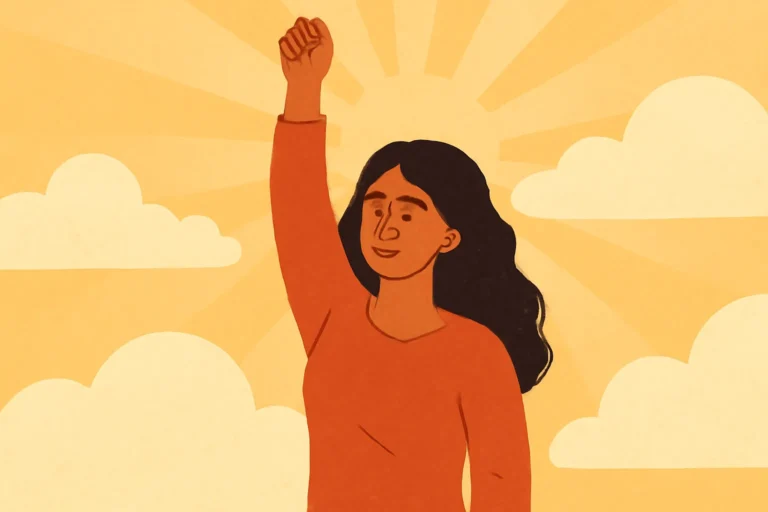

A Prayer for Hope and Strength: An Open Guide to Faithful Resilience
Hope and strength are not merely feelings to be awaited; they are disciplines to be cultivated, practices to be lived, and gifts that can sustain a person through the most uncertain seasons. In religious life, a prayer for hope and strength becomes a posture before the divine, a language of longing that shapes the soul, and a communal practice that unites hearts across time and tradition. This long-form article surveys the theological, spiritual, and practical facets of praying for hope and strength, offering interpretive insights, historical perspectives, and actionable steps that readers from diverse faith backgrounds can adapt to their own circumstances. The aim is not to replace personal faith but to deepen it, to widen the channels through which divine encouragement can enter the daily moments of struggle, waiting, and decision.
The Theological Grounding: What Hope Means in a Sacred Context
In many religious narratives, hope is not a passive wish but a dynamic virtue anchored in the character of God, the reliability of divine promises, and the steadfastness of a people. Strength in this frame is often the fruit of grace received and exercised, the stamina that comes from trust, worship, and hopeful obedience. Understanding these terms within a religious context helps ordinary believers translate tenderness of heart into durable resolve.
Hope as a Theological Virtue
Within Christian theology, for instance, hope is one of the theological virtues—faith, hope, and love—that orient the soul toward God and ground ethical action in divine reality. Hope is not a temporary optimism but a steadfast confidence that God’s purposes prevail, even when present circumstances scream otherwise. In Jewish thought, hope is tied to covenant faithfulness: a people who recall God’s past acts of salvation can face present danger with durable assurance. In Islamic tradition, hope is woven into tawakkul (trust in God) and shukr (gratitude) as one navigates hardship with patient reliance on the divine plan. Hindu and Buddhist perspectives may frame hope as a cognitive and affective discipline that helps transform suffering into spiritual growth and compassionate action. Across these voices, a common thread emerges: hope is relational—it is anchored in encounter with the holy, sustained by communal memory, and expressed through righteous living.
Strength likewise has a deeply relational root. It is not only a personal boost but a divine enablement that flows from prayer, repentance, worship, and service. Strength is communal as well as individual: it is what a wounded church provides to a grieving family, what a patient caregiver gains through divine presence, and what a persecuted believer receives when a community prays together. When we speak of praying for strength, we are naming a request for alignment with divine energy, for courage to face reality, and for endurance that outlasts fear.
Prayer as Practice: How Supplication Becomes Sustenance
Prayer has many faces in religious life. It may be liturgical and formal, or spontaneous and intimate; it can be contemplative silence or joyful song. In every form, the aim is to align the heart with truth, receive grace, and respond with faithful action. A prayer for hope and strength can be understood as a seasoned practice that includes confession, petition, intercession, gratitude, and a hopeful reckoning with the future.
Forms of Prayer that Nourish Hope and Fortify Will
- Adoration and recognition of the divine beauty that sustains life, which often replenishes hope by placing suffering within the grandeur of a larger story.
- Confession of weakness, fear, or failure, followed by receptivity to mercy, which creates space for renewed strength to arise.
- Petition for concrete needs—physical healing, emotional healing, financial provision, renewal of purpose, or restoration of relationships.
- Intercession on behalf of others who suffer, which broadens the horizon of hope beyond one’s own sphere and cultivates compassion.
- Thanksgiving for past mercies and present grace, which reinforces memory and gratitude as sources of resilience.
- Surrender to divine will, a courageous act that often paradoxically releases true strength by acknowledging limits and inviting higher guidance.
- Worship through prayer, psalms, hymns, or sacred readings, which re-centers the soul and refreshes the sense of divine companionship.
To practice a meaningful prayer for hope and strength, one might compose a rhythm that blends these elements. For example, a daily cycle could include a short moment of reflection, a fixed prayer or verse, a personal request, and a concluding moment of quiet listening for inner confirmation. The exact words matter less than the spiritual posture: openness, honesty, and trust that the divine is near, even when the path feels arduous.
Approaches Across Traditions: Perspectives on Hope, Strength, and Prayer
Religious traditions offer rich resources for cultivating hope and strength. Reading across lines can illuminate universal patterns—trust in the divine, patient endurance, and communal care—while also respecting distinctive theological emphases.
Christian Perspective
Within Christian communities, praying for hope and strength is often connected to the life and teachings of Jesus, the Psalms, and the witness of saints. Believers may draw from:
- Acknowledging God’s faithfulness in the past as a basis for trust in the present.
- Christ’s example of perseverance under trial as a model for resilience in hardship.
- Seleucid or modern-day persecutions reframed as opportunities to demonstrate faithfulness and to witness transformation through grace.
- The Holy Spirit described as a Comforter or Advocate who strengthens the heart and renews courage (for many, a daily, ongoing encounter).
Scriptural anchors might include short verses such as: “Be strong and courageous,” or “Those who hope in the Lord will renew their strength.” The practice of lament, found extensively in the Psalms, legitimizes honest emotion while keeping hope anchored in divine sovereignty. A Christian approach to prayer for hope and strength often invites a transition from complaint to trust, from fear to fearless faith, and from isolation to communal intercession.
Jewish Perspective
In Judaism, hope (emunah) and strength (gevurat ha-lev) are grounded in covenantal memory and daily acts of faith. Prayer for hope and strength can include:
- Recitation of prayers that remind the faithful of God’s deliverances in history (e.g., the heroic narratives of the Exodus, the Maccabean narratives, or modern testimonies of resilience).
- Reading and meditating on Psalms of lament and uplift—testimonies that pain and fear can be carried before God, with the assurance of divine attention.
- Engagement in acts of kindness (gemilut hasadim) and justice as expressions of strength that light the darkness for others.
Core themes include trust in God’s wisdom beyond human understanding and the discipline of hope as a constant habit, not a fleeting mood. The practice of prayer for hope and strength in Jewish life is both personal and communal, often anchored in liturgy, daily blessings, and communal prayer that lifts up the vulnerable and seeks protection for the afflicted.
Muslim Perspective
In Islam, the concepts of tawakkul (trust in God) and sabr (patience) are central to endurance and hope. A prayer for hope and strength in this tradition might emphasize:
- Recognition that hardship is not a punishment but a test that can refine faith.
- Turning to God in supplication (du’a) with sincerity, humility, and explicit needs for resilience and relief.
- Gratitude (shukr) as a powerful instrument for reframing perception and inviting grace.
- Ritual acts—daily prayers, remembrance (dhikr), and charity—as ways to steady the heart and strengthen resolve.
Textual reminders, such as verses invoking steadfastness, are used to anchor the believer when fear or fatigue arises. The practice emphasizes persistence in faith, even when outcomes are unseen, and trust in God’s greater wisdom for the ultimate good of the community.
Hindu and Buddhist Perspectives
In Hinduism and Buddhism, the language may center on inner transformation, karmic understanding, and compassionate action. Hope can be seen as a byproduct of spiritual discipline, and strength as the natural result of sustained practice. Consider:
- Mindfulness and concentration practices that stabilize the mind, enabling a patient approach to suffering.
- Yoga, meditation, and ethical living as sources of inner fortitude that do not depend solely on external circumstances.
- Compassionate action toward others as a reflection of one’s inner strength and an antidote to despair.
Across these traditions, a common thread is the belief that adversity can become an occasion for growth when one’s heart remains tethered to a larger, transcendent reality.
Scriptural Foundations and Teachings: Core Texts that Shape Hope and Strength
Textual foundations provide language, imagery, and authority for a prayerful life that seeks hope and strength. While different traditions frame these ideas differently, several universal motifs recur: memory of divine acts, the assurance of divine presence, and the invitation to trust despite circumstances.
Key Thematic Passages
- Memory of Deliverance: Remembrance of God’s past salvific acts grounds present endurance and invites confidence that God will act again.
- Divine Presence: The awareness that the divine accompanies the afflicted, offering companionship in times of loneliness and fear.
- Promises and Covenant: The assurance that God’s promises are trustworthy invites hopeful perseverance and ethical living.
- Transformative Suffering: Suffering can produce endurance, character, and hope, a theme echoed in many sacred writings.
In practical terms, readers might encounter these ideas through brief meditations, reflective readings, or daily devotionals that pair a scriptural line with a personal request for hope and strength.
Practices for Cultivating Hope and Strength in Daily Life
Theoretical insights are most meaningful when they translate into everyday practice. The following approaches offer concrete pathways to nurture hope and strength through prayer and related disciplines.
Routines of Prayer
- Begin with a posture of honesty: name fears, losses, and uncertainties without minimizing them.
- Move toward gratitude: acknowledge small mercies, daily safeguards, and personal resilience you have already shown.
- Present a concrete request: specify what you need—comfort, clarity, courage, or restored purpose—and invite divine guidance.
- Close with listening: spend a few moments in quiet, attentive stillness to discern the gentle movements of the spirit.
- Close with action: choose one practical step you can take that aligns with your prayer (e.g., reaching out to a caregiver, restoring a relationship, setting a boundary, seeking professional help).
Contemplative Practices
- Breath prayers: synchronizing breath with short phrases such as “Come, Lord,” or “Be with me now.”
- Scriptural meditations: select one verse about hope and repeat it slowly, allowing its cadence to anchor thoughts.
- Ritual acts of care: light a candle, offer a small sacrifice of time to a service project, or set aside a moment of silence for the suffering around you.
These practices help convert inner conviction into outward resilience, turning private prayer into public witness and compassionate action.
Contextual Applications: Praying for Hope and Strength in Specific Life Situations
People encounter countless situations where the need for hope and strength becomes most acute. The following scenarios illustrate how a prayerful posture can be adapted to different contexts while maintaining theological integrity and personal relevance.
Illness and Physical Suffering
Prayer for hope and strength during illness can acknowledge pain while seeking healing, endurance, and peace. Suggested focal points include:
- Requesting comfort for medical staff and clarity for patients.
- Asking for resilience to endure treatments, rehabilitation, and the patience to accept outcomes that may differ from what was hoped.
- Seeking spiritual companionship and meaning in the face of vulnerability.
Grief and Loss
Grief often erodes hope; prayer can provide a bridge between sorrow and new meaning. Elements to include are:
- Laboring in lament, honestly acknowledging pain while still naming a future with God.
- Holding onto memories that honor the loved one and inviting the possibility of new purpose.
- Seeking strength to carry the memory forward and to support others who mourn.
Financial or Occupational Hardship
Economic stress can threaten hope and test fortitude. A prayer for hope and strength in such situations might focus on:
- Clarity in decision-making and the courage to adjust plans as needed.
- Assistance in accessing resources, networking for opportunities, and maintaining integrity in the process.
- Hope that adversity can yield practical wisdom and compassionate leadership within the community.
Conflict and Persecution
In contexts of injustice, persecution, or communal strife, prayer for hope and strength becomes a form of courageous solidarity. Elements include:
- Intercession for all who suffer injustice, including the transformation of situations that otherwise seem unchanging.
- Prayers for safety, protection, and the swift pursuit of peace and reconciliation.
- Commitment to acts of mercy, advocacy, and nonviolent response that preserve human dignity.
Aging, Retirement, and Transition
End-of-life concerns and turning points can challenge hope in new ways. A prayerful approach can help by:
- Affirming the value of lifelong contributions and the potential for continued purpose.
- Seeking guidance for next steps, even when options are uncertain.
- Expressing trust that one’s life has meaning within a larger divine plan.
The Role of Community: Shared Hope in a Faith Community
Individual prayer for hope and strength is essential, but communities amplify transformative power. Here are several ways that religious communities contribute to a culture of hopeful resilience:
- Collective liturgy that names pain and petitions for healing and courage.
- Mutual aid networks that translate prayer into practical care—visiting the sick, providing meals, offering transportation, or sharing financial support.
- Public testimonies of endurance that honor pain while affirming divine faithfulness, thereby inspiring others.
- Teaching and mentorship that help younger generations learn how to hold suffering within a hopeful framework.
The communal dimension of prayer for hope and strength makes the practice sustainable. It also creates accountability for living out the values expressed in prayer, so that belief translates into tangible acts of kindness, advocacy, and justice.
Psychological and Spiritual Dimensions: How Prayer Impacts the Inner Life
Beyond doctrinal statements, a prayer for hope and strength shapes the psyche and fosters spiritual growth. Researchers and theologians alike note several interconnected effects of sustained prayer and spiritual practice:
- Emotional regulation: Regular prayer or contemplation can calm the nervous system, reducing anxiety and improving emotional resilience.
- Meaning reconciliation: Prayer helps people reframe suffering in a larger narrative, increasing perceived meaning and purpose.
- Social connectedness: Shared prayer and communal rites strengthen bonds that provide support during difficult times.
- Moral courage: Faith-informed fortitude can empower individuals to stand for justice, forgive, and enact compassionate action.
These dimensions show that praying for hope and strength does not merely soothe distress; it can catalyze healing, growth, and social virtue. The practice invites believers to move from dependence on external circumstances to a posture of trusted reliance on the divine and interconnected community.
Crafting a Personal Prayer: A Practical Guide to a Custom Prayer for Hope and Strength
Rather than offering a single universal prayer, this section invites you to craft a personal prayer that speaks to your context and tradition. The following method provides a flexible template you can adapt at any time:
- Acknowledge: Begin with a sincere acknowledgment of your current state—what you fear, what hurts, and what seems heavy.
- Address: Direct your prayer to the divine or the sacred presence you trust, naming the relationship (e.g., God, Spirit, Covenant, Supreme Reality).
- Ask: Formulate clear requests for hope and strength, as well as any specific needs (healing, wisdom, courage, or companionship).
- Open to Grace: Invite grace to enter your life in practical ways—new opportunities, renewed energy, or a softened heart.
- Affirm Covenant: Reaffirm a commitment to life-affirming values and to acts that reflect your faith in the divine plan.
- Listen: Conclude with a period of quiet listening, attending to any sense of direction, consolation, or gentle promptings.
- Act: Choose one concrete step to take, such as reaching out to someone in need, starting a new discipline, or seeking support.
Sample personal prompts you can adapt include:
- “Lord, I hold my fear before You; fill me with hope and strengthen my steps today.”
- “Source of life, help me trust Your plan when the road is unclear; grant me patience and courage to persevere.”
- “Spirit of peace, come beside me as I face this trial; may Your strength sustain my heart and my hands.”
When writing your own prayer, consider including imagery that resonates with your tradition—light in darkness, a sturdy rock, a shield of faith, or a river that nourishes the parched land. Such imagery can enliven prayer and anchor you in hopeful perseverance.
A Prayerful Ethic: Living Out Hope and Strength
Hope and strength are not only internal states; they lead to external expressions. A mature prayer for hope and strength spills over into ethical living, compassionate action, and faithful service. The following principles can guide a prayerful ethic:
- Compassion in action: Let your hope move you toward care for the vulnerable, including the poor, the sick, the oppressed, and the marginalized.
- Justice-seeking courage: Let your strength be directed toward dismantling systems of harm and building equitable communities.
- Peaceful resolve: Practice nonviolence, patience, and restorative encounters even in the face of provocation.
- Gratitude as a discipline: Maintain a daily practice of gratitude that reframes adversity as a part of a larger, benevolent divine story.
- Hopeful realism: Acknowledge pain without allowing pessimism to become a fixed stance; hold a vision of possibility while attending to the present moment.
In this sense, praying for hope and strength becomes a vocation: a call to love, to heal wounds, and to witness to a resilient humanity that remains committed to the good, even in the face of overwhelming odds.
Concluding Reflections: The Enduring Practice of Hope-Filled Strength
Across time and tradition, a prayer for hope and strength carries the promise that faith can sustain a person when circumstances threaten to overwhelm. It invites honesty about pain, trust in the divine, and imaginative action grounded in compassion. The act of praying for hope and strength is therefore both a spiritual discipline and a practical anthropology: it shapes what we believe, how we feel, and how we live toward others.
In closing, consider these guiding reflections:
- Hope sustained by trust involves recognizing a power greater than fear, and choosing to lean into that power through prayer, ritual, and service.
- Strength refined by adversity emerges not from denial of pain but through steadfast presence, disciplined practice, and supportive communities.
- Prayer as invitation invites divine movement into our lives—transformation that touches minds, hearts, and hands.
- Action as witness is the living out of prayer: caring for the grieving, comforting the lonely, standing for justice, and cultivating hope in others.
As you move forward, remember that praying for hope and strength is not a solitary act but a shared journey. The divine invites us to lift each other up, to bear one another’s burdens, and to persevere in generosity of spirit. May your prayers be a beacon that lights your days, a wellspring of courage when fear rises, and a steady voice of consolation when the way is dark. May you find, in the deepest layers of your heart, a robust, enduring hope that does not disappoint and a steadfast strength that endures, now and always.